Category: Breeds

  • Dog Owner’s Guide on King Cane Corso

    King Cane Corso– Are you all set to adopt a guard dog for your home and are here to know what can be a worthy choice for your canine?

    The King Cane Corso: A Guide to This Unique Mastiff

    The King Cane Corso, a majestic variation of the Cane Corso breed, combines impressive size, intelligence, and a devoted temperament. If you’re considering adding this powerful guard dog to your household, here’s what you need to know:

    Understanding the King Cane Corso

    • Origins: Descended from the ancient Roman molossus war dogs, known for their strength and protective instincts.
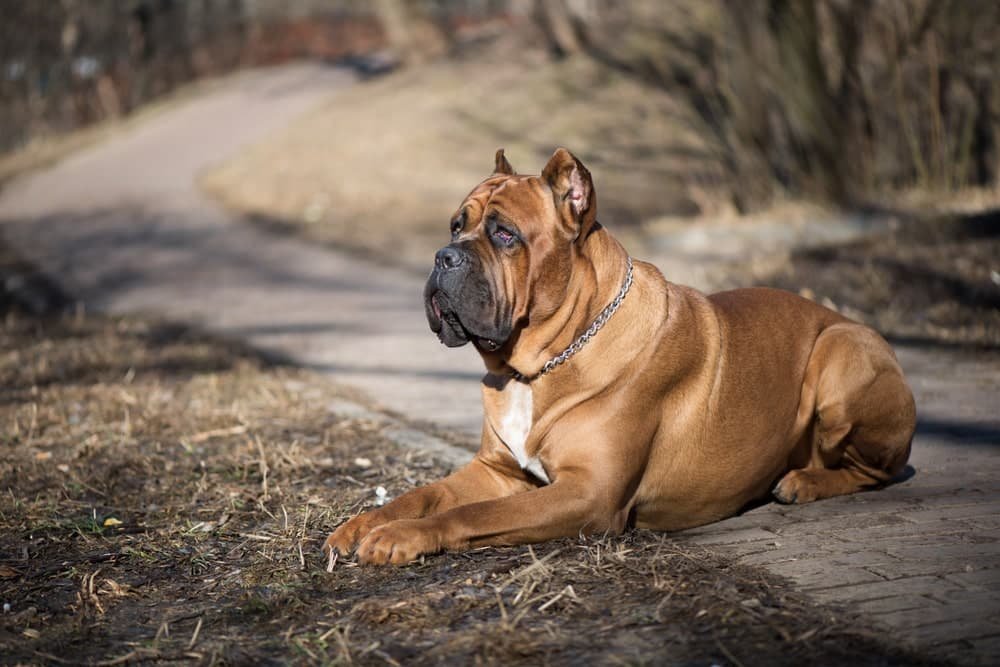
    • Appearance: Large, muscular build with a square head and distinct facial features. Short, dense coat that can come in various colors.
    • Temperament: Intelligent, alert, and fiercely loyal to its family. Can be wary of strangers but generally well-behaved with proper socialization.

    Caring for a King Cane Corso

    • Love and Attention: This breed thrives on affection and doesn’t handle being alone well.
    • Grooming: Their short coat requires minimal grooming, primarily brushing to remove dead hair.
    • Nutrition: A high-quality diet balanced for large breeds is essential for their health and development.
    • Vet Checkups: Regular vet visits are crucial to monitor for potential health issues like hip dysplasia.

    Dietary Needs

    A balanced diet rich in protein, vitamins, and minerals is crucial for a King Cane Corso. Consult your veterinarian for specific recommendations based on your dog’s age, size, and activity level. Consider including:

    • High-quality meat: The primary protein source
    • Vegetables: For essential nutrients and fiber (spinach, carrots, broccoli)
    • Fruits: Treats in moderation (apples, blueberries)
    • Avoid additives: Salt, sugar, and honey can be harmful.

    Health Considerations

    While generally healthy, King Cane Corsos can be prone to certain conditions:

    • Hip and elbow dysplasia: Consult a vet about screening and prevention
    • Joint problems: Maintain a healthy weight to minimize joint stress
    • Pancreatitis: Monitor dietary fat intake

    Training Your King Cane Corso

    • Early Socialization: Crucial to prevent aggression towards other dogs and strangers.
    • Consistent Training: Positive reinforcement and firm, consistent guidance are key.
    • Mental Stimulation: Provide puzzles and challenging activities to prevent boredom.

    Price of a King Cane Corso

    • Puppies: Typically range from $2,100 to $2,500.
    • Adults: Can be found for around $1,300

    Living Needs

    • Nutritious Diet: Follow your vet’s recommendations.
    • Grooming: Requires minimal brushing.
    • Exercise: Daily walks and playtime are essential.
    • Mental Stimulation: Keep them engaged with toys and training.
    • Love and Attention: This breed craves human connection.

    Are King Cane Corsos Good Family Dogs?

    With proper training and socialization, King Cane Corsos can make wonderful family dogs. They are protective of their loved ones, especially children, and their intelligence makes them easy to train.

    Key Takeaways

    • King Cane Corsos are impressive, loyal, and intelligent dogs.
    • They require significant attention, exercise, and a strong, experienced owner.
    • Early socialization and training are crucial for responsible ownership.
    • If you’re committed to providing the care and guidance they need, a King Cane Corso can be an incredibly rewarding companion.

    Remember: With responsible ownership and love, a King Cane Corso can become a cherished family member!

    About the King Cane Corso Breed

    As per the research done on the breed of King Cane Corso by the cynologists, information has been obtained that this dog belongs to a subcategory of working dogs named molossus, also popular as molasses.

    This dog was mostly found in the ancient Greek times when the people of that time used to have muscular and strong dogs just like the Neapolitan mastiff, but with a high socialization capacity.

    This dog breed usually gets familiar with other animals that they meet on the street while having walking sessions on the street. Thus, in King Cane   Corsos, the owners don’t have to put much effort into making the dog learn proper socialization.

    The King Cane Corso Dogs almost possess the same categories as that of a normal Cane Corso and just possess a difference in case of appearance.

    The Appearance of the King Cane Corso

    We all know that the dog’s appearance matters the most when choosing a dog for our home. Thus, it’s the most common factor that dog owners always look for in the appearance of King Cane Corso.

    The cynologists researching this breed have mentioned that it’s very muscular in appearance, and the head circumference of this breed, when measured from the cheek, is usually recorded as twice the head’s length, giving it a more bossy appearance.

    The dog used to have a wide skull with slight curves and a prominent arch-like structure towards the eyes, which started to flatten downwards.

    The face of the canine is usually in a square shape which makes it look different from the Neapolitan mastiff hybrid.

    Now the most important part of the appearance of King Cane Corso is its coat. This dog usually possesses a short, stiff, and dense coat with a thin undercoat that adapts itself according to the weather outside to provide comfort to the canine in different weathers.

    The Temperament of the Canine

    This Italian mastiff of the ancient lineage is one of the dogs which is liked mostly because of its personality. This is because the dog’s personality and the canine’s level of intelligence decide how comfortable the owner will be after adopting a king Cane Corso as their furry friend.

    The dog breeders and the owners who have been the owner of a King Cane Corso have commented that the canine temperament is the most impressive thing regarding this breed.

    The dog possesses very clever behaviour and is used to alert the owner by excessive barking whenever something wrong is going to happen.

    Being aggressive in behaviour, it is also very protective towards the owner and is capable of doing anything for the sake of the safety of the owner, the dog is very affectionate towards the owner but never used to demand the attention of the owner as it is in the nature of the canine not to be demanding.

    Thus, in such cases, it becomes the owner’s responsibility to give the required quality time to the canine to prevent the canine from anxiety attacks.

    Care Guide of the King Cane Corso

    Now, the dog owners planning to adopt a King Cane Corso dog for the home might be searching for how to properly take care of King Cane Corso, as this dog breed is special and might need some extra effort care while taking care of the canine, and this will also be helpful when you know how to train cane corso puppy.

    Below are the steps that will give the dog owner an ultimate guide regarding how to take care of a King Cane Corso properly.

    Always Treat with Love

    This dog breed remains very sensitive when it comes to bonding with the owner, and as per scientific research, the release of adrenaline in this hormone is not proper as in other breeds and is not sufficient to keep the dog happy all the time.

    Thus treating the pet with love becomes very important in this case as this will not only make the bond between the canine and the owner stronger but will also lead to the prevention of the dog from that severe panic attack.

    Go for Proper Grooming

    Proper grooming is necessary to make the canine infection free, and it will not only stop the canine from getting infectious diseases but will also make him feel free from itchiness and dry skin.

    Make sure to use the brush as the hair follicles of King Cane Corso release much oil and get trapped with each other and thus form tangles. So brushing will eventually remove the tangles from the body of the canine and will make him look fresh.

    Feed Proper Amount of Food

    The nutritional requirement of King Cane Corso is quite different from the rest of the breeds, and it’s mainly due to the enzymatic reaction inside its stomach.

    The requirement of nutrients might differ based on the size of the owner and many other factors.

    So the dog owner should go for a discussion with the vet before properly scheduling the time of meals and deciding the required amount of food, as it will help keep them healthy.

    A Mandatory Monthly Vet Check-Up

    We can’t deny the fact that it doesn’t matter how special breed the canine belongs to. He will also be affected by pathogenic diseases and the severe health issues that dogs are likely to get affected by.

    Thus a proper vet visit per month is necessary for having a health check-up of the canine and to get him medicines as per the issue detected.

    Dietary Requirements of the Dog

    The dietary requirements of King Cane Corso are quite the same as that of another breed, like the Fawn Cane Corso.

    This dog breed is easily adaptable to any of the circumstances just because of the amount of nutritious substance it consumes in a day which provides nutrients to the canine for proper activities of the metabolic regulations for providing energy to the muscles.

    Now, the amount of nutritious food the dog requires per day is quite the same as the requirement of a normal canine.

    But make sure the mineral compounds of the diet of canines include components like zinc, folic acid, potassium, magnesium, protein, vitamins, etc.

    As the food consumption of King Cane Corso might differ by its size, it is better to discuss which type of food products and what mineral compounds the dog should get in his diet as this will help the owner to properly ensure that the food he is choosing for the canine will be beneficial for his furry friend or not.

    Although the dog owners can go for vets’ suggestions for choosing food products, still if the canine is grown up, then choosing food products like meat, fish, and vegetables like spinach, carrot, potatoes, broccoli, and among fruits choosing an apple, raisins, and jackfruit

    Avoiding the use of additives like salt, sugar, and honey can be an ultimate solution for the dog owner while intending to avoid food poisoning of the canine.

    What About King Cane Corso’s Health?

    As per the comments made by the veterinarians over the body of the Corso dog breed, it can be said that the canine’s health depends upon how well treatment it gets and what kind of nutritious compounds it consumes daily. Hence, we recommend you to know some of the top 12 facts about Cane corso.

    Well, treatment means getting proper medicines from the vets whenever one is affected by certain diseases.

    Besides this, the King Cane Corsos are also suspected of getting affected by some of the most likely dog diseases like hip dysplasia, elbow dysplasia, joint pains, pancreatitis, and many others.

    It has always been suggested to the dog owners that whenever the dog gets affected by such health issues, they should always go for a vet visit as the vets only have the excess medicines which can properly cure the dog from such diseases.

    Proper Training Guide of King Cane Corso

    Now, here comes the most important step of being the owner of a dog, cane Corso. If the dog is not properly trained, then the owner has to get embarrassed at every point of his journey with his dog.

    Thus the dog owners out there often search for the tips following which they can properly train their King Cane Corso. The same goes for other breeds like Brindle Cane Corso, or Blue Cane Corso.

    The training of this dog breed is not so different from the others. The only difference is that the owner has to be extra cautious regarding its behaviour. This is important because a bit of harshness while training the dog may negatively affect the bond between the dog owner and the canine.

    The training process is similar to the other dog breeds, including leash training, in-house training, potty training, etc.

    The owner has to ensure that the canine is getting proper time and encouragement to complete the tasks as per the owner’s commands.

    Ensure to provide delicious treats to the canine behind its every perfect performance. This will just drive the interest of the canine in performing the tasks correctly as he will notice that performing these tasks correctly gets him delicious rewards.
    King Cane Corso

    Price Details of a King Cane Corso

    After knowing all kinds of health, appearance, and temperament-related information about the dog breed King Cane Corso, the dog owners now might look for the cost of it to get a proper idea about the expense of adopting a Cane Corso as their furry friend.

    As per the surveys done over the market price of the King Cane Corso dogs, information has been obtained that similarly to the price range of other dogs, the puppies of this breed are also more expensive than an adult version.

    An adult King Cane Corso costs almost around $1300 and is mostly of the age of 1 – 3 years, but in the case of the cane Corso puppies, they are usually of 2 – 3 months and fall in the range of $ 2,100 – $ 2,500.

    Living Needs of King Cane Corso

    Now, suppose a dog owner is planning to adopt a king Cane Corso as a canine of the family. In that case, they might be looking for the living needs of the canine as it is essential for maintaining the proper physical and mental health of the canine.

    The living needs of the canine include proper consumption of the nutrients as per the vet’s prescription, proper grooming schedules, brushing, daily exercises and walking sessions, and most importantly, love and care from the owner.

    All these factors are enough to build a strong relationship between the owner and a King Cane Corso canine.

    Can King Cane Corsos be Good Family Dogs?

    As per the comments made by the dog owners who have already been an owner of a King Cane Corso, this dog breed can be one of the best choices to go with and can be the best family dog.

    The factors supporting the information discussed above are the affectionate nature of the canine towards the owners, his level of intelligence, and the type of protective nature it possesses towards the owners’ family members.

    The dog owners have also noticed that this dog breed is very loving towards the child of the owner’s house.

    All these factors make the King Cane Corso a good family dog.

  • 12 Largest Dog Breeds In World

    Gentle Giants: A Guide to the Largest and Most Lovable Dog Breeds

    Large dog breeds often make an impressive statement with their size and stature. Here’s a breakdown of some of the most popular giants of the canine world:

    Understanding Large Dog Breeds

    • Height: Exceed 60 cm (24 inches) at the shoulder.
    • Weight: Surpass 26 kg (57 lbs) with some giants reaching even 45kg (100lbs).
    • Roles: Often bred for working roles (guarding, hunting, herding) but also make wonderful companions.

    Top Large Dog Breeds

    1. Great Dane: The undisputed king of large breeds, gentle and patient despite their size.
    2. Doberman Pinscher: Sleek and intelligent, known for their loyalty and guarding instincts.
    3. Cane Corso: Powerful Italian breed, protective and devoted to their families.
    4. Black Russian Terrier: Large, athletic, and intelligent, bred for working roles.
    5. Scottish Deerhound: Tall and lean greyhound, originally used for deer hunting.
    6. German Shorthaired Pointer: Versatile hunting companion, also a great family dog.
    7. Tibetan Mastiff: Ancient breed, independent and strong-willed, known for guarding instincts.
    8. German Shepherd: One of the most popular breeds, versatile, intelligent, and fiercely loyal.
    9. Anatolian Shepherd Dog: Powerful and protective, known for their independence.
    10. Bernese Mountain Dog: Good-natured and patient, perfect family companions.
    11. Irish Wolfhound: Tallest dog breed, gentle and sensitive despite their hunting past.
    12. Great Pyrenees: Large working dog, protective yet gentle and makes a loving companion.

    Key Considerations Before Choosing a Large Breed

    • Space: These dogs need ample room to roam, both indoors and outdoors.
    • Exercise: Regular exercise is critical to their physical and mental well-being.
    • Training: Early socialization and consistent training are essential, especially with strong breeds.
    • Cost: Large dogs mean larger costs for food, accessories, and potential vet care.

    Key Takeaways

    • Large breeds can make wonderful companions with the right care and understanding.
    • Thoroughly research a breed’s temperament, needs, and potential health issues before committing.
    • If you have the space, time, and dedication for a large dog, the rewards are immeasurable.

    Remember: Even gentle giants need training and socialization. A well-adjusted large dog is an absolute joy to have in your life!

    What Breeds Are Large Dogs Breed?

    There are over 400 dog breeds in the world. Experts divide them into small, medium, and large. Also, cynologists distinguish a separate group of four-legged pets – giant breeds.

    Among these dogs, there are real heavyweights, as well as animals that are very tall with a relatively small body weight. The largest dog in the world is a Great Dane named Zeus, listed in the Guinness Book of Records.

    According to American Kennel Club (AKC),most often, large dogs are used as guards or hunters. Large pets help a person hunt a large animal and protect the house from intruders.

    Despite their formidable appearance, these dogs are usually friendly and calm – they are not prone to displaying unreasonable aggression.

    This article contains the breeds of the largest dogs in the world. The basis for the inclusion of animals in the TOP is the height at the shoulders. So, let’s learn what dog breeds you can have if you like to have a large dog breed.

    List Of Top Large Dog Breeds

    The list of large dog breeds includes dogs with high stature, strong bones, well-developed muscles, and solid body weight.

    Thanks to the selection, you can find out the names of the largest dogs in the world and read detailed information about the breeds of interest to compare them with other dogs before buying one.

    Largest Dog Breeds

    Great Dane

    The Great Dane dog is the largest dog breed in the world. The body of the animal is very strong and muscular. Paws are long and strong.

    These dogs are considered to be loyal companions because they can understand their owner literally from a half-word. They try to please the owner in everything.

    Great Danes are patient with small children and get along well with other pets. These dogs are perfect for both large families and single breeders. They go perfectly with adult human family life.

    Training your only pet should be given enough time. Otherwise, the dog can become wayward and disobedient. A well-bred pet always behaves with restraint and non-aggression.

    However, if you do not have enough space in your apartment then it is better not to buy a Great Dane dog. They also normally have shorter life spans as compared to other animals.

    Brief Detail

    • Origin Country: German
    • Type: Working
    • Weight: Males 120-200 lb; Females 99- 130 lb
    • Height: Males 30-34 inches; Females 28-32 inches
    • Lifespan: 6-8 years
    • Coat Type: Smooth, short coat type
    • Color Options: White, black & white, Black, brindle, silver, harlequin, fawn, merle, mantle, or solid
    • Temperament: Gentle, calm, friendly, even-tempered, loving, proud, attentive, and beautiful dogs. However, they need vigorous exercise to stay fit.

    Doberman Pinscher

    The Doberman pinscher dog is a deep-chested, medium-large dog with a sleek and sturdy appearance. Doberman pinschers also known as “Dobies” or “Dobes” are loyal, highly intelligent, and fearless.

    These characteristics make these pups ideal police, guard, and war dogs, though they’re also excellent companions.

    Although they have a reputation as sharp as well as sinister dogs, their devoted fans believe they are the most loyal and loving companions. However, they need daily exercise.

    So, make sure you have enough time to spend time with your pup. And the fun fact is that they are easily trained with consistency.

    Brief Detail

    • Origin Country: German
    • Type: Working
    • Weight: 65-100 pounds
    • Height: 24-28 inches
    • Lifespan: 10-12 years
    • Coat Type: Smooth and short
    • Color Options: Fawn or red with rust patches (often small white patches are seen), black, blue,
    • Temperament: Loyal, intelligent, energetic, alert, and attentive
    Largest Dog Breeds

    Cane Corso

    The heirs of gladiator pups, the modern Cane Corso possesses a natural grandeur and strength. They appear to be harsh and even frighten people, but in reality, they are true friends of their owners as well as stay that way their entire lives.

    The Cane Corso, the fourteenth breed developed in Italy, is its national treasure and source of pride.

    Like the dogs, the Italians’ vivacious personalities were also depicted, along with the devotion of the shepherds and the bravery of the fighter breeds.

    Brief Detail

    • Origin Country: Italy
    • Type: Working
    • Weight: Generally 80-120 lb or proportionate to their heights
    • Height: Up to 23.5-27.5 inches
    • Lifespan: 10-12 years
    • Coat Type: Coarse and short
    • Color Options: Gray, black, red, and fawn; brindle is available in all color options, may have a gray or black patch, and might have small markings of white
    • Temperament: Quiet, reserved, calm, gentle, stable, and even-tempered

    Black Russian Terrier

    They are big working dogs from Russia. They have medium or long coarse fur. This’s a large-boned, athletic dog that stands tall. Black Russian terrier dogs were originally bred to be working dogs with brains.

    They have been employed for military and police work as well as have a powerful protective nature. Black Russian terrier dogs need consistent, firm leadership as well as may not be perfect for a beginner dog owner because of their size and intelligence.

    Brief Detail

    • Origin Country: Russian
    • Type: Working
    • Weight: Around 80-130 lb
    • Height: Males 27-30 inches; Females 26-29 inches
    • Lifespan: 10-12 years
    • Coat Type: Curly, Medium-long double coat
    • Color Options: Black
    • Temperament: Calm, intelligent, and courageous

    Scottish Deerhound

    The Scottish Deerhound has a second name – deer greyhound. The breed belongs to the hunting greyhounds.

    These unique hunting dogs have such strength, endurance, and the ability to overtake their prey that they allowed their hunters to walk on deer even without weapons.

    The agility of the Greyhound, combined with a larger, heavier build, makes the Scottish Deerhound very fast and powerful. That is why this greyhound can overtake and kill a large wild deer.

    Lean and light deerhounds reach 80 cm in height with a moderate weight of up to 50 kg. This is a rather rare breed, which is almost no longer used for hunting purposes, becoming a good companion for owners of these dogs around the world.

    Brief Detail

    • Origin Country: Scotland
    • Type: Hound
    • Weight: Males 85 -110 lb; Females 75-95 lb
    • Height: Males 30-32 inches; Females 28+ inches
    • Lifespan: 8-11 years
    • Coat Type: Wiry
    • Color Options: Different shades of fawn, gray, or even brindle
    • Temperament: Docile, dignified, friendly, and gentle

    German Shorthaired Pointer

    The German shorthaired pointer is a medium-large or large sporting dog breed with pointy ears that originated in German. It has a thin body and distinctive liver-brown coloring on its short coat.

    Due to their adaptability, German shorthaired pointers are among the top most popular large dog breeds according to the AKC. A German shorthaired pointer is the ideal hunting partner as well as a great family dog.

    Brief Detail

    • Origin Country: German
    • Type: Sporting
    • Weight: Males 55-70 lb; Females 45-60 lb
    • Height: Males 23-25 inches; Females 21-23 inches
    • Lifespan: 12-14 years
    • Coat Type: Thins and short
    • Color Options: Liver & white, liver & ticked Solid liver, or liver roan
    • Temperament: Companionable, intelligent, bold, active, and attentive

    Tibetan Mastiff

    The history of this breed dates back to ancient times when Tibetan monks used mastiffs as guard dogs, and nomads in the Himalayan mountains used their strength and power for various working purposes.

    This hardy, calm, and good-natured dog has been accompanying a person for many hundreds of years, being for him both a hardworking assistant and a brave guard.

    However, the Tibetan Mastiff has an independent disposition and can feel completely independent and free, he is very self-sufficient and smart.

    The weight of these dogs is in the range of 60-80 kg, height – is 60-77 cm. The largest representative of the Tibetan mastiff breed is a male named Lio Chang, his body weight exceeded 120 kg.

    Brief Detail

    • Origin Country: China (Tibet)
    • Type: Working
    • Weight: 70-150 lb
    • Height: 24-26 inches
    • Lifespan: 10-12 years
    • Coat Type: Straight, hard, and also stand-off double coat; the undercoat is soft, heavy, and also woolly
    • Color Options: Brown, black, gold, or grey/blue
    • Temperament: Protective, intelligent, tenacious, strong-willed, and aloof

    German Shepherds

    The German Shepherd consistently ranks at the top of lists of the most devoted, smartest, and easiest to teach pets. These canines’ noble “faces” are frequently seen in news reports, on newspaper pages, and even as the main characters in a variety of TV shows.

    However, the German Shepherd’s primary duty is to defend its owner, not to perform any acting duties. German Shepherd dogs support search and rescue efforts and work with border, police, and also customs teams.

    Additionally, members of this canine breed give their owners a great deal of happiness at home by preserving the owners’ tranquility and property.

    Brief Detail

    • Origin Country: German
    • Type: Herding
    • Weight: 60-100 lb
    • Height: 22-26 inches
    • Lifespan: 22-26 inches
    • Coat Type: Medium-length, coarse double coat
    • Color Options: Bicolor, black & silver, solid black, black & tan, black & red, gray, black & cream, and sable. Sometimes liver, white, or blue depending on breed standards.
    • Temperament: Courageous, intelligent, bold, alert, loyal, and protective

    Anatolian Shepherd Dog

    The Anatolian shepherd dogs are big working breeds from Turkey that have short coats and athletic builds.

    According to American Kennel Club,they are also called Kangal shepherds, this dog has a powerful protective instinct as well as a self-sustaining nature.

    Brief Detail

    • Origin Country: Turkey
    • Type: Working
    • Weight: Females 80-120 lb; Males 110-150 lb
    • Height: Females 27 inches; Males 29 inches
    • Lifespan: 11-13 years
    • Coat Type: Smooth and short coat
    • Color Options: Brindle, blue fawn, white, liver, fawn, red fawn, biscuit & white, and gray fawn with different masks and markings
    • Temperament: Alert, loyal, and protective

    Bernese Mountain Dog

    Bernese Mountain Dogs are good-natured dogs and faithful helpers. They get along excellently with every member of the family and the kids. Patience and calmness have turned the Bernese Mountain Dog into an almost ideal pet.

    They are not inconsistent in learning and easily learn commands. In addition, they inherited excellent watchdog skills from their ancestors, which they use with pleasure as soon as they get a chance.

    Brief Detail

    • Origin Country: Switzerland
    • Type: Working
    • Weight: Females 70-95 lb; Males 80-115 lb
    • Height: Females 23-26 inches: Males 25-27.5 inches
    • Lifespan: 7-10 years
    • Coat Type: Medium-length, thick double coat
    • Color Options: Rust, white, tan, black, and black & white
    • Temperament: Even-tempered, gentle, and loyal

    Irish Wolfhound

    The Irish wolfhound is a straightforward, shaggy giant who will willingly share with you the secret of the purest and most sincere friendship. Born for dangerous and difficult work, today this challenging giant dog breed has retired a little, without losing his sports skills and hunting instincts.

    Nevertheless, do not rush to be fascinated by the brutal and emphasized severe appearance of the Irish wolfhound, and do not try to consider him a ferocious defender of your property.

    Under the guise of seriousness and feigned menacing, a smart, sensitive, but completely unsuspicious creature is hiding, which will never allow itself to offend a person.

    Brief Detail

    • Origin Country: Ireland
    • Type: Hound
    • Weight: Female105 lb; Males 120 lb
    • Height: Females 30 inches or more, Males 32 inches or more
    • Lifespan: 6-8 years
    • Coat Type: Wiry and medium-length
    • Color Options: Blue, black, creme, brindle, gray, silver, red, white, and wheaten
    • Temperament: Calm, Courageous, and Even-Tempered

    Great Pyrenees

    The Great Pyrenees dog is a large working dog from France. It has naturally white double hair. It is known for its hard-working nature and sweet personality as well as its muscular, massive stature.

    Nevertheless, potential owners of these dogs must know their tendency for nighttime barking as well as the need for exercise and also socialization.

    Brief Detail

    • Origin Country: France
    • Type: Working
    • Weight: Males 100-150 lb; Females 85 -110 lb
    • Height: 25-32 inches
    • Lifespan: 10-12 years
    • Coat Type: Dense double coat
    • Color Options: White, with tan, gray, reddish-brown, or badger patches
    • Temperament: Affectionate, gentle, patient, strong-willed, confident, and fearless

    FINAL WORDS

    With proper care, moderate exercise, and upbringing, large dog breeds delight their owners with their calm, kind, and affectionate nature. Large dog breeds are fairly easy to train. However, before you get such a “giant” four-legged friend, you will have to evaluate the future costs of his food and maintenance.

    In addition, a large pet will need a spacious living space or an aviary. The list of breeds from us will allow you to make a choice or simply evaluate the whole variety of species to get your most preferable large dog breed!

  • 31 Lazy Dog Breeds: The Perfect Companion for Couch Potatoes

    31 Most Lazy Dog Breeds :- Domestic dogs are the most beloved pets that most people are happy to have. There are so many breeds of dogs that every fan can choose the right animal. Each breed has a certain set of qualities and characteristics.

    The Ultimate Guide to Laid-Back Canines: Top Lazy Dog Breeds

    If you’re looking for a canine companion content with cuddling on the couch and leisurely strolls, consider a lazy dog breed! These breeds are known for their relaxed personalities and low energy levels.

    Understanding “Lazy” Dogs

    • Less Energetic: Lazy dogs don’t need (or want) hours of running and playing.
    • Lower Exercise Needs: Short walks or indoor playtime often suffice.
    • Enjoyment of Relaxation: They’re happy to nap or lounge most of the day.

    Top 31 Lazy Dog Breeds

    1. Bichon Frise: Fluffy and playful, perfect for apartment living.
    2. Maltese: Small, sweet, and known for their luxurious coats.
    3. Pekingese: Independent yet devoted lapdogs with minimal exercise needs.
    4. Chihuahua: Tiny but feisty, with surprisingly low energy levels.
    5. Pug: Playful companions who love naps more than running.
    6. Shih Tzu: Friendly and adaptable to various lifestyles.
    7. English Bulldog: Stubborn but gentle with low energy needs.
    8. French Bulldog: Minimal exercise required, but prone to weight gain.
    9. Great Dane: Gentle giants who don’t demand constant activity.
    10. Chow Chow: Aloof but fiercely loyal, with moderate exercise needs.
    11. Basset Hound: Easy-going and perfect for families with children.
    12. Greyhound: Surprisingly laid-back despite their racing heritage.
    13. Japanese Chin: Tiny and content with short walks.
    14. Saint Bernard: Gentle and patient giants, best with cooler climates.
    15. Pomeranian: Fluffy, alert, and enjoy leisurely strolls.
    16. Great Pyrenees: Calm guardians, happiest with a yard.
    17. Dachshund: Short legs, big personality, and prone to digging.
    18. Tibetan Terrier: Cat-like in their independence and love of naps.
    19. Havanese: Playful and ideal for apartments and city living.
    20. Clumber Spaniel: Gentle and larger than other spaniels.
    21. Yorkshire Terrier: Hardy despite their size, they enjoy being pampered.
    22. Bullmastiff: Powerful but loving guardians with moderate activity needs.
    23. Cavalier King Charles Spaniel: Adaptable and affectionate companions.
    24. Chinese Crested: Hairless or Powderpuff varieties, both are low maintenance.
    25. Bernese Mountain Dog: Friendly giants who need some space.
    26. Newfoundland: Patient and gentle, perfect for those wanting a larger breed.
    27. Spinone Italiano: Affectionate and calm, enjoy spending time with their humans.
    28. Whippet: Gentle Greyhound relatives, known for their bursts of energy followed by long naps.
    29. Neapolitan Mastiff: Impressive size, but gentle couch potatoes.
    30. Shar-Pei: Unique and independent, perfect for laid-back homes.
    31. Boston Terrier: Playful yet content with shorter walks and indoor playtime.

    Key Takeaways

    • Lazy dogs make wonderful companions, even for apartment dwellers.
    • Research specific breeds: Consider temperament, health issues, and grooming needs.
    • All dogs need some exercise and attention.
    • Find a breed that matches your lifestyle and activity level.

    If you’re looking for a dog who’ll enjoy a lazy day on the couch as much as you do, one of these breeds might be the perfect fit!

    31 Most Lazy Dog Breeds:

    In order to stay fit and healthy, any dog needs to be outdoors. They also need a small amount of exercise. But “lazy” dog breeds use less energy and don’t require a constant outburst of emotions. So, see below the lazy dog breeds.

    Bichon Frise
    This nice dog is a little white cloud. His name – Fill, It is beautiful and clever small dog.

    1. Bichon Frise:

    Bichon Frize is calm and very sweet. Cheerful and sociable, the Bichon brings good humor to a home. Intelligent and obeys orders and likes to learn tricks that make him spend time with his master.

    The Bichon is a cuddly and affectionate little dog who likes to receive cuddles. He can live in an apartment due to his small size. This is one of the lazy dogs.

    Maltese
    Very shallow depth of field. Focus on the eyes.

    2. Maltese:

    The Maltese are one of the most beloved decorative dog breeds among modern dog breeders. These little animals are energetic, smart, playful, and easy to learn. All this, together with a pleasant character, and a luxurious exterior, helps four-legged pets to be at the peak of popularity for a long period of time.

    Now Maltese puppies are quite popular among other breeds, and exhibitions are held periodically. The breed got its name from the Greek island of Melita, which is now called Malta. Maltese has always been considered a symbol of luxury and wealth. This is one of the lazy dog breeds.

    Pekingese
    Sad dog laying down at park

    3. Pekingese:

    The Pekingese is a Chinese sacred dog. This is an excellent breed for apartment living. Dogs love to sit on their laps for hours. They catch the mood of the owner and know how to adapt to it.

    Dogs love to be the center of attention and are completely loyal to their owner. As a rule, this is not a very active pet. He does not like noise and fuss but prefers a quiet, peaceful environment. Therefore, Pekingese is most often recommended to older people. This is one of the laziest dog breeds.

    The Pekingese is also a snorer. These pets make the most diverse range of sounds, sometimes it seems that the dog is sick. But no, she just breathes. Like many short-faced and especially woolly dogs, Pekingese suffer from breathing problems and from heat, try not to overheat your dog. Pekingese also often have problems with their eyes.

    Chihuahua

    4. Chihuahua:

    Chihuahua is one of the smallest breeds in the world, individuals of this breed do not even reach a kilogram in their weight. Due to their small size, their lives are constantly stressed, which makes dogs shiver, even if the apartment is warm and cozy.

    The Chihuahua responds to any threat with a deafening bark – you should be prepared for this. It may even seem to some that this is an angry and aggressive dog.

    But in fact, constant readiness is a forced payment for a small size. Surrounding your pet with love and affection, you will get a return of two hundred percent. This is considered a lazy dog breed.

    Pug
    Funny Sleepy Pug Dog with gum in eyes sleep rest on floor

    5. Pug:

    A true sofa dweller, the pug was bred in China, and often served as an imperial gift. It is clear that it is not the imperial business to walk the dog. That’s laziness and settled in the genes of this breed.

    Due to the structure of the head, dogs of this breed have very short airways, so pugs often experience problems with the “breather” under heavy exertion. In general, you yourself understood that all sorts of obstacle races are contraindicated for them. If you do too, your dog.

    These small pets are perfect for living in small apartments, they are friendly, and gentle, love to play with children, and love you and your couch.

    Last but not least, your chair. If you are not ready to share with the dog all the soft horizontals in the house, firmly explain this to your pet. Because pugs snore at night. Yes, and during the day, too, what is already there.

    Shih Tzu
    An adorable Shichon (A Shih Tzu and a Bichon Frise cross) puppy sits in a blooming garden and watches the world go by.

    6. Shih Tzu:

    Shih Tzu is a little dog with a real lion’s heart. Friendly and devoted without a trace to their owner, pets, or real generalists. If the Shih Tzu lives in a small apartment, she will be a calm and lazy dog.

    Living in a house with a larger territory, this dog will frolic and willingly play active games. Shih Tzu dogs get along well with other animals in the house, finding a “common language” with them. This is one of the lazy dog breeds.

    The Shih Tzu is lovely, friendly, loyal, and lively for his family. The dog’s cute small size and adorable manner make it a favorite pet for many people.

    The dog feels great, both in the apartment and in a large country house. Children and other animals are not a problem for the Shih Tzu, although you will need to supervise children who play with the dog.

    English Bulldog
    English bulldog puppy.

    7. English Bulldog:

    Unlike their relatives, English bulldogs look harsh. Powerful in the shoulders, pets were previously fighting. The protruding and powerful lower jaw gives a ferocious look to these dogs especially. For all their ferocious appearance, English Bulldogs are lazy and friendly pets.

    They have a slightly stubborn disposition, but at the same time, they are excellent protectors of the family. These dogs are very devoted to their owner and try to rest next to their owner even at night.

    Often these dogs are started by lonely people, for whom the English bulldog becomes a true friend and comrade, and not just a pet. There is even a proverb that the English Bulldog is not yet a person, but is no longer a dog.

    French Bulldog
    Cute french bulldog lying on field

    8. French Bulldog:

    The breed of these dogs, beloved by many dog breeders, is not distinguished by the beauty and grace of the body, is not considered “glamorous”, but at the same time remains popular. French Bulldogs can only be active during childhood. With age, these dogs become really lazy.

    Therefore, the owner will need to make efforts to prevent the animal from becoming obese. The French Bulldog, even during a walk, can get tired and sit comfortably right in the middle of the path.

    These dogs, former rat-catchers, are true companions and family favorites and have high intelligence, which allows them to be trained in various tricks and commands.

    Great Dane
    Large sibling dog

    9. Great Dane:

    Most dog breeds were bred as working dogs for hunting and guarding; The Great Dane is one of those breeds. Today’s Great Danes have lost their ferocity as hunters and guardians, but they have not lost their courage and determination to protect the human family.

    The large size and loud barking of the dog will, if not frighten, then stop intruders.

    ver time, great Danes began to be brought into the house as companions, so these dogs lost their toughness in character. At the same time, over the years of selection, the courage inherent in this breed has not been lost.

    Great Danes are very kind and affectionate animals, with a light, playful disposition. They do not like physical activity, preferring quiet time spent next to the owner or household.

    Chow Chows
    chow-chow on the green grass

    10. Chow Chows:

    This is one of the oldest breeds and was considered the favorite dog of the imperial family in ancient China. The animal resembles in appearance a mixture of a bear and a lion. The nature of this breed is aloof. But, despite this, the pet will be a faithful and devoted friend to its owner.

    It is very important that a small Chow Chow puppy be socialized from a very early age, otherwise, you may encounter increased shyness or even aggressiveness towards people in the future.

    Dogs of this breed do not require physical activity or constant stress. With thick and long hair, these dogs can suffer in hot climates. Owners should keep this in mind when trying to keep the animal in a cool room in the summer when the air temperature is high. This is one of the lazy dogs.

    Basset Hound
    Basset Hound Laying on the Grass

    11. Basset Hound:

    Calm and lazy pets are great for families with small children. Basset Hounds are devoid of irritability. On the contrary, they are very friendly and have a soft, complaisant character. The Basset Hound is attached to his family, so he loves to always be around.

    Due to their temperament, Basset Hounds get along well with other pets. Attempts to train a dog at home may not be successful. In addition to natural laziness, Basset Hound has an enviable stubbornness.

    The only thing that can interest an animal is tasty-smelling food. Basset Hound is a unique “sniffer” and one of the few things that can get these dogs active is treats.

    Greyhound
    Italian Greyhound dog sitting on sofa with owner woman.

    12. Greyhound:

    It is believed that all greyhounds require an active pastime. But it is not so. Greyhounds can perform two roles active and passive. As a hunting dog breed, the greyhound is often used for dog racing.

    At the same time, being brought up in a family where these types of physical activity are not given importance, the Greyhound will be a calm and lazy animal. The gentle disposition of these dogs and their devotion to their owner deserve special attention.

    Moreover, calm representatives of this breed will be happy to spend the evening with the owner, sitting at their feet. This dog is considered a lazy dog.

    Japanese Chin
    Japanese chin relaxing on fall leaves

    13. Japanese Chin:

    If you want a dog that will weigh less than a three-kilogram weight, then this dog will definitely suit you. The breed does not need training at all, it simply cannot run because of such physiology and small stature, but there are disadvantages in everything.

    The downside here is wool, you will have to take care of it regularly. Enough brushing every day, so that the dog looks well-groomed and the coat lies evenly on its skin. This is one of the laziest dog breeds.

    Saint Bernard
    St. Bernard’s puppy on the grass in the summer Park.

    14. Saint Bernard:

    A breed of dog that has earned recognition among mankind for its ability to help travelers in the cold. In the Alps, large and strong dogs still help to find lost travelers and tourists among the snowy rubble.

    Large St. Bernards, real giants with the same kind heart. These pets are gentle and friendly, despite their impressive size. True family favorites. The downside of this breed is profuse salivation, which not everyone will like. St. Bernards are real sloths, a daily walk is enough for them as physical activity.

    Pomeranian
    Cute pomeranian dog smiling on the sofa, looking upward to copy space

    15. Pomeranian:

    Pomeranians are small dogs with harmonious physiques, short and straight backs, not-too-wide chests, and square bodies. These dogs move smoothly, freely, and confidently.

    They have a wedge-shaped head in proportion to the body, small almond-shaped dark brown eyes, small erect ears, black or coat-matched lips and nose, and a scissor or level bite.

    The Pomeranian is recognized as an independent breed by the American Kennel Club, which has also developed a standard that these dogs must meet.

    Great Pyrenees
    Photograph of a great pyrenees lying outside in a fresh pile of dirt recently dug up from a nearby hole.

    16. Great Pyrenees:

    The Great Pyrenees is an ancient breed dating back hundreds or thousands of years. Raised as a sheep/goat guard dog, he was considered the dog of the peasants.

    The Pyrenean Dog is a breed with a “big” heart. They love being around people and are used as therapy dogs because of their soft fur and loving nature.

    Great with children and families, but will become defensive if you’re not careful. They also get along well with other dogs and love to play, given their size. In a few words, their striking appearance is described as elegance, strength, and smiling.

    Dogs that are highly sensitive, independent thinking, or assertive may be more difficult to manage. This is one of the laziest dog breeds.

    Dachshund
    One of the world’s best loved dog breeds, the Miniature Dachshund….otherwise known as a ‘Sausage Dog’

    17. Dachshund:

    A miniature dog, reminiscent of a running sausage. Due to the fact that this dog was bred for hunting, you will have to endure constant burrows in your walking areas.

    If you take the dog out into nature and give it 2-3 square meters, then the dog will be happy to spend all the time there and dig its holes in order to find something or someone. This dog has a vulnerable spine, which will require frequent follow-ups and examinations in specialized clinics.

    Tibetan Terrier
    Puppy Dog Portrait. Portrait of a young male Tibetan terrier  puppy lying obediently outdoors. Selective focus, copy space

    18. Tibetan Terrier:

    These small dogs were originally kept by Tibetan monks as companions. Tibetan terriers are cat-like in nature. They are very curious, affectionate, and love to sleep at your feet.

    Despite their inquisitive nature, tabbies do not like excessive activity and long walks. Small dogs don’t need a lot of space. They feel comfortable in a city apartment.

    Havanese
    Beautiful young havanese dog is sitting on a gravel forest road in soft light in late summer

    19. Havanese:

    The Havanese Bichon is the national dog of Cuba, which began its triumphal march around the world from the Canary Islands. The Havanese prefer being indoors rather than staying outdoors.

    Which makes him a good house dog. A small dog has all the qualities of a companion, it is playful, friendly, very cheerful, and smart, and it can play with a child for a long time or relax on the couch next to its beloved owner.

    Clumber Spaniel
    A Clumber Spaniel sat outside looking around

    20. Clumber Spaniel:

    The Clumber Spaniel is the most unusual spaniel of all spaniels, it is much larger and heavier than its counterparts, and also differs from them in character.

    Clumber spaniels were bred for hunting game birds on the land, and at one time they were bred exclusively by aristocrats. Today, Clumber Spaniels are considered rare dogs, and for the most part, they are kept as family companions.

    Yorkshire Terrier
    Curious Yorkshire terrier on the sofa

    21. Yorkshire Terrier:

    These lap dogs are very hardy and energetic. Thanks to his friendly disposition, he easily finds a common language with other animals. This is offset by their small size, litter box habitability, and independent nature.

    Yorkshire Terrier makes contact and loves to be in the spotlight, but is able to entertain themselves without the involvement of the owners. Representatives of the breed love games, but get tired quickly, so excessive physical activity is contraindicated for them.

    Aggression on the part of the Yorkshire Terrier is explained by the hunting instinct in relation to smaller animals, perceived as a game, and the lack of timely socialization.

    Bullmastiff
    Beautiful young bullmastiff standing

    22. Bullmastiff:

    Real guards, with a good soul and complaisant character. Large dogs inspire confidence, but at the same time remain loving and good-natured pets. In order for the pet to stay in shape, he needs regular walks in the fresh air, short in time. The rest of the time the animal can lie quietly on its bedding or next to the owner.

    It is worth noting that in puppyhood, bullmastiffs are quite active, but with age, energy is replaced by venerable calmness and poise. Dogs of this breed are quite independent, so the owner will need to make an effort to teach the animal basic commands.

    Cavalier King Charles Spaniel
    Beautiful King Charles Spaniel Puppy posing in the garden

    23. Cavalier King Charles Spaniel:

    Cavalier King Charles spaniel easily adopts the character and habits of the owner. They get along well with children and have a gentle and affectionate nature.

    Cavalier King Charles spaniel love to sleep on a pillow or lap, which is why they are often chosen as family companion pets. They make excellent therapy dogs. Cavalier King Charles Spaniels love to be surrounded by love and attention. They seek to please a person and rarely show aggression. Sleep a lot.

    Chinese Crested
    Chinese Crested Dog is a breed of dog.”nDogs of this breed can be either hairless – naked individuals (hair is found only in the head, tail and extremities), and with soft veil-like hair covering the whole body – puffs (Powderpuff). They are odorless and do not fade (with the exception of downy ones).

    24. Chinese Crested:

    Like the Greyhound, the tiny, wiry, and exceptionally alert Chinese Crested is also remarkably lazy despite its lean appearance. The Chinese Crested is incredibly agile.

    The Chinese Crested is just not motivated to go out and run like other dogs with the same build. If this is what you are looking for, the Chinese Crested may be the right dog for you. In addition, she is among the best dog breeds that do not shed.

    Bernese Mountain Dog
    One large Bernese mountain dog stands in the nature on a sunny day close up

    25. Bernese Mountain Dog:

    Bernese Mountain Dog is a big good-natured pet that gets along well with children. These are sociable dogs that do not like to be left alone.

    Bernese Mountain Dog loves to eat very much. They are lazy, can lie all day, and do nothing. They don’t like long walks, but they don’t mind running around the park with other dogs. They rarely bark and cannot be left alone.

    Newfoundland
    Newfoundland on grass

    26. Newfoundland:

    Large representatives of this breed have extraordinary friendliness, goodwill, and attractiveness. Good giants, reminiscent of a teddy bear. These dogs love society, so from a very early age, a puppy needs to be socialized.

    Of course, such a pet requires space and is suitable for people living in a private house. Dogs of this breed are quite lazy, they can lie in their place all day long, only occasionally getting up on business.

    These dogs do not need active physical activity, but you will need to take care of the animal’s coat very carefully. Newfoundlands have a thick coat that needs to be carefully combed, washed, and trimmed.

    Spinone Italiano
    Typical  Spinone Italiano dog  in the spring garden

    27. Spinone Italiano:

    Spinone Italianos are very affectionate dogs. They do not show aggression at all either to the owners or to other people. The dog will bark at a stranger, but after a minute he will run to get acquainted and demand attention. Animals are very good with children, even small ones.

    Most of all Spinone Italianos likes to spend time with his master. The dog will not move a single step in the presence of the owner, he will lie next to him. The animal is calm and obedient, and it is also very smart.

    Puppies rarely gnaw on furniture and shoes, and adult dogs do not bark hysterically at any sound. Therefore, it is a good choice for an apartment.

    Animals get along well with other dogs if they are socialized early. They do not show aggression towards their own kind and immediately try to make friends. In the case of cats, it is better to take a kitten and a puppy at the same time so that the pets grow up together. If you place a puppy with an already adult cat, he will be too intrusive in search of games, which the cat will not like much.

    Whippet
    side eRecord of a beautiful, young Whippet (greyhound)

    28. Whippet:

    The Whippet is the closest relative of the Greyhound, characterized by greater affection for humans and less tolerance for children. The worst nightmare for this dog is loneliness and lack of attention from the owner.

    Approximately 40 minutes of fresh air is enough for the Whippet, but you will have to get used to the fact that he will constantly drag you along, pulling on the leash. Because of this, walking is better to entrust an adult, not a child.

    Neapolitan Mastiff
    Dog Neapolitane Mastiff

    29. Neapolitan Mastiff:

    Not only tiny dogs are suitable for inactive owners. Mastiffs of impressive size are also suitable for keeping in apartments and small houses. They are also called “gentle giants” because mastiffs love to lie on the couch.

    These are calm, friendly dogs with balanced characters. They do not need active games and walks, they are contraindicated for large physical exertion. A couple of walks a day for 20-25 minutes will be enough for them.

    Shar Pei
    Shar pei puppy on nice green background

    30. Shar Pei:

    Shar-pei is good watchmen and companions, they are devoted to their man and very careful with strangers, they adapt perfectly to the daily routine of their owner, and if a person does not need a lot of activity, then the dog will not need it either.

    The character of Shar-Pei is calm and independent. They are loyal to their master, but wary of strangers. Grooming for these dogs is minimal.

    Once a month they need to be washed, cut their nails and clean their ears weekly. Shar-Pei adapt well to their owner’s daily routine. They are happy to walk in the park, and are content with short walks.

    Boston Terrier
    Boston Terrier puppy sitting in the winter scenery

    31. Boston Terrier:

    This four-legged dog is loyal even to strangers and loves to play pranks with children. Like all terriers, he is not at all opposed to being active, but his mood is highly dependent on weather conditions. In the heat and snowstorm, the Boston Terrier will go out for walks with the same “enthusiasm” as you do.

    The easiest way to entertain a pet is with a ball. In this case, you do not have to move much, because the dog will bring the toy right into his hands.

    Conclusion:

    There are breeds of dogs that are born for active running. Some dogs or puppies are “lazy” about physical activity. These animals will prefer to just walk at a measured pace, not run, and at times lie down to sleep or rest. If you are the type of person who prefers these dogs, then this list of lazy dog breeds gives you a guideline for choosing a “lazy” dog breed that can become your favorite.

    FAQ’s

    What is the laziest dog to have?

    There’s no one specific breed that can be considered the “laziest dog”. However, some breeds are generally known for having a more relaxed and laid-back personality, such as: 1) Basset Hound 2) Bulldog 3) Chow Chow 4) Pekingese 5) Saint Bernard 6) Shih Tzu

    What kind of dog breed is lazy?

    Some dog breeds that are known for having a more relaxed and laid-back personality include: 1) Basset Hound 2) Bulldog 3) Chow Chow 4) Pekingese 5) Saint Bernard 6) Shih Tzu

    What is a low energy dog?

    A low energy dog is a breed that has a relaxed and calm demeanor, and requires less physical activity compared to more energetic breeds. Low energy dog breeds include: 1) Basset Hound 2) Bulldog 3) Cavalier King Charles Spaniel 4) Greyhound 5) Poodle (Toy or Miniature) 6) Shih Tzu

    Is it OK to have a lazy dog?

    Yes, it’s perfectly fine to have a lazy dog. Some people prefer dogs that are more relaxed and require less physical activity

    What are cute lazy dogs?

    Cuttest lazy dogs are 1) Basset Hound 2) Bulldog 3) Cavalier King Charles Spaniel 4) Pekingese 5) Shih Tzu 6) French Bulldog

  • Top 30 Low Cost Dog Breeds Anyone Can Afford

     Low Cost Dog Breeds – Dogs are very good companions. Keeping them keeps the atmosphere of the house pleasant. These animals selflessly give love, affection, and dedication. Some studies have shown that keeping a dog can also improve human health.

    Affordable Dog Ownership: The Budget-Friendly Breeds

    Dogs can bring immense joy and companionship, but it’s important to be financially prepared. Here’s a guide to finding the perfect low-cost dog for you:

    Key Considerations for Affordable Dog Ownership

    • Upfront Cost: Purchase price can vary, consider adopting!
    • Food: Smaller dogs eat less, saving you money.
    • Grooming: Short-haired, low-shedding breeds minimize grooming expenses.
    • Health: Some breeds are prone to expensive health issues. Choose a generally healthy breed.
    • Training: Easily trainable dogs save you from professional training costs.

    Top 30 Affordable Dog Breeds

    This list provides a diverse range of dog breeds that won’t break the bank:

    • American Hairless Terrier: Small, energetic, and minimal grooming.
    • Border Collie: Affordable purchase, low lifetime healthcare costs, and basic grooming.
    • Foxhound: Healthy, low-maintenance, and inexpensive to purchase.
    • Dachshund: Compact, spirited companions with reasonable overall expenses.
    • Cesky Terrier: Affordable purchase, with slightly higher grooming needs.
    • Cane Corso: Low initial cost, but requires experienced handling.
    • Pembroke Welsh Corgi: Moderate purchase price and grooming, but watch out for potential health expenses.
    • Dalmatian: Lively dogs with minimal healthcare costs but some susceptibility to health issues.
    • Bichon Frise: Small, non-shedding, but frequent grooming needs can add up.
    • Puggle: Low grooming, small size equals small food bills.
    • Australian Terrier: Spirited terriers with reasonable costs and manageable grooming.
    • American Pit Bull Terrier: Often affordable and with generally good health.
    • Mutt: The ultimate budget-friendly choice, often the healthiest dogs.
    • Chihuahua: Tiny size means small appetite and lower expenses overall.
    • Greyhound: Minimal grooming needs and often affordable through adoption programs.
    • Pekingese: Low maintenance companions.
    • Pug: Adorable companions with minimal grooming needs.
    • Field Spaniel: Intelligent, requiring little professional training and minimal grooming.
    • Papillon: Excellent indoor pets requiring small amounts of food.
    • Beagle: Cheerful companions with moderate purchase price.
    • Boykin Spaniel: Lively companions with basic grooming needs.
    • Rat Terrier: Energetic and healthy with low grooming needs.
    • Bolognese: Small size, little food needed.
    • Chinese Crested Hairless: Minimal grooming expenses.
    • Manchester Terrier: Easy to train companions requiring less professional help.
    • Schipperke: Family-friendly and low food consumption.
    • Otterhound: Playful and requires minimal professional training.
    • Redbone Coonhound: Loyal and adaptable companions.
    • English Setter: Gentle and trainable with minimal professional needs.
    • Affenpinscher: Stubborn, but with care, you can avoid costly trainers.

    Key Takeaways

    • Affordable dog ownership is possible with careful breed selection.
    • Consider size, grooming needs, health risks, and trainability.
    • Adoption is always a wonderful and budget-friendly option.
    • Research your chosen breed thoroughly before making a commitment.

    Remember: All dogs need love, attention, and basic care. Choose a breed that fits your lifestyle and budget and enjoy a lifetime of wonderful companionship!

    What Makes A Dog Breed Affordable?

    When you think of buying a dog, you’re making a lifelong promise. And raising a dog can indeed be quite expensive. There are several costs you have to bare when you own a dog. These costs include food, grooming, toys, veterinary care, and also other essentials your dog needs.

    The cost can vary considerably depending on the dog breeds you choose to have. For some dog breeds, you need frequent grooming from professionals. While for some dogs, you may have to install high-cost fences for their safety.

    So, before you select a new companion, you should determine how much you’re willing to devote to spending on caring for your pup. Here are the things that make a dog expensive or affordable.

    Grooming Cost

    Dogs like Afghan Hounds need a lot of grooming. Because of their long silky hair, you will have to spend a lot on grooming. So, you should buy a dog breed that does not need much grooming. This way, you can cut down the cost of a breed you want to own. So, buy a dog that has minimal grooming needs.

    Food Cost

    Some dogs need expensive food while others need normal dog food and can also eat homemade foods. So, if you want to have an affordable dog breed, look for the cheapest dog breed that can eat normal foods.

    Training Cost

    Some dogs are hard to train and thus, the owner has to seek help from a professional. Thus, those dogs need training costs. So, if you want to have an affordable dog breed, then go for easily trainable dog breeds.

    Susceptibility to Health Issues

    Some dog breeds come with some common health problems, like heart disease, brachycephalic syndrome, or hip dysplasia. So, before you buy a dog, make sure that the dog is a healthy breed, which means it does not have any health issues. This way, you can have an affordable dog breed. So, always try to adopt healthy dogs to save money on vet bills.

    List Of The Top 30 Low Cost Dog Breeds

    The dogs that we have listed down on our list, are thought to be the most affordable dog breeds around the world because of their monthly low expenses. So, let’s now have a look at the top 30 most affordable dog breeds to buy in 2023.

    American Hairless Terrier

    Low Cost Dog Breeds

    American Hairless Terriers are energetic dog breeds that need low maintenance. They love playing with their master and long walks. So, you do not seek help from professionals for their daily exercise requirements. And since they don’t have hair you do not have to groom their hair, as well.

    Border Collie

    Border Collies are among the least expensive dog breeds out there. This is because their average price is around $525 only and for their lifetime healthcare you may have to spend a maximum of $1,800.

    And for their grooming, you won’t have to pay more than $50. So, all these points make Border collies one of the least expensive dogs.

    Foxhound

    The American Foxhound has an average price of around $500 to $700 only. They are large hunting dogs with strong hunting instincts and a sharp sense of smell. They need the least maintenance. So, you can buy them if you are looking for affordable dog breeds.

    Dachshund

    Dachshunds are small dogs with very active and energetic spirits. These dogs can be the perfect choice in case you’re looking for a dog that is small, intelligent, healthy, and affordable.

    Cesky Terrier

    Cesky terriers will cost you around $400 at the time of purchase. However, grooming them is slightly more costly than other dogs. To groom them, you need to visit an experienced groomer which may add a little bit of extra cost.

    Cane Corso

    Low Cost Dog Breeds

    Cane Corsos are one of the most affordable dogs out there. This is because you will not have to pay a lot of money to buy one in the first place. However, Cane Corsos need training and also a job to do. So, only if you are an experienced owner, go for this breed.

    Pembroke Welsh corgi

    Pembroke Welsh Corgis will cost you around $550 at the time of buying. However, for bathing, you will have to pay around $40. Otherwise, these dogs are quite low-cost dogs out there. They make a place on this list of affordable dogs for a reason.

    However, make sure to take good care of them otherwise they may get sick and cost you a lot of money.

    Dalmatian

    These spotted canines are well-known for their abilities to run, their status as firehouse mascots, and, their famous Disney movie. Dalmatians have an average price of around $1,000-$1.600 only.

    And their minimum healthcare expenditure is $700 only throughout their lifetime. However, they tend to have genetic health issues such as deafness and bladder or kidney stones.

    Bichon Frise

    Bichon Frise dogs cost only $525 to buy but bathing them can cost you around $33. You need to take your Bichon Frise to the groomer every 4-6 weeks. However, since they are one of the best non-shedding dogs, you can cut done on their maintenance cost.

    Puggle

    Puggles have a very short coat that lightly sheds often. So, for grooming, you do not need to take them to a professional groomer. Puggles are small and don’t need much space.

    The smaller a dog is, the cheaper they’re to maintain. The small size means they consume a little amount of food. Moreover, dog products for a small breed are less expensive. And maintaining them also does not need much product.

    Australian Terrier

    The Australian Terrier dogs come in a sassy and smart, 10-pound package. They will cost you around $550 at the time of purchase. Their coat needs frequent brushing to stop matting, and their grooming will cost you around $45. Since these dogs are also small, thus, you don’t have to spend more on them.

    American Pit Bull Terrier

    Low Cost Dog Breeds

    Despite the bad reputation American Pit Bull Terrier dogs have, they can be quite loving, loyal, and trustworthy family dog breeds. These dogs generally cost around $500 to $1,000 at the time of purchase.

    Mutt

    Mutts do not tend to get the same sorts of genetic issues purebred dogs generally have. Thus, you will not have many costly health issues to deal with. And these are probably the most inexpensive dogs even after being a mixed breed!

    Chihuahua

    Low Cost Dog Breeds

    These feisty, tiny dogs are famous as purse-sized dogs of some rich celebrities out there. They are relatively costly as compared to other breeds mentioned on the list. But being a small size dog, they do not eat much. Thus, you can save on their food.

    Greyhound

    Low Cost Dog Breeds

    Being a super-sleek dog, Greyhounds has the lowest grooming needs. This makes their upkeep and care easy and it eases your wallet. In case you decide to buy a greyhound, it won’t cost you more than $400-$500.

    And in case you adopt it from National Greyhound Adoption Program (NGAP) you will get free neutering or spaying, vaccinations, a microchip, blood work, and dental cleaning.

    Pekingese

    Pekingese dogs generally cost $500 to buy, while a bathing session typically costs $40. Bred to be good companions, these dogs connect very closely, making them excellent house pets. They are particularly well-suited to families where these dogs can avoid any harsh play.

    Pug

    Low Cost Dog Breeds

    The Pugs are companion dogs by nature. These dogs love to be around and don’t like to be left alone. With their small size, they need very little food. So, you don’t have to worry about spending a lot of money on their food. Moreover, they have a thin coat that does not shed much. So, they don’t even need much grooming.

    Field Spaniel

    Field Spaniel dogs are another small breed that needs little cost on their food. They are intelligent and great problem-solver. Due to their intelligence, you don’t need any expert to train them. You can do it yourself to cut down on the training cost.

    Papillon

    Thanks to Papillon’s small size, they make excellent indoor pets. Moreover, due to their size, you do not have to provide much food to them. So, have this breed if you are planning to have a low-cost dog.

    Beagle

    These happy, friendly dogs cost around $800-$1,500. They are a breed defined as ‘merry’ by its fans, Beagles are happy, loving and lovable, and also companionable. You would love to have a low-cost dog like Beagle.

    Boykin Spaniel

    The Boykin Spaniel is a medium-sized breed of dog, a spaniel bred for hunting wild turkeys and ducks in the Wateree River Swamp of South Carolina in the United States. They need a little grooming but nothing expensive. So, you can certainly get them as your family pet even if you are on a tight budget.

    Rat Terriers

    Rat Terriers are an energetic yet stubborn dog breed. With proper attention and care, these dogs make fun pets and good watchdogs. They are even hardy, healthy dogs that need less grooming than other dogs.

    Bolognese

    The Bolognese dogs are witty and intelligent but are normally not high-energy dogs. The Bolognese dogs are small companions that came from Italy. It is a calm, obedient dog with a fluffy, long pure-white coat. With their size, they need a very little amount of food.

    Chinese Crested Hairless

    Although the name suggests that the dog does not have hair but it has some hair. Nevertheless, their hair is certainly not enough to add to the extra cost. As a hairless breed, grooming is not that necessary and you can bathe them at home only.

    Manchester terriers

    These dogs are known to be the easiest terrier dogs to train. So, to train them, you will not have to spend on trainers. They love to learn and are also eager to please the owner. It means, they need a lot of attention from the owner. So, they don’t need money but effort and time from you.

    Schipperke

    Schipperkes love to play with cats, kids, and other dogs so they make great family dogs. Being affectionate and loving with their owners they do not need training from others. Moreover, with their size, they need a very little amount of food daily.

    Otterhound

    Otterhounds generally love to run and play around with their owners. You do not have to pay for any expensive gym membership for your Otterhounds. However, Otterhounds are a barker, thus, you should be prepared for their barking anytime.

    Redbone Coonhound

    Redbones make loyal companions and are quite adaptable. They are great at sport, so you do not have to pay for the gym. They are excellent family pets since they are devoted and loving.

    English Setter

    The English setter dog is a calm, polite, and gentle breed that gets along well with kids in particular. They are very sensitive and well-mannered so you don’t have to train them appointing an expensive dog trainer.

    These dogs are renowned for being watchful and protective of their family and homes, but they can also be trained to settle down quickly when necessary.

    Affenpinscher

    Due to their independence and potential for stubbornness, Affenpinschers have an unjustified reputation for being challenging to teach. They are quite bright and typically eager to satisfy the people they have associated with, which is the key.

    FINAL WORDS

    Before making a choice, make sure you thoroughly investigate the breeds and their particular requirements. All dogs need financial investment, but it’s crucial to understand which breeds will cost more in the long run for food, veterinary care, and grooming. So, be wise and do a little research before you buy to adopt one.

  • 15 Mixed Dog Breeds That Will Steal Your Heart

    Dog mixes are smarter, healthier, and prettier. This is the opinion among dog lovers. Mixed dogs breed often have a brighter appearance than their parents.

    Mixed Breeds: Unique Companions with a Special Charm

    Mixed breed dogs, often called designer dogs or hybrids, offer a wonderful combination of traits from their parent breeds. Here’s what you need to know:

    The Appeal of Mixed Breed Dogs

    • Hybrid Vigor: Some mixed breeds may be healthier than purebreds, potentially inheriting the best health traits from each parent.
    • Variety of Looks: They have unpredictable appearances, potentially displaying stunning and unique combinations of colors and features.
    • Wonderful Personalities: Mixed breeds can mix the temperaments of their parent breeds, resulting in a dog that’s loyal, playful, or protective.

    Top 15 Popular Mixed Breeds

    1. Corgidor (Corgi x Labrador Retriever): Friendly, intelligent, and with unique looks
    2. Maltipoo (Maltese x Toy Poodle): Adorable, fluffy companions, often hypoallergenic
    3. Jack-A-Poo (Jack Russel Terrier x Poodle): Energetic, affectionate, and intelligent
    4. Springador (English Springer Spaniel x Labrador Retriever): Good-natured, energetic, and loves the outdoors.
    5. Texas Heeler (Australian Cattle Dog x Australian Shepherd): Smart, active, and perfect for working or agility training
    6. Cavachon (Cavalier King Charles Spaniel x Bichon Frise): Gentle, affectionate, and loves companionship
    7. Utonagan (German Shepherd x Alaskan Malamute x Siberian Husky): Wolf-like appearance with a friendly and loyal personality.
    8. Pugapoo (Pug x Poodle): Adorable, smart, and easy to train.
    9. Labradoodle (Labrador Retriever x Poodle): Intelligent, friendly, and a popular companion for people with disabilities.
    10. Chiweenie (Chihuahua x Dachshund): Energetic, loyal, and full of personality.
    11. Shorkie (Yorkshire Terrier x Shih Tzu): Small, fluffy, and thinks they’re a big dog.
    12. Boxerdoodle (Boxer x Poodle): Lively, curious, and protective of their family.
    13. Gerberian Shepsky (German Shepherd x Siberian Husky): Active, intelligent, with stunning eyes.
    14. Morkie (Maltese x Yorkshire Terrier): Tiny, confident, and a popular celebrity companion.
    15. Chihuahua: Though purebred, their small size, sassy personality, and celebrity appeal make them an honorary mention.

    Things to Remember

    • Adopt: Give a mixed breed a loving home! Shelters and breed-specific rescues have many in need.
    • Temperament Varies: Each mixed breed inherits random traits, so research to find the right fit for you.
    • Health Benefits Aren’t Guaranteed: While some mixed breeds can be healthier, it’s not a given.

    Key Takeaways

    • Mixed breed dogs are beautiful, unique, and can make wonderful companions.
    • Thorough research and responsible adoption are crucial.
    • Embrace the surprise of owning a mixed breed– each dog is special!

    15 Top And Best Mixed Dogs Breed:

    If you are thinking about adopting a dog, you will surely have certain traits in mind that you want them to meet. These include size, character, or physical ability.

    Many half-breed mestizos have come up with funny names in which it is easy to discern the names of the breeds of the parents.

    1. Corgidor:

    The Corgidor is a cross between a Corgi and a Labrador Retriever. Her representatives took the best characteristics from their parents. Nice appearance, good disposition, unpretentiousness in maintenance, and good security qualities this is not a complete list of their advantages. Learn how to properly care for representatives of this interesting breed.

    Since the Corgidor is a mixture of Corgis and Labradors, which differ significantly in size, their height and weight can also vary greatly. In appearance, representatives of the breed are more reminiscent of a Labrador on low paws with a deep, wide chest and an average head size. The weight of a mestizo Corgi and Labrador varies from 16 to 22.5 kg, and the height can be from 30 to 50 cm.

    Corgidoras are very attached to their owners. At the same time, they do not like outsiders and announce the arrival of guests to the owners with a loud bark.

    2. Maltipoo:

    Maltipu is a cross between a Maltese and a Toy Poodle. It was these breeds that gave rise to the breed of a new, charming, toy baby that wins hearts. And the first hearts that the Maltipoo conquered were the hearts of Americans. This tiny poodle appeared there, which immediately attracted celebrities, and the prices for it jumped up.

    These dogs have beautiful, thick coats of various shades, the color black, white, brown, apricot, and others. Wool is pleasant to the touch. With all its appearance, the pet resembles a soft plush toy. A huge advantage of Maltipoo wool is its hypoallergenicity. A person with chronic allergies can have such a dog without fear. In addition, these are dogs with minimal shedding.

    The eyes of the Maltipu are small and dark in color. In general, the external data of the Maltipoo largely depends on their parents. As a rule, this is an athletic, proportional dog, which is always very agile and active. The dimensions of the Maltipu are quite small: at the withers from 22 to 30 cm and weigh 1.8 – 3.5 kg.

    3. Jack-A-Poo:

    Jack-A-Poo is a mixed-breed dog – a cross between dogs and dogs. Usually, the parent poodle is miniature or toy-sized, as opposed to standard. Affectionate, agile, and intelligent, Jack-a-Poo is an energetic puppy that makes an excellent family dog.

    They are considered “designer dogs”, bred to emphasize the desired characteristics of each breed. As always, please adopt if you want to add one of these dogs to your life. You can find them in shelters and especially for breeding. Remember that when you adopt, you are saving two lives: the one you bring home and the one you are freed for when you are saved.

    These small energy balls are well suited for apartment life due to their small to medium size, but only if the owner can take them with them for a lot of exercise. Otherwise, they may prefer to live in a home with space to run.

    4. Springador:

    Springador is complex proportionally. Many people like the appearance: admirers of both parent breeds will surely be satisfied. Let’s venture a guess: the Springador is a little more Labrador than the Springer.

    It is very difficult to orient you by colors – the most bizarre combinations are possible. Most often, Springadores have a solid color – white, golden, chocolate, liver; sometimes there is a small white area on the neck or throat. The same can be said about the type of coat: a clear bias is possible both in one direction and in the other. The coat can be either single-layered and short or long curly with characteristic bouffants.

    Springadors are good-natured, like Labradors. They know how to approach children of any age. Tolerant of dogs of small decorative breeds. Moreover, a Springador can get along with a cat. However, this requires a certain amount of luck.

    5. Texas Heeler:

    The Texas Heeler is believed to have originated in Texas, hence the name. By mating an Australian Cattle Dog and an Australian Shepherd, a mixed breed of dog was created. With plenty and we do mean plenty of exercises, both parent breeds thrive as working animals.

    Many of this breed’s characteristics come from its working ancestry. Due to their great intelligence, they are perfect for owners who wish to participate in agility or dog obedience events.

    They need plenty of space and exercise and can make a good watchdog. On the other hand, they have a natural herd instinct, due to which they may gather children or other pets. Thus, they are not suitable for urban living and families with very young children.

    6. Cavachon:

    Small dogs have a philosophical mindset and do not require long walks. In relation to children, they manifest themselves on the positive side, they are completely non-aggressive. Easily get along with birds, cats, rodents, and other dogs. Cavachon is family oriented and cannot stand being alone. Affectionate, funny, vigilant – he will always notify the owners of the approach of visitors to the front door.

    7. Utonagan:

    The Utonagan is a unique breed of dog that has the appearance and excellent body of a formidable predator of the northern forests – a wolf, and not at all gloomy, but remarkably friendly and affectionate character of the most ordinary domestic dog. And this is the main secret of the charm of this wonderful breed – a stern-looking “wolf” suddenly turns out to be a very sweet dog with a wonderful gentle character, a great friend of the whole family.

    For the purpose of selection, dogs were selected that were close in appearance to the wolf, but quite harmless, well-trained, and disciplined. Not to mention the fact that real wolves for crossing were not even planned. The choice of cynologists-breeders after long theoretical calculations fell primarily on the German Shepherd, Alaskan Malamute, and Siberian Husky. The project was led by an experienced English breeder Edwin Harrison.

    8. Pugapoo:

    Pugapoo is a mixed breed of a pug and a toy or miniature poodle. Pugapoo is adorable, funny, smart, enthusiastic, and easy to train. These small dogs may not look like pugs or poodles, but they have a lot in common with these breeds.

    Pugapoo is a designer dog breed. Opening your heart and home to a mixed dog breed is like opening a beautifully wrapped birthday present: you never know what’s inside. The greatest traits of two or more breeds are sometimes assumed to be combined in mixed breeds, although genetics doesn’t always work that way.

    When different breeds are crossed, the outcome of the gene combination is not always under the control of the breeder. This is something to keep in mind before spending big money on a dog that you were sure would be hypoallergenic or healthier than a purebred.

    9. Labradoodle:

    Mixed Dog Breeds

    The Labradoodle is such a smart and friendly dog that it makes the perfect companion for people with disabilities. He will lead the blind swimmer hostess from the hotel room to the pool. where the training takes place.

    He will help a girl with a serious illness: he will not let anyone touch the life support system that she wears around the clock and will not let the hostess feel sad. Become a friend to a shy boy and help him not to be afraid of the dentist’s clients.

    10. Chiweenie:

    Chiweenie is a cross between a chihuahua and a dachshund. Dogs of this designer breed are energetic, loyal, and have bright personalities with small stature. From the puppies and adult Chiweenie.

    They are classified as hybrid breeds, which are also called a designer. They were developed by crossing first-generation purebred Chihuahuas.

    This is a relatively new breed, so there are no standards yet for the size and appearance of the Chivini. Like their parent breeds, Chiweenie is usually small. According to DogTime, adult dogs weigh from 2 to 5 kg, and have a height at the withers of 15 to 25 cm, but can be smaller or larger.

    11. Shorkie:

    If you are looking for a small dog that is sweet and cuddly but considers himself a Rottweiler, the Shorkie might be just what you need. Increasingly popular worldwide, the hybrid is the product of Yorkshire Terrier and Shih Tzu parents’ bloodlines, and its fluffy coat and large eyes belie its big dog nature.

    From the Yorkshire Terrier, he inherited energy and enthusiasm, and the Shih Tzu endowed him with the instinct to watch and protect his people and property. As hybrids, Shorks are not entirely uniform in terms of appearance or temperament, but over time, and as Shorkie breeding continues, a more stable population will emerge that may someday become a recognized breed in its own right.

    12. Boxerdoodle:

    Dogs of this breed are distinguished by the liveliness of character, cheerfulness, curiosity, energy, and temperament. The German boxer is extremely attached to the owner and family members. As a rule, the character of the boxer has a unique combination of a guard dog and a companion dog.

    Strong, muscular, but at the same time proportionally and harmoniously built dogs with a short, slightly flattened muzzle. Strong and hardy dog.

    Even with a cursory glance at a dog of this breed, even those who do not understand dogs will notice the boxer’s stateliness and developed muscles. Muscles are clearly visible, rolling under the skin when moving.

    The head is in proportion to the body, and strong, and the muzzle is short, wide, powerful, and slightly flattened. The lower jaw protrudes forward, and the type of bite is undershot. The transition from the forehead to the nose is sharp and pronounced. The nose is black. The nose is large, the nostrils are wide. The head and body are covered with short coarse hair.

    Chest broad, deep, powerful, well developed. The limbs are straight and powerful, the hind legs are slightly longer than the front. The ears and tail are set high. It used to be customary to crop the ears, but nowadays ear cropping is prohibited, and a natural look is preferred. Boxers’ tails continue to be docked.

    13. Gerberian Shepsky:

    What results from crossing a German Shepherd with a Siberian Husky? Indeed, a Gerberian Shepsky, you guessed it. Gerberian Shepskies are admired for the desired qualities they inherit from both the shepherd and husky, in addition to having one of the coolest names.

    They are frequently referred to as designer dogs because they are descended from two distinct, pure breeds. This particular “design” has a stunning pair of eyes and a tonne of vitality and intellect.

    Like their ancestors, Gerberian Shepskies are robust working dogs with average heights of 20 to 25 inches for men and females. Each Shepsky has a different average weight, which varies depending on their total nutrition and way of life.

    As a hybrid, Gerberian Shepskies are more likely to be healthy, but they could also inherit some of the health issues of their parents. Eye issues, blood abnormalities, and digestive issues are the three most prevalent health issues. The shelf life of Gerberian Shepskies is 13 years.

    14. Morkie:

    Small dogs with highly developed self-esteem. They inherit stubbornness and self-will from the terrier. In the family, they often become the central figure around which all life revolves. They do not like excessive manifestations of attention and squeezes.

    These are little breed canines with a weight range of 2.5 to 5 kilograms, making them ideal for small residences and frequently spotted in handbags and the arms of celebrities. The average life span is 10 to 13 years, and the height at the withers ranges from 15 to 31 centimeters.

    15. Chihuahua:

    While not a particularly stylized dog, the Chihuahua is definitely one of the favorite dogs of celebrities. Their adorable face and small size make them perfect to wear, adorn them with jewelry and even wear small dog clothes.

    However, you have to be careful with their sizes and make sure they meet official standards, remember that dog cups are born into miserable lives due to birth defects and psychological issues.

    In addition, their complex nature with large dogs and their need for attention will make them the king of the house.

    Conclusion:

    When talking about mixed dog breeds, it is impossible to predict how they will grow up, to accurately predict external data or character. It all depends on what characteristics the dog inherits from its parents.

  • 16 Top Most Muscular Dog Breeds In The World

    Are you looking for the most muscular dog breeds for your home? There is a wide range of muscular dog breeds available from which you can choose one. But it is a little daunting when it comes to selecting the right one for you.

    Top Muscular Dog Breeds: The Powerhouses of the Canine World

    If you’re looking for a strong, athletic, and protective canine companion, consider a muscular breed! Here’s a breakdown of some popular choices:

    What Defines a Muscular Dog Breed?

    • History: Many were bred for working roles that required strength – hunting, guarding, herding.
    • Body Type: Built for power and endurance, often with broad chests, strong legs, and defined muscles.

    15+ Top Muscular Dog Breeds

    • American Pit Bull Terrier: Compact but powerful, natural athletes.
    • Alaskan Malamute: Built to haul heavy loads, not for speed but for stamina.
    • Australian Cattle Dog: Agile and quick, ideal for controlling herds.
    • American Staffordshire Terrier: Agile and muscular, known for their tenacity.
    • Alapaha Blue Blood Bulldog: Impressive head and build, need strong, experienced owners.
    • Austrian Black and Tan Hound: Sleek hunting breed with stamina.
    • Alano Español: Large, powerful Molosser type dog, very dominant.
    • Boxer: Energetic and playful, muscular with a confident air.
    • Doberman Pinscher: Elegant but powerful, prized for guarding abilities.
    • Cane Corso: Italian Mastiff, strong and protective with a dignified nature.
    • Dogo Argentino: All-white, athletic breed known for hunting and protection.
    • Entlebucher Mountain Dog: Smallest of the Swiss breeds, but powerful and agile.
    • German Shepherd: Versatile working dog, muscular and intelligent.
    • Kangal: Large and protective livestock guardians from Turkey.
    • Rottweiler: Powerful and sturdy build, needs confident handling.
    • Rafeiro do Alentejo: Large Portuguese Mastiff, calm but protective.

    Things to Consider

    • Exercise Needs: These breeds need ample physical and mental stimulation.
    • Training: Early socialization and consistent training are crucial, especially for larger, powerful breeds.
    • Temperament: Research each breed’s temperament to find the right fit for your lifestyle.

    Key Takeaways

    • Muscular dog breeds are beautiful, loyal, and capable companions.
    • They come with specific needs – research is key before adopting.
    • With proper care, they make amazing additions to active households.

    What Does It Mean By Muscular Dog Breed?

    Muscular dog breeds are the dogs that were originally bred and employed to help human beings with hunting, physical labor, and also for protection.

    So, any dog breed that has to run to perform its job or to defend animals or people was bred to be muscular.

    Before many muscular dog breeds were utilized for dog fighting and racing, but in modern days, most muscular dogs have become dear companions.

    These dogs are now well-known to make perfect outdoor and indoor companions. Historically, these muscular dogs’ stature and strength were used for physical activities like hunting, guarding, and dog fights. They also delivered vital assistance for some farming tasks like rounding up and also moving herd livestock.

    List Of 16 Top Most Muscular Dog Breeds In The World

    Getting a muscular dog is a little bit hard as opposed to getting a less athletic dog. You need to pay more attention to how well the chosen breed incorporates into your lifestyle than paying attention to the appearance as a whole.

    So, here is a list of the16 Top Most muscular dogs that you can consider buying or adopting

    1. American Pit Bull Terrie
    muscular dog breeds
    • Origin: United States
    • Other names: Pit Bull, APBT, Pit, Pitty, Pitbul
    • Type: Purebred
    • Weight: 10 to 35 kg (22 to 78 pounds)
    • Height: 35 to 60 cm (14 to 24 inches)
    • Lifespan: 10 to 14 years
    • Colors: Blue, Black, Brown, Black and Tan, Red, Yellow, Gray, and White
    • Temperament: Aggressive, Affectionate, Courageous, Clownish, Friendly, Loyal, Intelligent, Obedient, Stubborn, Strong-willed

    The American Pit Bull Terrier is an excessively muscular breed. They have extremely broad chests with nice muscles.

    They do not need to exercise to get those muscles; it just naturally comes to them. While American pit bull terriers are short, they are gentle giants

    1. Alaskan Malamute
    • Origin: United States
    • Other names: Mally, Mal
    • Type: Purebred
    • Weight: 32 to 43 kg (70 to 95 pounds)
    • Height: 56 to 66 cm (22 to 26 inches)
    • Lifespan: 12 to 15 years
    • Colors: Black, Red, Gray, and White
    • Temperament: Devoted, Affectionate, Friendly, Playful, Loyal, and Dignified

    The Alaskan malamute dog is a strongly built canine of Nordic breed, bred to haul hefty loads instead of doing race.

    It’s compact and heavy-boned, bred for endurance and strength. Its pace is balanced, steady, and also tireless. However, without proper exercise, they can become destructive and frustrated.

    1. Australian Cattle Dog
    • Origin: Australia
    • Other names: Blue Heeler, Queensland Heeler, ACD, Hall’s Heeler, Cattle Dog, and Red Heeler
    • Type: Purebred
    • Weight: 13 to 28 kg (30 to 62 pounds)
    • Height: 13 to 51 cm ()17 to 20 inches)
    • Lifespan: 12 to 15 years
    • Colors: Blue Mottled, Blue, Red Mottled, Blue Speckled, and Red Speckled
    • Temperament: Alert, Aggressive, Energetic, Loyal, Responsive, Intelligent, and Protective

    These dogs are of moderate build, allowing them to combine excellent endurance with speed and also the extreme skill required in handling unruly cattle.

    It’s compact and sturdy, slightly more muscular than it seems. Their speed is tireless and supple, and they can move quickly and all of a sudden.

    1. American Staffordshire Terrier
    • Origin: United States
    • Other names: Amstaff, Staffy, and Stafford
    • Type: Purebred
    • Weight: 25-30 kg (57-67 pounds)
    • Height: 41 to 48 cm (16 to 19 inches)
    • Lifespan: 12 to 14 years
    • Colors: Blue, Black, White, and Brown
    • Temperament: Courageous, Attentive, Friendly, Tenacious, Devoted, Intelligent, and Loyal

    This heavy dog is certainly muscular and gives the impression not just of great power for its height but also of agility and grace. Its speed is flexible.

    Thir low center of gravity helps them to stay on their feet in a fight. Moreover, their nimbleness helps them to avoid their opponent’s teeth.

    Generally playful and docile with their owner’s family, the American Staffordshire terriers are also typically friendly toward outsiders as long as their owners are present there.

    1. Alapaha Blue Blood Bulldog
    • Origin: United States
    • Other names: Catahoula Bulldog, Otto Bulldog
    • Type: Purebred
    • Weight: 34 to 47 kg (78 to 100 pounds)
    • Height: 61 cm (24 inches)
    • Lifespan: 12 to 15 years
    • Colors: Brindle, Black, Grey, White, Fawn, and Red
    • Temperament: Loving, Dutiful, Responsible, Protective, and Trainable

    The Alapaha Blue Blood Bulldogs are exaggerated, well-developed bulldogs with broad heads and also natural drop ears.

    The Alapaha Blue-Blood Bulldogs are truly impressive dogs with muscularity. You can quickly identify them by seeing their square large heads as well as their incredibly muscular bodies.

    They closely resemble the Bulldogs from England (these were way different from the gentle American Bulldogs).

    This dog isn’t very suitable for a novice owner. They need someone who can train them properly from right to wrong in a good manner.

    In case you can train them properly, they can be wonderful family dogs as well as they will protect your home and you no matter what happens.

    1. Austrian Black and Tan Hound
    • Origin: Austria
    • Other names: Bracke, Österreichische Glatthaarige, Brandlbracke, and Austrian Smooth-haired Hound
    • Type: Purebred
    • Weight: 15 to 22 kg (33 to 49 pounds)
    • Height: 48 to 56 cm (19 to 22 inches)
    • Lifespan: 12 to 14 years
    • Colors: Fawn, Black
    • Temperament: Elegant, Agreeable, Keen, and Good-natured

    The Austrian Black And Tan Hound is a medium-sized hound dog originating in Austria. They have a well-muscled physique, drooping ears, as well as brown eyes, and also a black glossy tan coat.

    Not normally seen as a pet, they’re much more likely to be seen hunting, such as foxes and rabbits. They have tremendous stamina and also a constant urge to be working.

    While Austrian Black And Tan Hounds are easier to teach than most other dogs, they may come with a challenge for new first-time owners.

    1. Alano Espanol Dogs
    • Origin: Spain
    • Other names: Alano, Spanish Alano, and Spanish Bulldog
    • Type: Purebred
    • Weight: 34 to 40 kg (75 to 88 pounds)
    • Height: 55 to 64 cm (22 to 25 inches)
    • Lifespan: 11 to 14 years
    • Colors: Brindle, Black & Tan, Red, Wolf-sable, Sable, Fawn, and Yellow
    • Temperament: Dominant, Affectionate, Patient, Serious, Obedient, and Reliable

    The Alano Español dogs are quite large dogs of the Molosser group, with a strong, large head. They are one of the most muscular dogs. Alano Español dogs generally come with well-proportioned body structures and their rib cages are arched instead of cylindrical.

    Moreover, their chest reaches their elbow, with solid shoulders, and also withers. You can have this breed because they are very obedient and reliable.

    1. Boxer
    • Origin: Germany
    • Other names: Deutscher Boxer, German Boxer
    • Type: Purebred
    • Weight: 24 to 32 kg (53 to 70 pounds)
    • Height: 53 to 63 cm (21 to 25 inches)
    • Lifespan: 10 to 12 years
    • Colors: Fawn, Brindle, and White
    • Temperament: Bright, Brave, Confident, Fearless, Intelligent, Energetic, Playful, Friendly, and Loyal

    The Boxer dogs are ideal in their combination of trendy elegance with agility and strength. They are square-proportioned with fine substance and also musculature.

    Boxer dogs are very different from other dog breeds that they’re nearly like a different species. Boxers are square-headed, short-nosed dogs, with self-confident, stubborn personalities.

    Boxers are strong, big, muscular dogs, and you need to train them well so that you can keep their natural exuberance under control.

    1. Doberman Pinscher
    • Origin: Germany
    • Other names: Dobermann, Dobie, Doberman, and Dobynm
    • Type: Purebred
    • Weight: 32 to 45 kg (71 to 99 pounds)
    • Height: 61 to 71 cm (24 to 28 inches)
    • Lifespan: 10 to 12 years
    • Colors: Blue, Black & Tan, Black, Red, Brown, and White
    • Temperament: Energetic, Alert, Intelligent, Obedient, Fearless, and Loyal

    The Doberman dog is muscular, compactly built, square-proportioned, and powerful. It combines strength and elegance with endurance and speed.

    Powerful and sleek, possessing both a keen intelligence and magnificent physique, the Doberman Pinscher dogs are among the dogkind’s noblemen.

    They are incomparably vigilant and fearless dog that stands proudly among the finest protection dogs in the world.

    1. Cane Corso
    muscular dog breeds
    • Origin: Italy
    • Other names: Italian Mastiff, Cane Corz, and Cane Di Macellaio
    • Type: Purebred
    • Weight: 40 to 50 kg (88 to 110 pounds)
    • Height: 60 to 68 cm (23 to 27 inches)
    • Lifespan: 10 to 11 years
    • Colors: Black Brindle, Black, Fawn, Gray Brindle, Gray, Chestnut Brindle, and Red
    • Temperament: Courageous, Cheerful, Loyal, Social, and Quiet

    The Cane Corso dog is also famous as the Italian Mastiff. They are a big Italian breed, for years appreciated highly in Italy being a companion, hunter, and Guard dog. Cane Corso dogs are a dignified and intelligent breed with a self-dependent nature.

    1. Dogo Argentino
    • Origin: Argentina
    • Other names: Dogo, Argentine Dogo, and Argentine Mastiff breeds
    • Type: Purebred
    • Weight: 35 to 45 kg (77 to 99 pounds)
    • Height: 60 to 68 cm (24 to 27 inches)
    • Lifespan: 10 to 12 years
    • Colors: White
    • Temperament: Cheerful, Affectionate, Loyal, Tolerant, Friendly, Social, and Protective

    The Dogo Argentino dog is a white, large, short-coated canine with a muscular, smooth body, showing both athletic ability and power. The Dogo dog is a courageous intelligent dog with a natural, strong instinct to defend its family and home.

    Dogo dogs are hunters of great endurance and courage and they will work separately or in groups. They have even successfully been utilized in police security works.

    1. Entlebucher Mountain Dog
    • Origin: Switzerland
    • Other names: Entlebucher, Entlebucher Sennenhund, and Entelbucher Cattle Dog,
    • Type: Purebred
    • Weight: 25 to 30 kg (55 to 66 pounds)
    • Height: 48 to 51 cm (19 to 20 inches)
    • Lifespan: 11 to 15 years
    • Colors: Black White with Tan and yellow combination, and pure Black
    • Temperament: Devoted, Agile, Loyal, Independent, and Self-confidence

    The Entlebucher is also known as Entlebuch Mountain Dog or Entlebucher Cattle Dog. They are the smallest dogs of the 4 Swiss Sennenhund breeds.

    They are long-backed, muscular dogs with sturdy, short legs. Entlebuchers are a high-energy, active, and also physical breed, with an above-average exercise need, so they aren’t dogs for a casual owner.

    1. German Shepherd
    muscular dog breeds
    • Origin: Germany
    • Other names: Berger Allemand, Alsatian (United Kingdom), Deutscher Schäferhund, Alsatian wolf dog (United Kingdom), and Schäferhund
    • Type: Purebred
    • Weight: 22 to 40 kg (49 to 88 pounds)
    • Height: 55 to 65 cm (22 to 26 inches)
    • Lifespan: 10 to 13 years
    • Colors: Black & Tan, Black, Black & Red, and Black & Silver
    • Temperament: Confident, Alert, Curious, Loyal, Watchful, Courageous, Intelligent, and Obedient

    German Shepherd dogs are large to medium-sized canines, muscular, well-balanced dogs. These German Shepherd Dogs are fearless and confident, ready to be approached, but a particular level of aloofness towards outsiders is acceptable to them.

    1. Kangal
    • Origin: Turkey
    • Other names: Turkish Kangal, Sivas Kangal
    • Type: Purebred
    • Weight: 41 to 66 kg (90 to 145 pounds)
    • Height: 72 to 86 cm (28 to 32 inches)
    • Lifespan: 12 to 15 years
    • Colors: Cream, Black, and Gray
    • Temperament: Calm, Alert, Protective, Sensitive, Independent, and Self-controlled

    The Kangal Dogs are powerful, large, and also heavy-boned dogs, whose proportions and size have naturally developed as a result of their continued service in Turkey as a protection against predators. These dogs are calm, independent, controlled, protective, and powerful.

    They can be a little aloof towards outsiders, but also well-socialized Kangal Dogs are friendly with strangers and particularly kids.

    1. Rottweiler
    muscular dog breeds
    • Origin: Germany
    • Other names: Rott, Rottie
    • Type: Purebred
    • Weight: 56 to 69 cm (22 to 27 inches)
    • Height: 38 to 59 kg (85 to 130 pounds)
    • Lifespan: 8 to 11 years
    • Colors: Black & Tan, Black & Mahogany, and Black & Rust
    • Temperament: Courageous, Alert, Good-natured, Intelligent, Protective, Independent, Fearless, and Loyal

    The Rottweiler dogs are large breeds with robust and substantial, powerful build. These dogs combine the capabilities required to drive cattle for long distances and also serve as tough guard dogs — jobs that need great agility, strength, and endurance.

    1. Rafeiro do Alentejo
    • Origin: Portugal
    • Other names: Mutt of Alentejo, Alentejo Mastiff, and Portuguese Mastiff
    • Type: Purebred
    • Weight: 45 to 60 kg (100 to 132 pounds)
    • Height: 64 to 75 cm (25 to 28 inches)
    • Lifespan: 10 to 12 years
    • Colors: Gray, Black, Yellow, Fawn, and Brindle
    • Temperament: Independent, Calm, Self-confidence, Territorial, Protective, and Sober

    The Alentejo Mastiff dogs are powerful, large dogs of rustic appearance. Alentejo Mastiffs have a bear-like head and a sober expression, a curving, long tail, as well as a medium-length, dense, straight coat that has a wide variety of color options.

    FINAL WORDS

    While muscular dog breeds typically come with inherently higher energies, early socialization, regular exercise, and good training will allow them to settle into your lifestyle and home very comfortably. So, go to your nearest shelter today to meet your soon-to-be bestie!

    With muscular dogs, you not only get your best companion but also they can work as guard dogs for you.

  • 21 Non Shedding Dog Breeds

    Any furry or hairy creature, including human beings, is going to shed regularly to some extent. A few popular dogs shed a lot every single day. On the other hand, some are dogs that shed only seasonally.

    Here’s a breakdown of the information about low-shedding dog breeds, along with key takeaways:

    The Best Dogs for Allergy Sufferers: Low-Shedding Breeds

    • True Non-Shedding Dogs Don’t Exist: All dogs shed some hair and produce dander which triggers allergies. However, some breeds are much better for allergy sufferers than others.
    • Low-Shedding vs. Hypoallergenic: It’s about the amount of fur and dander (dead skin cells) your dog produces. “Hypoallergenic” is somewhat misleading, but low-shedding dogs will usually trigger fewer reactions.
    • Why Choose a Low-Shedding Breed?
      • Less hair around the house
      • Reduced allergens for allergy sufferers
    • Preventing Allergies: Even with a low-shedding dog, consistent cleaning, grooming, and potentially bathing your dog can limit the impact of allergens.

    Top Low-Shedding Dog Breeds

    Here’s a list of breeds famous for minimal shedding, with some important notes about their grooming needs:

    • Hairy but Low-Shedding:
      • Maltese (needs regular brushing)
      • Bichon Frise
      • Lhasa Apso (needs frequent brushing with long hair)
      • Afghan Hound (long hair needs extensive grooming)
    • Poodles: All sizes (standard, miniature, toy) are excellent for allergy sufferers.
    • Terriers:
      • Schnauzer (various sizes)
      • Bedlington Terrier (needs regular grooming to maintain the look)
      • Wheaten Terrier
    • Other Noteworthy Breeds
      • Bolognese
      • Portuguese Water Dog
      • Basenji
      • Coton de Tulear
      • Havanese
      • Brussels Griffon
      • Kerry Blue Terrier
      • Irish Water Spaniel
      • Peruvian Inca Orchid (hairless)

    Important Considerations:

    • Even low-shedding dogs need grooming: Brushing and sometimes professional trims are crucial to prevent matting and reduce overall shedding.
    • Size matters: Smaller dogs simply have less hair and dander to spread.
    • Individual allergies vary: If possible, spend time with a specific breed before adoption to see if it triggers a reaction for you.

    Key Takeaways

    • If you suffer from dog allergies, low-shedding breeds can be a lifesaver.
    • There’s a great variety of breeds to choose from, in many sizes and temperaments.
    • These dogs still need grooming care to minimize loose hair.

    Non-Shedding Dog Breeds: Do They Exist?

    To be true, there isn’t any dog breed that we can call a completely non-shedding dog breed. Like human beings, all dog breeds shed hair to some extent. So, if you ask if any non-shedding dogs exist, we must say NO, there aren’t.

    Every dog breed at least shed a little amount of hair which often causes an allergic reaction in human being. So, neither there is any utterly non-shedding dog breed nor there are any hypoallergenic dog breeds.

    This is mainly because most allergies from dogs are driven by dog dander and not the dog hair your dog often sheds. Dander is mainly the dead skin that generally falls off your dog, depositing all over your house and floating through the air into your eyes and nose.

    Since all dog breeds produce dander (some produce more dander while others produce less dander) they cause an allergic reaction. The low-shedding dogs are believed to be best for people who suffer from allergies, which means they do not make as many allergens with dander and flaky dead skin as other dogs do.

    How To Prevent Pet Allergies To Stop Shedding Hair?

    In case you already own a dog that sheds a lot, here are some useful tips that will help you prevent your pet allergies. Let’s have a look at the tips below:

    • Regularly brush your dog to keep your house hair-free and allergen-free
    • Give your dog the right food. High-quality dog food that has great digestible protein sources will help your dog shed less.
    • Give fatty acid supplements to your dog to keep your dog’s coat healthy
    • Vacuum often so that you can keep your home hair-free and allergen-free
    • Bathe your dog regularly if possible and occasionally during the winter season

    Top Non-Shedding Dog Breeds that don’t shed

    In case you are looking for a hypoallergenic dog breed that will not shed much, you will have to do some research work to ensure your pup does not trigger asthma or allergy attack.

    Do not just go for the dog breed with shorter coats, and do not count out hairy dogs. There are numerous kinds of hypoallergenic dogs — a few with more hair than you can think and some with less to no hair at all.

    Here is some detailed info on the best breeds that don’t shed much. Some of these dog breeds have straight coats while others have a curly coat. So, let’s now take a look at the list of the best non-shedding dogs you can buy in 2023.

    1. Maltese Dog

    Ironically, a Maltese dog is famous for its long hair but somehow it is one of the best low-shedding dogs breeds out there. In case you are on the hunt for an affectionate low-shedding four-legged companion, Maltese is your best choice. Maltese is normally less than 7 pounds, as per the AKC.

    They are one of the most low-shedding dogs, but you still need to be ready to brush your dog daily to stop matting. Fortunately, it does not take too long because of its compact size. To maintain its silky white coat, you need to bathe and brush it regularly.

    1. Bichon Frise Dog

    Bichon Frise dogs are among the AKC’s best picks for people who suffer from allergies. This dog breed was bred to be hypoallergenic. Their name is a French word that means “fluffy white dog,” and it is the ideal descriptor for this cuddly little white cotton ball.

    These toy-like dogs have coats along with beautiful, big black noses and eyes. Since Bichon Frises are a double-coated dog breed, they do not shed.

    1. Affenpinscher

    The Affenpinscher dog is loyal, confident, and curious. Moreover, this breed is often referred to as “ape terriers,” and “monkey dogs” as per the American Kennel Club. Their dense black coat is shaggy but neat, and the dogs only shed a couple of times a year during the seasons change.

    1. Dachshund

    Add low-shedding to the list of reasons we admire this German breed as if we needed any more. Dachshunds are renowned for living very long lives. They have a lifespan of between 12 and 16 years, according to Daily Paws. Although they are said to moderate shed, combing can assist keep extra hair under control. So, pay more attention to brushing them and they will be like ZERO shedding dog breeds.

    1. Lhasa Apso

    Lhasa Apsos, according to the AKC, were originally bred as guard dog breeds, despite their reputation as happy tiny puppies. These dogs are renowned for having stunning coats that can extend to the floor. If you choose to keep their hair long, they will need frequent brushing and baths at least twice a week.

    These guard dogs need less grooming time even after being fluffy furballs. And if you keep their hair longer, they look even cuter with their slightly curly coat.

    1. Poodle

    All poodles are considered hypoallergenic, unlike the more adaptable schnauzers. Poodles are arguably the most well-known breed of dog that doesn’t shed, and many other dogs have been bred with them to produce hypoallergenic puppies.

    Poodles come in a few different sizes, including toy, miniature,  and standard size, but all are well-known for their silly personality and ease with training, according to the American Kennel Club.

    1. Afghan hound

    Afghan Hounds represent themselves in aloof and dignified ways, As per the AKC. They are independent, intelligent, unwaveringly loyal, and charming to their masters. Afghan Hounds are one of the best dogs when it comes to dogs with less shedding occurrence.

    These dogs do not shed much, however, their long hair does need some extra attentive care and grooming. Since they were initially bred for Afghanistan’s mountains, they have a shiny, long coat that may tangle if not maintained regularly.

    So, make sure to make the grooming time a vital part and you will discover how good an Afghan Hound can be. Maintaining their hair may need some time and energy but that is worth the beauty of your Afghan Hound.

    1. Bolognese

    Bolognese only needs a few fast brushes per week and their fur does not shed much, thus, they are also low maintenance in terms of grooming. So, you get a little cute ball of fur with low maintenance. Isn’t it great!

    These cute, little dogs would be content to relax with you on the couch for the day. According to Pet MD, they don’t need as much activity as some other breeds. So, if you are looking for a less shedding dog breed, then Bolognese is one of the best choices.

    1. Portuguese Water Dog

    Portuguese Water Dog, a breed related to the poodle, is active, entertaining, willing to please, and a wonderful family pet.

    They receive great grades for minimal dander and low shedding and have dense, wavy coats in a variety of eye-catching colors and combinations.

    These dogs are amiable, simple to teach, and allergy-friendly. They also become the happiest when they get enough physical activity in a day.

    1. American Hairless Terrier

    non-shedding dog breeds

    For anyone who is looking for a trainable, energetic, small dog breed with a pleasant nature, this dog is a suitable option for them. The American Hairless Terrier is a ferocious watchdog in addition to being smart and excellent.

    According to the American Kennel Club, these pups are as “hypoallergenic as a dog can get” and a “great choice for people who suffer from allergies who want to have a dog breed with true terrier guts and courage.”

    However, because they lack fur to defend themselves from severe temperatures, owners must take care to protect their skin whether their pets are in the sun or the cold.

    1. Barbet

    The barbet dog is a French breed that has acquired popularity in the U.S. because of its gregarious nature, sweetness, loyalty, and level of activity. Its tightly curled coat also prevents shedding.

    These dogs are often called “Mud Dogs” due to their love for the water and their willingness to walk into muddy areas to rescue items for you.

    1. Standard Schnauzer

    Standard Schnauzers were initially bred to perform on German farms. Now they are known as great companion dogs. They are protective, playful, and also very easy to groom, Standard Schnauzers are energetic family dogs, too.

    These dogs shed less than other dogs and do not release much airborne dander. Since they need low maintenance, anyone can have Standard Schnauzers as a pet.

    1. Basenji

    These intelligent, “barkless” canines require space to run around and are simple to groom. Find out more about Basenji’s personality, traits, and compatibility.

    Basenjis are descendants of African hunting dogs, yet unlike many hounds, they do not scream and bark. They don’t shed much because they have fine, short hair, so you hardly even notice they are always with you.

    Basenjis are fastidious tiny animals who even groom themselves, and they also have a feline temperament.

    1. Coton de Tulear

    Coton de Tulears are famous for their white color, small size, and long coat. They also are famous for being playful and having great personalities.

    Coton de Tulears are one of the best low-shedding dogs who need a little spa time to keep themselves from shedding at all.

    These charming companion breeds will follow you everywhere in your house like a pleasant little shadow. It is a great feeling having a low-shedding cheerful dog like Coton de Tulear around.

    1. Bedlington terrier

    non-shedding dog breeds

    Bedlington dogs do not shed, but they need regular grooming in order to keep up their lamb-like appearance and resilience. They’re happy to play in the backyard or go for slow walks because they are devoted family members.

    The Bedlington Terrier is a curious, wise, and watchful dog. They have a fantastic sense of humor and enjoy being the center of attention.

    Although their coat produces little shedding and dander, it requires some upkeep. At the very least once every week, they must be combed.

    1. Havanese

    Any owner of a Havanese dog will agree that they make pretty ideal pets. They are not only extremely sociable, affectionate, and intelligent, but they are also hypoallergenic and low-shed.

    Although they do not shed much, Havanese are not entirely allergy-free, according to Vetstreet.

    Before deciding to bring one into your home, try to spend some time around a Havanese dog and see how it affects your allergies.

    1. Brussels Griffon

    The Brussels Griffon is an adorable, quirky companion that was once a street dog in Belgium. These canines, whose expressive faces are frequently compared to those of people, are renowned for their intellect, sense of humor, and self-importance.

    Both smooth and rough-coated breeds don’t shed much, according to Dog Time, but removing their hair makes them even gentler to individuals with allergies.

    1. Kerry Blue Terriers

    This medium-sized dog breed is among the better options for people searching for non-shedding and quite non-allergenic pets. Kerry has a gorgeous wavy blue-gray coat and little dandruff. Its blue-gray coat makes it a royal dog.

    These classy-looking terrier breeds don’t shed, like many others. The Kerry Blue Terrier’s coat, which occurs in deep colors of blue and grey, gave rise to its name.

    Owners must brush their coats at least twice a week to prevent matting because they don’t shed.

    1. Irish Terrier

    In general, Irish Water Spaniels make wonderful pets and also are famous for their low shedding. An Irish Irish Water Spaniel particularly has a double coat where the outer layer consists of wiry, tight hair, and the bottom layer consists of fine and feathery hair. They need regular grooming.

    1. Soft-Coated Wheaten Terrier

    This medium-sized, versatile golden terrier dog is a great mush puppet. It is a terrific family dog that sheds less hair than other dogs.

    Moreover, the Soft-Coated Wheaten Terrier is perhaps more allergy-free than other dogs because her wavy, soft coat does not shed much or release dander, but they need consistent grooming.

    1. Peruvian Inca Orchid

    This dog, also known as a PIO, is a hairless dog breed that came from Peru. Since they shed less dander, they may rank highly on a list of hypoallergenic canines. They are available in 3 sizes: tiny, medium, or large.

    FINAL WORDS

    As we already have mentioned, proper grooming is important to keep the shedding of your dog’s hair in check. A professional dog groomer and your veterinarian can offer you additional tips to prevent shedding in case you see your dog shed a lot.

  • Facts About Pitbull Mixed with Cane Corso

    You might have brought a pit bull or a Cane Corso as your furry friend before. But have you ever thought of bringing a dog that is a combination of both of the renowned canines?

    Most of us don’t know this, so here we have come up with detailed information about a Pitbull Mixed with Cane Corso

    Here’s a breakdown of the information about the Pitbull Cane Corso mix, along with key takeaways:

    The Pitbull Cane Corso Mix: A Loyal and Energetic Companion

    • Parent Breeds: This hybrid dog is a mix of the American Pit Bull Terrier and the Cane Corso. Both breeds have histories as working/war dogs but also possess loving and playful sides.
    • Appearance: Expect a muscular, square-shaped dog with a large head, floppy ears and possibly droopy jowls. Coat colors are typically black, red, fawn, or brindle.
    • Temperament: This mix is generally loyal, gentle, and focused, surprisingly less aggressive than one might assume. They are friendly towards other animals and strangers, though early socialization is always important.
    • Activity Level: Energetic and intelligent, the Pit Corso Mix needs plenty of exercise and mental stimulation to avoid boredom

    Caring for a Pitbull Cane Corso Mix

    • Nutrition: A high-quality diet with appropriate amounts of protein, vitamins, and minerals is crucial. Consult a vet for personalized recommendations.
    • Grooming: Their short coat needs minimal grooming, but regular brushing and occasional baths are required.
    • Training: Early socialization and positive reinforcement training are essential. They’re intelligent dogs who learn quickly with the right approach. Leash training takes patience!
    • Health: While generally healthy, they can be prone to elbow dysplasia, joint issues, and other conditions. Regular vet checkups are essential.

    Is It a Good Family Dog?

    • YES! Pit Corso mixes are known for their affection, loyalty, and playfulness towards family members.
    • Socialization, training, and a loving environment are crucial for any dog, but especially those with powerful breed ancestry.

    Key Takeaways

    • This mixed breed is a relatively popular choice for those seeking a loyal, protective, and energetic companion.
    • They are less aggressive than their parent breeds might suggest.
    • Adequate nutrition, regular grooming, and consistent training are essential.
    • Like any powerful dog, they require responsible ownership, with attention to exercise and socialization needs.

    Additional Considerations

    • Due to their mixed breed status, some temperament and appearance variations are possible.
    • Research your breeder: Ensure they prioritize ethical breeding practices and healthy, well-socialized puppies.
    • Be prepared for breed restrictions: Some areas may have regulations or bans on Pitbulls and related mixes.

    Why Do You Need to Know About the Breed Mix?

    Now the breed information of the canine is the most important thing the dog owners always look for when it comes to choosing a furry friend for the home.

    This is because knowing in detail about the breed of the dog helps the owner understand what kind of behaviour the canine is going to possess and what behavioural precautions they have to maintain while properly taking care of the canine.

    Per the research done on this dog breed by cynologists, it can be said that it is one of the most popular dog breeds nowadays, along with the Cane Corso mix with Rottweiler.

    The breed was a combination of the American Pitbull terrier and the cane Corso. Thus, it is clear that this dog breed will possess the characteristics of a mixture of parental traits.

    Research over this breed has shown that the dog breed is also popular as the Pit Corso, which has been extracted from the name of both the parental traits like Pit from the Pitbull and Corso from the name of Cane Corso.

    The dog breed is usually formed by interlinking the genes of both the parental traits during the mating of the canine, due to which the offspring get a combination of the genetic materials of both the parents. No wonder hybrid dogs are preferred over many.

    This is because dogs that are hybrid breeds have ancestors from three or more distinct types. Whenever the specific breeds that make up your dog are a mystery, they are commonly referred to as mongrels or mutts.

    About the Breed and Temperament of Pitbull

    Now, let’s discuss the breed information and the temperament of the Pitbull so that you can get an estimated idea about what kind of behaviour the Pitbull Cane Corso mix is going to possess.

    As per the research, information has been obtained that this dog breed named Pitbull is also the progeny of the earlier war dogs of Greek named Greek Molossian. Just like the Cane Corso, the Pitbulls are also very large and strong enough to take action for the sake of the owner’s safety.

    These dog breeds are specially bred to be courageous in their acts and are noticed to be super active while playing. It has always been suggested to the dog owners that they should always supervise the dog when it is kept around with children at home.

    Being attractive and muscular in appearance always used to have an impressive effect on the dogs around, and they are also not very familiar with the dogs of other breeds,

    so the owner is suggested to always put a leash on the canine when taking the pet out for certain walking sessions.

    Pitbull Mixed with Cane Corso

    Do the Cane Corso and the Pitbull Have Some Relations in their Genes?

    Most dog owners often think that dogs possess some relations in their genes or parental traits when they look quite similar to each other, especially when it comes to hybrid dogs like Cane Corso mix with Rottweiler.

    This is often taken as a misconception, but there is a fact that almost one distinct ancestor is common in all dog breeds, no matter if they look similar or not.

    Having one distinct common ancestor means that almost all dog breeds possess a similar DNA. It is applicable in the case of other dog breeds, but in the case of the Cane Corso and Pitbull mix, this fact cannot be proved completely true.

    The reason behind the above-discussed fact is that the dog breed Cane Corso resembles the giant boxers and belongs to the Italian Molossers, whereas the dog breeds pitbull was a combination of two parents, bulldogs and terriers; thus, it is proved that the dog does not possess any kind of relation in its genetic traits.

    About the Breed of Pitbull Mixed With Cane Corso

    It is very important for the dog owners who are willing to know about the breed information of this Pitbull Cane Corso mix to first know about the breed information of its parents, as this will help the dog owners to get an idea about why they should go for that dog breed and what kind of behaviour they will possess.

    Per the research done by the cynologists on the dog breed Cane Corso, it is clear that Cane Corso is a hybrid form of the early war dogs of the Greek rulers and is considered one of the strongest dogs of that time and also popular as the Neapolitan Mastiff.

    This dog is muscular in appearance and very bossy, due to which they can put an effective impression on the other canines.

    Being muscular in appearance, it is also very affectionate and docile towards the owner. Also, it possesses a very high intelligence level, due to which it is also perfect for performing the tasks assigned by the commander.

    The Temperament of the Pitbull Mixed with Cane Corso

    Dog owners need to know about the temperament of the canine they are going to adopt. This is because knowing about the canine’s temperament will help them understand what kind of behaviour it will possess

    and what type of environment they have to maintain near the dog to keep the pet safe and free from anxiety and panic attacks.

    As per the research done on this dog and the way the dog owners have commented, it can be said that the temperament of the Pitbull mixed with Cane Corso is more impressive than the other dog breeds.

    The dog appears to be vigorous, but it’s gentle and calm and is also very loyal to its owners.

    The dog possesses a very loving nature and is more focused during the training sessions, thus can also grab the tasks very easily when the owner used to command them.

    It is well known that both the parents of this breed possess some aggression in their behaviour, but the interesting fact about the pitbull mixed with cane Corso is that it is less aggressive.

    They also possess a very friendly nature towards other animals and unknown visitors at home. Still, sometimes the owner might have to put some extra effort into making the pet familiar with it.

    Being active and intelligent, they also used to bark excessively when they suspected any danger, making the owner take necessary steps.

    Pitbull Mixed with Cane Corso

    The Appearance of the Pitbull Mixed with Cane Corso

    The appearance of the canine matters the most because the more the canine looks good among others, the more the owner will be able to put an impressive effect on the other dog owners; thus, most dog owners always look for a furry friend who is attractive or according to their preferences.

    Now, as per the research done by the cynologists over this dog breed and the comments made by the dog owners who have already been an owner of the Pitbull mixed Cane Corso, the appearance of the canine can be described as a muscular and bodybuilder dog, the dog has inherited this impressive physique from both of the parental traits.

    The Pitbull terrier mixed with Cane Corso breed used to possess a body which resembles the shape of a square and, the size of the dogs head is quite bigger along with a big head the other most attractive part of the dog’s appearance is the thick neck and the tail that falls below the ankles of the canine.

    The nose of the canine is a bit fleshy, and the eyes of the canine resemble the shape of an almond.

    Along with this, the floppy ears of the canine give it a more perfect and cute look. Most of the dogs of this breed possess droopy jowls just like the Cane Corso, which altogether make the dog look perfect.

    The canine coat used to have a general amount of fur over it, and mostly the dog of this breed possesses the coat colours black, red, fawn and brindle. The less amount of fur makes the dog look fresh in appearance due to fewer tangles.

    Care Guide of a Pitbull Mixed with Cane Corso

    The dog owners need to know the steps for properly taking care of the canine, as knowing these steps will help the dog owners keep the dog safe and maintain the proper health of the canine. When in doubt, ask the vet or a Cane Corso breeder.

    Most of the owners who are beginners might not have a piece of knowledge regarding this. Thus, the below-discussed steps will be an ultimate guide to the freshers for properly taking care of the health of the canine, the steps to be followed are mentioned below:

    Choose Proper Nutritious Compounds

    It is very important to feed the canine the proper nutritious compounds per the body’s needs. This is because if the dog consumes the required amount of nutrients per his body requirement, then only the canine will get the benefits.

    The owner can also visit a vet to check up on what type of nutrients are exactly required for the body of the canine and choose the products per the vet’s recommendations.

    Proper Grooming Sessions

    A proper grooming session for the canine is just as important as its food requirements because proper grooming sessions for the canine will keep the canine’s coat healthy and free from external bacteria.

    The most important benefit of proper grooming sessions is to prevent the dog’s skin from itching and getting dried and to prevent the formation of debris over it, as it can lead to many other issues.

    Proper Training Sessions

    Providing proper training sessions to the canine is also very important when it comes to properly take care of the canine’s health. This is because exercise per day keeps the canine active and maintains the release of energy per day in the body for the proper regulation of the body organs.

    Almost 45 minutes of exercise per day is necessary for the betterment of the canine’s health, so it is suggested to the dog owners that they should include a training session for such a period in the schedule of the canine.

    Playing Sessions

    Most dog owners have a misconception that the playing sessions get included in the daily training sessions of the canine.

    But the playing sessions are different. It is the time when the dog owner spends some happy moments with the canine by loving them or having cuddles with them while playing different games.

    The regular playing sessions in the canine’s schedule help the canine stay emotionally fit and also saves the pet from those severe panic attacks and prevent it from getting affected by anxiety.

    Pitbull Mixed with Cane Corso

    Training Guide for the Pitbull Mixed with Cane Corso

    As we have already mentioned above, the proper training sessions for the canine play a very important role in its schedule for the betterment of its health.

    Dog owners need to know the proper steps, which will help them to provide proper training for the maintenance of the canine’s body. Below mentioned are the steps,

    Make the Pet Learn Proper Socialization

    One of the most important steps of canine training is to make the pet learn proper socialization.

    It is important because learning socialization will help the pet stay familiar with unknown persons or other animals and thus will positively impact the people in the street for a walk.

    Choose Proper Leash and Collar

    We all are aware of the fact how important it is to choose the proper leash and collar for the canine when it comes to proper leash training.

    For this, all the owner can do is just follow some proper procedure like using a measuring tape to measure the length of the dog’s neck and then choose a collar accordingly.

    Keep Patience During Leash Training

    During leash training, the dog owners sometimes lose patience when their canine doesn’t listen to them for a longer time.

    It is suggested to the dog owners that they should always handle things with a calm mind during such situations because the dogs are not always able to grasp things properly, and a bit of repetition can make them learn them efficiently.

    Always Use Positive Reinforcement

    The use of positive reinforcement during canine training is very necessary because sometimes the dog owners treat the canine harshly when the pet doesn’t listen to their commands.

    Still, such behaviours can affect the bond between the canine and the owner thus, it is suggested to dog owners to always use positive reinforcement.

    Use Equipment During Inhouse Training – As we all know that there is much equipment available when it comes to proper in-house training like pet barriers, crates, and many others

    which help limit the movements of the canine when it gets out of control, thus use of such types of equipment during such situations is necessary.

    Dietary Requirements of the Dog

    The dog owners need to know about the dietary requirements of the canine because without knowing its dietary requirements, the dog owner will not be able to choose the proper nutritious food for the canine,

    which the body of the canine lacks, thus the nutritional requirements of the canine will not be fulfilled.

    It is often suggested to the dog owners that they visit the vet properly or a Cane Corso breeder to decide on the nutritious compounds required for the canine, but if they don’t want to do so, they can also go for the suggestion discussed below.

    Name of the Proteinaceous MaterialsPercentage Required per DayFood Products to Choose    

    Here’s the table incorporating your data on canine nutritional needs:

    Nutrient Recommended Daily Intake Food Sources
    Protein 1 gram per pound of body weight Meat, poultry, fish, eggs, legumes (beans, lentils, chickpeas)
    Carbohydrates 0.25 g per pound of body weight Brown rice, potatoes, millet, whole wheat, barley
    Vitamin A 5000 IU / Kg DM Fish liver, egg yolks, potato, carrots, sweet potatoes
    Folic Acid 0.750 mg/kg Green leafy vegetables, beans, torula yeast
    Sulfur 0.3% of total diet per day Eggs, lentils, oats, turkey
    Magnesium 150 mg per day Beans, leafy greens, fish, pumpkin, squash
    Manganese 1.25 mg/1000 kcal Apple, cherry, potato, cucumber
    Vitamin B6 0.1 mg per pound of weight Pork, beef, chicken, turkey, sardines
    Chlorine 1 g per day Prawns, canned tuna, salmon, scallops
    Zinc 25 mg per 50 lbs of canine weight Spinach, broccoli, beef, duck, chicken
    Chromium 20-60 mcg/kg/d Brewer’s yeast, apple, green beans, tomatoes
    Iron 20 mg per day Spinach, fish, meat
    Minerals 0.5% of the total diet per day Wheat bran, vegetables, organ meats

    Important Notes:

    • DM: Dry Matter
    • kcal: Kilocalorie (a measure of energy in food)
    • Individual Needs: Nutrient requirements vary based on a dog’s breed, age, size, and activity level.
    • Veterinarian Guidance: Always consult your veterinarian for personalized dietary recommendations.

    Please let me know if you’d like any modifications!

    The table discussed can be an ultimate guide to choosing the proper food products for the canines, which can give it utmost health benefits so a dog owner can completely rely upon the information discussed above.

    The Health of the Pitbull Mixed with Cane Corso

    Most dog owners used to have a misconception that as the pit Corso mix is a progeny of very strong and healthy dogs, they would possess better health compared to the other dog breeds, but it is not true.

    This dog breed, including the pitbull mix puppy, has similar health to the other canines and is affected by bacterial infections and other diseases caused by the pathogen carriers.

    Moreover, there’s a chance of the dog getting affected by certain diseases like elbow dysplasia, joint pain, inflammation of the organs, pancreatitis, and many others.

    In such conditions, it has always been suggested to the dog owner to go for a vet visit first instead of trying home remedies as trying home remedies will not be beneficial, and also the dog owners don’t have access to such types of medicines which can treat this kind of dangerous diseases.

    The health of the pit Corso miz can be properly treated just after visiting the vet, as the vet will do detailed tests on the canine and will prescribe the medicines accordingly. Thus visiting a vet for the proper treatment of the diseases is preferred.

    Is the Pitbull Mixed with Cane Corso a Good Family Dog?

    Yes, there’s no doubt regarding this. The cane Corso Pitbull has inherited all the good parental characteristics, which makes them a good-to-go canine for home.

    The impressive behaviour of the canine includes being affectionate, loyal, and protective towards the owner, listening to the owner’s commands efficiently, and performing the tasks perfectly.

    However, no matter what, mixed breeds are always a good family dog, despite the debates about petting a hybrid one.

    A lot of their character will be influenced by how they were raised and socialised. Any dog, regardless of lineage or mix, requires a lot of teaching and grooming to develop into a content, self-assured, and sociable pet.

    Beyond this, the most important fact which makes the cane Corso Pitbull a good fit for home is the friendly nature of the canine with unknown visitors at home and other animals of the same breed like the Blue Cane Corso, along with this fast skill in grasping capability of the canine and its ability to keep himself happy by sometimes playing for prevention from panic attacks.

    These qualities make the breed of Pitbull mixed with Cane Corso a perfect fit for the owners looking for a furry friend for home and those looking for a dog of calm and friendly nature.

  • 20 Top Most Racing Dog Breeds

    Dog breeds that run at a very high speed were originally produced for herding and hunting purposes. But now people are often preferring them as a pet.

    Here’s a breakdown of the information about fast dog breeds, along with key takeaways:

    The Fastest Dogs: Bred for Speed and Agility

    Dogs come in all shapes and sizes, with a wide range of athletic abilities. These breeds stand out for their remarkable speed:

    Top Speedsters

    • Greyhound: Undisputed speed champion, reaching 45 mph (72 km/h).
    • Saluki: Another sighthound built for speed, clocking around 42 mph (68 km/h).
    • Vizsla: Versatile hunting dog with impressive speeds up to 40 mph (64 km/h).
    • Ibizan Hound: Agile sighthound that combines speed with high jumps.
    • Afghan Hound: Known for their flowing locks and speed reaching 40 mph

    Other Speedy Breeds

    These dogs may not be the absolute fastest, but their agility and stamina make them impressive athletes:

    • Jack Russell Terrier
    • Whippet
    • German Shorthaired Pointer
    • Dalmatian
    • Borzoi
    • Doberman Pinscher
    • Pharaoh Hound
    • Weimaraner
    • Border Collie
    • Poodle
    • Siberian Husky
    • German Shepherd
    • Basenji
    • Great Dane
    • Rat Terrier

    Factors Affecting Speed

    • Physiology: Body build (lean, muscular), lung capacity, and heart function are crucial.
    • Age: Puppies and senior dogs won’t match the speed of a fit adult dog.
    • Sighthound Build: Breeds with long legs, deep chests, and flexible spines are designed for speed.
    • Motivation: Hunting or play instincts can significantly boost a dog’s speed.

    Why Were Fast Breeds Developed?

    • Hunting: Sighthounds excel at chasing down prey; terriers were bred for vermin hunting.
    • Herding: Dogs like Border Collies need speed and agility to manage livestock.
    • Protection: Dobermans and German Shepherds use speed for guarding and police work.

    Can Fast Dogs Be Good Pets?

    Absolutely! However, keep these points in mind:

    • Exercise Needs: These breeds need plenty of outlets for their energy; walks alone won’t cut it.
    • Secure Environment: Fast dogs can escape easily, so a fenced yard is a must.
    • Training: Good recall and leash manners are essential for both safety and responsible ownership.

    Key Takeaways

    • Fast dog breeds often have specialized needs in terms of exercise and containment. Do your research!
    • Speed isn’t everything: Consider a dog’s overall temperament and suitability for your lifestyle.
    • With proper training and care, even the fastest dog can be a wonderful companion.

    If you’re looking for an energetic and athletic dog, these breeds offer speed, intelligence, and a whole lot of fun!

    What Are The Fastest Dog Breeds?

    While some dogs were originally produced to be fast, other dogs simply want to get to their destination in a hurry!

    A few dog breeds, for example, greyhounds and huskies, were produced to run, as well as most working dog breeds are naturally fitted to running.

    On the other hand, squishy-nosed dog breeds, for example, pugs and bulldogs, do not make good distance because they are prone to overheating.

    What Factors Affect Dog’s Speed

    Many factors affect a dog’s speed. Some of the characteristics that generally affect a dog’s speed are mentioned below. Let’s have a look at the factors now.

    Age

    Neither a pup nor an aged dog will run faster. Only an adult dog (but not too aged yet) will run faster. This factor works similarly to human beings. I hope you understand the point here.

    Size

    The size of the dog also influences its speed as bigger dogs have bigger lungs with more capacity making things easier for them to run faster. This is because, with bigger lung capacity, they can breathe in more oxygen while running.

    Body Composition

    Body composition has a great influence on speed. For example, greyhound dogs have better cardiac work, which permits their hearts to beat slowly with more additional blood pumping.  Thus, they are the fastest dog breeds in the world.

    Nail Size

    For better speed, long nails can also help for better traction to create better friction with the ground and allow the dog to run faster.

    Heavy Coats

    Dogs with double coats generally overheat easily. Thus, they can run faster than other dogs. Size is not everything. Although some dogs may be big, they are not perfect for intense running.

    Brachycephalic Dogs or The Short-Muzzled Dogs

    Dogs such as bulldogs, pugs, etc. with smushed faces aren’t well-suited for running at a high speed.

    These breeds have a lowered lung capacity and thus, they have breathing difficulty and tend to easily overheat.

    Smaller Breeds With Shorter Legs

    These dogs can run short distances but may have trouble for longer distances. Since they have shorter legs, they need to work hard to cover long distances.

    List Of Top Racing Dog Breeds

    We consulted with professional dog trainers and the AKC to give you the list of the fastest dog breeds. Let’s have a look at the list to more about these athletic dogs.

    Greyhound

    racing dog breeds
    • Top Speed: 72 km/h
    • Origin: United Kingdom
    • Weight: 27 to 36 kg (60 to 80 pounds)
    • Height: 68 to 76 cm (27 to 30 inches)
    • Breed Group: Sighthounds & Pariahs as per UKC, Hound as per AKC:1885
    • Life span: 10 to 13 years
    • Level Of Temperament: Gentle, Intelligent, Athletic, Quiet, Affectionate, and Even Tempered
    • Puppy Prices: Around $1500 – $2500

    Greyhound dogs are considered to be the fastest dog breeds on the planet right now. They were originally bred to run fast. With their deep chests; big lung capacity; and muscular, lean physique, they can run at the speed of 72 km/h.

    Saluki

    • Top Speed: 68.8 km/h
    • Origin: Middle East
    • Weight: 13 to 30 kg (29 to 66 pounds)
    • Height: 58 to 71cm (23 to 28 inches)
    • Breed Group: Sighthounds & Pariahs as per UKC and Hound as per AKC:1929
    • Life span: 12 to 14 years
    • Level of Temperament: Intelligent, Aloof, Quiet, Loyal, and Reserved
    • Puppy Prices: Around $2500 – $3000

    It is no surprise the Saluki dogs are the second fastest dog breed. They are certainly made for high speed. Saluki dogs are bred similarly to Greyhound dogs. Independent in nature and lean in stature, Saluki dogs were desired by kings for hunting, according to AKC. Salukis can run at around 45 mph.

    Vizsla

    • Top Speed: 64.4 km/h.
    • Origin: Hungary
    • Weight: 18 to 27 kg (40 to 60 pounds)
    • Height: 51 to 66 cm (20 to 26 inches)
    • Breed Group: Gun Dogs as per UKC, Sporting as per AKC:1960
    • Life span: 10 to 14 years
    • Level of Temperament: Cheerful, Affectionate, Gentle, Playful, Quiet, Energetic, Intelligent, and Protective
    • Puppy Prices: Around $1000 – $1800

    The Vizsla dogs are lightly bred but muscular. Thus, they have endurance and speed in the field. Vizslas are the third-fastest dog breed with a speed of around 40 mph. Due to their extreme speed, Vizla dogs have been used for hunting and also upland games.

    Ibizan Hound

    • Top Speed: 64.4 km/h
    • Origin: Spain
    • Weight: 19 to 25 kg (42 to 55 pounds)
    • Height: 56 to 74 cm (22 to 29 inches)
    • Breed Group: Sighthounds & Pariahs as per UKC And Hound as per AKC:1978
    • Life span: 12 to 14 years
    • Level of Temperament: Clownish, Active, Independent, Stubborn, Engaging, and Intelligent
    • Puppy Prices: Around $2000 – $2500

    Ibizan Hound dogs used to hunt rabbits (well, they still do). And since rabbits are fast, Ibizan Hound has to be faster to hunt them. They are not only fast but they also can jump up to 6 feet from a standing position.

    Afghan Hound

    • Top Speed: 64.4 km/h
    • Origin: Afghanistan
    • Weight: 22 to 34 kg (50 to 64 pounds)
    • Height: 69 to 74 cm (27 to 29 inches)
    • Breed Group: Sighthound and Pariah as per UKC, Sporting as per AKC:1926
    • Life span: 12 to 14 years
    • Level of Temperament: Clownish, Aloof, Happy, Dignified, and Independent
    • Puppy Prices: Around $2500 – $3500

    The Afghan hounds are bred like greyhounds. So, they have lines like greyhounds which allows Afghan hounds to run quite faster.

    You may remember Afghan Hounds for their human-like long hair, they are furthermore insanely fast with a speed of around 40 mph.

    Jack Russell Terriers

    • Top Speed: 61km/h
    • Origin: United Kingdom
    • Weight: 5 to 8 kg (11 to 18 pounds)
    • Height: 20 to 38 cm (8 to 15 inches)
    • Breed Group: Terrier as per UKC and AKC:2012
    • Life span: 13 to 16 years
    • Level of Temperament: Cheerful, Alert, Energetic, Courageous, and Independent
    • Puppy Prices: Around $800 – $1500

    Jack Russell Terrier dogs were bred as working breeds, so they have a good instinct to hunt. To hunt, a dog has to run fast. Thus, they have got a high speed. However, if they try to run away from you, it will be very challenging to catch them because of their high speed of around 38 mph.

    Whippet

    • Top Speed: 60km/h
    • Origin: United Kingdom
    • Weight: 11 to 21 kg (25 to 45 pounds)
    • Height: 44 to 54 cm (18 to 21 inches)
    • Breed Group: Sighthound & Pariah as per UKC And Hound s per AKC:1888
    • Life span: 12 to 15 years
    • Level of Temperament: Friendly, Affectionate, Gentle, Lively, Intelligent, and Quiet
    • Puppy Prices: Around $2000 – $2500

    According to American Kennel Club—Whippets are described as the “lightning-fast” dog breed. They have a body structure of inverted S-lines and arched, long, and also slim features, Whippets can run at a speed of around 34 miles per hour.

    German Shorthaired Pointers

    • Top Speed: 59.54 km/h
    • Origin: Germany
    • Weight: 20 to 32 kg (45 to 70 pounds)
    • Height: 53 to 64 cm (21 to 25 inches)
    • Breed Group: Gun Dog as per UKC and Working as per AKC:1930
    • Life span: 12 to 14 years
    • Level of Temperament: Boisterous, Affectionate, Cooperative, Trainable, Bold, and Intelligent
    • Puppy Prices: Around $800 – $1500

    German Shorthaired Pointers are a sporting breed that is also known as hunting dogs. They can reach almost 30 mph. Moreover, Germain Shorthaired Pointers can interact with humans and other dogs nicely, making them loving family pets.

    Dalmatian

    • Top Speed: 59 km/h
    • Origin: Croatia, United Kingdom
    • Weight: 25 kg (55 pounds)
    • Height: 50 to 60 cm (20 to 24 inches)
    • Breed Group: Companion Breeds as per UKC and Non-Sporting as per AKC:1888
    • Life span: 12 to 14 years
    • Level of Temperament: Energetic, Active, Intelligent, Playful, Friendly, Outgoing, and Sensitive
    • Puppy Prices: Around $1000 – $1600

    Dalmatians are known as great guard dogs. They have long legs which help them run faster. They used to be coach dogs because of their high speed.

    Since they have to keep up with the speed of the vehicles, they had to be fast. Dalmatians can run at a speed of around 37 mph.

    Borzoi

    • Top Speed: 58 km/h
    • Origin: Belarus, Russia
    • Weight: 27 to 48 kg (60 to 105 pounds)
    • Height: 66 to 71 cm (26 to 28 inches)
    • Breed Group: Sighthound and Pariah as per UKC and Hound as per AKC:1891
    • Life span: 10 to 12 years
    • Level of Temperament: Gentle, Athletic, Intelligent, Respectful, Independent, and Quiet
    • Puppy Prices: Around $1500 – $3000

    The Borzoi is described by the American Kennel Club as “loyal,” “regally dignified,” and “agreeable,”. The American Kennel Club reports Borzois can run anywhere from 35-40 mph.

    Doberman Pinscher

    • Top Speed: 56 km/h
    • Origin: Germany
    • Weight: 32 to 45 kg (71 to 99 pounds)
    • Height: 24 to 28 inches (61 to 71 cm)
    • Breed Group: Guardian Dogs as per UKC and Working as per AKC:1908
    • Life span: 10 to 12 years
    • Level of Temperament: Energetic, Alert, Intelligent, Obedient, Fearless, and Loyal
    • Puppy Prices: Around $1200 – $2500

    Doberman Pinscher dogs have been employed by the police, military, and also search-&-rescue services because of their high speed. They have more than enough drive, swiftness, and stamina to run at a speed of 56 km/h.

    Pharaoh Hound

    • Top Speed: 56 km/h
    • Origin: Malta
    • Weight: 20 to 25 kg (45 to 55 pounds)
    • Height: 53 to 63 cm (21 to 25 inches)
    • Breed Group: Sighthound & Pariah as per UKC and Hound as per AKC:1983
    • Life span: 12 to 14 years
    • Level of Temperament: Affectionate, Active, Playful, Trainable, Intelligent, and Sociable
    • Puppy Prices: Around $1800 – $2500

    The Pharaoh Hounds are not just average hunting dogs. With 24″ in height and weighing around 50+ pounds, they got their name from running at a speed of about 35 mph.

    Weimaraner

    • Top Speed: 56 km/h
    • Origin: Germany
    • Weight: 23 to 32 kg (50 to 70 pounds)
    • Height: 56 to 69 cm (22 to 26 inches)
    • Breed Group: Gundogs as per UKC and Sporting as per AKC:1943
    • Life span: 10 to 12 years
    • Level of Temperament: Alert, Powerful, Energetic, Aloof, Intelligent, Steady, Social, Fast, and Stubborn
    • Puppy Prices: Around $700 – $1500

    The Weimaraners are surely not small dogs but their large size does not prevent them from hightailing them around the dog parks. Running at a speed of around 35 mph, Weimaraner dogs are hunting dog breeds with outstanding track records of chasing big game: deer, boar, and also bear.

    Border Collie

    • Top Speed: 50 km/h.
    • Origin: United Kingdom, Ireland
    • Weight: 12 to 20 kg (27 to 45 pounds)
    • Height: 46 to 56 cm (18 to 22 inches)
    • Breed Group: Herding (as per UKC & AKC:1995)
    • Life span: 12 to 15 years
    • Level of Temperament: Energetic, Intelligent, Responsive, Loyal, Alert, Protective, and Tenacious
    • Puppy Prices: Around $800 – $1500

    The Border Collie is a herding dog that has historically had the position of looking after sheep as well as other herds. Since Border Collies can run at a speed of around 30 mph, it made a place on our list

    Poodle

    • Top Speed: 48 km/h
    • Origin: Germany, France
    • Weight: 20 to 32 kg (45 to 70 pounds)
    • Height: 38 cm (15 inches) or more
    • Breed Group: Gun Dogs as per UKC And Non Sporting as per AKC:1887
    • Life span: 12 to 15 years
    • Level of Temperament: Alert, Active, Instinctual, Trainable, Faithful, and Intelligent
    • Puppy Prices: Around $1200 – $2500

    Surprise! Yes, Standard Poodles are not only pretty but can also run quite faster. Sure, they come with some overwhelming curls, but their looks should not take away from their athletic capabilities like Afghan Hounds. Standard Poodles can run at a speed of around 30 mph.

    Siberian Husky

    racing dog breeds
    • Top Speed: 41-81 km/h
    • Origin: Russia
    • Weight: 16 to 27 kg (35 to 60 pounds)
    • Height: 51 to 61 cm (20 to 24 inches)
    • Breed Group: Northern Breeds as per UKC and Working as per AKC:1930
    • Life span: 12 to 14 years
    • Level of Temperament: Friendly, Alert, Intelligent, Gentle, and Outgoing
    • Puppy Prices: Around $600 – $1300

    Siberian husky dogs are not as fast as greyhounds, but they are still quite fast. They have incredible stamina and can cover long distances, even in extreme weather conditions. Huskies are always full of determination and energy.

    German Shepherd

    • Top Speed: 48.28 km/h
    • Origin: Germany
    • Weight: 22 to 40 kg (49 to 88 pounds)
    • Height: 55 to 60 cm (22 to 24 inches)
    • Breed Group: Herding (AKC:1908, UKC)
    • Life span: 10 to 13 years
    • Level of Temperament: Confident, Alert, Curious, Loyal, Watchful, Courageous, Intelligent, and Obedient
    • Puppy Prices: Around $800 – $2000

    German Shepherds are another guard dog that can run at a speed of around 48.28 km/h. These dedicated giant dogs are famously seen as military and police hunting dogs. They are not seen as family dogs often. And you surely don’t want to get chased by them.

    Basenji

    • Top Speed: 48.3km/h
    • Origin: Congo
    • Weight: 9 to 12 kg (20 to 26 pounds)
    • Height: 38 to 43 cm (15 to 17 inches)
    • Breed Group: Sighthounds & Pariahs as per UKC and Hound as per AKC:1943
    • Life span: 12 to 15 years
    • Level of Temperament: Alert, Affectionate, Energetic, Intelligent, Curious, and Playful
    • Puppy Prices: Around $1500 – $2000

    The Basenjis can run at a speed of around 25 mph since they were vermin hunters. But despite their small size, Basenjis have quick speed. Moreover, because of their size, they do not need much space. So, you can have them even if you live in a small apartment.

    Great Dane

    racing dog breeds
    • Top Speed: 48 km/h
    • Origin: Germany
    • Weight: 45-90 kg (100-200 pounds)
    • Height: 71-86 cm (28-34 inches)
    • Breed Group: Guardian Dogs as per UKC and Working as per AKC:1887
    • Life span: 7 to 10 years
    • Level of Temperament: Confident, Friendly, Intelligent, Loving, Devoted, Gentle, and Reserved
    • Puppy Prices: Around $1000 – $2000

    The Great Danes are famous for their good height—nearly 32″ from ground to shoulder—they have good speed. The Great Danes can reach around 30 mph even after weighing a little more than other speedy dogs.

    Rat Terrier

    • Top Speed: 43 km/h
    • Origin: United States
    • Weight: 5.5 to 16 kg (12 to 35 pounds)
    • Height: 35.5 to 58.5 cm (14 to 23 inches)
    • Breed Group: Terrier (UKC & AKC:2013)
    • Life span: 15 to 18 years
    • Level of Temperament: Alert, Affectionate, Lively, Inquisitive, and Loving
    • Puppy Prices: Around $600 – $1200

    It is clear from their name that Rat Terriers used to chase away rats. They are also famous as “vermin hunters,” and they can run at a speed of 27 mph despite being a small dog breed.

    FINAL WORDS

    Some dog breeds are slow, while others are fast, and a few of them are really fast. The above-mentioned dogs have great speed as well as agility which are favorites for training, hunting, and also various racing occasions.

  • 10 Rare Dog Breeds – Unleashing the Uncommon

    Did you ever witness a dog breed that is so unfamiliar looking that made you think what it was? Well, these are the world’s rarest dog breeds. Besides naturally remarkable mixed-dog breed, a few rarest dog breed is not often seen as family pets.

    Some of these rare dog breeds are relatively high-maintenance, thus, people often choose easier dog breeds over a rare dog breed. However, if you are interested in having a rear dog breed then follow this article to know more about only dog breed(s) that are the rarest breeds in the world.

    Here’s a breakdown of the information about rare dog breeds, along with key takeaways:

    Unique and Uncommon: Exploring the World’s Rarest Dog Breeds

    Rare dog breeds offer a glimpse into the diverse world of canines, with distinctive histories, appearances, and temperaments. Here’s a summary of the breeds mentioned and what makes them special:

    • Tibetan Mastiff: Ancient breed from China, bred for protection. Needs experienced owners due to size and guarding instincts.
    • Norwegian Lundehund: Bred specifically for puffin hunting, they have incredible flexibility with extra toes. Playful and energetic.
    • New Guinea Singing Dog: Wild dogs with unique vocalizations. Primarily found in zoos and conservation efforts.
    • Czechoslovakian Wolfdog: A wolf-German Shepherd hybrid, bred for service work. Requires strong, knowledgeable owners.
    • Chinese Crested: Primarily hairless, needs specialized skin care and warm environments. Friendly and playful.
    • Leonberger: Large, gentle family dogs with impressive appearance. Require space and don’t tolerate heat well.
    • Thai Ridgeback: Ancient hunting and protection breed. Independent and loyal, they thrive in warm climates.
    • American Dingo (Carolinian Dog): Naturally-occurring breed resembling Australian Dingo. Strong hunting instincts, not ideal for typical pet homes.
    • Bergamasco Shepherd Dog: Ancient Italian herding breed with a distinctive corded coat. Known for their intelligence and protective instincts.
    • Biewer Terrier: Tri-color, toy terrier breed closely related to the Yorkshire Terrier. Playful, affectionate, and surprisingly athletic.

    Key Takeaways

    • Rarity Means Responsibility: Less common breeds often come with specialized needs. Do thorough research before welcoming one into your home.
    • Not for Everyone: Some rare breeds are best suited for experienced dog owners due to size, instincts, or independent nature.
    • Temperaments Vary: Like any group of dogs, personalities differ between rare breeds. Find one matching your lifestyle.
    • Commitment to Care: Certain rare breeds may need unique grooming, diets, or living conditions. Be prepared.
    • Where to Find Them: Finding reliable breeders of rare dogs can be challenging. Start with kennel clubs or breed-specific organizations.

    Before Choosing a Rare Breed

    • Are you ready for a challenge? Some of these dogs have strong personalities or demanding needs.
    • Can you provide the right environment? Large breeds, those unsuited to heat, etc., need specific living spaces.
    • Think long-term: Are you prepared for the commitment over the dog’s lifespan?

    If you’re passionate, knowledgeable, and ready for a unique companion, a rare dog breed might be the perfect fit!

    What Breeds Are Rare Dogs Breed?

    Rare dog breeds mean that unique dog breeds are not usually seen. These dog breeds were initially bred by mixing different dog breeds to get a dog breed that comes with everything. They were mainly bred for purposes like athletic dogs, hunting dogs, guard dogs, and herding dogs, but not to be great family pets.

    Some of the rare breeds in the world are the

    Here’s the list of dog breeds numbered 1 through 23, with “and so many more” at the end to acknowledge the vast number of breeds:

    1. Tibetan Mastiff
    2. Lagotto Romagnolo
    3. Xoloitzcuintli (Mexican Hairless Dog)
    4. New Guinea Singing Dog
    5. Norwegian Lundehund
    6. Bedlington Terrier
    7. Estrela Mountain Dog
    8. Biewer Terrier
    9. Canaan Dog
    10. Cesky Terrier
    11. Dinmont Terrier
    12. Dandie Dinmont Terrier
    13. Peruvian Inca Orchid
    14. Skye Terrier
    15. Belgian Sheepdog
    16. English Foxhound
    17. Thai Ridgeback
    18. Catahoula Leopard Dog
    19. Pyrenean Shepherd
    20. Teddy Roosevelt Terrier
    21. West African Sighthound
    22. Polish Lowland Sheepdog
    23. And so many more!

    List Of Top Rare Dogs Breed

    Here are the top 10 best rare dog breeds…

    Tibetan mastiff

    • Origin Country: China
    • Conditions of detention: private house with constant access to the local area
    • Specialization: protection of the territory
    • Lifespan: 12-15 years

    The Tibetan Mastiff is one of the oldest breeds of dogs to protect the home and life of the owner. The first mention of the Tibetan Mastiff can be traced back to antiquity. But despite the centuries-old history and worldwide recognition, the breed remains rare, and in some regions even exclusive.

    The Tibetan Mastiff needs an owner with the skill to work with dogs of large native breeds. After all, raising and training an animal is not at all easy: a pet can defiantly skip commands, gnaw on clothes and furniture, and show dominance.

    Such behavior is breed-forming. Although it is still possible to correct some habits. Especially if you walk the dog up to 3-4 times a day, constantly changing routes and giving sufficient physical and mental stress. “Tibetans” mature only 3 years, so puppy enthusiasm, despite their awesome appearance and gigantic size, they will have a lot, and energy needs to be thrown out all the time.

    You can engage in socialization as early as 1.5 months. The Tibetan Mastiff should be around people and other animals. The enclosure will make the dog wild and poorly managed.

    It is also necessary to invite guests from the house from childhood. The dog should get used to loud voices and new smells. Otherwise, any arrival of strangers will be perceived as a threat, and the animal will become dangerous for anyone who crosses the border of the area entrusted to him, even accompanied by the owner.

    Norwegian Lundehund

    Rare Dog Breeds
    • Origin Country: Norway
    • Specialization: hunting
    • Containment conditions: apartment, private house
    • Lifespan: 12 – 14 years

    For more than 400 years, the Lundehund served as a productive working animal for the food-gathering of puffins around the Norwegian coast. These dogs were mainly bred to hunt puffins.

    Thankfully, the rare Spitz species, which was on the verge of extinction around World War II, was miraculously saved by Norwegian breeders, and it is still present in very limited numbers today. The playful and lovable Norwegian Lundehund is a wonderful pet for families with active lifestyles.

    The only dog breed developed specifically for the task of puffin hunting is the Norwegian Lundehund, which originates from the Veroy (rocky island) in Norway.

    Lundehunds initially have the appearance of a complete and robust breed: a spitz with triangular ears, a curved tail, and a thick double coat. Yet a closer examination shows some distinctive qualities.

    They have ‘elastic necks’ that can curve back so the head contacts the ears, a spine that folds shut, as well as flexible shoulders that let forelegs stretch to the sides, perpendicular to their bodies. Their feet include at least six toes and extra paw pads. The final abnormality causes the breed’s recognizable “rotary” gait.

    New Guinea Singing Dog

    • Origin Country: New Guinea
    • Specialization: hunting
    • Containment conditions: wildlife, nurseries, and zoos
    • Lifespan: 12-16 years

    The New Guinea Singing Dogs are the rarest dogs of not fully domesticated dogs that lived in the forests of New Guinea more than 6,000 years ago. Outwardly, this ancient breed resembles a secondarily feral dingo dog, only a third smaller. It is characterized by the publication of specific sounds, similar to the singing of humpback whales.

    The New Guinea Singing Dog leads a rather secretive lifestyle, so its habits in the wild have not been studied. In captivity, dogs are shy, although quite friendly. Some compare their behavior to that of a cat. But despite close contact with humans, the traits of a wild beast remain dominant.

    For the past 50 years, New Guinea singing dogs have lived only in zoos and kennels. The breed suffered from inbreeding (crossing individuals that are closely related) and the blood rush of other types of domestic dogs. There was less and less chance of saving the population. However, individuals similar in DNA were all found.

    They turned out to be wild packs of dogs living in the highlands of Papua New Guinea. In the future, their biological material should protect the breed from extinction and preserve a recognizable exterior for posterity. However, breeding work has just begun, and it is too early to talk about the success of the experiment.

    Czechoslovakian Wolfdog

    • Origin Country: Czechoslovakia (modern Czech Republic)
    • Conditions of detention: apartment, private house
    • Specialization: service
    • Lifespan: 13-16 years

    The Czechoslovakian Wolfdog is the most successful variant of crossing a German Shepherd with a wolf, bred for guard duty and special operations. The dog is distinguished by outstanding physical fitness, courage, and devotion to the owner. However, unlike the classic “Germans”, she can make independent decisions and act in stressful situations outside the box.

    Today, dog is increasingly being adopted as a pet. And although working specialization does not fade into the background, it is mentioned less and less. For most owners, a wolfdog is a wolf-dog and a childhood dream that has become available for keeping in an ordinary city apartment. Indeed, according to official documents, the breed is not recognized as a wolf-dog hybrid and is not included in the list of potentially dangerous dogs.

    The only requirement that is put forward to a potential wolfdog owner is training experience. The dog needs a strong hand and strong motivation to complete the general course – an owner with insufficient preparation simply cannot cope with it.

    Chinese Crested

    • Origin Country: China
    • Conditions of detention: apartment, private house in a region with a warm climate
    • Specialization: decorative and companion dog
    • Lifespan: 13-18 years

    The Chinese Crested is an indoor decorative dog that almost disappeared from the view of breeders in the middle of the last century and was reborn as a cult animal for celebrities and the bohemian elite through the efforts of British breeders.

    Today, the Chinese Crested dog is bred all over the world, and it remains rare only in some countries. However, the “Chinese” did not receive unconditional popularity. And all because of the complexity of the content and the specifics of care. Animals need a special microclimate in the house, regular visits to the grooming salon, and a whole wardrobe of warm clothes. Especially if the dog is naked – after all, the crested descended from the Mexican hairless dog and can be born both with long soft hair and completely bald.

    The rest of the breed is considered problem-free. Like most decorators, the “Chinese” are attached to the owner and have a light playful character. At the same time, they can boast of a stable psyche. The dogs are positive, sociable and easily adapt to the fast pace of life of the owner: they are ready to travel in a carrier and sit on their laps in a public place.

    Leonberger

    • Origin Country: Germany
    • Containment conditions: private house in a temperate region
    • Specialization: companion dog, security dog, the family dog
    • Lifespan: 8-9 years

    The Leonberger is a wonderful family dog ​​with a formidable appearance and a gentle peaceful disposition.

    Representatives of the breed demonstrate enviable endurance, immunity to loud sounds, and balance in stressful situations. Therefore, they easily enter families with small children. Indeed, despite the large size and territoriality characteristic of guard breeds, they remain sensitive and gentle to those who are smaller and weaker.

    In matters of training and education, Leonbergers, although not the best, is stable. Dogs are bad at fetching objects, reluctantly go through a general training course, and are ready to work only at their own pace – and it is always slow and relaxed. However, with all the phlegmatic character, animals remain good guards and quickly respond to potential danger.

    Of the possible difficulties that you may encounter when buying a puppy of this breed are the high cost of maintenance and poor tolerance to hot climates. The remaining features are not species-specific and are characteristic of all large breeds of dogs without exception.

    Thai Ridgeback

    • Origin Country: Thailand
    • Conditions of detention: apartment, private house in a region with a hot climate
    • Specialization: hunting dog, protection dog, pasture dog
    • Lifespan: 12-13 years

    The Thai Ridgeback is one of the oldest breeds bred without human intervention and has existed for several millennia. Its representatives are distributed in Thailand, Cambodia, Indonesia, and Vietnam. But on other continents, they are almost not represented.

    The first mention of ridgebacks in Europe dates back only to the 19th century. But despite the late discovery to the world, the breed is registered by the International Cynological Federation (FCI), which is a plus for those who buy a rare breed puppy for a show career.

    The character of the “Thais” is human-oriented. At the same time, the dog can make independent decisions and act outside the box in stressful situations. In the old days, these dogs hunted small game and fed it to their owners, cleaned the house of rats and snakes, and guarded the home against strangers. Today they are faithful companion dogs in any activity, champions in cynological sports, and best friends for all family members.

    The dog treats strangers with distrust. It is neutral towards other pets: it easily accepts other dogs and cats in its pack and does not seek dominance.

    American Dingo (Carolinian Dog)

    • Origin Country: USA
    • Conditions of detention: wild, private houses with adjoining territory
    • Specialization: hunting
    • Lifespan: 10-14 years

    The American Dingo is a primitive dog breed bred by natural selection without human intervention. Localized in the southeastern part of America. At the same time, it looks similar to Australian dingoes and primitive dog breeds from Korea. And according to the structure of the bones – on the dogs of the Neolithic period.

    Today, the Carolina Dog is considered partly tamed and domesticated by Native American tribes and a group of enthusiastic breeders. The animal does not tolerate cold, preferring hot tropical or dusty dry climates. At the same time, it continues to retain the habits of a wild animal: it does not become attached to one house, it is difficult to train, it requires space and access to free range, and it demonstrates a developed hunting instinct. Getting a Carolina dog is no more dangerous than any domestic one. But problems with obedience begin in early childhood.

    Please note that part of the American dingo population remains wild and continues to live near the Savannah River, South Carolina, leading a completely secretive lifestyle. However, the interest of research scientists in representatives of one of the rarest breeds of wild or re-feral dogs continues to this day.

    The Carolina Dog is a rare species, not crossed with other breeds. That is, it retained a pure genotype, attractive for study, and made its representatives a kind of exclusive.

    Bergamasco Shepherd Dog (bergamasco)

    • Origin Country: Italy
    • Conditions of detention: private house with constant access to the local area
    • Specialization: herding dogs to herd flocks of sheep
    • Lifespan: 13-15 years

    The Bergamo Sheepdog is one of the most ancient herding breeds in Europe, formed near the Italian Alps more than 1.5 thousand years ago. However, the peak of the development of the species occurred only in the 19th century, either fading away in a series of wars or reviving through the efforts of enthusiastic breeders.

    Today, the geography of breeding a dog is limited to its homeland. Whereas for other countries of the world, this breed remains rare and is known mainly among farmers. The Bergamasco Sheepdog continues to be bred exclusively for working qualities. The dog has an impeccable sense of smell, eyesight, and the ability to acutely feel the approaching danger. Owners and breeders assure: “Bergamasco can warn of a predator attack or other unforeseen situation in advance.” For this, the dog is attracted not only to grazing but also to the protection of territories and search and rescue operations.

    Biewer Terrier

    • Origin Country: Hunsruck, Germany
    • Conditions of detention: private house with constant access to the local area
    • Specialization:
    • Lifespan:

    The only thing that matters in life for the Biewer Terrier, an attractive longhaired tricolored toy terrier, is to love & be loved. Even as adults, they retain a pleasant, whimsical demeanor. It is not unusual to carry a few toys along. A small dog breed that is among the newest although equivalent to the Yorkshire terrier dogs, this Biewer Terrier dog is a rare breed different from the Yorkshire terrier.

    The Biewer Terrier dog is a devoted, obedient, and outgoing member of the family. The majority of Biewer Terriers are cheerful dogs who smile when asked whether they’re happy. Despite its diminutive size, the Biewer is an extremely tough, athletic dog that excels at vermin hunting.

    FINAL WORDS

    Hopefully, our list of rare dog breeds helped you get your answer about rare dog breeds. If you know any other rare dog breeds, then please let us know about the breeds in the comment section below.