Category: Breeds

  • 21 Best Cute Dog Breeds

    A cute dog breed is an owner with a beautiful, doll-like look, and a playful and kind character. Although as a rule, a small dog looks cute, and is bred to satisfy the eyes but small sizes of the dogs always do not mean they will be the most adorable pups in the dog world.

    The World’s Most Adorable Dogs

    Dogs come in all shapes and sizes, but some breeds have an undeniable charm that makes them irresistible. Whether it’s their big soulful eyes, fluffy coats, playful personalities, or quirky features, these pups melt hearts wherever they go.

    Here’s a breakdown of the cutest dog breeds, why they’re so lovable, and what you need to know before bringing one home:

    Small and Fluffy Wonders

    • Maltese: Snow-white fur and a glamorous air make them look like pampered royalty.
    • Pomeranian: Toy-like appearance and a fluffy coat make them perpetual “teddy bears”.
    • Yorkshire Terrier: Silky coat and a bold personality packed into a tiny frame.
    • Shih Tzu: Expressive eyes and flowing hair make them irresistible cuddle buddies.
    • Bichon Frise: A fluffy white cloud with playful energy.

    Adorable Medium-Sized Companions

    • Cavalier King Charles Spaniel: Gentle, soulful eyes, and silky ears add to their charm.
    • Beagle: Puppy-like features, floppy ears, and a happy disposition.
    • Cocker Spaniel: Long, floppy ears and expressive eyes make them extra lovable.
    • Golden Retriever: Gentle demeanor and classic golden coat make them perpetually puppy-like.
    • Australian Shepherd: Striking colors, intelligence, and a fun-loving spirit.

    Big Dogs with Big Hearts

    • Bernese Mountain Dog: Gentle giants with a soft, fluffy coat and sweet expressions.
    • Labrador Retriever: Friendly, playful, and always eager to please.
    • Siberian Husky: Wolf-like appearance, piercing eyes, and a love for snow.
    • German Shepherd: Loyal, intelligent, and protective, proving beauty is more than fur deep.

    Unique Charmers

    • Pug: Smushed face, wrinkles, and a playful personality add up to endless cuteness.
    • French Bulldog: Big ears, wrinkles, and a laid-back attitude make them irresistible.
    • West Highland White Terrier (Westie): Bright white fur, alert expression, and boundless energy.
    • Cairn Terrier (Toto from Wizard of Oz): Shaggy coat, upright ears, and a love for adventure.
    • Pembroke Welsh Corgi: Fluffy butts, short legs, and winning smiles… perfect for royalty!

    Adorable Hybrids

    • Maltipoo (Maltese x Poodle): Bouncy, cuddly, and hypoallergenic.

    Key Takeaways

    • Cuteness is subjective: What you find adorable may differ from someone else’s preference.
    • Temperament matters: The cutest dog may not be the best fit for your lifestyle. Research breed personalities and needs before falling for looks alone.
    • Adopting is awesome: Consider giving a mixed breed or shelter dog a loving home. They can be just as cute as any purebred!
    • Responsible ownership: All dogs need love, attention, training, and proper care regardless of appearance.

    Remember, while these breeds tend to be exceptionally adorable, ultimately, every dog is beautiful in its own way. The best way to find your perfect furry companion is to focus on finding a dog whose personality and needs mesh well with your own!

    List Of Top Cute Dogs Breed

    Do you know that even big dogs with muscular body structures can be considered as cute yet hot dogs? If you don’t know yet, let’s have a look at our list of popular breeds that are considered the most adorable dog breeds.
    Cute Dog Breeds

    German Shepherd

    • Origin Country: German
    • Time of Origin: the end of the 19th century
    • Height: males 60 to 65 cm, females 55 to 60 cm
    • Weight: males 30 to 40 kg, females 22 to 32 kg
    • Lifespan: 10 to 13 years

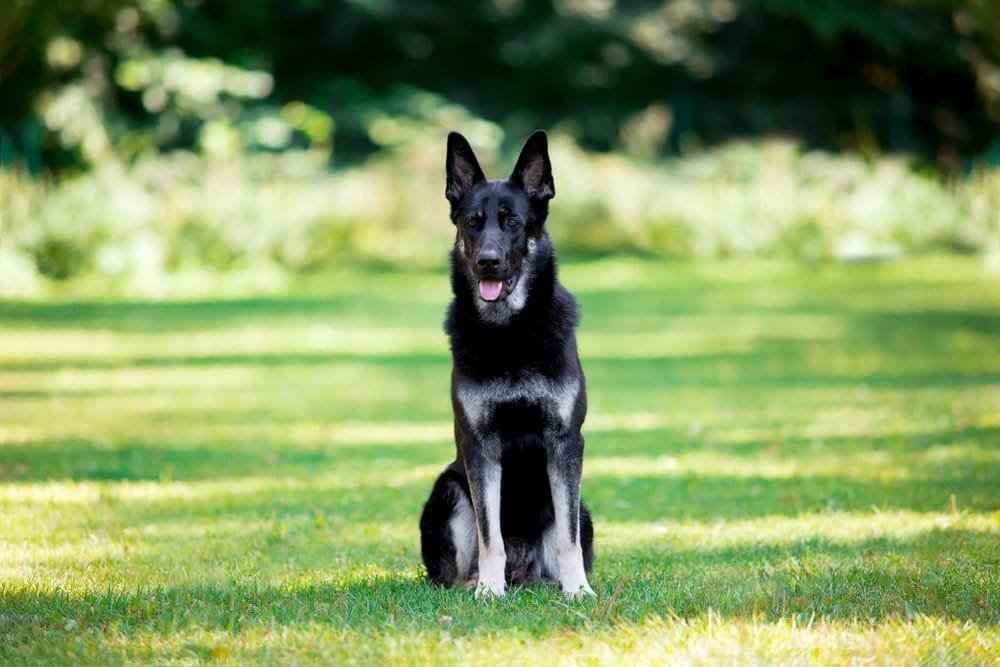
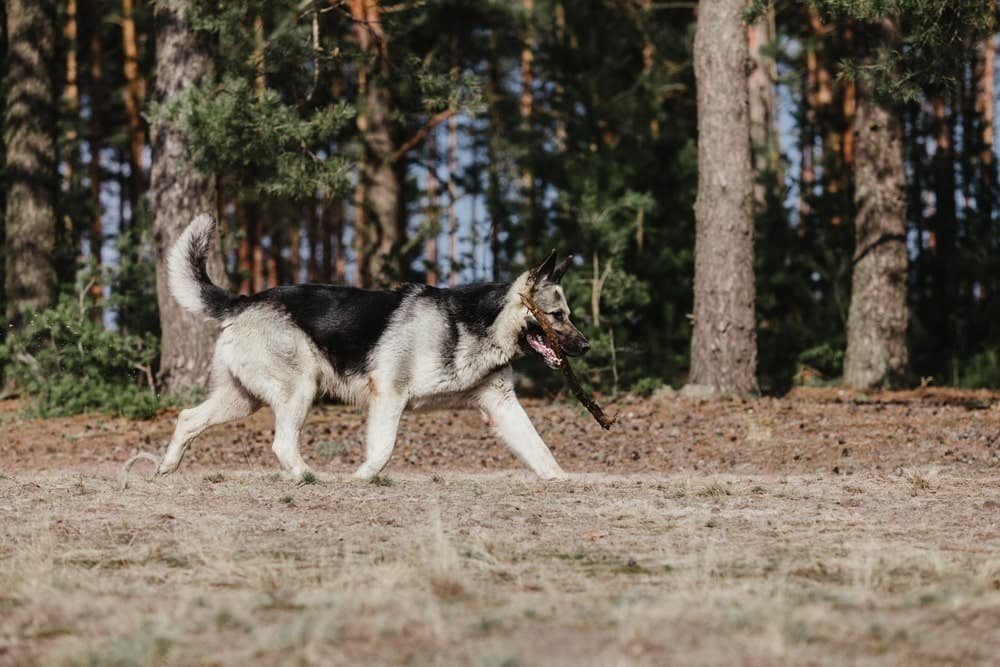
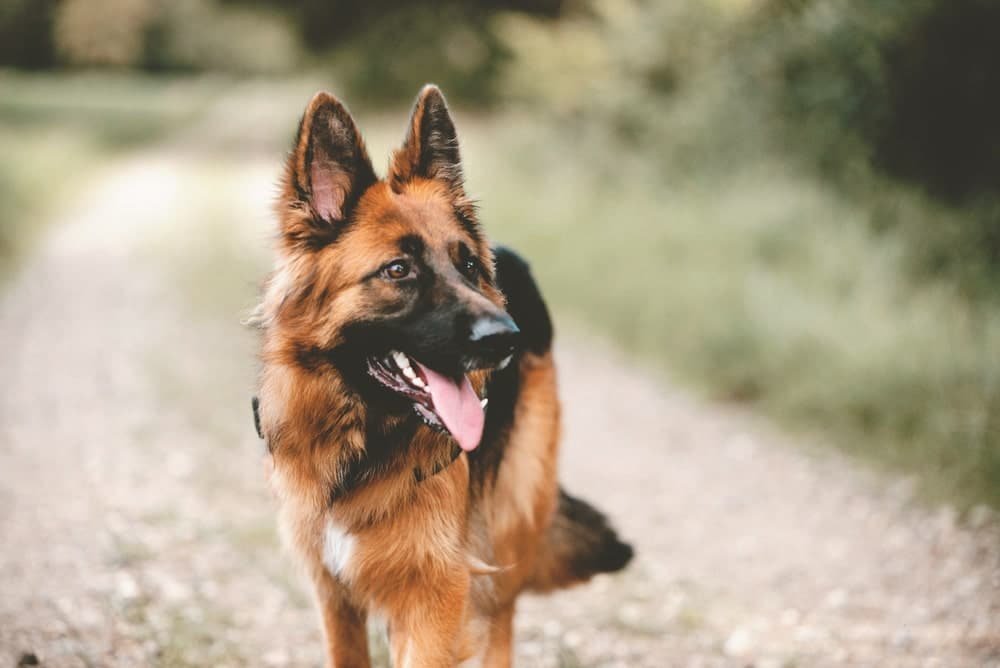
    German Shepherd dogs are among the most well-liked dog breeds in the world. They are renowned for their strong intelligence, tremendous energy, and loyalty. Despite their intimidating reputation, the majority of owners discover they are devoted, obedient, loyal, and loving family pets.

    German Shepherd dog breeds are bred as police dogs who work for search and rescue operations, and they are also military service dogs due to their intelligence. Returning soldiers from World War I talked so positively of this dog breed that its popularity soared in the country.

    Border Collie

    • Origin Country: UK
    • Time of Origin: 1570
    • Height: Males 50 to 53 cm, Females 47 to 52 cm
    • Weight: 15 to 20 kg
    • Lifespan: 12 – 15 years

    Not only is this herding dog adorable, but the Border Collie dog also exudes refinement. about a breed from the other side of the pond!

    The Border Collie is known as one of the smartest dog breeds, yet they also have adorable characteristics like floppy ears and expressive, bright eyes. Although they don’t have many feathery coats and short legs that may make them look cute they are.
    Cute Dog Breeds

    Shih Tzu

    • Origin Country: Tibet
    • Time of Origin: 16th century
    • Height: Up to 27 cm
    • Weight: 4 to 7 kg
    • Lifespan: 12 to 14 years

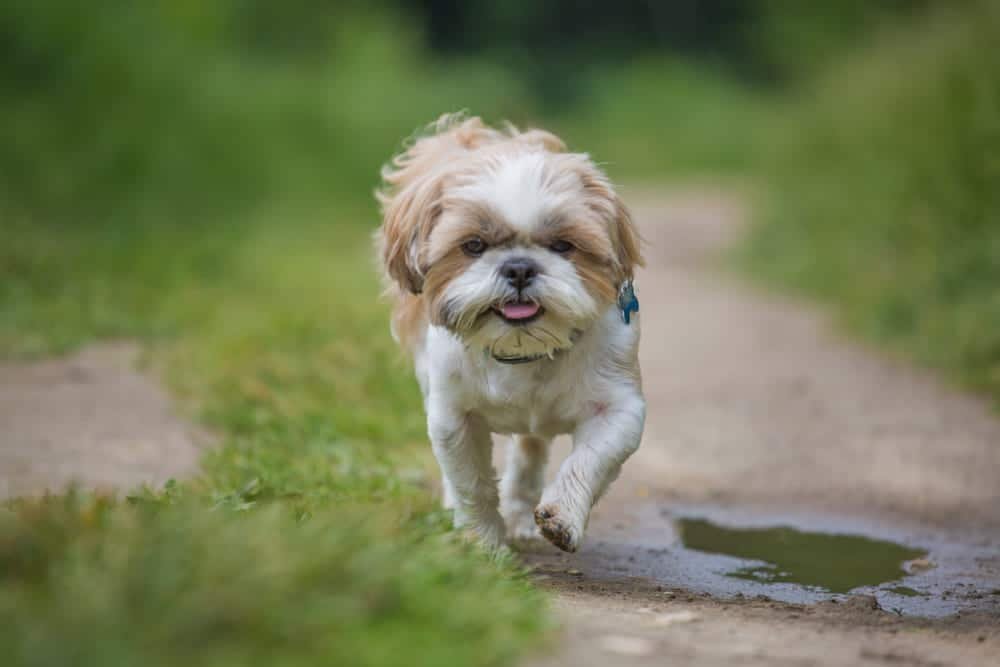
    If those soulful, big eyes, as well as floppy ears of Shih Tzu, do not do it for you, then its attitude will certainly do. With their cute eyes and floppy ears, you can stop yourself from loving these cute dog breeds.

    This dog breed is renowned for lavishing its owners with love and loyalty. With a flowing, long coat, usually with a nice ponytail on top, and a lovable personality, there isn’t a cuter canine companion out there than the Shih Tzu dog breed.

    Cavalier King Charles Spaniel

    • Origin Country: UK
    • Time of Origin: 17th Century
    • Height: 5.5-8 kg
    • Weight: up to 32 cm at the shoulder
    • Lifespan: 11 to 12 years

    These Cavalier King Charles Spaniel dog breeds are kind, and perceptive with a long, satiny coats and are prepared to “drown” anybody in sight with their charm. These enthusiastic, gregarious companions make wonderful family pets.

    These pups are familiar with their warm brown soulful eyes and silky ears, making these fun-loving dogs extra-adorable buddies.
    Cute Dog Breeds

    Australian Shepherds

    • Origin Country: USA
    • Time of Origin: 19th century
    • Height: males 51 to 58 cm, females 46 to 53 cm
    • Weight: males 25 to 30 kg, females 18 to 25 kg
    • Lifespan: 13 to 15 years

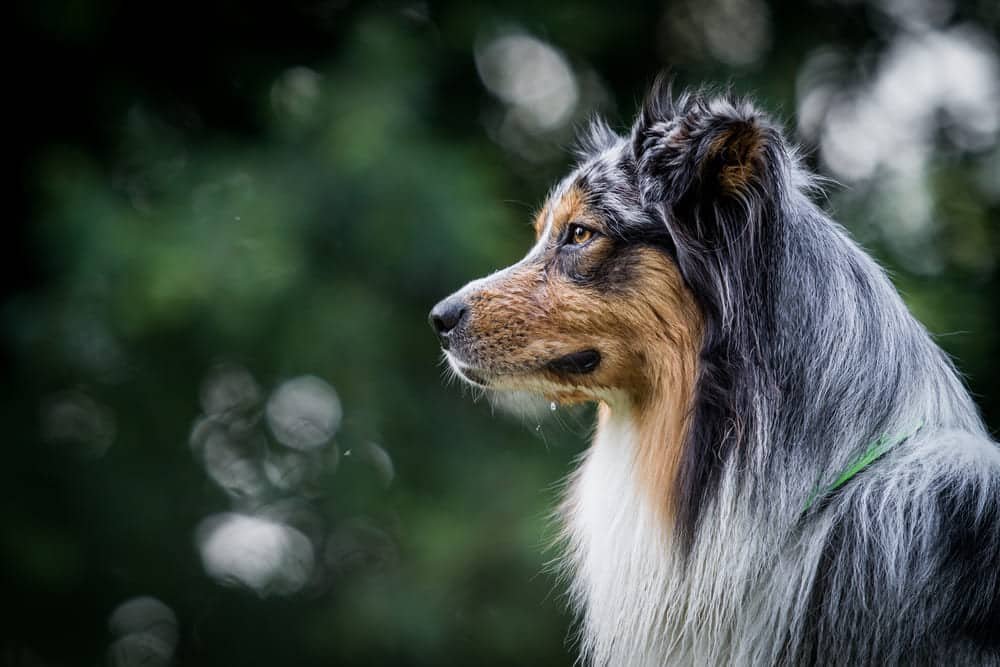
    The Australian Shepherd dog breeds are a beautiful blend of attractiveness and adaptability. These canines are renowned around the globe as dependable and devoted friends who will lift your spirits with their humorous behaviors.

    Australians are beautiful and intelligent. These sharp puppies enjoy having a task to do, thus, the people-pleasers quickly pick up new skills.

    Pembroke Welsh Corgi

    • Origin Country: UK
    • Time of Origin: 10th Century
    • Height: 25 to 30 cm
    • Weight: 9 to 13 kg
    • Lifespan: 9 to 12 years

    Although having a small physique, the Pembroke Welsh Corgi dog breeds are large dogs. Their soft butts! their adorable smiles! their expressive eyes! And their short coat! It makes sense why Queen Victoria chose this dog breed as her pet.

    Maltese

    • Origin Country: Italy
    • Time of Origin: Around 5900 BC
    • Height: males 21 to 25 cm, females 20 to 23 cm
    • Weight: 3 to 4 kg
    • Lifespan: 12 to 14 years

    The French monarchs like Maltese lapdogs, who have a glamorous charm that begs to be featured on the cover of a glitzy magazine. These snow-white fluffballs were pampered and groomed even at the worst periods for dogs, which had to have an impact on their personalities.

    The Maltese dog breeds have the greatest percentage in the game if cuteness is measured in pounds. Ancient Greek and Roman emperors were won over by the attractions of these extra-small canines.

    Cute Dog Breeds

    Bernese Mountain Dogs

    • Origin Country: Switzerland
    • Time of Origin: 2,000 years ago
    • Height: Males 64 to 70 cm, Females 58 to 66 cm
    • Weight: Males 35 to 70 kg, Females 30 to 45 kg
    • Lifespan: 7 to 10 years

    Bernese Mountain Dog is among the cutest extra-large dog breeds. Just take a peek at those piercing eyes and plush coat! As Bernese Mountain Dog breeds originate from the Swedish Alps, where their favorite pastime is to pull carts and sleds and interact with kids, the Bernese Mountain Dogs are certainly not lovers of hot weather.

    Labrador Retriever

    • Origin Country: UK
    • Time of Origin: 19th century
    • Height: males 56 to 57 cm, females 54 to 56 cm at the shoulder
    • Weight: males 27to 34 kg, females 25 to 32 kg
    • Lifespan: 12 to 13 years

    There are many things to appreciate about a Labrador retriever dog breed, including their lovely personalities and joyful smiles. For more than 20 years, according to the American Kennel Club, Labrador retriever dog breeds have been the most popular dog in the country. These dogs are friendly, good-natured, and very trainable. Nonetheless, they do like a busy home.
    Cute Dog Breeds

    Siberian Husky

    • Origin Country: Russia (according to FCI – USA)
    • Time of Origin: 1966
    • Height: males 53 to 60 cm, females 51 to 56 cm
    • Weight: males 20 to 28 kg, females 16 to 23 kg
    • Lifespan: 12 to 15 years

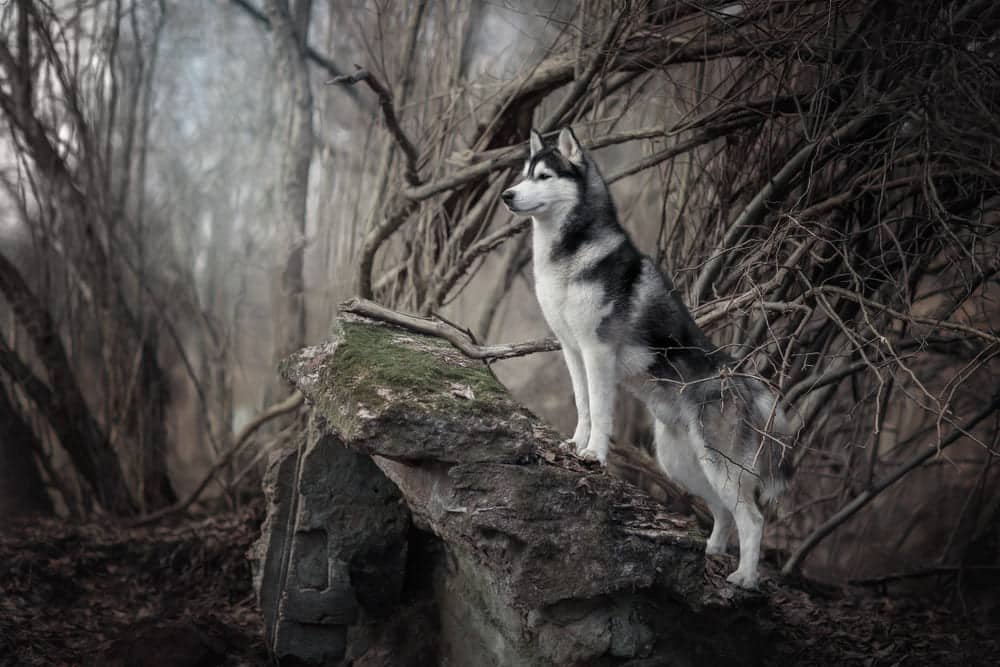
    The Siberian Husky dog is a magnificent sled dog that was developed in the Arctic. Those who love all things furry and wild will fall in love with huskies because of their distinct wolf-like appearance. The cooler weather and running through the snow are enjoyable to this enormous ball of fur. They are one of the cutest dog breeds

    Golden Retriever

    • Origin Country: UK
    • Time of Origin: 19th Century
    • Height: Males 26 to 41 kg, females 25 to 37 kg
    • Weight: Males 56 to 61 cm, females 51 to 56 cm at the shoulder
    • Lifespan: 12 to 13 years

    The calm, kind, and charming personality of golden retriever dogs fit their beautiful appearance. Golden retriever dogs consistently rank among the top dog breeds in the United States, which is understandable. They warm your heart while they’re pups, and they keep doing it as adults.

    Also, in case you love the puppy phase of Golden retriever dogs and don’t want the puppy stage to end, then here is some good news for you — these cutest dog breeds are among the slowest dogs to mature as soon as it comes to adolescent playfulness traits.

    Cocker Spaniel

    • Origin Country: England
    • Time of Origin: 14th century
    • Height: 14 to 15 inches
    • Weight: 20 to 30 pounds
    • Lifespan: 12 to 14 years

    In the 1950s, “Lady & the Tramp”, the Disney classic helped bring cocker spaniel dogs to public attention. Cocker spaniel dogs retain their adorable puppy features throughout their lives, including their long, floppy ears and also expressive eyes. These energetic dogs enjoy playing with the kids, going for walks, and spending time with their human families.

    Cairn Terriers

    • Origin Country: Scotland
    • Time of Origin: over 200 years ago
    • Height: 22 to 25 cm
    • Weight: 5 to 6 kg
    • Lifespan: 12 to 15 years

    The adorable breed of Cairn Terrier that portrayed Toto in “The Wizard of Oz” is well known. These pups, who have adorable raggedy coats and little, upright ears, are born celebrities. These are among the cutest dog breeds that one can have as a pet.

    Cute Dog Breeds

    Shiba Inu

    • Origin Country: Japan
    • Time of Origin: 3rd century BC
    • Height: males 40 cm, females 37 cm
    • Weight: males 9 to 14 kg, females 8 to 13 kg
    • Lifespan: 12 to 15 years

    These dogs adore running and running away, always seeking a location to express their outspoken and lively personality. They’re not the quickest to train and can be a little bit stubborn, but they are certainly playful and hilarious. Shiba Inu dogs are indeed hands-down among the cutest dog breeds you’ll ever see.
    Cute Dog Breeds

    Pomeranian

    • Origin Country: Germany
    • Time of Origin: 18th Century
    • Height: 18 to 22 cm at the shoulder
    • Weight: 1.4 to 3.2kg
    • Lifespan: 12 to 16 years

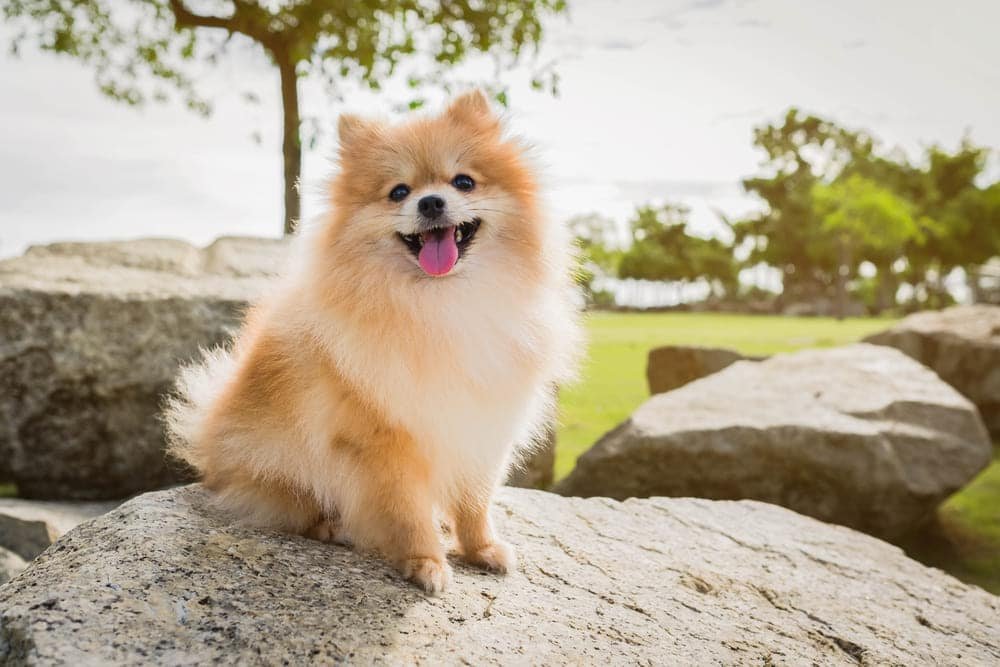
    The Pomeranian has a toy-like appearance. This cuddly bun will grow to be a true buddy and will make even the darkest day more cheerful with its sweet bark habit.

    The Pomeranian dog is a cute little fidget that can’t envision a life without vigorous outdoor walks.

    If this teddy bear detects an adversary among a passing stranger, it will bravely run to your defense.

    Cute Dog Breeds

    Beagle

    • Origin Country: England
    • Time of Origin: 16th-century
    • Height: Up to 38 cm
    • Weight: Up to 14 kg
    • Lifespan: 10 to 15 years

    One of the dog breeds that keep its puppy-like look is the beagle. The Beagle dog breeds make excellent hunting dogs, but did you know one thing that their ears can aid their noses to work better? Because of their flappy, long ears, beagle dogs are better capable of processing scent information.

    These breeds are often excellent for children and their families as well as require a busy household.

    Miniature Poodle

    • Origin Country: France and Germany
    • Height: large 45 to 60 cm, small 35 to 45 cm, dwarf 28 to 35 cm, toy 24 to 28 cm
    • Weight: large 20 to 30 kg, small 8 to 14 kg, dwarf 6 to 8 kg, toy ~ 2.5 kg
    • Lifespan: 12 to 15 years

    This hybrid puppy is the offspring of a tiny poodle and a Maltese. They are renowned for being animated, spirited, and downright cute. These cutest dog breeds are also known as Maltipoo.
    Cute Dog Breeds

    French Bulldog

    • Origin Country: France
    • Time of Origin: 19th Century
    • Height: 30 to 35 cm at the shoulder
    • Weight: 8 to 14 kg
    • Lifespan: 10 to 12 years

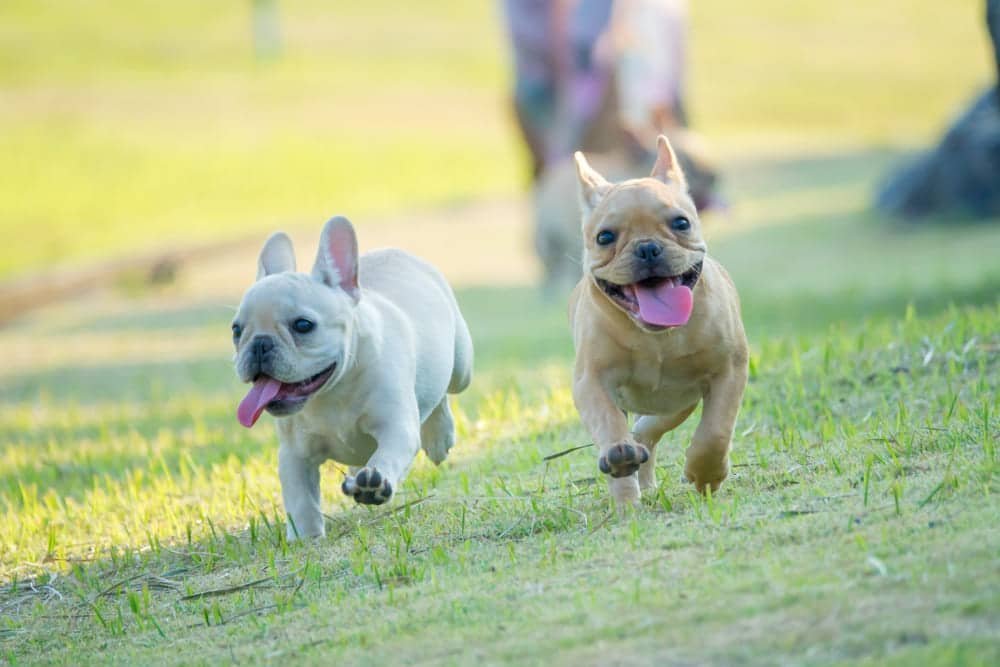
    French bulldogs were developed as miniature blankets of warmth for craftspeople working in chilly stores. The Frenchies kept them warm by sitting on their laps. Even now, such dog breeds enjoy being on the laps. These big-eared, scrunchy-faced puppies are devoted, friendly, and often get along with children and also other pets.

    It’s hardly surprising that Frenchies may be seen on practically every block in cities. The most adorable housemates you could have are the lazy, big-eared puppies. Also, they never forget to empty the dishwasher.

    Yorkshire Terrier

    • Origin Country: England
    • Time of Origin: the end of the 19th century
    • Height: 15 to 17 cm at the shoulder
    • Weight: 2 to 3.2kg
    • Lifespan: 12 to 15 years

    Yorkshire Terrier dogs were originally used as laborers in Victorian industries, but their exquisite (and hypoallergenic!) fur quickly won them a reputation as a lovable companion in affluent circles. If you are looking for one of the cutest dog breeds, you can consider adopting Yorkshire Terrier dogs.

    West Highland White Terrier

    • Origin Country: Scotland
    • Time of Origin: 1907
    • Height: males 25 to 30 cm, females 23 to 28 cm
    • Weight: males 7 to 10 kg, females 6 to 7 kg
    • Lifespan: 12 to 16 years

    Although the West Highland white terrier appears to be cuddly, it won’t stay on the laps for very long. The West Highland white terrier, among the cutest dog breeds, has a lot of energy and enjoys running after and pouncing on small fuzzy animals.

    Cute Dog Breeds

    Pugs

    • Origin Country: Ancient China
    • Time of Origin: 400 B.C.
    • Height: 28 to 32 cm
    • Weight: 6 to 8 kg
    • Lifespan: 13 to 14 years

    Pugs most likely first appeared in China around 400 B.C., where they were known as lo-chiang-sze or fu dogs. This scrunchy-faced pooch has persisted as a fan favorite for countless ages. In English, the word “pug” originally meant “a little cutie”. It began to signify “sprite,” “monkey,” or “imp” by the 1600s. Before the middle of the 18th century, “pug” simply meant “dwarf types of dogs.” Pugs are loving and enjoy playing silly games.

    FINAL WORDS

    Besides these 21 cutest dog breeds, there are also a few more dog breeds that are considered cute. For example, German shorthaired pointer, miniature American shepherd, basset hound, Dachshund, and so many more.

  • Dandie Dinmont Terrier Dog Breed Info – Dog Vet Expert

    The Dandie Dinmont Terrier is a type of small Scottish dog belonging to the Terrier family.

    The dog is in high demand mostly because of its appearance and its calm temperament. As per the research done on this breed, information has been obtained that the name of this dog breed has been obtained from a famous novel of the earlier time named Walter Scott represented as a dog lover in the novel.

    The Charming and Unique Dandie Dinmont Terrier

    The Dandie Dinmont Terrier is a fascinating small breed with a distinctive appearance, a rich history, and a friendly, independent spirit. Here’s what you need to know:

    Adaptability

    • Apartments: Excellent companions for apartment living due to their size, low exercise needs, and calm demeanor.
    • First-time Owners: A good choice for novice owners thanks to their intelligence, affectionate nature, and easy trainability.
    • Sensitivity: Moderately sensitive, they benefit from positive reinforcement and gentle handling.
    • Tolerate Being Alone: Not ideal for extended periods alone, as they crave companionship. Consider mental stimulation activities to prevent anxiety.
    • Weather Tolerance: Struggle in extreme cold but handle hot weather well.

    Friendliness

    • Family: Exceptionally affectionate and loving towards their family.
    • Children: Playful and gentle companions for kids, especially with proper training and supervision.
    • Dogs: Can be reserved around other dogs. Early socialization is key for promoting friendly interactions.
    • Strangers: Naturally friendly and welcoming to new people.

    Health & Grooming

    • Shedding: Practically non-shedding, making them ideal for allergy sufferers.
    • Drooling: Minimal drooling.
    • Grooming: Relatively easy grooming needs, requiring regular brushing and occasional trimming.
    • General Health: Generally healthy, but prone to some issues like glaucoma, spinal problems, and skin infections.
    • Weight Gain: Tendency to gain weight if overfed. Maintain a balanced diet and exercise routine.

    History

    • Origins: Developed in Scotland/England border region around the 1700s.
    • Purpose: Originally bred for hunting otters and badgers.
    • Name: Inspired by a fictional character in Sir Walter Scott’s novel “Guy Mannering”.
    • Rarity: Considered a rare breed today.

    FAQs

    • Price: $1500 – $3000 on average.
    • Lifespan: 12-15 years on average.
    • Weight: 8.2 – 11 kg (18-24 lbs)
    • Hypoallergenic: Yes.
    • Aggression: Generally not aggressive, known for their calm personalities.
    • Exercise Needs: Moderate daily exercise of 30-50 minutes is recommended.
    • Coat Type: Unique double coat with a mixture of hard and soft hair.

    Key Takeaways

    The Dandie Dinmont Terrier is a delightful companion with a distinctive look and captivating personality. Their low-maintenance needs, sweet nature, and playful spirit make them well-suited for various households. If you’re looking for a loyal, affectionate and unique dog, the Dandie Dinmont Terrier might be a perfect fit!

    Remember, responsible dog ownership includes understanding the breed’s history, temperament, and specific care needs. Be sure to research thoroughly and provide proper training, socialization, and a loving home for your Dandie Dinmont Terrier.

    Adaptability

    Adapt well to the apartment lifestyle (Rate: 3.5 out of 5)

    Just like most of the other small dog breeds, the dogs of this Dandie Dinmont Terrier are also found to be one of the most suitable dogs with large heads for an apartment lifestyle.

    Their small size and mild-mannered temperament, and most importantly, their affectionate nature for their owners and low need for exercise and play sessions make them one of the most compatible dogs for the apartment lifestyle.

    Now to keep the dog healthy and fit all the time, the owner should also put some effort into taking him for regular walking sessions to make him stay healthy and to make the pet well socialized as the dogs require this.

    Dandie Dinmont Terrier

    Good for the first time dog owners (Rate: 3 out of 5)

    The Dandie Dinmont Terriers are proven to be one of the perfect dog breeds for first-time dog owners.

    The dogs possess a kind of loving and affectionate nature towards their owners and have a high intelligence level, and are also very obedient; they use to perform their tasks and also follow the commands of their owners with utmost concentration and accuracy. Moreover

    The most significant fact due to which it was considered a good choice for novice owners is because of their low need for exercises, play sessions, and quality time with their canine; they don’t require much attention from their owner to stay happy and mentally active.

    Moderate sensitivity level (Rate: 3.5 out of 5)

    The dogs from the breed Dandie Dinmonts are one of those many terrier breeds which have a very moderate sensitivity level.

    These dogs are not so emotional and also don’t get anxious easily by some strict behavior of the owner; they have good control over them and can also manage their anxiety on their own.

    But sometimes, when the training sessions last for a much longer time, and the owner uses some negative reinforcement to make the dog learn things, he might be anxious and behave aggressively.

    So based on this, we can say that the dog has a moderate sensitivity level, so treating the pet with love and care is also necessary.

    Can’t tolerate being alone (Rate: 2.5 out of 5)

    The Dandie Dinmont Terrier has a very loving and affectionate nature towards its owners and is very attached to them.

    The dog doesn’t need quality time with his owner regularly for mental stimulation, but when he was kept alone for a long time, he started to get anxious, and as we all know, anxiety attacks can even be life-threatening for the canine; thus, long distances are not preferred.

    It’s better to keep some sources in front of the canine for mental stimulation by using which the dog can control his anxiety; this will eventually save the canine from such deadly anxiety attacks. But most importantly, it has always been suggested to dog owners to avoid keeping their Dandie Dinmont Terrier alone at home.

    Dandie Dinmont Terrier

    Not a good tolerant of cold weather (Rate: 2.5 out of 5)

    The Dandie Dinmonts fall under the category of those dogs which are not tolerant of cold weather outside. The dogs of this category face this problem mostly because of their type of coat.

    Sometimes there are fewer furs over the coat, or in some cases, the dogs possess a thin coat that can not absorb the cold outside for a longer time to prevent the dog from that low temperature.

    In such cases, it has been suggested to the dog owners to keep the canine warm and comfortable by using different types of sources like room heaters, woolen coats for animals, and many others.

    Adapt well to hot weather (Rate: 4 out of 5)

    The Dandie Dinmont Terrier is a good performer in hot and humid weather. The dog feels comfortable in its home environment, and the owners who have been an owner of this breed previously might know the fact of how well the canine performs in hot and humid weather and how actively he performs all the tasks.

    But the fact to notice here is that just because the dog remains active in hot and humid weather, if you keep the training sessions of the canine longer, then the regular exercise will affect the immunity level of the canine, which can make the pet weaker. Thus it is better to keep the training sessions and the daily works of the canine as per the needs of the canine’s body.

    Dandie Dinmont Terrier

    Friendliness of the Dandie Dinmont Terrier

    Affectionate toward the family (Rate: 4 out of 5)

    The Dandie Dinmont Terriers are proven to be friendly and affectionate towards the whole members of the owner’s family and have very good manners.

    Most of the time, the characteristics of the breed don’t matter when it comes to the temperament of the canine.

    The way the canine is raised and the environment the pet has been living in since his childhood will matter the most when it comes to the affectionate and loving nature of the canine.

    If the canine is receiving love and care from the owner’s family from the very first time, then he will be affectionate towards the owner’s family as dogs are popular as one of the most loyal animals.

    They will always be loyal to the ones who show love and care to them. So, it simply means that the way the owner’s family members will behave with the canine will decide how loving and affectionate the canine is going to be with them.

    Friendly with the kids (Rate: 3.5 out of 5)

    The Dandie Dinmont Terriers are proven to be one of the best companions for children, which makes them a good choice for the home.

    They possess a very calm kind of nature, due to which they even don’t get disturbed by the loud noises outside and try to keep the child engaged and safeguard the kid all the time.

    Keeping the canine with the kid can even make the canine happier and healthier because the playful nature of the persons near them makes them stressed free, but for all this, the dog will require obedience training.

    Dandie Dinmont Terrier

    Not familiar with other canines. (Rate: 3 out of 5)

    The Dandie Dinmont Terriers are not so effective and friendly towards other animals, especially canines.

    This might be mainly because of the feeling of being threatened by the other canines, whereas this can also be because of the less practice of getting sociable with other canines.

    If the terrier has such habits of being not friendly with other canines, then the dog owner should simply go for giving walking sessions to the canine, which will make the canine used to the fact of being friendly with other pets and animals and will make the canine more sociable.

    Now the fact to notice here is that the friendliness nature of the canine might be present in it from the very childhood due to genetic traits; in such cases, the owners don’t have to put much effort into the daily walks, but if the canine is not friendly with other pets and animals then only the dog owner have to put efforts to make the canine-friendly with other pets.

    Friendly with strangers (Rate: 3 out of 5)

    The Dandie Dinmonts from the terrier’s breed club is one of those dogs which are very friendly with strangers.

    The main reason behind this is that dogs have a habit of being around humans from childhood, and they are aware of the fact that humans are the ones who love them and even feed them while they are hungry, which is the main reason the dog is attracted to any of the humans they see in front of them.

    Dandie Dinmont Terrier

    Health and grooming requirements of the Dandie Dinmont Terrier

    Amount of shedding (Rate: 5 out of 5)

    The dogs from the dinmont terrier club are one of those dogs which does not shed at all; this eventually means that keeping this dog at home is one of the safest choices for owners who are infectious to such kinds of things.

    But the fact to notice here is that just because the canine does not shed, it doesn’t mean that there are no grooming requirements for the canine.

    The dog is mostly available in dark bluish-black and light silvery gray colors. Grooming session regularly is also necessary for the individual dog to remove the splitters from the hair and to keep the hair nourished and moisturized by stimulating the release of essential oils in the scalp of the canine.

    Drooling potential (Rate: 3.5 out of 5)

    The dogs from the Dandie Dinmont Terrier club have a very low drooling potential as compared to other breeds, which means that the dog owners don’t have to suffer from the problems of unnecessary spots on the couches and pillow covers.

    So based on this, we can say that these terriers from the Dandie dinmont terrier club are one of the best choices to go with for dog owners who are infectious and intolerant of the dirtiness of the canines. As in the case of this dog, the dog owner doesn’t have to put much effort into maintaining the cleanliness of the environment of the home.

    Dandie Dinmont Terrier

    Easy to groom (Rate: 3.5 out of 5)

    The Dandie Dinmont terriers of the terrier breed clubs are one of those dogs which are easiest to groom.

    The dog doesn’t shed due to hard hairs, but this doesn’t mean that the canine doesn’t have any grooming requirements to limit the growth of the canine to one-third of soft hair and to give the canine a clean appearance to put a positive impact on others. Daily brushing is necessary

    The main requirement of grooming for Dandie dinmont’s terriers is to prevent the bacteria and infectious particles from getting trapped in the follicles of hair of the canine, which can lead to dead cells, dead hair, and hair fall that will eventually lead to skin issues to the canine which can make the pale fawn color look more fade.

    The general health of the Dandie Dinmont Terrier (Rate: 4 out of 5)

    The Dandie Dinmont terriers are found to get affected by a couple of diseases during their entire life. These diseases might not spread to the offspring produced from the canine but can cause a lot of trouble to the canine itself if it remains untreated for a long time, especially in the adult dog.

    The health issues that the dog named dinmont terriers suffer through include Cheyletiella mites infections, intervertebral disk disease, spinal problems, and Glaucoma.

    The owners are strictly suggested to go for a vet visit in such cases instead of going for any kind of home remedies for saving the pet from life-threatening health problems which can affect its living conditions.

    Weight gain (Rate: 3 out of 5)

    The Dandie Dinmont terriers, just like other breeds of small dogs, gain weight whenever they lose control over the diet.

    It is common in cases of all canines that small dogs will be an effective weight gainer when unnecessary meal times are introduced into the diet of the canine, and the canine will get to eat nutritious enriched food products more than the requirement of its body.

    Overeating may lead to obesity, loss of appetite, and many other issues which can be very difficult for the canine to handle. Thus it is better to keep the diet of the canine according to the requirements of its body and give moderate canine exercise.

    Dandie Dinmont Terrier

    Breed history of the Dandie dinmont terrier

    Dog owners need to know about the breed history of the canines they are planning to adopt, as it will help the owner to know about the health of the canine and its basic needs.

    The main purpose of creating this dog breed is to serve the border country during the world war, as they are one of the strongest dogs of that time. The puppy’s parents might have transferred this trait through the genes.

    As per the research done, the breed was first discovered and originally bred on the border of the United States and Scotland and was noted as a distinct breed in early 1700 by the kennel club as a breed of the dinmont terrier club.

    The name of this breed was derived from a fictional character from the novel by Sir Walter Scott mentioned in the history of the American kennel club.

    There was no such great evidence regarding its general health available in the breed history of the canine, so to get the information regarding its health, the owner had to go for a detailed health checkup of the canine.

    Dandie Dinmont Terrier

    FAQ’s

    1. What is the price of the Dandie Dinmont Terriers?

    The Dandie Dinmont Terriers are now available at a range of $ 1500 to $ 3000. It may also differ depending on the several health factors of the canine and the breed standard.

    2. Are the Dandie Dinmont terriers rare species?

    The Dandie Dinmont Terriers are one of the rare species among the breed terriers; these are mainly bred for hunting. Being rare in number every year, many Dandie Dinmont Terriers get into pet rescue centers and care shelters.

    3. What is the average life expectancy of a Dandie Dinmont Terrier?

    The average lifespan of a Dandie Dinmont Terrier is around 12 – 15 years, but it will also differ depending on the health of the canine and its immunity level.

    4. Where the Dandie Dinmont Terriers originated?

    The Dandie Dinmont Terriers originated from Scotland in the United Kingdom.

    Dandie Dinmont Terrier

    5. How much is the approximate weight of the Dandie Dinmont Terrier?

    The Dandie Dinmont Terrier weighs around 8.2 to 11 kg, whereas it may also exceed this depending on the diet of the canine.

    6. Are the Dandie Dinmont Terriers Hypoallergenic?

    Yes, the Dandie Dinmont Terriers are completely hypoallergenic, and it may mainly be because of the type of coat they possess.

    7. How can you find a Dandie Dinmont Terrier to adopt?

    You can find a Dandie Dinmont Terrier for adoption from animal shelters and dog rescue groups.

    8. Are the Dandie Dinmont Terriers aggressive in nature?

    The Dandie Dinmont Terriers are usually not aggressive; they are very calm and composed and always used to listening to the owner’s commands.

    9. How much exercise should a Dandie Dinmont Terrier get per day?

    To maintain the regulation of energy in the body of the canine and to keep the bowel movements in control, the dog owner should go for giving exercise sessions of almost thirty to fifty minutes per day to the canine, just like most terriers.

    10. What is the coat type of the Dandie Dinmont Terrier?

    The Dandie Dinmont Terriers usually possess thick coats with heavy and a mixture of hard and soft hairs.

  • 25 Most Dangerous Dog Breeds In The World

    Dogs are considered to be domesticated and the most loyal animals. The dog is the most domesticated animal by humans. Because they are sociable and understanding. Thousands of years ago, when the human race started developing, then the first animal that was domesticated by humans was the dog.

    The World’s Most Dangerous Dog Breeds: Understanding Risks and Responsible Ownership

    While any dog can become aggressive under the wrong circumstances, certain breeds possess inherently higher tendencies towards aggression and danger due to their history, size, or temperament. Here’s a breakdown of the top 25 dangerous breeds and key points to remember:

    Dangerous Breeds

    • Small but Mighty: Dachshund, Chihuahua, Cocker Spaniel, Jack Russell Terrier, Papillon. These small breeds can be surprisingly aggressive, particularly if not properly trained and socialized.
    • Hunting Heritage: Chow Chow, Alaskan Malamute, Siberian Husky. Breeds developed for hunting often have a high prey drive and a strong independent streak.
    • Guarding Instincts: Doberman Pinscher, Boxer, Bullmastiff, Akita Inu, Cane Corso, Rhodesian Ridgeback, Giant Schnauzer. Bred for protection, they can be territorial and wary of strangers
    • Fighting Background: American Pit Bull Terrier, Bull Terrier, Perro de Presa Canario, Tosa Inu, Dogo Argentino, American Bulldog, Brazilian Bulldog, Gull Dong, American Bandogge. Historically used in dogfighting, these breeds have a predisposition for aggression.
    • Wolf Hybrids: Hybrids between dogs and wolves are unpredictable and can possess strong predatory instincts.

    Key Takeaways

    • Breed Tendencies: Understanding a breed’s history and temperament is crucial before choosing a dog. Certain breeds require experienced owners who can provide strong leadership and extensive training.
    • Early Socialization: Socializing puppies from a young age with various people, animals, and environments helps prevent aggression and fear-based behaviors.
    • Responsible Ownership: Proper training, adequate exercise and mental stimulation, a secure environment, and responsible handling are essential for minimizing risks with any dog breed.
    • Warning Signs: Growling, snapping, resource guarding, and tense body language are signs of potential aggression that should be addressed immediately.
    • Not All Dogs Are Equal: Every dog is an individual. A dog’s upbringing and environment significantly impact its behavior, regardless of breed.

    Important Considerations

    • Research Before Adopting: Thoroughly research any breed you are considering, and honestly assess whether you can fulfill its specific needs.
    • Training is Essential: Obedience training and ongoing socialization are necessary for all dogs, but particularly important for breeds with higher aggression potential.
    • Seek Professional Help: Never hesitate to consult a certified dog trainer or behaviorist for guidance, especially if you notice concerning behaviors in your dog.

    It’s crucial to remember that while some breeds carry greater inherent risk, responsible ownership, training, and understanding can make a significant difference in mitigating dangerous behaviors and raise well-adjusted dogs of any breed.

    List Of 25 Most Dangerous Dogs In The World

    Many people in the world are fond of keeping dogs. Nowadays, many people have kept a dog at home, but let us tell you that before keeping a dog at home, one should know about its breed.

    Some dogs are very dangerous and some dogs are very gentle. Today we will tell you about the 25 most dangerous breeds in the world.

    Dachshund

    Surprise! According to a recent study, this small burrowing dog has been voted the most aggressive breed in the world. And even though the dachshund can’t seriously harm a person, no matter how hard it bites, this little monster is known for its hatred toward strangers.

    As it turned out, one out of 5 dachshunds bit a stranger at least once in their life, and one out of 12 attacked their owner.

    American Pit Bull Terrier

    Dogs of the American Pit Bull Terrier species are the most dangerous and aggressive dogs. Its weight varies between 16 to 30 kg. Many countries have banned these dogs around the world.

    American pit bulls are still bred in many countries such as America. However, with better training, you can prevent their aggression. In 2015, 28 people have been confirmed killed by pit bulls in the US alone. So, pit bulls are one of the most dangerous dogs breeds out there.

    Chihuahua

    Dangerous Dog Breeds

    Chihuahua dogs peaked out for being moderately bold on some measures. However, they were typically among the “often aggressive” types.

    They were only chosen on this list because most other dogs such as pugs, border collies, and Cavalier Spaniels—were all measured as “never aggressive” or “seldom aggressive.”

    Bull Terrier

    Bull Terriers belong to the family of hunting dogs. The head of this dog is round like an egg. This dog species is a dog with a very agile and strong muscular body.

    Dogs of Bull Terrier species prove to be very fatal for other dogs and animals. The average weight of Bull Terrier dogs is 65 pounds. The height of a Bull Terrier dog ranges from 21 to 23 inches.

    Rottweiler

    Dangerous Dog Breeds

    Dogs of this species are not only powerful, but at the same time they are experts in biting someone very fast. In the year 2014, 3 people died due to the bite of a Rottweiler in America.

    And between 1993 and 1996, many people died due to dog bites in America, in which Rottweilers were responsible for more than half of the deaths. It can bite someone with a pressure of 1460 Newton i.e. 148 kg.

    Its weight is between 35 to 48 kg. This dangerous dog breed has been banned in many countries around the world.

    German Shepherd

    Dangerous Dog Breeds

    German Shepherds are among the most dangerous dog breeds in the world. Usually, these dogs are used for police, security, and the army, because this dog has a very high sense of smell, and also specialize in long walks and play. These dogs are quite violent and aggressive.

    Despite their low weight, these dogs are known worldwide for their confidence and fearlessness. And when it bites someone, it attacks with a pressure of 108 kg, due to which it is difficult for anyone to survive.

    Their weight ranges from 30 to 40 kg, and their height ranges from 22 to 26 inches. In many countries, keeping these dogs has been banned.

    Huskies

    Dangerous Dog Breeds

    Husky species of dogs are dangerous as well as extremely intelligent. They are also known as sled dogs, which are adept at pulling a vehicle without wheels on snowy plains. When it is in an aggressive mood, it can kill anyone.

    Between 1979 and 1993, 15 people died in America due to dogs of this species. Their weight is between 20 to 27 kg.

    Alaskan Malamutes

    Dogs of the Alaskan Malamute species are found in North America. Similar in size to wolves, the Alaskan Malamute weighs between 34 and 49 kg. Dogs of this species are intelligent as well as full of energy and aggression.

    According to the University of Texas study, between 1966 and 1980, 5 people died due to the bite of this dog. Their weight ranges from 36 to 43 kg.

    Chow Chows

    Dogs of the Chow-Chow breed are found in China, and although they are quite calm, they are equally dangerous. So Chow-Chow is also included in the list of the world’s most dangerous dog breeds. Their biggest feature is that they do not allow anyone to come near them without their consent.

    Despite being small-sizes, they can also be ferocious at times; historical research found chow chows in the top 8 aggressive dog breeds responsible for death due to dog bites.

    Doberman Pinschers

    Dogs of the Doberman Pinscher breed are generally bred for protection. These dogs are mostly seen near the police and army. These dogs help catch thieves.

    Nowadays many people have started keeping these dogs at home as well. These dogs become aggressive when they see strangers, but they calm down within minutes after seeing their owners.

    Boxer

    Dogs of this species are used as guard dogs. The Boxer breed is also said to be the descendant of hunting dogs. They can make anyone their prey with their strong jaws.

    These dogs are of a protective breed. The height of these dogs is 60 cm. And their weight is up to 30 kg. These dogs are the best choice for security-oriented families. However, since they were originally bred to be guard dogs, they sometimes become very aggressive.

    Bullmastiffs

    Bullmastiffs are smart, athletic, energetic dogs. By nature, they are quite dangerous and can be fatal if not taken care of properly. Bullmastiffs are commonly employed as guard dogs because of their even-tempered demeanor.

    These dogs can become reliable and obedient with consistent training from an early age. Bullmastiffs killed 14 people between the period of 2005-2017.

    Wolf Hybrid

    Some species of wolf hybrid dogs are made from the hybridization of wolves and dogs. One such species is the Wolff hybrid. Breeding of dogs of this species has been banned in many states of America because they can attack anyone.

    According to statistics, between 1979 and 1998, 14 people died in America due to the bite of dogs of this species. Their weight ranges from 36 to 56 kg.

    Perro de Presa Canario

    Presa Canario is also included in the list of the world’s most dangerous dog breeds. This dog is found in Africa, and its biggest feature is that it weighs as much as the youngest human being, which means these dogs weigh 60 to 70 kg. Now can you imagine if it attacks a human or an animal, is it possible for it to escape?

    Akita Inu

    Originally bred for guarding nobility and royalty in ancient times in Japan, as per Dog Time, the Akita Inus is now famous as a faithful, fearless, and fluffy dog breed. But since this breed was developed to protect and guard, Akita Inus will become aggressive quickly if they are not trained properly.

    Great Dane

    Dangerous Dog Breeds

    If dogs of this species are trained properly, they can prove to be excellent pets in terms of security. But in the absence of training, they become very dangerous.

    For this reason, they are also known as Killing machines. Their weight varies between 54 to 90 kg.

    Alapaha Blue Blood Bulldog Otto

    Alapaha Bulldogs are similar in appearance to American ones. The breed originated in the United States thanks to a dog recovery program from the state of South Georgia. Just like other bulldogs out there, these dogs can also be dangerous. So, you should properly train them from an early age.

    American Bulldog

    The American Bulldogs are well-balanced muscular dogs that display great endurance, strength, agility, and also a friendly attitude. Historically, American Bulldogs were bred as utility dogs to be used for farm work. American Bulldogs have reportedly caused 15 deaths (3.5%) between the period 2005–2017.

    Brazilian Bulldog

    Brazilian Bulldogs, or Campeiro Bulldogs, are descendants of an extinct breed of Old English Bulldogs, they were bred in the 16th century.

    Dogs were used as household helpers and as shepherds of sheep and bulls. These are very powerful and hardy dogs with sharp hearing and a developed mind. Often they can act like the most dangerous breeds.

    Gull Dong

    Gull Dongs are from Pakistan and it also known as Pakistani Bulldogs. Gull dongs are common in Asian countries: Afghanistan, Pakistan, and India. This is a large and aggressive dog, which was previously used to bait large and wild animals, such as bears. Just like other bulldogs, Gull Dongs can also be dangerous.

    Jack Russell Terrier

    Small breeds compensate for their small size with aggressiveness. It is one of the most aggressive dogs in the world. The Jack Russell Terrier is a terrier and that says it all: terriers don’t tolerate rough handling at all and will fight back fiercely. Therefore, watch out for children who can play quite brutally with four-legged pets.

    Tosa Inu

    It is also known as Japanese Mastiff and Tosa Ken. This dog is also called Rare Breed Dog. These dogs are considered very dangerous. They are used in Japanese Dog Fighting. Its weight is 61 kg and its height is 32 inches.

    In Japan, this dog is said to be as powerful as a sumo wrestler and this is the reason why this dog has been completely banned in Ireland, Germany, Australia, and New Zealand.

    Dogo Argentino

    Dogo Argentino is also included in the list of the most dangerous dog breeds in the world. These dogs are loyal, independent, and full of energy. These dogs were used for hunting.

    These dogs are banned in the UK and many other countries because of their aggressiveness towards humans and other animals. Their lifespan ranges from 9 to 15 years. Their weight is 45 kg and their height is 70 cm.

    Cocker Spaniel

    Cockers are one of the most beloved family pets. They protect their owners well, but not so much to call them aggressive. Nevertheless, Cocker Spaniels made it into the list of dangerous dogs thanks to a genetic disease: some dogs of this breed are prone to “rage syndromes.”

    It is a very dangerous disease that generally causes dogs to attack their owners all of a sudden. If a spaniel develops this disease, then the only way out, unfortunately, is to euthanize the animal.

    Caucasian Shepherd Dog

    This breed is over two thousand years old. These dogs were originally bred to protect herds of sheep from predators. These dogs were brought up with endurance, physical strength, confidence, and fearlessness.

    Their thick and waterproof coat allows them to exist in the most uncomfortable conditions. Since these dogs were originally bred to protect the herd, they often become aggressive.

    Akbash

    Akbash is an ancient breed of dog, bred in Turkey about three thousand years ago. The name translates as “white head”, they were used as shepherds and watchmen. Since Akbash dogs were bred to be watchdogs, they naturally have aggressiveness in them.

    Papillon

    This decorative stylish dog bites very hard! Papillons are especially aggressive towards children because they get irritated very quickly and will not tolerate any bullying. In addition, Papillons are possessive and actively protect their owners, which can lead to attacks on outsiders.

    Giant Schnauzer

    Not only are Giant Schnauzers aggressive (especially towards other dogs, but towards strangers too), but they are also quite large dogs, which makes them twice as dangerous as any of the breeds mentioned above!

    Moreover, this service breed requires special training, and, accordingly, it needs special control. Because of their large size and loud, intimidating bark, Giant Schnauzers are considered good guard dogs.

    American Bandogge

    The American Bandogge is a gladiator dog, this breed was bred specifically to participate in dog fights. This is an American breed, it was obtained by crossing the American Pit Bull Terrier with the American Staffordshire Terrier and the Neapolitan Mastiff.

    Rhodesian Ridgeback

    Normally, Rhodesian Ridgeback dogs are not dangerous or aggressive. However, they’re certainly curious with a rude personalities and are independent-minded. Often, they may show aggression toward humans or other dogs by barking.

    Cane Corso

    While Cane Corso dogs aren’t dangerous generally, their strength and size can make some trouble if not properly trained. These dog breeds need significant time on them to socialize properly. They are not keen on outsiders, including other dogs, thus, you need to train them properly so that they learn how to behave in public.

  • Danish Swedish Farmdog Breed Information – Dog Vet Expert

    The Danish Swedish Farmdog is a native breed from eastern Denmark and southern Sweden.

    Understanding the Danish-Swedish Farmdog

    The Danish-Swedish Farmdog is a fascinating breed with a rich history and a playful, affectionate personality. Here’s a breakdown of their key characteristics and what it takes to care for them:

    Adaptability

    • Apartment Living: Highly adaptable, can thrive in apartments with sufficient exercise and stimulation.
    • Novice Owners: Excellent choice for first-time owners due to their easygoing temperament and trainability.
    • Sensitivity: Moderately sensitive, requiring positive reinforcement and gentle handling.
    • Tolerates Being Alone: Handles being alone relatively well, but companionship is crucial for their happiness.
    • Weather Tolerance: Adapts well to both cold and hot weather thanks to their double coat.

    Friendliness

    • Family: Very affectionate and devoted to family members.
    • Children: Playful and gentle companions for children.
    • Other Dogs: Generally dog-friendly, especially with early socialization.
    • Strangers: Can be reserved around strangers, but early socialization promotes friendliness.

    Health & Grooming

    • Size: Medium-sized, making them manageable for various living situations.
    • Weight Gain: Might gain weight easily if their diet isn’t monitored.
    • General Health: Generally healthy, but prone to some common canine health issues.
    • Grooming: Relatively low maintenance grooming needs.
    • Shedding: Moderate year-round shedding requires regular brushing.

    Trainability

    • Wanderlust: Low tendency to wander due to strong attachment to their owners.
    • Easy to Train: Highly intelligent and eager to please, making training enjoyable.
    • Mouthiness: May have a chewing habit, especially when bored or anxious.
    • Barking: Can be vocal, sometimes barking out of anxiety.

    Physical Needs

    • Energy Level: High energy, requiring ample daily exercise
    • Exercise Needs: Needs around 1.5 hours of exercise per day, depending on individual dog.

    History

    • Origins: Developed in Denmark and Sweden in the 1700s from Pinscher and Terrier breeds.
    • Purpose: Originally bred for hunting rodents and guarding farms.
    • Rarity: Considered a rare breed, especially in the United States.
    • Recognition: Recognized by the AKC in 2011.

    Appearance

    • Medium-sized with a smooth, short coat.
    • Predominantly white with possible markings.
    • Triangular head and expressive eyes.

    FAQs

    • Lifespan: 11-13 years on average.
    • Price: Can cost around $500 and up.
    • Aggression: Generally not aggressive, but may become defensive if threatened.

    Key Takeaways

    • The Danish-Swedish Farmdog is a delightful companion with a cheerful disposition and adaptable nature.
    • They make excellent family dogs due to their affectionate nature and playfulness with children.
    • Early socialization is important to promote friendliness towards strangers and other dogs.
    • Their high energy levels require consistent exercise and mental stimulation.
    • Regular grooming and a balanced diet will help maintain their health and well-being.

    If you’re looking for a loyal, energetic, and easy-to-train dog, the Danish-Swedish Farmdog could be the perfect fit for you!

    Adaptability

    Adapts Well to Apartment Living (Rate: 3 out of 5)

    The dogs from the breed Danish Swedish Farmdogs are found to be easily adaptable to the apartment lifestyle.

    The dog is medium-sized but has a unique type of temperament, which make them easily adaptable in any kind of environment, just like small pets. They can do well in both narrow spaces and places like a large green field.

    But the only thing we have to notice in the case of this Swedish Farmdog is that to make the canine fully comfortable in a narrow place; the owner has to go for giving necessary resources to the canine-like playing toys and treats for mental stimulation the canine.

    Good For Novice Owners( Rate: 4.5 out of 5)

    The Danish Swedish Farmdogs are found to be one of the best family companions among all the other pets. The high-energy dog with a very easygoing personality makes this canine one of the best companion dogs and a perfect choice for novice owners.

    The high level of intelligence of the farm dog makes them capable of grabbing new skills in a very rapid manner, due to which they behave very pleasingly as compared to other dogs during the training procedure. Hence it is good for novice owners.

    Sensitivity Level (Rate: 3.5 out of 5)

    An excellent companion to humans, Swedish Farmdog, has a very moderate kind of sensitivity level. The dog is affectionate towards the family member and his owners but doesn’t use to get aggressive over certain strict behaviors of the owner like other animals.

    This new breed requires a responsible breeder who can understand their living conditions and can treat them the way it needs for mental stimulation of the canine. It is less sensitive but using negative reinforcement might cause stress and harm to its mental health. Thus it should be strictly avoided.

    Tolerates Being Alone (Rate:4 out of 5)

    This American kennel club-recognized breed, the Swedish Farmdog, is found to be one of the calmest pets when kept alone at home. This dog maintains a high breed standard than all the other animals, which lets them have control over their destructive behavior by doing activities on their own.

    Even if the dog is fully developed and well trained, then also the canine can get destructive if his level of tolerating being alone is exceeded, which can lead to a major loss of the canine’s owner. Thus, it’s better to keep the canine in a crate while leaving with all the required equipment.

    Tolerates Cold Weather (Rate: 3.5 out of 5)

    This best companion dog, danish Swedish, can tolerate cold weather more than any other breed without getting any type of health issues. This is mainly because of the breed’s coat type; generally, the coat of the canine protects the dog from the weather outside.

    These Swedish Farmdogs have a type of coat with double layers of fur over it; this double-layered coat traps the cold weather outside and keeps on insulating the skin of the canine to protect it from the weather outside and to avoid health problems.

    Tolerates Hot Weather (Rate: 3 out of 5)

    This Swedish Farmdog is also found to be a good performer with a moderate amount of energy in the hot weather, too, just like the small dogs. The main reason behind the good performance of the canine in hot weather is its double-layered coat which traps the hot weather outside and protects the canine from it.

    But, the owner should take care of the fact that the period of the training sessions of the canine should be less than the other breeds during the summer season. As there are more chances of the dog getting heat strokes in the summer season if it keeps on doing activities for more than usual.

    Friendliness

    Affectionate with Family (Rate: 4 out of 5)

    The Swedish Farmdog is considered one of the rare breeds which possess a very affectionate kind of nature towards their owners. The way the small dog urges to cuddle with their owners all the time, they also tend to do the same.

    Not only the owner but this Swedish Farmdog also is affectionate towards the whole family and puts joint efforts and does their best to be pleasing and satisfy the owner in all aspects.

    Child-Friendly (Rate: 3.5 out of 5)

    This Swedish Farmdog from the pinscher family is found to be one of those dogs which are a better companion for children than most of the other breeds. The dogs are found to be great performers near the children; they are playful and active and are also efficient in keeping the child engaged.

    Like most of the old breed dogs, these dogs are also used to protect the child if they detect any kind of danger near the children. Their kind expression is enough to make their companion feel safe, so the owner can go for keeping their child with the pet for some time.

    Dog-Friendly (Rate: 4.5 out of 5)

    Along with being child-friendly, slightly rectangular dog are also found to be great companions to other dogs if it gets friendly with the canine. The Swedish Farmdog can be very sweet to other dogs if was practiced socialization from an early age.

    It was also present like the canine. Thus he might also get friendly with other dogs until he gets some symptoms of threats from the opponent.

    Friendly towards Strangers (Rate: 3 out of 5)

    The dog breeds Swedish Farmdogs from the danish family pincher are found to be one of those dogs which have an affectionate kind of nature towards strangers.

    This behavior of the dog friendly with strangers is all because of the practice of early socialization from a young age; they eventually mature late, which makes them behave friendly with almost all humans until getting a sign of threat from the person behind. This makes the pet a good family companion.

    Health and Care Needs

    Size (Rate: 3 out of 5)

    Danish Swedish Farmdogs have a height of 12.5-14.5 inches and weigh 15-20 pounds. This dog is one of the most appropriate sized dogs among all the other breeds, which suits the best in almost all places, had a triangular-shaped head with a well-emphasized stop.

    Now, the matter here is the size may differ, sometimes depending upon the amount of food consumed by the canine daily.

    Potential for Weight Gain (Rate: 3. 5 out of 5)

    This Swedish Farmdog, recognized by the kennel clubs like most of the other dog breeds, is an effective weight gainer when it loses control over its diet. Even the puppy of this breed gains weight when it loses control over the diet, which affects its agility.

    Thus, to avoid health issues related to weight gain, like obesity and lethargy, the owner has to go for controlling the diet of the canine and should feed it as per its nutritional requirement.

    General Health (Rate: 4 out of 5)

    The general health of the Danish Swedish Farmdogs and even the puppy of this breed is quite the same as most of the other dogs.

    They used to suffer from some common diseases like elbow dysplasia, hip dysplasia, joint pain, tan markings, and many others, which are very less likely to spread to the progenies produced and are not even inherited from the parental traits.

    Grooming is Easy (Rate: 3.5 out of 5)

    This Swedish Farmdog is one of those canines which are relatively easy to groom. The double-layered coat of the canine is quite easy to groom because it has loose hair over it; the breeder has to put very fewer effort into grooming the canine but has to take care of the grooming types of equipment required, like the shampoo and moisturizers for keeping the canine skin healthy.

    Amount of Shedding (Rate: 3 out of 5)

    The Swedish Farmdog is one of those dog breeds which shed on a moderate basis irrespective of the seasons.

    Due to the moderate shedding of the canine, the dog owner doesn’t have to go for frequent grooming sessions with the canine but should go for brushing the canine once or twice a week to remove the splitters from the canine’s coat.

    Trainability

    Wanderlust potential (Rate: 2.5 out of 5)

    The wanderlust potential of this dog breed is quite lower than the other canines; they are so attached to their owners that they even get anxious after a few hours of separation from their owners and always tend to lie close to them.

    So there are very few chances of the dog escaping from the owner’s home and creating such problem lounging circumstances.

    Easy to train (Rate: 4 out of 5)

    The Swedish farm dog from the terrier club, whose official name was Skansk Terrier before its recognition, was one of those dogs which were relatively easy to train.

    This dog with black patches over the body is easy to train mainly because of its easy-to-go behavior and its high level of intelligence and agility, and it is also perfect for participating in dog spor6ts.

    Dogs always used to grab new skills rapidly and put their best in performing the tasks to satisfy the owner in all aspects. Thus this dog breed is considered to be one of the easiest ones to train.

    Potential for Mouthiness (Rate: 3.5 out of 5)

    The Swedish Farmdog is one of the rare breeds from the terrier breed club, just like most of the other fox terriers, who have a habit of chewing things.

    The potential for mouthiness is quite a common behavior for almost all dog breeds. Even small dogs get anxious when they are left alone at home when they bite the things near them, so the potential for mouthiness is quite high; thus, keeping the canine in a crate is suggested more in critical conditions.

    Tendency to Bark (Rate: 4 out of 5)

    This old danish fox terrier is one of those dog breeds which always tends to bark and howl. They behave like this mostly when getting anxious over silly things; in such cases, the old danish fox terrier can only be get controlled by some love and care and or by distracting him from the thing which was making him anxious.

    Physical Needs

    Energy level (Rate: 4 out of 5)

    This Scanian terrier, recognized by the American kennel club, is one of those dog breeds which require daily exercise to maintain the energy released in its body and to maintain metabolic reactions.

    The canine has a very high level of energy as compared to other dog breeds, due to which they often used to do a lot of activities on their own to maintain a balance; they are also capable of participating in the dog sports like lure coursing and many other dog sports.

    Exercise Needs (Rate: 3.5 out of 5)

    The exercise needs of this predominantly white canine from the Scanian terrier breed recognized by the kennel clubs is around one and a half hours per day.

    But the exercise needs of the canine can also differ depending upon the overall body weight of the canine.

    So it is suggested to the dog owner to go with the vet’s discussion first for properly deciding how much exercise the canine will require according to his body size.

    Danish Swedish Farmdog

    History

    The history of these danish Swedish Farmdogs is one of the unique ones which attracts almost all dog owners’ attention towards it. This dog breed mainly originated in the early 1700s by breeding the pinscher and the terriers.

    As per research, there is no exact evidence available regarding the origination of this breed, due to which the place where it originated was still unknown and recorded by the AKC fss.

    The main motive behind creating this dog breed is to hunt rodents and to work as a guard dog like the rat dog for high prey. This breed is one of the rarest species in the United States and is about to become extinct at present.

    The America FCI recognized this breed in 2009, and the American kennel club started to keep a record of this rarest species in 2011. The joint effort of both organizations has made this breed popular.

    Appearance

    The Danish Swedish Farmdog is a medium-sized dog with a smooth short, and harsh coat. They are slightly rectangular dogs with predominantly white patches over the body; most of the time, the canine also used to have flecking on its coat.

    The heads are quite triangular in shape and have shaped and a type of button ears, which give the canine and the puppy of the year-round a more cute look with button-shaped eyes. The canine’s nose works great in smelling the predator’s smell, and its ears help them sense the sound of small insects.

    FAQ’s

    What is the average life expectancy of the danish Swedish Farmdog?

    The average life expectancy of the danish Swedish Farmdog breed is around eleven to thirteen years, but this may also vary depending on the immunity level of the canine.

    What is the price of a danish Swedish Farmdog breed?

    If you are planning to buy a danish Swedish Farmdog, then its cost will start from around $ 500, but it may vary depending upon the place from where you are buying the canine, as it depends on the foundation stock service of the center.

    Are the Danish Swedish Farmdogs aggressive in nature?

    No, the danish Swedish Farmdogs are calm and composed and are capable of controlling their anxiety on their own. They get aggressive in very rare conditions.

  • East European Shepherd Dog Breed Info – Dog Vet Expert

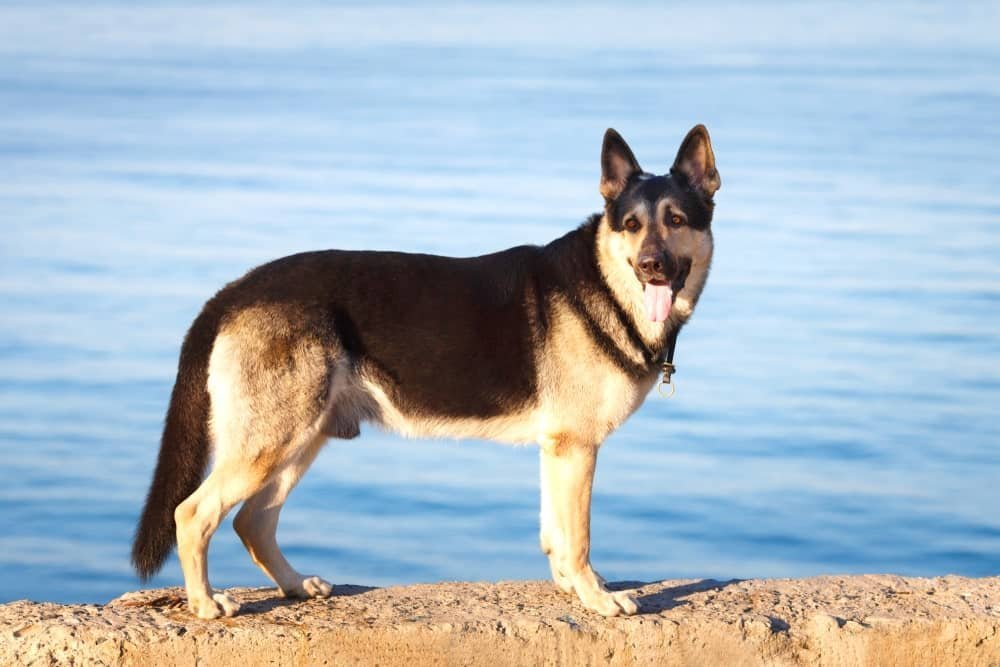
    Understanding the East European Shepherd

    The East European Shepherd (EES) is a large, robust breed originally developed in the Soviet Union to withstand harsh climates and serve as a working dog. Here’s a breakdown of their traits, needs, and history:

    Adaptability

    • Apartment Living: Can adapt with regular exercise and mental stimulation, but a yard is ideal.
    • New Owners: Good choice due to their intelligence and eagerness to please.
    • Tolerating Being Alone: Prone to separation anxiety. Needs companionship and mental stimulation.
    • Weather Tolerance: Well-suited for cold climates and can handle hot weather with some care.

    Friendliness

    • Family: Devoted and affectionate.
    • Kids: Can be good with children, but needs socialization and supervision due to size.
    • Strangers: Naturally reserved, but can be socialized to be friendly.
    • Other Dogs: May show dominance, early socialization is key.

    Health & Grooming

    • Shedding: Moderate year-round, requires regular brushing.
    • Drooling: Can be drool prone.
    • General Health: Prone to common issues like hip dysplasia. Regular vet checkups are important.
    • Weight Gain: Can gain weight easily, needs a controlled diet and ample exercise.
    • Grooming: Relatively easy, requires regular brushing and occasional bathing.

    Trainability

    • Easy to Train: Highly intelligent and eager to learn.
    • Minimal Barking: Barks rarely, but could bark out of anxiety if not properly trained.
    • Mouthiness: Some tendency to nip; can be managed with training.
    • Chasing: May chase if feeling threatened; obedience training helps control this instinct.

    History

    • Origins: Developed in Russia in the 20th century for military and working roles.
    • Purpose: Bred for cold-weather resilience, intelligence, and loyalty.
    • Parent Breeds: German Shepherd mixed with various native Russian breeds.

    Appearance

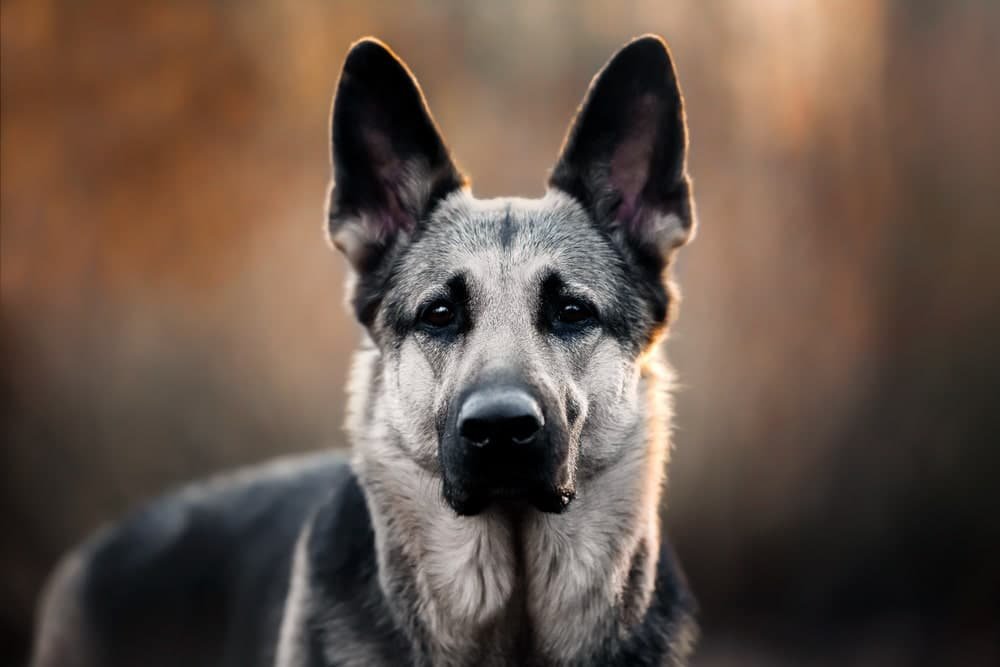
    • Large, athletic build with strong muscles.
    • Dense coat, often black but can have other colors.
    • Slightly rounded ears and expressive eyes.

    FAQs

    • Difference from German Shepherd: EES is larger and bulkier.
    • Rarity: Still relatively rare in the US.
    • Parent Breeds: German Shepherd crossed with Russian Laikas and Shepherd dogs.
    • Cost: Typically costs $900-$1200.
    • Lifespan: 10-14 years on average.

    Key Takeaways

    • The East European Shepherd is a loyal, intelligent, and protective breed.
    • They require regular exercise, mental stimulation, and companionship.
    • Early socialization and training are essential for a well-rounded EES.
    • Their thick coat makes them well-suited to cold climates.
    • If you’re seeking a large, devoted, and trainable companion, the East European Shepherd may be the right dog for you.

    Adaptability

    Adapt well to apartment lifestyle (Rate: 3.5 out of 5)

    These german shepherd dogs are one of the best dog breeds which can adjust well to an apartment-style lifestyle. Although the dogs are naturally not adaptable to small and narrow spaces

    Their calm nature and affection towards their owners make them adjust according to their owner’s style of living, a home with a yard will suit the best for this eastern European shepherd breed.

    Now the fact to notice here is that the dog owners of this eastern European shepherd breed should make available all the necessary things like playing toys, a crate for limiting the dog’s movement needs, and many others to keep the canine comfortable in the apartments.

    East European Shepherd

    Good for the novice owners (Rate: 4 out of 5)

    Eastern European shepherds are considered to be one of the best choices for novice owners, mainly for their easygoing personality and their temperament.

    The dogs are highly intelligent as compared to other breeds, which makes them grab new skills rapidly, for which the owner doesn’t have to repeat the process for a longer time.

    These large east european shepherd breed usually remains more attached to their owner, due to which they always try their best to satisfy the owner in all aspects, which makes them perform all the tasks with utmost dedication than most other pets. Thus they are considered good for novice owners.

    Can not tolerate being alone (Rate: 2.5 out of 5)

    These eastern European shepherds are those dogs that always need some companion by their side for mental stimulation. The dog is habitual of being surrounded by people all the time, due to which they mostly turn aggressive when left alone.

    Keeping this central Asian shepherd at home can lead to a great loss of the dog owner because eastern European shepherds can easily turn destructive when kept alone at home as they are overly friendly with their owner.

    Keeping necessary things like food and toys can make them control for a limited period, but eventually, it will lead to the loss of the owner; thus, it is preferred to use a crate or take the canine along when going traveling.

    East European Shepherd

    Can tolerate cold weather (Rate: 3.5 out of 5)

    It was already mentioned above that eastern European shepherds are mainly created to make a dog breed that is more cold weather tolerant than the other dogs. The dog can easily adapt to colder climates without suffering from any health problems, mainly because of its well-developed undercoat.

    This large dog with a thick coat with dense fur over it can adapt well to cold climates as the temperature outside can’t affect the dog’s health.

    This breed is even known for adapting well to freezing temperatures, which is the unique fact of this breed that attracts most dog owners’ attention towards it.

    Can tolerate hot weather (Rate: 3 out of 5)

    This eastern European shepherd breed type can adapt to even hot weather like many other dogs. This dog breed initially called the east European shepherd, usually doesn’t sweat on their for regulation of the amount of heat absorbed in their body. Thus they will need the help of their owner to survive during the hot weather without getting health issues.

    With a bit of help from the owner, like being in a cold region and going for a walking session during the noon time when the sun gets deemed, can make the canine perform well in hot weather.

    All around friendliness

    Affectionate with the family members (Rate: 3.5 out of 5)

    This European shepherd dog breed type is significantly larger than the other medium-length dogs and is very affectionate towards the family members of the owner.

    These dogs from eastern Europe used to be on the side of their owner all the time because they are habitual of being around a companion for being stress-free,

    The obedience training of this canine can even make its performance better and can make him register as one of the best working dogs.

    Being affectionate with their owner’s east European shepherds are also protective, which makes them do anything for the sake of the owner’s safety when they are in danger.

    East European Shepherd

    Affectionate with the kids (Rate: 4.5 out of 5)

    East European shepherds usually don’t possess a nature of being friendly with kids; it can be done with the obedience training of the canine.

    To make the canine highly trainable regarding this matter, the dog owner can simply go for making it a habit for the canine from a young age to live with kids.

    These dogs are self-assured and have a nature of being friendly with the persons they are living with from a very young age.

    So it depends mostly on the owner of the canine, how they will behave with the kids in the house, because if the owner makes them habitual of being with kids, then definitely the canine will be affectionate with the kids.

    Friendly with strangers (Rate: 3.5 out of 5)

    As per research, only highly trainable European shepherds will be friendly with strangers. It has already been mentioned above that the canines are friendly with only those whose owner makes them habitual.

    The dogs have a unique temperament that doesn’t let them be friendly with unknown persons. Thus, to make the dog well socialized and to make him learn to be friendly with strangers, the owner has to go for giving the canine daily walking sessions.

    East European Shepherd

    Moderately friendly with other dogs (Rate: 3 out of 5)

    The European shepherd, also popular as the Vostochnoevropejskaya Ovcharka, is not so friendly with other dogs. This is mainly because the dogs are not so comfortable sharing their owner’s moments with other dogs.

    The other most significant reason behind the dog being not friendly with other dogs is maybe they get an effect of threatening from the dogs.

    To make the canine-friendly with other breeds, the owner has to simply go for making the pet habitual of being friendly with the other canines by scheduling playing sessions with other dogs from their neighbors.

    Health and grooming requirements of the east European shepherd

    Amount of shedding (Rate: 3 out of 5)

    The European shepherd is one of those dog breeds which constantly sheds irrespective of the season’s change. This dog has a quite hairy coat which sheds most of the time to limit the amount of hair over the coat,

    Thus, if dog owners have been searching for a dog that can maintain a clean environment in the house, then this might not be the best choice for such an owner.

    Now the fact to notice here is that with regular grooming schedules and proper cleaning of the canine’s coat, the shedding of the canine’s coat can get controlled.

    Thus. in short, it can be said that the dog owners of the European shepherd have to put some more effort into the canine’s good appearance and clean environment.

    Drooling potential (Rate: 3 out of 5)

    The drooling potential of this European shepherd is comparatively higher than that of other dog breeds.

    So it is clear to all of us that it is not a low-maintenance breed; the salivary gland of this European shepherd gets overstimulated whenever the canine gets bursts out of different emotions, which leads to excessive drooling.

    So, if you are a dog owner who doesn’t like unnecessary drooling spots here and there on the couches and pillow covers of your home, then this breed might not be a great choice for you.

    East European Shepherd

    General Health (Rate: 3.5 out of 5)

    The European shepherd breed hasn’t inherited any kind of special diseases from its parent dog breeds.

    This dog breed generally used to suffer from some basic diseases that most canines suffer through during their life which include elbow dysplasia, hip dysplasia, sexual dimorphism, joint pains, and many others.

    Diseases like elbow dysplasia, if they remain untreated for a longer time, then can turn deadly for the canine. Thus to maintain the good health of the canine, it needs to be treated rapidly once detected

    Easy to groom (Rate: 3 out of 5)

    Yes, the european shepherd is one of those dog breeds which are relatively easy to groom. This dog breed has a slightly longer coat with soft furs upon it, which are relatively easy to groom.

    A slight glide of the scissor, in short, a light scissors bite over the hairs of the canine, can trim its length and can give the canine a good appearance.

    Now the fact to notice here is that the grooming requirements of the canine should also include proper needy factors like shampoo as per the ph level of the canine’s skin and moisturizers too for keeping the skin hydrated.

    Effective weight gainer (Rate: 4 out of 5)

    This european shepherd breed is known to be an effective weight gainer when loses control over its diet.

    Weight gain in this breed can also be due to some other kind of disease.

    Thus the dog owners should go with the veterinarian check-up first to identify if the reason for the weight gain is any fatal disease or not.

    In case there is no serious issue behind the weight gain of this dog breed, then the owner can simply go about reducing the amount of food consumption and going with the appropriate proportion as per the nutrient requirement of the body of the canine.

    East European Shepherd

    Trainability

    Easy to train (Rate: 4 out of 5)

    European shepherds are one of those dog breeds which are considered to be very easy to train as compared to most of the other dog breeds. Sometimes the easy to go with behavior of the canine matters the most during the training procedures as it leads to no repetition of the process as the canine will try its best to grab one thing rapidly.

    Even the puppies of this breed remain so understanding during the training process and cooperative that the owner doesn’t face difficulties while training the puppies of this breed.

    Barks rarely (Rate: 3 out of 5)

    The european shepherd is one of those dog breeds recognized by the continental kennel club that barks in almost rare conditions.

    The dog is so calm and kind that it always tries on its own to handle its anxiety on its own to be stress-free and stop itself from barking.

    Now, in some cases, the dog might also require some proper training from the owner to control him when he gets anxious.

    This can include proper leash behaviors, crate training, and many others, which can be helpful for the canine to relieve its stress.

    Potential for mouthiness (Rate: 3 out of 5)

    The eastern european shepherd, just like most of the other working dogs, has a habit of biting each of the things they get by their side, especially when it smells good. Not just for this dog this behavior is common in almost all canines.

    Now, this is the only behavior that can be troublesome for the owner of the canine as its potential to mouthiness might lead to destroying many of the household chores.

    It can be simply controlled by making the canine habitual with certain commands which signify stopping of its activities like “stop,” “no,” and many others.

    Tendency to chase (Rate: 2.5 out of 5)

    This dog breed usually doesn’t chase other dog breeds or strangers until they get some threatening symptoms from the person in front of them.

    They only tend to chase someone when getting aggressive; thus, if the canine of this European shepherd is chasing someone, then it’s the fault of the victim, whereas this behavior can also be stopped by showing some love and care to the canine.

    East European Shepherd

    Breed history of the east European shepherd

    This eastern European shepherd dog breed was mainly created in the soviet countries during the early twentieth century.

    The main motive of the breeders behind creating this dog breed is to complete the program launch for creating a dog breed that can adapt well to the freezing temperatures of the Ukrainian SSR.

    We can simply get an idea of for what purpose the dog is being used in those days by its german shepherd appearance. It was mainly bred for the Russian army which needs such dogs as a companion to complete tasks in the freezing temperatures of Russia.

    To create this breed, the breeders started to cross the german shepherds with the native Russian Breeds. Such as the East Siberian Laika with the Caucasian Shepherd and the Central Asian Shepherd.

    The USSR Ministry of Agriculture and Cynologic council have registered the breed standards of this dog in their dog registry as one of the best breeds among all the other dogs.

    East European Shepherd

    The appearance of the east European shepherd

    The east European shepherd is mainly in trend because of its unique appearance. The dog has a long structured body with heavy muscles and slightly rounded ears with large brown eyes.

    The dense coat of the canine with a soft undercoat helps the canine to tolerate the freezing temperatures of different sites.

    This dog breed is mostly available in solid black color and also has a slightly rounded forehead with a large set of teeth.

    This dog breed might have brown and amber color eyes, whereas the color of the coat can be Black, Brown, Blue, White, and Sable.

    The well-padded and oval-shaped feet of the canine is one of the strongest body parts, which makes them run very faster. Now, the fact to notice here is that this bossy appearance of the canine can only be maintained when the owner of the canine takes proper care of it.

    This can be simply done by adopting proper grooming schedules and cleaning the canine with proper requirements as per the vet’s prescription according to the canine’s skin type.

    FAQ’s

    1. What is the unique difference between the german shepherd and the Eastern European shepherd?

    The eastern European shepherds are larger and have quite heavier bodies than the german shepherd.

    Most of the time, people get confused because they are the same in appearance. The European shepherd will be well-muscled and will have slightly arched ears.

    2. Are East European Shepherds one of the rarest species?

    This European shepherd is one of the most popular breeds among all the other dog breeds in the Soviet military. But this is still one of the rarest species in the United States and the Soviet military.

    3. What is the mixture of the parent dogs of the European shepherd?

    The European shepherd is a mixture of the dog breeds molasses and other local northern breeds, which is the most significant region behind its unique appearance.

    4. What is the price of an east European shepherd?

    If you are planning to adopt an east European shepherd, then it will cost you around $ 900 to USD $ 1200. But the charges of adopting an east European shepherd may also differ depending on the place where you are buying the canine.

    5. What is the average lifespan of an east European shepherd?

    The average lifespan of an east European shepherd is around ten to fourteen years. But this might also differ depending upon the lifestyle of the canine and its immunity level.

  • Male Cane Corso vs Female Cane Corso: What’s the Difference

    We all know that nowadays when buying a furry friend and a potential guard dog for home, the most common name that comes to mind is Cane Corso.

    Moreover, it also becomes important to know which one can be better, male or female, and for this reason, Male Cane Corso vs Female Cane Corso: what’s the difference?

    Choosing the Right Cane Corso: Male vs. Female

    The Cane Corso is a magnificent breed, but choosing between a male and female requires careful consideration. Understanding their differences will help you find the perfect companion.

    Key Differences

    • Physical: Males are typically larger and more muscular than females.
    • Temperament: Males tend to be slightly more energetic and independent, while females can be calmer and more focused. This is not absolute, and individual personalities exist within each sex.
    • Health: Both sexes are prone to certain health issues like hip dysplasia. Males may have a higher risk of prostate problems, while females are susceptible to uterine infections.
    • Training: Both are intelligent and trainable, but males might require a little more patience due to their occasionally stronger independent streak.
    • Care: Essential care is similar for both sexes. However, females need special attention during their heat cycles and have an increased risk of needing spaying for health reasons.

    Which Sex is Right for You?

    Consider the following factors to make the best decision:

    • Experience Level:
      • Experienced owners may find managing a male’s energy and independence more manageable.
      • New owners might do better with a female’s generally calmer demeanor.
    • Household Dynamic:
      • Males can be more assertive with other dogs. If you have other pets, a female might integrate more easily.
      • Females can be protective and nurturing, which may work well with children.
    • Lifestyle:
      • Males often have higher energy levels and require more extensive exercise. A less active lifestyle might better suit a female.
    • Intact vs. Altered:
      • Spaying or neutering can impact health and behavior. Discuss these differences with your vet.

    Temperament is Key

    Remember, these differences are generalizations. Individual personalities of puppies can vary, so it’s crucial to:

    • Spend Time with the Puppies: Observe their energy level, interactions with littermates, and how they respond to you. This will help you gauge their temperament.
    • Consult the Breeder: A reputable breeder can offer insights into each puppy’s personality and potential fit within your family.

    Key Takeaways

    • Choosing the right Cane Corso is a personal decision. There’s no inherently “better” sex.
    • Both males and females make fantastic pets with the right training and environment.
    • Understanding the subtle differences between the sexes helps ensure you find the perfect fit for your family.
    • Regardless of your choice, a Cane Corso needs strong leadership, socialization, ample exercise, and consistent training for a happy, healthy life.

    Focus on finding a healthy puppy with a temperament that aligns with your lifestyle, and you’ll build a wonderful bond with your new Cane Corso.

    Male Cane Corso vs Female Cane Corso: What’s the Difference?

    Now, if a dog owner is new to this field, they might also wonder why it is necessary to know the difference between a male and a female Cane Corso before buying them from a cane Corso breeder.

    So to help those beginners regarding this, we are here with some detailed information on this topic.

    As per research on this dog and the comments made by the dog owners regarding this breed, it can be said that knowing the difference is important in many aspects, which will help the dog owner properly take care of the canine.

    For example, as the appearance of the male and female is different, there will be some changes in the grooming, as the female dogs will get an oestrous cycle.

    Therefore, there will also be some changes in its diet according to the vet’s suggestion, and there might be some changes in the exercise requirements too.

    So, based on this, it can be said that for properly taking care of all the health requirements of the canine, it is very important for the owners to know the difference between the male and the female Cane Corso.

    The Physical Differences Between the Canines

    When it comes to differentiating the dog based on gender, the most common difference which strikes the mind first is the thought of the physique. So let’s discuss the physical difference between the male and the female Cane Corso first.

    Male Cane Corso

    The male Cane Corsos usually have a height of 25 to 25.75 inches and a weight of almost 99 to 110 pounds, which is quite more than that of a female Cane Corso. The body of the male Cane Corso also differs a bit in appearance as it possesses a rectangular head with a very heavy body that looks muscular.

    The most significant difference is the power-packed muscles of the canine, which gives the male Cane Corso a more bossy look and differentiates it from the female one.

    Female Cane Corso

    Female Cane Corsos usually possess a bit of a difference in height from the male as the overall height of the female Cane Corsos ranges from 24 to 25 inches.

    It will be difficult to differentiate the Cane Corsos of opposite genders based on their appearance because both are quite muscular and possess a rectangular-shaped head with a heavy body.

    The most important fact to notice here is that if someone notices a bit more about the dog’s appearance, the person will have no difficulty identifying that it is a female without looking over its genitals.

    Male Cane Corso vs Female Cane Corso

    The Difference in Puberty Among Male and Female Cane Corso

    Now let’s discuss the stage of puberty in the case of male and female dogs. It is well known to us that, just like humans, animals also attain a stage in their life where they get sexually mature and are almost ready for reproduction.

    So now we are going to discuss the differences that occur in the body of a Cane Corso at the time of puberty, straight from a Cane Corso breeder handbook.

    Bodily Changes During Puberty in a Male Cane Corso

    A male Cane Corso attains its puberty at almost two years of age, and at that time, its body starts to show different types of bodily responses, like the ending point of the genital turning in a bit lighter colour.

    The dog gets more attracted to female dogs, and sometimes it also starts to lose interest in its daily routine, like exercise sessions, walking and playing sessions and even meal time.

    The most important fact that the dog owners should notice in this case is that they should not allow the dog to mate with another female dog during the first few weeks of its puberty as in this time,

    The body has just started to begin sexually mature and that why the bodily changes are visible but the body is not completely ready for reproduction yet.

    Bodily Changes During Puberty in a Female Cane Corso

    Just like the male Cane Corso, there are some precautionary measures the dog owner has to take while the female Cane Corso is in the stages of its puberty.

    It is well known to us that when the female attains puberty, it gets its oestrous cycle which keeps on releasing from the urethral opening of the canine.

    This is called the oestrous cycle in dogs. Unlike humans, dogs get this only twice a year, every six months.

    During such times, the female keeps attracting the males by peeing here and there on the grounds that the owner will be able to detect puberty in the case of female dogs by noticing the changes in the genital as the vulva turns pinkish during this time.

    The dog owners need to stop the dog from mating at the first stages of puberty as the body has just attained its puberty and is not fully ready yet for the process of reproduction and also

    Because mating at this time can lead to severe health issues for the canine-like inflammation in the uterus and many others.

    Temperamental Difference Between the Sexes

    The dog owners need to know the temperamental differences between the Cane Corsos of both males and females because the owner might have to maintain a familiar environment per the canine’s needs to save the canine from anxiety attacks.

    Remember that, the temperament will differ depending on the breeds, whether it’s a simple breed like Italian Mastiff Cane Corso, or a mixed breed like Pitbull mixed with Cane Corso.

    The Temperament of the Male Cane Corsos

    Many dog owners might think there will be a huge difference in the temperament between the male and the female Cane Corsos as most of the time, and males are more active than females. It’s quite true.

    The male Cane Corsos are a bit more active compared to the female Cane Corso and also have the potential to do the tasks more efficiently and faster due to a higher energy level.

    Moreover, the male Cane Corsos also have very high intelligence, due to which they are easily able to grasp the new skills, and may also turn aggressive if the owner behaves a bit harshly with the canine.

    The most important fact about the temperament of the male Cane Corso is that it is not at all familiar with other animals and unknown persons.

    The Temperament of the Female Cane Corso

    Female Cane Corsos are usually a bit calmer and more composed than the male versions of the Cane Corsos and also possess a very affectionate and loving nature towards the owner.

    The female Cane Corsos possess a very negligible difference in their intelligence level as they also possess a very good grasping capability.

    You will be able to notice a bit of difference in the behaviour of the canine like the female Cane Corso is not that active and just looking for quality time with the owner all the time and many others.

    The dog owners have noted that the female Cane Corso used to perform the tasks assigned to them with utmost interest and concentration than the male one.

    Health Differences of the Dogs

    Knowing about the health of both the male and the female Cane Corso is equally important for the dog owners before choosing one to adopt as a furry friend.

    Because the owner might have to go with the medicines according to the health of both the canines and might also be according to the veterinarian’s recommendation.

    Whereas health of the canine can also be considered one of the most crucial factors by which the owner can easily depict the overall lifespan of the canine.

    The Health of a Male Cane Corso

    Most of the time, people used to think that there might be a huge difference in the health of both male and female canines, but it’s not true.

    As per research, the difference between the health of a male and a female Cane Corso is almost negligible. But the male Cane Corsos possess a chance of getting affected by prostate issues like testicular cancer.

    The main reason behind the cause of this tumour is termed the Leydig cells, which bind with the testicular hormones and form a tumour of the interstitial cell of the testicle.

    This kind of issue in dogs is treated by generally neutering them. In this process, the testicles are removed, and the dog’s lifespan increases by reducing the chances of the canine getting affected by such prostate issues.

    The Health of a Female Cane Corso

    Now, let’s come to the health of a female Cane Corso. As per the research done on the females of the dog breed Cane Corso,

    It can be said that getting infected by some general health problems like elbow dysplasia, joint pain, pancreatitis, and inflammation are quite normal in both male and female dogs.

    Whereas in the case of females especially having issues with the uterine tract is quite common

    The female Cane Corsos mostly get affected by the bacterial infections in the uterine tract as the chances of bacteria getting trapped in this area gets increased due to the unhygienic environment near them during the period of the oestrous cycle.

    For this, the female Cane Corsos get spayed, so the risks of getting affected by such severe diseases decrease. And due to this method of spaying, the dog also gets free from that oestrous cycle, and pregnancy as the uterus and the ovaries are surgically removed during this process.

    Male Cane Corso vs Female Cane Corso

    The Difference in Trainability Between Male and Female Cane Corsos

    It is well known that females always used to possess lower strength than males in animals and humans. So it is clear to us that there will be a lot of differences between male and female dogs.

    That’s why it is important for the dog owners to know about the differences in the canine training sessions and what kind of environment to maintain, as the proper training sessions will provide perfect health to the canine.

    That’s why early training is necessary, and that is only possible when you know how to train cane Corso puppy. So let’s get into the details of it,

    Male Cane Corsos

    It is very well known to us that the male Cane Corsos are quite tougher to handle as the amount of energy released in the male is comparatively more than that in the female, due to which there’s always a chance of the dog getting vigorous when the owner gets harsh with them.

    It has also been remarked by the owners of the male Cane Corsos that sometimes the male ones get over-excited and keep on doing the tasks more than the owner’s commands and are probably very fast and efficient while performing the tasks in comparison to the female ones.

    The dog owners are always suggested to keep the training sessions of the male Cane Corso quite long compared to the others because the canine is super active and probably needs some more exercise compared to the others for proper maintenance of its health.

    Female Cane Corsos

    We all know that females are very calm, always used to perform their tasks with utmost concentration, and always focused on perfectly performing them.

    The dog owners who have been an owner of a female Cane Corso have commented on this dog breed that females are also active during their training sessions but quite slower in comparison to the male ones, which is natural.

    It doesn’t mean that the female dog has been suffering from health issues, due to which his performing capability has become slower.

    The probability of the female Cane Corsos getting vigorous during the training sessions is very less as females are very understanding.

    Whenever the owner gets harsh, they try to understand the reason behind it and then try on their own to satisfy the owner.

    Care Guide Difference Between the Dogs

    Now it should be well known to the dog owners that as everything among the male and female Cane Corsos differs, their caring guide should also differ.

    So here we will be discussing a proper guide regarding the care guide of both the male and the female Cane Corsos to make you understand the difference and to help you in choosing which can be the best for you.

    Care Guide for Male Cane Corso

    As per the research done on this dog breed, the male Cane Corsos don’t usually need some extra care for proper maintenance of its health.

    Just like normal dogs, the male Cane Corsos need proper workout sessions, appropriate dietary nutrients as per the vet’s recommendations, quality time with the owner, proper grooming sessions to look fresh in appearance, and, more probably, some love and care from the owner.

    All the above-discussed factors are sufficient for keeping a male Cane Corso healthy throughout his life

    Proper vet visits to determine if the dog has got affected by some disease and get him proper medicines, and prevent the dog from mating at the first stages of its puberty are all the dog owner can do for properly taking care of the health of the canine.

    Care Guide for Female Cane Corso

    Now the steps that the dog owner has to follow for properly taking care of the canine’s health are quite the same as that of the male dog because proper vet visits, nutritional compounds, walking sessions, etc., are almost necessary for all kinds of dog breeds.

    The main fact that the dog owners should notice while taking care of the health of a female Corso is to properly clean the female’s vulva while she is in her oestrous cycle and treat her with love and care during this time because this is a very crucial stage of a female dog.

    If the canine is on the first day of its oestrous cycle, the owner must stop the pet from mating at the first stages to avoid severe issues. All the above-discussed information is enough to give a clear concept regarding Male Cane Corso vs Female Cane Corso.

  • Cane Corso Breed Standards And Characteristics

    This large-sized breed of dog looks quite like a wrestling dog with their strong muscles, and a strong physique. Cane Corsos are serious, dexterous, and fast, with an intense character. All characteristics of a Cane Corso puppy are visible in the photo.

    Here’s a detailed description of the Cane Corso breed standard and characteristics, emphasizing the importance of proper training, with key takeaways:

    Cane Corso Breed Standard

    The Cane Corso is a testament to centuries of careful breeding to produce a physically impressive dog with a balanced temperament. Let’s break down the key breed standard traits:

    • Appearance

      • Head: Large, strong, with a slightly turned up muzzle and a pronounced forehead.
      • Eyes: Almond-shaped, conveying intelligence and focus. Color ranges from amber to dark brown.
      • Ears: Naturally triangular and hanging, sometimes cropped for a more equilateral triangle shape.
      • Neck: Muscular and powerful but with an elegant arch.
      • Body: Compact and muscular, built for both strength and agility.
      • Tail: High-set, tapering towards the end.
      • Movement: Fluid and powerful, demonstrating their athletic build.
      • Feet: Oval-shaped with tough pads, like a cat’s, for agility.
    • Coat

      • Colors: Black, various shades of gray, fawn, red. Brindling is possible, masks are common.
      • Texture: Short, coarse with a light undercoat.
    • Temperament

      • Devoted, Yet Protective: Cane Corsos are deeply loyal to their family but possess natural guarding instincts.
      • Intelligent and Responsive: Highly trainable with the right guidance.
      • Not Inherently Aggressive: While powerful, a well-socialized Cane Corso should not display unprovoked aggression.

    Importance of Training and Socialization

    The Cane Corso’s potential lies in the owner’s hands. Here’s why training is non-negotiable:

    • Managing Power: Their size and strength demand a confident, consistent owner who can establish leadership.
    • Channeling Guarding Instincts: Early and ongoing socialization prevents overprotectiveness or reactivity around strangers.
    • Fostering a Balanced Temperament: Positive training builds confidence and trust, making them well-adjusted companions.

    Key Takeaways

    • Standards Are a Guide: While the breed standard sets expectations, individual dogs will have variations.
    • Not Just About Looks: A handsome Cane Corso without proper training is a potential problem.
    • Responsible Ownership Is Key: This is a demanding breed. Be honest about your ability to provide the training, exercise, and attention they need.
    • Early Socialization Is a Must: Prevents fear-based or aggressive behaviors.
    • Choose Your Breeder Wisely: Reputable breeders focus on sound temperament as much as physical traits, ensuring you get a dog predisposed to being a good companion.

    The Cane Corso has the ability to be a magnificent dog, but this depends heavily on the commitment of the owner to responsible ownership and training.

    Cane Corso Breed Standards And Characteristics

    Today, the Cane Corso Mastiff standard is dictated by the National Breed Club. In this article, we will talk in detail about the standard of this dog breed of wild boar hunters that are in force today.

    We will try to highlight important nuances and answer questions that often concern Cane Corso owners. All this will come in handy, even if you are not going to raise a champion dog from your puppy or expect for hunting big game from these dog breeds

    Head

    The head is dog-shaped, large, wide, and without folds. The muzzle is slightly turned up, shorter than the skull, and almost square. The forehead is convex, and the transition from it to the muzzle is pronounced. The back of the nose is straight, the lobe is large and black.

    The upper lips hang down, covering the lower jaw. The teeth are large and curved, and their number in the Cane Corso is 42. The jaws are strong, they easily gnaw through bones and thick sticks. A slightly undershot bite is characteristic – the lower jaw protrudes forward.

    The eyes are oval, medium in size, slightly sloping or slightly protruding, and should be dark. Set on straight, set wide apart, eyelids close. The skull’s planes and muzzle converge slightly more than other dogs.

    The look is direct, intelligent, and attentive. The ears are triangular, set high, and of medium size. Usually hanging close to the muzzle, but sometimes they are docked in the form of a triangle.

    Ears

    The ears of these giant breeds are medium in size. Their ears are set high on their skull above their cheekbones/zygomatic arches, wide apart, dropped, triangular in shape, hanging near the head, with the tips of the ear falling near the cheeks.

    The ears of the Cane Corso dog are neither too long nor extend beyond its lower jawbone. Some dogs of the same breed may have cropped short ears that are of equilateral triangles shapes.

    Eyes

    Oval, lemon, or almond-shaped, medium-sized, and varying in hue from green or amber to dark brown. Well-fitting as well as well-pigmented rims of eyes are present.

    Their eyeballs never swell outward. The eyes are surrounded by orbital sockets that have sufficient bone to protect the eyes. The dog can’t see his haw or whites when he is gazing ahead.

    Muzzle

    Shorter and square than the top skull, being deep, broad, and also full. The width of the muzzle is about equal to the muzzle length. The depth is around more than 50% (exact proportion) of the length.

    The upper & lower jaws of Cane Corso have adequate bone substance, are well-developed, and are strong, never appearing weak or snippy. The lower jaw Of Cane Corso is slightly curved or slightly inclined.

    Neck

    Another instance of the mixture of strength and grace of the Cane Corso is its neck. It’s powerful, embossed, and also organically appears like the canine’s body, however, at the same time graceful, noble, and flexible.

    The neck is powerfully muscled, equaling around 1/3 the height at the withers, with a slight arch. The size and length are similar to the length of a dog’s head. The neck area has a light undercoat and a noticeably shorter coat.

    Nose

    The Cane Corso’s nose is black and well-pigmented or self-colored as per the stiff coat color in light colors like a blue, gray mask, or gray fawns. Their nostrils are well-opened and large. The nose lies right above the chin.

    Body

    Compact, powerfully constructed, substantial, and solid. The body isn’t ever refined or racy. The width at the forequarters is about equal to the height at the withers. The body is sturdy, well-put-together, and also with solid bones. Male animals must have two apparently normal testicles completely dropped into the scrotum.

    With their strong body, they can run at least a mile without tiring themselves up. That is why these dogs are also great for dog sports. They have a fairly thick coat.

    Chest

    Broad, deep, but not wider than the depth of the chest. The brisket extends to the elbows. Their forecast is developed well, but not noticeable.

    Tail

    In this breed, the tail length reaches the fold line of the hind limbs. Set fairly high on the body, tapering towards the end. The powerful structure of the Cane Corso does not provide the ability to bend and raise the ringtail.

    Feet

    Round to oval and compact, with slightly arched toes as well as tough pads. Their hind feet or cat feet are slightly less alliance than their forefeet.

    Movement

    The dog’s front paws are attached to the shoulder blades that have been modified for physical activity. The velvety pads on the rear of the oval-shaped paws give the cat outstanding feline beauty in addition to its robust musculoskeletal system.

    The elastic muscles and sturdy bones of the muscular hind limbs enable them to perform outstanding leaping functions. The hips are wide and stretched towards the spine, making them stand out against the background.

    The Cane Corso’s cat feet are oval and have protective pads and pointed claws, just like the forelegs. With the help of this structure, the Cane Corso can travel great distances quickly without sacrificing the canine flexibility and power of their Tibetan Great Dane forebears.

    This dog’s flowing, smooth, easy trot with agile and powerful action make it the best participant in dog sport.

    Temperament

    Due to their strict formation, many people consider the Cane Corsos to be aggressive outsiders from distant Southern Italy, with a secure disposition and harshness, but this isn’t so. Cane Corsos are devoted and kind dogs, with vulnerable souls and sensitive hearts.

    In case you check the genealogical tree of this breed, it’ll turn out to be that the Cane Corsos are the perfect harmony of all the good qualities of its predecessors. They aren’t overly big, not limply weak, and not so bold.

    Coat Color:

    Gray, black, red, and fawn; brindle is achievable in all colors. This dog breed may have a black or gray mask, as well as may have little patches of white sometimes. Black, slate-grey, lead-grey, light fawn, light grey; stag red and dark fawn; dark wheat color (stripes on various shades of grey or fawn); in fawn colored as well as brindle dogs black or grey mask on their muzzles shouldn’t go beyond the eyes line.

    FINAL WORDS

    The Italian Mastiff, or Cane Corso, is distinguished by a specific characteristic in which security functions are combined with the dog’s devotion to its owner. These big and strong dogs get along well with children, and pets if they are brought up with dogs from childhood.

    This Ancient Italian breed was bred in Southern Italy for herding cattle, herding livestock, and working breeds. Thus, this breed has specific standards and characteristics. As per American Kennel Club, this breed is not very friendly.

    An Italian mastiff puppy requires mandatory early socialization and proper dog training to get along with others. Experienced pet parents who decide to start such a breed must devote a lot of time to their pet, only in this way can all the advantages inherent in a dog of this breed be revealed.

    Despite the huge size, fearlessness, and charisma, the Cane Corso is initially human-oriented. This is its main pedigree quality, which has been fixed for two millennia. These dogs are easy to train, are extremely loyal to their owner and family members, and never show unreasonable aggression. However, it is always recommended to adopt from responsible breeders instead of local animal shelters to get a good characteristic dog.

  • Cane Corso Breeder

    Absolutely! Here’s a detailed description focused on choosing a responsible Cane Corso breeder, along with key takeaways for potential owners:

    Why Responsible Breeders Matter

    • Health and Well-Being: Prioritizing the dog’s welfare over maximizing profit is the hallmark of a good breeder. They carefully select breeding pairs to minimize genetic health risks and provide excellent care for their dogs.
    • Guidance and Support: Responsible breeders offer a lifetime of knowledge and support, helping you raise a happy, healthy Cane Corso.
    • Ethical vs. Profit-Driven: Choosing responsible breeders helps combat unethical breeding practices that harm both dogs and the integrity of the Cane Corso breed.

    How to Identify a Reputable Cane Corso Breeder

    • They Value Canine Well-being:
      • Dogs are treated like family members, not mere breeding stock.
      • They are selective about breeding practices, considering canine health as much as looks.
      • Living conditions for the dogs are clean, safe, and enriching.
    • They Know the Breed:
      • A reputable breeder can detail the Cane Corso’s history, temperament, health concerns, and the specific challenges of the breed.
    • They Prioritize Your Success:
      • They ask about your lifestyle and experience to ensure the Cane Corso is a good fit.
      • They provide ongoing support and are willing to be a resource for any questions you may have, well beyond the initial purchase.
    • They are Transparent:
      • They readily provide health records, registration papers, and information about the dog’s parents and pedigree.

    Warning Signs of a Bad Breeder

    • Focus on Quantity over Quality: Always breeding litters without prioritizing health, temperament, or the well-being of the parent dogs.
    • Secretive about Living Conditions: Avoid breeders who hesitate to show you where the dogs and puppies are raised.
    • Minimal Health Checkups: They don’t provide vet documentation or discuss potential health concerns of the breed.
    • Disinterest in Your Suitability as an Owner: They seem more eager to make a sale than finding the right home for the dog.

    Unique Considerations with Cane Corso Breeders

    • Genetic Complexity: Due to the Cane Corso’s specific lineage, finding healthy dogs may be more challenging. Reputable breeders should understand this and be transparent about health testing.
    • Demanding Breed Needs: Breeders of this powerful, protective breed should emphasize early socialization and your ability to provide ample training and exercise.

    Key Takeaways for Potential Cane Corso Owners

    • It’s Not Just About the Dog: The breeder you choose is a vital factor in the long-term success of your Cane Corso journey.
    • Invest Time in Research: Finding the right breeder isn’t about convenience. Take the time to ensure the breeder prioritizes the dogs’ well-being.
    • Questions are Your Best Friend: Interrogate breeders about their practices, the parent dogs, and their commitment to supporting you as an owner.
    • Be Prepared to Wait: A responsible breeder may have a waitlist. Patience often leads to a healthier, better-adjusted Cane Corso.

    Bottom Line: A responsible breeder sets both you and your Cane Corso companion up for success. Do your homework, and don’t hesitate to walk away if something feels off – it’s worth it to find a breeder who truly loves their dogs and is invested in their future well-being.

    Why Go for a Responsible Breeder?

    Now, most dog owners who are freshers in this field might have doubts about why we can’t go for a dog from a general pet shop and why a responsible breeder is always preferred.

    The answer to this question can be very tricky for the freshers, but getting into this depth will clear all the doubts.

    This is because many pet owners get confused with some of the fundamental information like ear cropping for cane corso.

    A piece of information has been obtained from the surveys done over the markets and the dealers dealing with Cane Corsos in the market.

    There are many breeders available who are just focusing on getting a profit by selling the canine and are not at all concerned about the health of the canine. Their main motive is just to get ample money for that dog.

    Buying a dog from such breeders can give the owner many difficulties, like not getting proper information about the canine’s health, improper documentation, and an unhealthy canine.

    Whereas buying a dog from a responsible breeder will help the dog owner build the perfect bond with the canine by making him aware of the basic needs and proper health requirements.

    Thus based on the information discussed above, it can be said that getting a dog from a responsible breeder is important for building a strong bond with the canine.

    Cane Corso Breeder

    Characteristics of an Ideal Cane Corso Breeder

    Dog owners need to know about the characteristics of an ideal breeder, whether it’s about a simple breed like Great Dane Cane Corso, or a hybrid one.

    Because this will work as the base for the dog owner to get a dog from an ideal breeder. Here we have come up with some of the most common characteristics of an ideal dog breeder below:

    How They Engaged the Canine

    Now, as we all know, dog breeders also possess some motive to get a profit from the dog, and for this, they used to keep the dog engaged in different kinds of activities like hunting, dock diving, shows and even for the production of other dogs.

    Sometimes the dog breeders keep using the canine for the production of more of such kinds continuously without even checking the canine’s capability and ability of the canine’s reproductive tract,

    which can be very harmful to the canine’s health. This can make the canine suffer from various issues related to the reproductive tract.

    Going for such dogs can be very problematic for the owner as they have to deal with many reproductive issues of the canine and may also have to undergo different surgeries. Thus, it is important to check how the breeder has engaged the dog.

    Check the Way the Breeder Treats the Canine

    This is one of the most significant factors by noticing which the dog owners will be able to determine if the breeder is an ideal person or not. The breeders’ behaviour tells almost everything about their profession and how responsible they are.

    You will be easily able to realize that by noticing how well the breeder can describe the needs of the canine and its health conditions.

    If you are noticing that the breeder is giving you the depth information about the health condition of the canine with proper prescriptions from the vet, then you are all set to go.

    Questions They Ask During the Deal

    Responsible breeders are always very concerned about the welfare of the canine. They always keep asking the customer what kind of facilities they will be able to give the canine-like proper house, proper grooming needs, workout sessions, and many others.

    Suppose you notice that the breeder is showing much interest in knowing about the lifestyle the canine will get in the owner’s home.

    You are all set to go in that case because only responsible breeders show this behaviour towards their canines.

    Documentations the Breeders Provide

    Most of the time, the dog breeders who are genuine to their profession use to provide the dog owners actual reports of the health of the canine from the vets and detailed information about its health with a legal contract by promising to guide the owner about the basic needs of the canine. Like about the dog’s ear cropping for cane Corso.

    If the owner can notice such responsible behaviour in the breeder of the Cane Corso, then it is a sign that the breeder is responsible and true to its profession.

    Information the Breeder Had About the Dog Breed

    Suppose a dog breeder can give detailed information about the breed of the canine-like, from where the breed originated and its ancestors or details about a male cane Corso vs female cane Corso.

    In that case, the breeder can be a perfect choice for you because only the breeders who are lovable to their pets keep such detailed information about their canines.

    Cane Corso Breeder

    Unique Facts About the Cane Corso Breeders

    It is very well known to us that the Cane Corso is a very special dog breed, and it needs special treatment from the very childhood, like proper treatment from the vet and proper dietary requirements for a proper raising of its body and to make it look muscular in appearance.

    Here we have come up with some unique facts about the Cane Corso breeders that make them different from the rest.

    The mating of dogs for the production of Cane Corso like that of Pitbull mixed with Cane Corso has become very difficult now due to the absence of glutamine in the genetic traits.

    Due to this reason, dog owners have to go through various critical gene amplification methods to transform the genetic traits of Cane Corso in the progeny, which makes the Cane Corso breeders unique.

    Along with this, the Cane Corso breeders also have to work very well on building up the exact physique of the dog from childhood as the canine is well known for its physique.

    If the breeder fails to build an attractive physique, then his dog will not be able to put a good impression on others.

    Building up the proper physique can only be done by consulting with the vet and inducing proper foods in the canine diet from its childhood.

  • Cane Corso Coat Colors And Patterns

    Cane Corso colors are an important factor to take into account when adopting a puppy. The AKC (American Kennel Club) specifies that the most acceptable coat colors of Cane Corsos are black, red, light & darker gray shades, and light & darker fawn shades.

    Here’s a detailed description of Cane Corso colors, patterns, and their implications, along with key takeaways :

    Cane Corso Coat Colors And Patterns : The Beautiful Spectrum of Cane Corso Colors

    Cane Corsos boast a variety of colors and patterns that add to their impressive appearance. Understanding these variations is important for potential owners and breeders alike.

    Common and Accepted Colors by the AKC:

    • Black: A classic and striking look, desired for its intimidating aura.
    • Gray: Similar to Huskies, but unique among Molossers, due to a dilution gene.
    • Fawn: A lighter, softer shade with possible gray or black masks.
    • Red: Ranging in intensity, often with black or gray masks like a Shepherd or Ridgeback.
    • Brindle: Distinct stripes in various combinations (black on red/fawn, gray on red/fawn, reverse, chestnut)

    Rare and Non-Standard Colors

    • Formentino: A diluted fawn, sometimes with blue tones. While beautiful, it carries potential health risks.
    • Blue: True blue Corsos are debatable, and this color is not recognized.
    • Liver/Chocolate: Lovely but not accepted by kennel clubs due to pigment issues.
    • Isabella: A diluted liver, detracting from the breed standard, and potentially linked to health concerns.

    Understanding the Genetics

    • Two Pigments: Eumelanin (black) and phaeomelanin (red) form the basis of all colors.
    • Dilution Genes: Alter the intensity of these pigments, creating shades like gray and fawn.
    • Masking: Specific genes control where pigments are expressed, leading to the distinctive masks on many Corsos.

    Why Does Color Matter Beyond Aesthetics?

    • Health Risks: Some colors, like blue dilution, are associated with genetic health problems such as Color Dilution Alopecia.
    • Ethical Breeding: Choosing colors that prioritize health aligns with responsible ownership.
    • Breed Standard: Adherence to the AKC standard preserves the classic Cane Corso traits and overall health.

    Color Changes in Cane Corso Puppies

    • It’s normal for Cane Corso puppies to undergo slight color changes as they mature.
    • Fawn pups may deepen in shade, and brindles can show more pronounced stripes.

    Key Takeaways

    • Appreciate the Variety: Cane Corsos offer a stunning range of colors and patterns.
    • Prioritize Health: While appearance is important, focus on choosing colors known for fewer genetic risks.
    • Seek Reputable Breeders: They understand color genetics and prioritize the overall well-being of their dogs.
    • Responsible Ownership: Choose a Cane Corso based on temperament, health, and suitability, with color as a secondary consideration.

    Remember: A Cane Corso’s value lies in its loyalty, temperament, and protective instincts. Color, while adding to their uniqueness, should not be the primary deciding factor.

    Let their character shine through, regardless of their coat!

    What Is The Most Common Cane Corso Color?

    Here is a list of the most common Cane Corso colors and patterns. Let’s have a look at the Cane Corso colors and patterns below:

    Black Cane Corso Colors

    Black is one of the most preferred colors for Cane Corsos because it gives the dog a more intimidating appearance. The pigment eumelanin, among the two pigments found in dogs, is responsible for its color.

    The solid black coat of the black Cane Corso is the result of their eumelanin remaining black because they are not homozygous for dilution.

    Grey Cane Corso

    Similar to the black Cane Corsos, the grey breeds are extremely desirable and sought after. Siberian Huskies can be seen in grey, however, no other Molosser dog is available in either grey or black.

    The gray Cane Corso dog’s color is caused by an inherited dilute gene that limits eumelanin production, making it more difficult for breeding than black Cane Corsos. As a result, only grey Cane Corsos may be born from 2 black Cane Corso parents if they shared the same recessive gene.

    Fawn Cane Corso

    A Fawn Cane Corso puppy is among the rarest Cane Corso colors. The fawn Cane Corso breed will even have a gray or black mask. Fortunately, this variety coordinates with the American Kennel Club breed standards as well as runs almost zero odds of generating genetically related health issues later in life.

    With this variant of color, their patches must be either gray or black and cover just their eyes. Also, white masks on the chin, throat, or chest are equally acceptable.

    Red Cane Corso

    The intensity of this red Cane Corso breed color can vary, making it equally well-liked and in high demand. The red color displays a black or grey mask that resembles a Rhodesian Ridgeback or German Shepherd in appearance. Given that just one of the two genes in the pair needs to be present, the red coloring is caused by a gene that is dominant and is hence prevalent.

    Additionally, a few red Cane Corso may have a saddle pattern in grey or black, which they may outgrow later. Fawn and extremely light red Cane Corsos could be mistaken for one another, but as we’ll see in the next section, they are two different colors. This red pigment concentration varies via different genetic ways and outcomes in an exhibition of red shades.

    Formentino Cane Corso Colors

    Formentino Cane Corso coloration results from a different dilution of a fawn gene. They will be also lighter than the fawn-colored dogs. Additionally, they may get a blue hue or blue saddle mark. Such color comes from the recessive dilute gene.

    This may even have a white patch on its feet, chest, or chin. Sadly, The same genes that give them their outstanding beautiful looks also put them at risk for a variety of painful genetic disorders, such as Color Dilution Alopecia. So, is it not good for your Cane Corso’s Health?

    Brindle Cane Corso

    Cane Corso dogs with brindle patterns may have red or fawn as their basic color, with other hues sprinkled on top. Or they can have a brown or red base, or they may make black and gray brindle. Specific varieties of the Cane Corso brindle include the following:

    Black Brindle Cane Corso:

    The Black brindle Cane Corsos generally, have a red or fawn base color or brown or red tone overlaid with the black-colored stripes. This’s completely normal and does not indicate any genetic flaws. Their vague normal resemblance with the striped tiger coats.

    Gray Brindle Cane Corso:

    Gray Cane Corsos brindle variants come with a fawn or red base color similar to their black siblings with gray overlays. They’re not as commonly seen as black brindles though. They are bred from black or grey brindle parents and have black masks.

    Reverse Black Brindle dogs:

    Reverse brindle is the term used to describe light-colored patterns on a darker coat. The brindle pattern may be present all over the bodies of these striped canines or may just be present in select areas. It’s interesting to note that other species of animals, such as guinea pigs, cats, cattle, and also horses, can also have brindle coats.

    Chestnut Brindle:

    These variations are uncommon; there is only 1 chestnut brindle Cane Corso puppy for every 20 other color variations. On a brown or red background, they feature intense reddish-brown overlays.

    The puppy of the grey brindle variation, as well as the reverse grey brindle, must have inherited both the dominant red or fawn gene from one parent and the dilute recessive gene via the other parent.

    What Is The Rarest Cane Corso Color?

    Here are a few of the rare rarest Cane Corso colors as per the AKC breed standard. Let’s have a look at the rarest Cane Corso Italiano dog:

    Blue Cane Corsos

    Can blue Cane Corso exist? Well, yes, blue Cane Corsos exist. The existence of the blue Cane Corsos and whether it is merely a fable are hotly contested issues. The blue coloration is not mentioned in the FCI or AKC breed standards, although some breeders still list blue Cane Corso pups for sale.

    Liver/Chocolate Cane Corso

    Even though these liver or chocolate-colored Cane Corsos are lovely, the kennel associations do not accept them. The lack of coloration in their noses as well as the skin surrounding their eyes give the game away, even though they match the AKC-recognized red Cane Corsos.

    Isabella Cane Corso Breed

    Because these Isabella Cane Corsos are also bred for color and not for health, recognized kennel clubs label it as having a significant flaw.

    Their mucous membranes and nose have a pink-purple hue, and their coat is a faint shade of liver. Most of them have hazel eyes with a green tint, like the liver or chocolate Cane Corsos.

    Cane Corso Coat Genetics

    A thorough genetic investigation of each shade of Cane Corso’s coat would be necessary to explain why the breed has distinct coat hues. We will try our best to provide you with the information you require as quickly as we can because we know you don’t have time for that.

    The two types of pigments—phaeomelanin and eumelanin —that define the color of your Cane Corso are these. The genes passed down from the dog’s parents have altered the default color of both pigments.

    Eumelanin is naturally black, but when it is diluted, it can change to brown, gray/blue, and also pale brown.

    Alternatively, phaeomelanin can be altered to generate red, gold, orange, cream, tan, etc. similar colors. Phaeomelanin intensity can be regulated by genes since it affects eumelanin.

    The areas of the dog that each of these 2 melanin pigments affects are what set them apart from one another.

    FINAL WORDS

    A variety of solid as well as brindle colors is available in the remarkable working dog breed known as the Cane Corso. Seven of them, including black, grey, black brindle, grey brindle, fawn, red, and chestnut, are accepted by the AKC.

    However, often Cane Corso owners wonder “Can Cane Corso Puppies Change Colors”. Well, the answer is YES. They may change their color to some extent.

  • Cane Corso Communication And Body Language Interpretation

    Pet owners become pleased as soon as their dog starts recognizing the voice of the dog owner and starts to react to ordinary commands. However, while dog training lets them understand the owner’s command, it is equally important for dog owners to know their dogs well.

    Here’s a detailed description of dog body language with a focus on Cane Corso interpretation, along with key takeaways for responsible ownership:

    Understanding Your Cane Corso: Decoding Body Language

    Dogs are masters of nonverbal communication, and their body language reveals their emotions, intentions, and even their levels of comfort or stress. As an owner of a powerful breed like the Cane Corso, it’s crucial to develop the ability to read these subtle signals in order to:

    • Strengthen Your Bond: Understanding your dog’s communication builds trust and deepens your relationship.
    • Prevent Misunderstandings: Being able to identify signs of anxiety or impending aggression can help you avoid potential conflicts.
    • Provide Tailored Care: Knowing your dog’s signals allows you to respond appropriately and ensure their emotional well-being.

    Common Body Language Indicators

    • Tail Communication

      • Wagging: A wagging tail can indicate happiness, but it’s more about arousal – excitement, frustration, or even a sense of threat. Consider the speed, height, and the overall context.
      • High and Stiff: A sign of alertness, possible dominance, or readiness to react.
      • Tucked: Often signals fear, submission, or insecurity.
    • Hackles Raised (Piloerection): The hairs along the spine stand up – sign of arousal, not necessarily aggression. Could be excitement, unease, or a heightened state.

    • The Eyes Have It

      • Wide Eyes: Can mean your Corso is intensely focused on something, wants your attention, or is feeling playful.
      • Narrowed Eyes: May indicate stress, discomfort, or a potential threat perception.
    • Other Facial Expressions

      • Yawning: Often a sign of stress or a way to calm themselves, rather than sleepiness.
      • “Smiling” with Teeth Showing : Can be submissive or playful depending on the overall posture. Don’t confuse with a snarl, which is a warning.
      • Lip Licking: A sign of nervousness or appeasement.
    • Paw Signals: Raising a paw usually means they want something, whether it’s attention, food, or help.

    • Posture

      • Crouching/Lowered: Indicates fear, submission, or trying to make themselves appear smaller.
      • Tense and Rigid: Sign of being on high alert, potentially preparing for conflict.
      • Exposing Belly: Can be playful invitation or a sign of extreme submission. Look for other signals to tell the difference.

    Important Notes

    • Context is Everything: Don’t interpret body language in isolation. Take into account the environment, the dog’s overall demeanor, and your previous interactions.
    • Breed Considerations Cane Corsos, as historically protective guardians, may have a naturally more assertive posture. Learn to distinguish this from actual aggression.
    • Seek Guidance if Unsure: Trainers or behaviorists can help you identify subtle signs and address potential issues.

    Key Takeaways

    • Be an Observant Owner: Actively look for your Cane Corso’s signals to understand their needs better.
    • Respond Appropriately: Knowing whether your dog is playful or fearful allows you to react in a way that supports their wellbeing and builds trust.
    • Don’t Ignore Subtle Signs: Early recognition of discomfort or anxiety helps keep situations from escalating.

    Remember: Your Cane Corso is constantly communicating with you. Learning their unique language is a powerful way to be an even better companion and advocate for them.

    Communication And Body Language Interpretation

    By understanding your dog’s body language you will get to know your four-legged friend better. Cane Corsos have quite similar body language as other dogs. If you are not sure about your dog’s body language, then you should contact your dog trainer, Dog trainers can distinguish between a fearful dog or an aggressive outburst dog by judging their body postures.

    Anyways, here are a few common body languages that will help you understand your dog better and you can act promptly and respond appropriately if your dog is feeling aggressive.

    Tail Wagging

    Tail Wagging is often believed to be a happy gesture. As soon as you’re playing with your pup, like playing catch or just generally speaking, you’ll see its tail is dropped, and it waggles it gradually (Your dog will approach you with a wagging tail). It’s like a clear body language sign. Your pup is intently monitoring you for a signal to do something. Often people mistake it for a happy gesture.

    In reality, people mistake this sign all the time. A wagging tail means that your dog is aroused emotionally. It can be excitement, frustration, or even worse feeling threatened. To analyze the dog’s intentions and emotions, look at the direction and speed of the wag and the tail position.

    Tail Up High Or Tail Tucked

    Dog tucks their tails up as soon as it wants to claim authority. When an aggressive dog feels like it should attack or protect something, it raises its tail high standing tall. In case your dog or any unfamiliar dog does that in front of you, it’s perhaps confused about who must take charge.

    In such cases, take action to calm your pup down as well as keep your dog under control. If you don’t know how to control such body language, steel professional advice.

    Raised Hackles

    You may often see your dog’s hackles raised, meaning your dog’s hair and back are standing straight, technically known as piloerection, and the fur is fluffing up down the back or across its shoulders and also to the tail.

    This’s an undeniable indication that your pup is aroused, however, not always in a negative form.

    Your dog may be stressed or upset but could even be intensely interested in, feeling confident about, or excited about something. It is usually an automatic reaction, similar to goosebumps in human beings.

    Wide-Eye Look On Your Dog’s Face

    You can’t refuse that this’s the moment your pup looks the cutest. As soon as your dog stares at you with its big eyes, you can certainly feel a powerful connection. Your pup wants your close attention, thus, you should give it some attention. A loving scratch or a treat or both will do the job for you.

    Alternatively, In case your pup’s eyes appear smaller than usual, this can even mean he is feeling stressed or frightened. Canines who are not feeling well or in pain often look as if they are blinking their eyes. Pups who humbly grin may even blink their eyes.

    Yawning

    Your dog can make use of this gesture in stressful circumstances. It doesn’t always imply that your dog is feeling sleepy or something like that. Dogs often yawn as soon as they are looking forward to something pleasant.

    Some dog owners have discovered that when their pets are content, they yawn. So, depending on the circumstance, yawning might also be a beneficial thing.

    Smiling Facial Expressions

    One of the most confusing facial expressions is smiling. Some canines smile, and case you are not acquainted with such an expression it can appear terrifying. Normally, As soon as dogs bare their teeth, that serves as a caution, as if they are saying, “This is my weapon.”

    It is difficult to misunderstand the aggressive intent of a snarl, particularly when it is paired with a threatening growl.

    Smiling dogs even show their front teeth, however, it means the complete contrary. Likewise familiar as a submissive grin, such an expression is usually found on a comfortable dog with a wiggly and loose posture.

    Paw Signaling

    A dog doesn’t know the meaning of a handshake. Thus, as soon as your dog raises its paw, looking at you as if it wants anything from you. Is the thing sign mean thirst or hunger? Does the dog want something he can’t reach alone?

    So, such body language means that your dog is trying to tell you something, and you must listen.

    Facial Expressions

    Pups have identical facial features to human beings, but they do not use them similarly to human beings. If you consider yawning then you will see that people yawn as soon as they are bored or tired, however, dogs yawn as soon as they are stressed. With facial expressions, your always happy dog shows that he is not happy anymore.

    Lip Licking Sign

    Lip-licking is one more important dog body language or another signal that dog owners sometimes misinterpret. Simply like human beings, dog licks their lips after having a tasty meal, However, they will even do it as soon as they feel uneasy.

    Often the dog’s tongue flick so quickly that it is quite tricky to see. Your dog is not signaling a passion to lick the owner’s face, but rather showing discomfort with a situation they are not liking for some reason.

    Posture Of Your Dog

    The weight distribution of a dog can imply many things about intention and mood. Consider a dog that is feeling fearful. That is an indication of stress or fear. The pup may be attempting to hide from something as well as the body language makes the pup appear smaller.

    The highest parameter of this posture is that the dog rolls onto its back exposing its belly. Such a posture may appear as if your dog is demanding a belly rub, as well as in a relaxed dog, it usually is. However, it can be an indication of significant anxiety and stress. Also, the dog may urinate in appeasement a little.

    FINAL WORDS

    Any of these above-mentioned body language signs of dogs do not act alone. They’re all features of a whole package. Thus, as soon as you read your dog’s communication body language, look at other signs that your dog is showing from flattened ears to the hind legs.

    Your dog is trying its best to communicate with you (his best friend) all the time. If you understand what your pup is trying to say, you’ll develop a better bond of respect and trust with your own dog.

    So, always pay attention to your dog’s behavior, dog’s eyes, dog’s gaze, dog’s ears, and dog’s body language overall to see if your dog is trying to tell you something or not.