Here is a breakdown of the Freshpet safety concerns, focusing on what dog owners need to know:
Understanding the Controversy
Freshpet is a popular brand emphasizing fresh, minimally processed ingredients.
Some recent reports claim dogs became ill or even died after eating Freshpet.
This caused fear and doubt, but the situation is complex.
Is Freshpet Truly Dangerous?
Most Likely Not: The vast majority of dogs eat Freshpet with no problems. It is a reputable brand with generally good reviews.
Isolated Incidents: Bad reactions can happen with ANY food – recalls occur even with top brands.
Possible Explanations:
Food Spoilage: Freshpet relies on refrigeration, so improper storage is a risk.
Individual Sensitivities: Even healthy food can trigger allergies in some dogs.
Unrelated Illness: It is easy to blame the food, but other health problems could be the true culprit.
What Dog Owners Should Do
Do not Panic: Bad news spreads fast. Remember, most dogs eating Freshpet are fine.
Talk to Your Vet: They know your dog’s history best. Get their advice before changing diets drastically.
Be Observant: Watch your dog closely after introducing ANY new food. Signs of trouble include:
Vomiting/Diarrhea
Refusal to eat
Lethargy (unusual tiredness)
Check the Food: Make sure it is in date and has not been stored improperly (left too warm, etc.)
Report Issues: If your dog gets sick, tell Freshpet AND your vet. This helps track potential problems.
Key Takeaways
No pet food is 100% risk-free, even with the best brands.
Freshpet, like other ‘fresh’ foods, requires extra care in handling due to a lack of preservatives.
Working WITH your vet is the best way to make safe food choices for your dog.
What Is FreshPet?
FreshPet is one of the popular pet food brands. They claim that their food is made with fresh and natural ingredients. The company also does not add any preservatives to their product. FreshPet claims their food is high quality and healthy for dogs.
For many years, FreshPet has been one of the favorite pet food brands, but recently, the brand has been facing some criticism. Many dog owners claimed that their dog died after eating FreshPet.
Some experts also claimed that the FreshPet is not safe for dogs. However, the company denied the facts and claimed that the foods were safe for dogs. So, let us know if Freshpet is safe for dogs.
Is Freshpet Safe for Dogs?
Yes, FreshPet is safe for dogs. For a long time, this brand has been one of the favorites of dog owners. This dog food provides nutrition to dogs.
However, unfortunately, some dogs faced negative results after eating this food. Some dogs faced vomiting and diarrhea after eating this food, while some dogs faced death. This unfortunate incident made some dog owners criticize the brand.
What To Consider Before Giving FreshPet To Dogs?
FreshPet is one of the most popular and best brands of dog food. Most of the dog owners love the food for their dogs.
The company uses natural and fresh ingredients to make dog foods which makes it one of the high quality and nutritious foods for dogs.
However, recently, some dogs fell sick after eating this food, and dog owners claim that the food is not safe for dogs. After such an incident, many dog owners have doubts about this brand’s food. So, here are some factors to consider before giving this dog food to dogs. These factors are…
Consult To A Vet:
Consulting a vet is the important thing we should do if we are doubtful about this food. A vet knows which food is good for our dog and which food is not. A vet will give us their opinion after checking the dog. If they check that the dog has some allergic reaction to this food, then they will suggest we not give the dog this food. Always consider the recommendation of a vet when it comes to the dog’s safety.
Look For Allergic Reaction:
If we see the dog is showing some allergic reaction after eating this food then we should not feed the dog this.
Look If The Dog Is Getting Sick:
If this food is not a suitable food option for a dog then the immediate reaction the dog will show is vomiting or diarrhea. This is the common thing a dog shows when they can not digest food, or the food is wrong. So, if we see a dog vomiting after eating this food, stop giving them it.
Check The Ingredients:
Dogs have some allergic reactions to some food ingredients. So, we should always check the ingredients of the dog food before buying. If you see any harmful ingredients or any ingredients that the dog is allergic to then do not give it to the dog as it can cause health problems.
Get The Fresh Food:
Before buying dog food we should check the expiry date or the manufacturing date as these are frozen or packaged food. The manufacturing date plays an important role. So, we should always get the fresh product so that our dog does not get sick.
Start By Giving A Small Amount Of Food:
To keep our dog safe from getting sick, give the dog a small amount of dog food. This will help us to know if the food is right for the dog or not. Also, pleasedo not feed the dog too much so that we can prevent them from getting sick.
If we see the dog is feeling sick after all the preventive measures then immediately stop giving the food and take them to a vet.
What Are The Possible Side Effects Of FreshPet For Dogs?
While this dog food is completely safe for dogs, some dogs may face side effects after eating the food. The possible side effects of FreshPet are…
Diarrhea
Vomiting
Loss of appetite
Weight loss
Lethargy
Abdominal pain
Seizures
Liver and kidney damage
Allergies
Conclusion:
Freshpet is one of the leading brands in dog foods that provides one of the best pet foods on the market. The quality of the product is high and does not contain preservatives.
Though some sad incidents have happened, this is one of the loved and trusted brands by dog owners. If you do not feel comfortable giving your dog this food, you can consult a vet to get their opinion.
FAQ:
Can FreshPet Kill My Dog?
A. No, FreshPet can not kill your dog. It is completely safe for dogs. This company provides fresh and high-quality food. Some dog owners have experienced misfortune by losing their dog, but many dog owners rely on fresh dog food.
What To Do If FreshPet Makes My Dog Sick?
A. If your dog gets sick after eating FreshPet, then consult a vet. The vet can examine and diagnose what wrong happened with your dog and will prescribe medication.
How To Know If FreshPet Is Good For My Dog?
A. Consult a vet if you have doubts about FreshPet. This is one of the high-quality dog food brands. A vet will give you the right opinion on whether you should give your dog this food or not. A vet also can examine if your dog is allergic to the food.
Regular vet checkups are key for ANY dog, especially mixed breeds.
Grooming Needs
Their beautiful coat IS work: It needs brushing multiple times per week to avoid matting.
Regular trims (every 6-8 weeks) are a MUST.
Ear cleaning is important due to floppy ears.
Many owners opt for professional grooming help.
Is a Snickerdoodle Right for Me?
Perfect if you want:
A fun-loving, medium-sized companion
A dog good with kids (with proper supervision, of course)
Less shedding than many breeds
Not ideal if:
Do you dislike grooming tasks
You want a very independent dog
You are rarely home to provide company
Key Takeaways
Snickerdoodles are delightful but not “low-maintenance” pets.
Do research on BOTH Poodles and Schnauzers to understand the mix.
Be prepared for grooming costs – factor that into your budget.
If you love the idea, find a reputable breeder who does health testing on parent dogs.
About Snickerdoodle Dog:
Recently, Snickerdoodle Dog has gained very much popularity due to its unique appearance, personality, and fun-loving nature. This dog is loving, devoted, and gentle.
This dog has a unique appearance and cuddly behavior. Snickerdoodles are medium in size and have a long, lush coat. This dog inherits with Schnauzer’s coat and the Poodle’s curly locks that make their coat shimmer in the sunlight. Below, know more about this breed.
Size And Weight:
The Snickerdoodle dogs are very cute in appearance. The size and weight of the dog are dependent on their parents. The average height of the dog is between 11-16 inches. The weight of the dog is between 15-20 pounds.
Coat And Color:
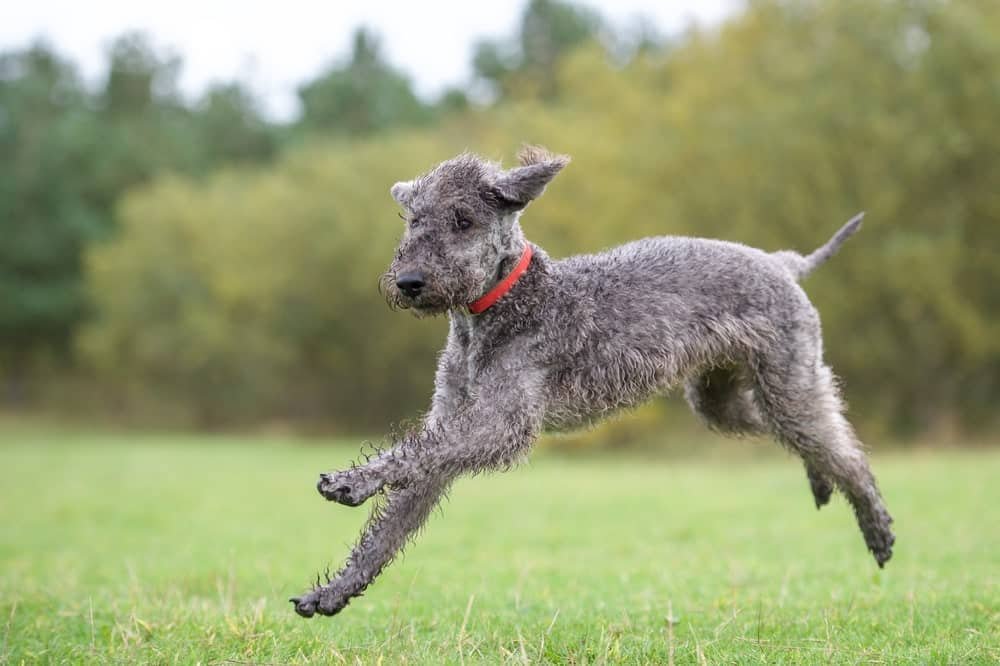
The coat of the Snickerdoodle dog is very shimmery as they inherit it from their parents Poodle and Schnauzer. They have a wavy and long hair. The coat is also very much soft. Their coat is also hypoallergenic, which is very much suitable for people with allergies.
The Snickerdoodles are found in various shades. These are White, Black, Grey, Brown, and Silver. The Snickerdoodle has a hypoallergenic coat and sheds less than other dogs and they require less grooming. The tail of the dog is pointed at the end like a raccoon’s tail.
Personality And Temperament:
Snickerdoodle dogs are loyal and intelligent dogs. This dog inherits the best traits from their parent dogs, Poodles and Schnauzers. These dogs are also quick learners and they excel in their training easily. This dog is devoted to their owner and the family. They develop a strong sense of protectiveness over the family. They are also very loving and caring.
Schnoodles are also very active and energetic dog breeds. To keep them in proper shape and healthy, they need exercise. They need regular playtime that meets their exercise needs. To keep them healthy a regular walk is also needed.
Schnoodles are very social dogs and need to socialize from an early age. We should also engage them in fun activities to create and strengthen the bond with the people. These dogs are good with kids as well as adults. So, keep them healthy mentally and physically by engaging them in training, dog sports, fun games, and Interactive games. These games also keep them happy and entertained.
Life Expectancy:
The life expectancy of a Snickerdoodle dog is between 12-15 years. To maintain a healthy life Snickerdoodle dog needs a balanced diet, proper nutrition, exercise, and regular check-ups.
Provide Snickerdoodle dogs with a high-quality diet and regular exercise. Mental stimulation is also important for keeping the dog’s mental health good. Regular exercise is very helpful for keeping the dog’s mental health. A regular check-up with a vet is also important to keep the dog healthy.
Health And Wellness:
Snickerdoodle dogs are happy, cheerful, and healthy dogs. However, like other dogs, Snickerdoodle dogs can also face some health issues. These health issues are…
Hip Dysplasia:
Hip Dysplasia is a medical issue that large dog breeds face. Snickerdoodle dogs inherit Hip Dysplasia from their parent Schnauzer. In this condition, Snickerdoodles do not develop their hip joint properly. This medical issue leads the dog to arthritis. In this condition, the dog needs regular checkups with the vet.
Cataracts:
Cataracts are one of the medical conditions that Snickerdoodle dogs face. In this situation, the vision of the dog is affected.
A regular check-up with the vet is helpful for the dog’s health issues. So, keep the dog in regular vet check-ups and maintain proper hygiene to avoid any kind of skin disease.
Grooming And Maintenance:
The appearance of the Snickerdoodle Dog is very unique. The coat is the reason for its unique appearance. Thus, the dog requires regular grooming and care to keep their coat healthy and shiny. See how to groom Snickerdoodle.
To remove the dirt from the coat, brush the coat at least once a week. This will not only remove dirt but also prevent the tangles as the fur is wavy.
The main advantage of the Snickerdoodle Dog is that it is less. To keep this less shedding wash the dog with a good quality dog shampoo once in two weeks. If we notice the dog is shedding more than it usually sheds take them to a professional dog groomer or a vet.
To keep the coat healthy, Snickerdoodle’s coat needs to be trimmed every 6-8 weeks. This will keep the dog’s appearance neat and clean.
Snickerdoodle Dog’s has a floppy ear. Like most dogs, Snickerdoodle dogs also tend to get ear infections. That is why cleaning Snickerdoodle Dog’s ear is very, very important to reduce the chances of getting an ear infection.
Regular nail trimming is also required for Snickerdoodle Dog. This will help to maintain the dog’s good hygiene and will also help the dog to avoid discomfort.
Conclusion:
As Snickerdoodle Dog is a rare and unique breed the grooming of the dog is very much important. To groom this dog, contact a professional groomer to keep the look of your beloved pet’s appearance best.
FAQ:
What does hypoallergenic mean?
A. Hypoallergenic is a type of coat that sheds less. Poodle or Dodle dogs are dogs that have Hypoallergenic coats. These dogs are ideal for people with allergies.
Are Snickerdoodle dogs good with kids?
A. Yes, Snickerdoodles are very much friendly and loving with kids. Not only kids, they also behave well with other family members.
What is the origin of Snickerdoodle Dog?
A. The Snickerdoodle Dog is a hybrid dog. It is created by crossbreeding a Schnauzer and a Poodle. The Snickerdoodle Dog is the perfect combination that has the best traits of a Schnauzer and a Poodle.
Here is why some people find Beagles difficult, focusing on what owners need to understand:
Beagles Are not “Bad,” Just Misunderstood
They are not the easiest dogs to own, but “worst” is subjective and often comes from a lack of preparation.
Your Experience is Amazing: This shows that with the right approach, Beagles can be wonderful companions!
Why People Struggle with Beagles
Hound Instincts: Bred to track by scent, they are independent, easily distracted by smells, and can have a strong prey drive.
Stubborn Streak: Smart, but also determined. Need firm but positive training, not harsh discipline.
Energy Levels: If bored or under-exercised, they get destructive or howl excessively.
Vocalization: Barking and baying are how hounds communicate; this can be annoying for some.
Separation Anxiety: Like many breeds, they need companionship. Being left alone all day leads to problems.
Are Beagles Right For YOU?
Honest Assessment: Do you have the time, patience, and lifestyle for a dog like this?
Early Training is Key: Socialization and obedience work is a MUST, or their instincts take over.
Outlets Are Essential: Long walks, scent games, and mental challenges help them burn energy the right way.
Not for Beginners: If this is your first dog, consider a breed known for being easier to guide.
Key Takeaways
Beagles are rewarding pets but demand effort. They are not a “lazy owner” breed.
If their needs are met, they are playful, sweet, and great family dogs.
Research ANY breed thoroughly. Do not just go by looks or what you see online!
5 Reasons Why Beagles Are The Worst Dogs
Often, beagles are considered to be the worst dogs. However, do you know why beagles are the worst dogs? I mean, why do some people consider them to be the worst dogs? If you ask me if beagles are the worst dogs or not, I will say Absolutely NO. Rather, my beagles are one of the most well-behaved dogs I have ever seen.
Then why do some people say that beagles are the worst dogs to have? Let me take you to the brief details of beagle dogs, their characteristics, and other things to understand the truth behind this saying.
Beagle Dog Breed: A Brief History Of The Breed
Do you know that beagle dogs are among the oldest dog breeds out there? This breed holds quite a long history. Beagles mainly originated around the 1830s in England. This breed was developed from many breeds, such as Talbot Hounds, Southern Hounds, and North Country Beagles.
Beagles were mainly meant to be hunting dogs in nature. Since beagles are hunters by nature, they are often hard to handle. Also, beagles are famous for being mischievous and stubborn dogs at times. However, in my opinion, my beagles are extremely determined, and thus, training my beagles was quite a challenge for me.
If you are a beginner pet owner, it is better to avoid choosing beagles as your pet. Handling a beagle and training is not a beginner’s cup of tea.
Why Beagles Are The Worst Dogs: 5 Reasons
As I have already mentioned above, beagles are not the worst dogs at all, but YES, there are a few beagles who justify the saying. However, there are valid reasons for that. There are some undeniable reasons make beagles bag dogs.
So, let us see the reasons why beagles are the worst dogs.
Being A Hunting Dog By Nature
Even After being among the least violent dogs out there, beagles are still considered hunting dogs. From my brief history section, you can see that beagles were mainly developed to be hunting dogs.
Being hunters in nature, beagles will show high prey drive at times. When these dogs start showing prey drive, they become uncontrollable at times, which makes people think that beagles are the worst dogs to have as pets.
For example, one time, I took my beagles to the nearest dog park. There, my beagle dog all of a sudden started barking at strangers, and I could not stop him even after so many attempts. This makes others think that my beagle is the worst dog in the park.
However, the truth is that this can happen to anybody. I mean, any dog can get agitated at times when seeing strangers. However, does that make the dogs worse? No, right?
Beagles Are Belong To Hound Category
Being a hound category dog, beagles are normally stubborn. Initially, Beagle dogs were used for tracking small animals like rabbits and then chasing the small animals until the dog’s owner took the shot.
Since they have chasing characteristics, they are independent in decision-making, which often makes them different from other dogs. However, it does not mean that beagles are the worst dogs. Yes, they are hard to handle but not impossible to handle.
Poor Socializing Skills
If you are an experienced dog owner then you must know how important it is to socialize any dog at an early age. Beagles are not exceptional in this case. Although being a hunter dog, socializing these dogs is harder than socializing other dog breeds, you can do it with proper training from an early age.
Normally, beagles are not very good at socializing, but with proper training from an early age, you can train to be a socially active dog. However, when you fail to socialize your beagles from an early age then you may face some issues with your beagle around strangers.
Some of the most common issues with poor socializing skills of beagles are as follows:
Fearfulness
Anxiety
Aggression
Excessive barking
Beagles Are Highly Energetic Dog Breeds
Beagles are extremely active dog breeds that need much exercise a day to exhaust their energy. Since they are highly energetic dogs, you need to make sure that your beagles get enough physical activity throughout the day.
If you fail to provide your beagles with proper physical activity a day and proper mental stimulation, your beagles are sure to get bored. Moreover, just like human beings, when beagles get bored, they become irritated, which makes them behave worse.
To avoid a lack of physical activity, make sure you offer at least 50 to 60 min of exercise or physical activity to your beagle dog. For this, I take my beagle for a walk in the evening for at least 30 minutes and play with him daily. You can do the same to provide enough physical activity to your dog.
Separation Anxiety
Just like any other dog breeds out there, beagle dog breeds, too, get separation anxiety. If you are a busy person with a beagle dog, then your dog will certainly be the worst. Since your dog does not get enough time to spend time with you, it gets separation anxiety, which leads it to become worse.
This is one of the most undeniable reasons for beagles to act weird. If you want your beagle to act nicely, you will have to make sure that you do not leave your beagle dog alone at home.
FINAL WORDS
So, with the above-mentioned explanation, I hope it is now clear that not all beagles are the worst-behaving dogs. Your dog may act weird if you fail to train your beagle properly. Moreover, training a beagle is not everyone’s cup of tea.
So, if you are a beginner pet owner who is trying to have a pet, do not go for a beagle. Only experienced pet owners can handle beagles. However, not all experienced dog owners can handle one.
You need to know in detail about the beagle dog’s training procedure before having a beagle as your pet to avoid unwanted misbehavior from your beagles!
Are you thinking of buying healthy puppies in the U.S.? If so, you have come to the right place. There are plenty of passionate, fantastic, and reputable dog breeders in the U.S. there who produce healthy puppies. However, there are even breeders who breed only to make a profit at any cost.
Such breeders often put returns before the newly breeder dog’s health. Therefore, before buying a dog, research properly and find a reliable breeder in your area. Puppies from reputable breeders tend to grow healthier and are temperamentally good dogs.
If you take the time to properly research and find a good breeder that breeds healthy puppies responsibly then you will have the chance of getting a healthy, happy dog that will live for a long time.
Thus, we have made a complete guide on how to find out the best dog breeders in the U.S. Also, we have made a list of the top 10 best dog breeders in the U.S. that you can trust.
Absolutely! Here’s a breakdown of how to find reputable dog breeders, plus key takeaways to ensure you get a healthy, happy puppy:
What Makes a Good Dog Breeder?
Health is Priority: They conduct genetic and temperament tests before breeding, ensuring your puppy has the best chance of a healthy life.
Transparency: They openly share information about the puppy’s lineage, health certifications, and living environment.
Passion, Not Just Profit: They truly love the breed, are invested in raising well-adjusted pups, and carefully screen potential buyers.
Support: They are available for questions and guidance even after you bring your puppy home.
How to Find the Right Breeder
Do Your Homework:
Breed Knowledge: Learn about the breed’s specific needs and potential health issues.
Referrals: Ask your vet, local breed clubs, or trusted friends for recommendations.
Initial Contact:
Visit the Facility: A good breeder will welcome you to see where the puppies are raised.
Meet the Parents: This gives insight into the puppy’s future temperament and size.
Ask Questions: Don’t be afraid to ask about health testing, breeding practices, and socialization.
Red Flags to Avoid:
Secretiveness: Lack of transparency about health testing or the breeding environment.
Pressure to Buy: A good breeder wants to ensure you’re the right home for their puppy.
Always Available Litters: Reputable breeders often have waiting lists.
Key Takeaways
Patience is Key: Finding the right breeder takes time and research. Don’t rush!
Trust Your Gut: If anything feels off, don’t be afraid to walk away.
A Good Breeder is a Partner: They become a valuable resource for the lifetime of your dog.
By following these guidelines, you’ll greatly increase your chances of finding a healthy, well-bred puppy and a breeder you can trust!
Who Are Dog Breeders?
A dog breeder is a person or a group of individuals who help dogs breed to produce healthy puppies. There are different kinds of dog breeders based on the experience and quality of raising puppies. So, the dog breeding procedure mainly means the artificial selection procedure of dogs to produce new and healthy puppies.
The dog breeder must ensure that the male and female dogs are in good condition and in sound health for breeding. There are several tests involved that ensure that the parent dogs are in good health and shape to produce a new breed. Here are the tests:
Temperament Testing
This test measures how well the parent dogs can interact with human beings and the environment.
Conformation Testing
This test makes sure that the dogs have the physical conditions for breeding. For example, appearance and structure as specified by the breed of the dog.
Genetic Testing
This test makes sure that the dog is purebred.
Health Testing
This one is the most important test. It determines any diseases or disorders that may affect the breed integrity. Any malformation will disqualify the dog from breeding purposes.
NOTE:
Before selecting a dog breeder, make sure they did all the above-mentioned tests while breeding puppies.
What Are The Signs Of A Good Dog Breeder?
If you look for a good dog breeder, you will see several breeders claim to be the best. But not every one of them is reliable. There are a few signs that will show whether the breeder is reliable or not. Here are the signs or characteristics that you need to look for before finalizing a dog breeder.
Responsible breeders will take you to show you around the environment where puppies are born. Also, they will introduce you to the parents of the puppy.
A responsible Dog Breeder will also share the vaccine record, medical history, and contact information of the vet.
Most popular breeders are more likely to have waiting lists than others
Will answer every question you have regarding their puppy’s background, care, puppy mill dogs, and also breeding practices
A good breeder will choose the family that shows the sign of being a good pet owner
If the breeders are good enough then they will never insist on or force you to buy from them
How To Find The Most Reputable Dog Breeders In The U.S.?
A reputable breeder generally invests a lot of effort, time, and thought into breeding each litter. So, choosing the best one among many breeders out there isn’t that hard. Here is how you can choose your dog breeder wisely.
Visit Breeding Center Yourself
Finding a breeding center online is easy in this era of digitalization. But it is always recommended to visit the breeding center in person before choosing a particular one. This way you check and analyze the place and the temperament of the puppies. This will help you determine whether the environment is good or bad.
Meet the Pup’s Parents In Person
When you see the pup’s parent, you will know exactly how your pup is going to grow up! This way you can assume your dog’s size, appearance, and temperament in the future.
Check Certifications And Health Standards
A professional breeder will surely follow the standards for mating, producing, as well as raising puppies. To make sure that the breeder produces and raises healthy puppies check whether the environment is hygienic and clean to give birth or not.
You can even ask for routine tests and vaccination certificates to check the puppy’s health. Also, ask for the genetic research reports of the pup. Good breeders will also show proof of the pup’s health screenings like CERF and OFA certificates.
Check Screening & Health Testing
Previously we have mentioned what tests are needed to produce a healthy puppy. So, before you decide to buy a puppy, make sure that the breeders did all the needed screening and health testing before producing a particular breed.
Check Service Quality
The best dog breeders offer exceptional customer service by responding to the clients in the best way ever possible. A Dog Breeder with U.S. Certification will even offer help with post-adoption favors with routine vaccinations and health checkups.
So, make sure the breeder offers you all the services you need even after the completion of the adoption.
Check If They Are Afraid of Questions Or Not
Good breeders are never afraid to reply to any question you have regarding their dogs. No matter if you have questions regarding the puppy mills or the environment or anything else about puppies.
Make Sure They Breed Only One Litter at a Time
Since raising puppies takes a lot of amount of effort, time, and work a breeder must raise only 1 litter at a time. If a breeder raises more than one litter at once then the breeder may not be showing the puppies the required attention at the critical time when they need the attention the most.
Make Sure The Breeders Choose The Family
A breeder must conduct a two-way interview. The two-way interview shows that the breeder is careful of the puppy. They care where their puppies are going. So, when a breeder chooses a family for their puppies, it shows their care and love for the newly bred puppies.
Be Patient
Do not hurry in buying or adopting a puppy for yourself. Be patient and continue researching to find out the best breeder in your locality. Patiently look for the details of the breeder, breeding dogs, etc. from clients. Patience is one of the most important aspects in finding the best among the huge number of options available there.
Trust in your Gut
You should always trust your gut feeling. If you somehow feel that the breeder is not a good one then simply move on to find another one. If the breeder is truly a good one, then your moving on won’t hurt them. But in case your gut feeling is right and you didn’t listen to your gut feeling, then you may end up having an unhealthy breed.
Get a referral
One of the best ways to find out the best breeder is to ask for referrals and recommendations from a trusted neighbor or friend. Or you can also ask for a referral from your veterinarian or contact any local breed clubs. This is because they have experience and knowledge of the best breeders in your locality and they know who is a responsible breeder and who is not.
Now as you know what to look for in the best breeder you don’t have to worry anymore about buying a new purebred puppy. Ensure to pick a highly trained and well-bred breeder in town. Here is a list of the top 10 best breeders whom you can trust in the U.S.
This is a family breeder in Jasper, Georgia that produces AKC Basset Hound puppies. Farmhouse Hounds has been working with pets for over 40 years. Their bassets are well-cared and well-tempered. We hope you’ll find the best basset at this Farmhouse Hounds.
Located in Washington, CTC Aussies is a quality breeding facility. It is ASCA DNA Certified and has some Australian Shepherds to produce litter occasionally. All their dogs are AKC and ASCA registered and their litters are registered with these registries as well. Their adults all have OFA-rated Good Hips and CERF-examined eyes every year. They have even tested for the HSF4 gene mutation and the MDR1 gene mutation.
Legend Bichons’ website introduces you to its Bichon Frise. Dogs from this website have AKC recognization for their merit. Bichons are versatile companions that make your family more enjoyable. So, you can consider buying them from Legend Bichons.
Dogwood Kennels undergoes all the required health tests before breeding Border Terriers. Thus, they fit well being one of the best dog breeders in the U.S. Dogs from Dogwood kennels are all AKC breeders of merit. Moreover, they are a member of the American Border Terrier Club.
Embrace Border Collies is an important member of the Border Collie Society of America (BCSA) and the Border Collies Club of Greater Los Angeles (BCCGLA). They are in a good place with AKC. So, you can trust them.
The breeder of Ultimate Bulldogs is an AKC judge, an AKC breeder of Merit, and also a Bulldog Club Of America Second tier Hall Of Fame Breeder. This breeder is dedicated to breeding and also sports Dog Exhibition. Ultimate Bulldogs has some incredible experiences to make lifelong companions who share their passion for Bulldogs.
Balgaire Cavaliers offer a health guarantee on the puppies they breed. Dogs from this breeder have excelled in performance and conformation. This breeder is also an associate of the American Cavalier King Charles Spaniel Club. Also, they are AKC-recognized breeders of merit.
Glentom Bull Terriers perform health testing, such as UPC ratio, echocardiogram, BAER, and patella (kneecap) luxation clearance testing before breeding. They are BTCA (Bull Terrier Club of America), Texas Gulf Coast BTCs, as well as BTC Dalla members. All their Bull Terriers are carefully raised in their home with them.
Silvercreek Chesapeakes produce, enjoy, and provide happy, healthy dogs that serve a wide variety of ideals. Adhering to ethical, strict breeding practices, this breeder quickly acquired a reputation for breeding quality Chesapeake Bay Retrievers. Silvercreek Chesapeake dogs have earned titles such as GCH, OTCH, UD, QAA, NAJ, NA, OAJ, OA, and WDX.
With more than 20 years of knowledge in breeding Corgis, Magnolia Creek Corgis has become top-of-mind for Corgi breeders. They are acknowledged by the AKC (American Kennel Club) and also the CKC (Continental Kennel Club). As soon as you get a dog from them, you will also get a go-to person for any Corgi advice.
Basset Hound Laying on the Grass
How We Chose The Best Dog Breeders?
There are some special factors you need to consider while choosing Breeders. We followed those factors to make our list of the top 10 best dog breeders in the U.S. Here are the factors we considered:
Checked The AKC License
American Kennel Club (in short AKC) is a registration that dog breeders do to show their credibility. The dogs registered under the AKC club are popular as a sign for customers to look out for when choosing breeders in the U.S.
It’s a non-profit dog organization. AKC is recognized for its puppy care services. There are a lot of programs in this club that proves the breeders’ reputability. We checked whether the breeders are AKC licensed or not while making this list.
Checked Health Clearances
In our opinion, health clearance is a vital feature in reputable breeders. Genuine breeders in the U.S. do health testing before breeding. It’s guaranteed to get an AKC-cleared puppy when you have the health clearance. You don’t have to worry about the illnesses or diseases the puppies may get.
Checked Information Listing
The breeders we named in our article all come with detailed information. They offer all the required information publicly. Thus, you can check their reputation through online reviews. Because of their reputable techniques for breeding, there is clarity in their services.
Checked Breed Club
Nowadays, purebred dogs are difficult to find. A lot of dishonest breeders concentrate mainly on profits. Thus, they don’t breed dogs properly in a healthy way. However, breed clubs have taken the initiative to identify purebred dogs. Therefore, we made sure that the breeders listed in this article are all qualified by breed clubs.
Checked The AKC Merit
This is another advantage offered to genuine breeders by AKC. These organizations deliver the merit award certificate for the breeders who are best-in-town. The breeders with an AKC merit are outstanding. So, we made sure all the above-mentioned breeders have AKC merit.
FINAL WORDS
Although there are a lot of excellent breeders with good intentions, also, scammers are looking to profit from our pet love. So, to make the right decision, make sure you look for the above-mentioned characteristics and get the most reputable dog breeder in your area.
Absolutely! Here’s a breakdown of awesome sheepdog breeds, along with key takeaways about these hardworking canines:
Types of Herding Dogs
Herding dogs come in all shapes and sizes, bred to thrive in diverse terrains. They control herds in different ways:
Headers: Like Border Collies, they take the lead, using intense stares and movement to keep livestock together.
Heelers: Including Australian Cattle Dogs and Corgis, these dogs drive animals forward, sometimes nipping at their heels.
Combo: Breeds like Australian Shepherds combine both herding styles for maximum efficiency.
Top 15 Sheepdog Breeds
Bearded Collie: Beneath that massive coat is a graceful, energetic dog. May be stubborn, so they need early and consistent training.
Border Collie: The undisputed herding champion. Incredibly smart, they need a job to do – be it herding, sports, or intense training.
Shetland Sheepdog: Like miniature Collies, these smart companions are easy to train and great for agility sports.
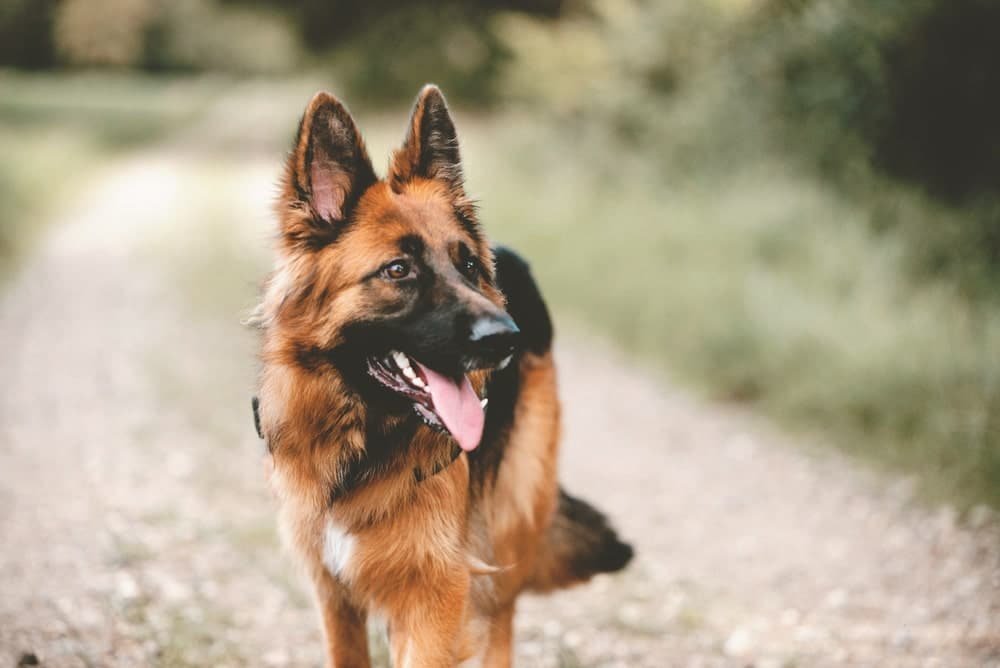
German Shepherd: Loyal and trainable, often seen in law enforcement or as dedicated family protectors.
Belgian Malinois: Similar to German Shepherds, they’re athletic workaholics prized for their intensity and endurance.
Polish Lowland Sheepdog: Shaggy and independent, these guardians need patient, experienced owners.
Komondor: Those “mop-like” cords disguise a powerful guardian dog. Reserved with strangers but playful with family.
Miniature American Shepherd: Like a smaller Aussie, great for those wanting a smart dog with less exercise needs.
Australian Shepherd: Super intelligent and loyal, they love having a job. Prone to herding kids and pets if not trained.
Briard: This French breed is both herder and guardian, making them watchful and affectionate family dogs.
Icelandic Sheepdog: Viking descendants, they’re versatile farm dogs who thrive with lots of activity.
Australian Cattle Dog: Bred for tough Aussie conditions, they’re tireless workers and need a LOT of mental and physical stimulation.
Puli: Their corded coats are iconic. They’re smart and energetic, needing work or they’ll invent their own ‘herding’ activities.
Old English Sheepdog: Gentle giants with a funny ‘bobtail’. Protective without aggression, preferring to pin threats than attack outright.
Great Pyrenees: Majestic mountain guardians, big enough to protect against bears! Their thick coat needs significant upkeep.
Key Takeaways
Born to Work: Sheepdogs NEED mental and physical outlets to thrive. Not ideal for inactive lifestyles.
Training is Key: Their intelligence and herding instincts can backfire without consistent training and focus.
Amazing Companions: When properly exercised and trained, these breeds are loyal, protective, and amazing family dogs.
Research is Crucial: Match your lifestyle to the energy level and grooming needs of the breed you choose!
Remember: A happy sheepdog is a working sheepdog (even if that ‘work’ is learning tricks or agility courses). If you’re up for an active, devoted best friend, these breeds are incredible!
15 Top And Best Sheep Dog Breeds :
Sheepdog is suitable for people who love sports and travel. It will be difficult for pensioners and inactive owners to cope with her energy, which is fraught with the appearance of destructive behavior.
Herding dogs manage their flocks in slightly different ways. For example, the border collie stays in the lead of the herd and uses its piercing gaze to deter wanderers and keep the herd gathered.
Heelers are dogs that drive animals forward, such as Australian cattle dogs or corgis. They typically follow the herd. Several breeds, like the Old English sheepdog and Australian shepherd, combine both. So, see below the top 15 sheep dogs breed.
1. Bearded Collie:
A rather large dog, which, due to its very long and thick coat, may seem massive, but it is not. If you remove the fur, it turns out that the Bearded Collie is built quite gracefully, he has a light skeleton, high paws, and a rather long muzzle.
Bearded collies are clever dogs with high exercise requirements that have their origins as herding dogs in Scotland. They can be a little stubborn as well, so it’s crucial to begin obedience training early and be consistent with them. They enjoy open areas where they may run freely and require a lot of care to thrive.
Bearded collies fell in love with shepherds, because they turned out to be very unpretentious, strong, and long shaggy hair protected them from bad weather and thorny bushes.
By the way, the name of Scottish Cattle Dogs correctly sounds like “collie dog”, and collies are a breed of black-headed sheep that they herd.
2. Collie:
In the British Isles, Border Collies have been used to herd sheep for more than a century. These dogs, who may be the most intellectual in the world, require a task, whether it is herding or preparation for a dog sport. Keeping a border collie entertained is difficult.
The breed was bred to look after sheep on farms. Aggression and collies are incompatible concepts, however, wolves never attacked the owner’s lands guarded by these large dogs, as they were afraid of them.
Initially, all representatives of the breed had a dark color. It is believed that their homeland is Scotland. The breed spread in Europe thanks to the nomadic Scottish tribes who came to England.
Through selective breeding, light collies have emerged that are far superior to their ancestors in terms of size and working potential.
3. Shetland Sheepdog:
Easily confused with a collie. Their main difference is miniaturization. Because of her, four-legged poor fellows almost lost their jobs. Giant sheep, bred by British farmers in the 19th century, completely refused to listen to those who were smaller than them.
As a result, the breed was saved by enthusiasts who achieved international recognition and popularization of these smartest quadrupeds.
Shetland sheepdogs, sometimes known as Shelties, are energetic, agile herding dogs that have their origins in Scotland’s Shetland Islands.
They tend to be simple to train because they are so bright and eager to please. Dog games like agility and flying disc are great for these athletic, extroverted dogs because they help them burn off some energy.
Despite being much smaller, these dogs resemble their relative, the rough collie. They have comparable traits and are intelligent, sociable, and loving creatures. They are good watchdogs since they are fiercely devoted to their families.
4. German Shepherd:
Possibly the first breed that springs to mind when you hear the word “shepherd dog” is the German shepherd. The German breed was created to work on farms and cattle herding dogs, but it is also highly regarded in law enforcement. German shepherds are frequently exceptionally smart, devoted, and trainable.
The most popular type of shepherd is. Thanks to their unusually developed intelligence and obedience, these four-legged animals constantly appear in TV shows and films about the police.
Among the most intelligent breeds, they take an honorable 3rd place, do not strive for independence, and are happy to learn new teams.
The owner of the “Germans” is always in the first place. For the sake of his protection, they are ready to sacrifice their lives, so such a responsible defender can be entrusted with a calm soul to a child.
These animals treat children with special awe and love. They can harm the kids only by chance, without calculating their strength during the game.
5. Belgian Malinois:
One of four closely related Belgian herding breed is the Belgian Malinois. For good reason, there are a lot of Belgian Malinois who work in law enforcement. These dogs are able to endure long days of labor.
They require an owner who will properly teach them because they are intelligent and will push themselves to the maximum.
This breed originates in Belgium at the end of the 19th century. Belgian sheepdog breeders noticed that over the long years of breeding in the country, local shepherd dogs began to differ greatly from their closest relatives German or Scottish.
And more and more often they are not bred to herd herds but as guards and companion dogs. Then they decided to separate the Belgian Shepherd into a separate breed, and later it split into four subspecies, which became separate breeds.
The names of the breeds were given according to the regions where they were most popular. Long-haired Belgians, red-haired with a black mask were called Tervuren, pure black with long silky hair Groenendael, fawn shepherd dogs with coarse hair were called Laekenois, and short-haired with a black mask became Malinois.
In 1892, Professor Adolf Royle recorded these differences in the breed standard. Dog breeders have studied the personal qualities of Belgian Shepherds and have come to the conclusion that they are distinguished by agility, intelligence, and obedience.
6. Polish Lowland Sheepdog:
As livestock guardian dogs, the Polish lowland sheepdog is well-liked in that country. This breed requires a devoted owner because it is headstrong, animated, and confident.
It needs to be brushed daily due to its thick, double coat of shag. Also, this dog needs intensive training because of how difficult it can be to train this type of dog. The foundation stock for bearded collies was probably this breed together with Scottish herding dog breeds.
7. Komondor:
Komondors resemble revived mops. In adolescence, their hair becomes tangled into dense cords, and up to this point, it resembles ordinary astrakhan fur.
Non-standard appearance is a unique element of disguise. With its help, dogs easily mix with a herd of sheep, catching attacking predators by surprise.
The long isolation of the homeland of the Komondor excluded its mating with other breeds. This made it possible to avoid genetic diseases and maintain a fairly high life expectancy.
“Hungarians” are friendly and sociable. They mature for a very long time and retain their childish restlessness for up to 2-2.5 years.
8. Miniature American Shepherd:
The tiny American shepherd has a lot of intelligence and drive, just like its larger Australian shepherd cousin. But because of its little size, it’s a little bit simpler to work out than a bigger shepherd. American miniature shepherds are well-liked by equestrians and frequently get along well with horses.
The Miniature American Shepherd is one of the youngest breeds. She was bred in the 60s in California by selecting small Australian Shepherds. According to some reports, the blood of various small dogs similar in phenotype was added to them. Doris Cordova of Mink, California was one of the first to breed miniature Aussies.
9. Aussie:
The Aussie is an athletic, flexible dog of medium size, slightly elongated. These dogs are very muscular and powerful enough to work all day without sacrificing the speed and agility needed to manage livestock.
The dog’s double coat is weather resistant, with an outer coat of medium texture and length. Each of these colors may have orange tan or white markings in various combinations on the face, chest, and legs.
The Aussie is one of the most intelligent and friendly breeds. She is very devoted to her master and adores the rest of the family, which includes not only people but also other pets.
The Aussie is just happy if she can please her beloved person, and this wonderful dog catches his desires just on the fly. Moreover, she comprehends them and sometimes finds such witty solutions that even a person would not have thought of.
10. Briard:
This smart, active sheep herding dog is from the same region of France that produces the well-known Brie cheese. The adaptable Briard was a herder and flock keeper.
This dual-purpose dog was beloved and respected by the French. The Briard was a common breed on French farms for a very long time. The breed is also quite affectionate and enjoys human attention, although it is brutal in the fields.
11. Icelandic Sheepdog:
The sole native breed of Iceland is the Icelandic sheepdog. More than a thousand years ago, Viking settlers brought the progenitors of this dog to Iceland.
Medium-sized dogs can do a variety of farm tasks, including protection, and are skilled at herd livestock. The breed needs room to run loose since it needs a lot of exercise.
12. Australian Cattle Dog:
Australian cattle dogs were created to herd cattle in the Australian Outback during periods of heavy rain and very hot weather. Collies, Dalmatians, and even dingos are in their past. These canines are sharp, resilient, and active.
They make excellent running partners and require a regular, intense workout. They also need cerebral exercise from obedience training, dog sports, and puzzle games.
13. Puli:
In Hungary, lands have been protected and sheep have been herded for centuries using the Puli. The modern Puli still has the impulse to guard and watch, as well as the instinct to gather and drive a flock of sheep.
If there are no sheep nearby, the Puli will herd any moving object, including children, dogs, and chickens. While out with the flock, its thick corded coat, which resembles a mop, shields it from the environment and predators.
14. Old English Sheepdog:
Old English sheepdogs are very friendly. Aggression is alien to them, but this does not at all prevent them from repelling predators and other intruders.
Instead of a direct attack with teeth and claws, they prefer to pin the intruder in a corner and hold him there with their weight until the owner arrives.
The main feature is a short tail. He appeared thanks to the ingenuity of the British. In the 18th century, a tax was introduced on the territory of England on all four-legged pets, except for service ones.
In addition to a certain job, they were distinguished by a docked tail, and it was this that the tax collectors checked. For this reason, the demand for docking has skyrocketed, leaving most dogs with tiny stumps instead of their former luxury.
15. Great Pyrenees:
Great Pyrenees mountain dogs are fierce guard dogs that congregate in open areas. One of the biggest sheepdog breeds in the world, it can defend itself against wolf and brown bear assaults.
When operating at a great altitude in the mountains, the Great Pyrenees is shielded from the weather by their thick coat.
Great Pyrenees dogs guard the flock’s perimeter while continuously retracing their steps and keeping an eye out for any threats. In the face of danger, they remain composed and patient while also acting swiftly to defend the flock.
Conclusion:
Sheepdogs are renowned for being obedient, quick, brave, and friendly. Be sure you have the means to provide one of these new pals with the training and exercise they require before adopting them. Taking care of and moving your sheep will be ten times easier if you have a sheepdog.
Do you want a dog, but there is not enough space at home for a big one? And there is no time to walk for two hours a day? Take a look at the list of the best small dog breeds in this article below.
Miniature dog breeds are breaking all records as every year they’re receiving more and more love and preference from dog parents. Understandably, small size, and unpretentiousness in care, maintenance, and walking makes a dog parent choose specifically in favor of toy dog breeds. Ready to know which breeds are at the top of the smallest dogs list and why?
Let’s now know in detail about some of the most popular small dog breeds that you can have even in a small apartment. Because all these small dog breeds are perfect for small apartment living.
What Breeds Are Small Dogs Breed?
Although there are various AKC (American Kennel Club) groups for small dogs, there’s an ideal breed for any fan of small dog breeds in terms of temperament, degree of activity, and also coat type. Depending on height and weight, small dogs are divided into three groups:
Toy dog breed (up to 28 cm and 2 kg)
Dwarf dog breed (up to 35 cm and 5 kg) and
Small dog breed (up to 40-45 cm and 10 kg)
The smallest breed in the world is the Chihuahua. Among the miniature representatives of the canine family, one can meet both the usual Pekingese, pugs, and Yorkshire terriers, as well as snow-white Bichons Frize and Papillons – favorites of kings.
Small breeds of dogs have a special, disarming charm. Cute, affectionate, and smart, these pets will help relieve stress after a hard day and will happily take a seat next to the owner on the couch. At the same time, you should not underestimate the crumbs and treat them like toys. Animals need attention, education, and care.
So, let’s now check out the top 10 best small dog breeds that you can buy in 2023 to keep in your small apartment.
List Of Top Small Dogs Breed
Very often, when choosing a pet, urban residents consider small breeds of dogs. And no wonder: miniature four-legged animals are easier to keep in an apartment – there is no need for a large space. So, here is a list of the best small dogs.
American Eskimo dog
The American Eskimo Dog is incredibly good-looking, but that’s not what he’s valued for. Representatives of this breed are ideal pets that combine the qualities of a companion and an excellent watchman.
They are easy to train, which is why Eskimos are so often seen at agility competitions. These Pomeranians are incredibly loyal, practically in love with their owners, enjoy playing with children, and are ready to make friends with any stranger, but only if he is introduced by “their people”.
Other Names
American Spitz
American Eskimo Spitz
Miniature Eskimo Dog
Eskie
Standard Eskimo Dog
Spitz
Toy Eskimo Dog
Temperament
American Eskimo dogs are affectionate and loving small-breed dogs. Playful and Hardy, they’re excellent with kids. This little dog is not only charming but also alert, intelligent, and eager to please the owner.
Weight And Height
Toy: 6 to 10 lb and 9 to 12 inches
Miniature: 10 to 20 lb and 12 to 15 inches
Standard: 18 to 35 lb and over 15 to 19 inches
Health Issues
Prone to progressive retinal atrophy and hip dysplasia. Some are also allergic to fleas. Can gain weight if overfed or if it doesn’t get enough exercise.
Alaskan Klee Kai
Do you dream of a husky, but your rooms are too small for a large dog? There is a great way out – get an Alaskan Klee Kai. It looks just like a husky but weighs up to 10 kilograms. This is a high-energy breed with a big personality.
Other Names
Miniature Alaskan Husky
Klee Kai
AKK
Mini Husky
Temperament
These dogs shed and bark a lot as well as have a high level of energy, thus, not making them perfect choices for beginners. Without proper daily physical exercise, these dogs may become high-strung.
Weight And Height
Toy: Under only 10 lb and only 13 inches
Miniature: 15 lb and 13-15 inches
Standard: 23 lb and 15-1705 inches
Health Issues
Prone to exposed stomach issues
Boston Terriers
Affectionate nature and great with older children, the Boston Terrier is different from other dogs of the terrier category – he does not have an explosive temperament. But this dog loves attention, so get ready to stroke your pet for hours.
Other Names
Boston Bull Terrier
Boston Bull
Temperament
They are alert, gentle, well-mannered, enthusiastic, and very intelligent. Boston likes to learn and thus isn’t difficult to train.
Weight And Height
Weight: 10 to 25 lb
Height: 15 to 17 inches
Health Issues
Prone to issues with eyes, such as late-onset cataracts, juvenile cataracts, entropion, glaucoma, distichiasis, corneal dystrophy, cherry eye, corneal ulcers, and Keratitis Sicca (dry eyes). Also, they are highly exposed to patellar luxation, deafness, and heart & skin tumors, such as mast cell tumors.
Bichon Frise
A Terrier-crossed English Bulldog breed that is amiable, devoted, and well-behaved. Because of this, they have an intriguing appearance, including a flattened muzzle, long ears that protrude, and huge eyes.
The Boston Terrier behaves honorably and does not drool, unlike bulldogs. This member of the Bichon family is renowned for its intellect, gentleness, and wit, making them an excellent family pet.
Other Names
Bichón Tenerife
Bichon à poil frisé
Temperament
They are fluffy, small white dogs that love human company. They have a self-sustaining spirit and are affectionate, intelligent, lively, and bold. This gentle, dog charming isn’t a yapper. Its self-assured, joyful temperament makes it easy to live with.
Weight And Height
Weight: 7 to 12 lb
Height: Females 9 to 11 inches, Males 9 to 12 inches
Health Issues
Some are highly prone to cataracts, watery eyes, ear, and skin ailments, also dislocated kneecaps and epilepsy. They can also be especially sensitive to bites of fleas.
Brussels Griffon
This dog is also a Belgian Griffon and Petit Brabancon. These small – weighing up to six kilograms – dogs are smart and friendly. And they invariably attract attention with an almost human facial expression.
Other Names
Brussels Griffon
Griffon
Griffon Belge
Petit Brabancon
Griffon Bruxellois
Belgian Griffon
Temperament
It’s a cheerful intelligent dog with the disposition of a terrier. They not only make s great companions but also is good with other pets and even your family cat.
Weight And Height
Weight: 6 to 12 lb
Height: 7 to 8 inches
Health Issues
Prone to have slipped stifle, respiratory and eye issues. Sensitive to heat.
Chihuahua
Named after the Mexican state of Chihuahua, these loyal and energetic dogs prove that happiness is sometimes delivered in small packages: to be precise, parcels up to three kilograms. These tiny dogs are distinguished not only by their courage and fighting spirit but also by their good health and high intelligence. It is a Mexican national dog.
Other Names
Chihuahueño
Temperament
They make one of the best furry friends. They were originally bred to be courageous, proud & adventurous, extremely lively, and affectionate. These dogs are also very cheerful, brave, and also agile. They are just the right size to make great companions in your small apartment.
Weight And Height
Weight: 2 to 6 lb
Height: 6 to 9 inches
Health Issues
Cavalier King Charles Spaniel
Both King Charles I and Charlotte York from Sex and the City-owned these affectionate and gentle dogs. These spaniels were originally bred as hunting dogs, but now they are much more likely to act as companions. To maintain their silky coat, do occasional brushing. Regular brushing will keep their coat silky and smooth.
Other Names
Blenheim Spaniel
Ruby Spaniel
Temperament
They are affectionate, eager, and also happy, always appearing to be waggling their tail. Sportive and outgoing, these fun-loving, brave, and energetic little dogs are willing and eager to please.
Weight And Height
Weight: 10 to 18 lb
Height: 12 to 13 inches
Health Issues
Prone to syringomyelia, genetic eye disorders such as patella (dislocating kneecaps), cherry eye, back troubles, early onset of hearing trouble or deafness, and ear infections. Often hip dysplasia. Tends to easily gain weight. Also, prone to heart problems.
Cairn Terriers
The Cairn Terrier dog is one of the oldest terrier breeds. These dogs are distinguished by independence, as well as a rather sharp disposition. Cairn Terriers do not get along very well with cats, and they do not like other dogs either.
Other Names
Cairn
Temperament
They are alert, hardy, curious, loyal, lovable, cheerful, and also a friendly dog who enjoys playing with kids.
Weight And Height
Weight: Females 13 to 17 lb, Males 14 to 18 lb
Height: Females 9 to 12 inches, Males 10 to 13 inches
Health Issues
Usually allergic to fleas and easily gains weight so they need consistent training.
Yorkshire Terrier
The Yorkshire terrier dogs weigh up to 3 kg, but they have crazy energy. Yorkshire Terrier dogs are hypoallergenic, and their coat is similar to your hair: it has no undercoat and rarely falls out. Yorkies are true terriers.
Other Names
Yorkie
Temperament
They’re eager for adventure, highly energetic, loyal, clever, and brave. The Yorkie is a great companion! They are affectionate with their master, but they can become distrustful of strangers and fierce to strange small animals and other dogs.
Weight And Height
Weight: 7 lb
Height: 6 to 7 inches
Health Issues
Prone to bronchitis, slipped stifle, eye infections, poor anesthetic tolerance, early tooth problem, and also delicate digestion. If your dog shows any sign of early tooth decay make sure you take him to the vet.
French Bulldog
Representatives of this breed are smart, mobile, have a stable psyche, love children, and joyfully welcome guests, but in case of danger, they are ready to protect all family members. Some of them may be aggressive towards other dogs and cats, but this depends on the temperament of the individual dog.
Other Names
Frenchie
Bouledogue Francais
Temperament
They are pleasant and easy-care companions. Playful, affectionate, and alert, making this small package with big personalities the perfect small companion. Also lively and enthusiastic, without being loud and yappy, which makes it an almost barkless dog.
Weight And Height
Weight: Female 19 to 22 pounds and male 22 to 28 pounds
Height: up to 12 inches
Health Issues
Prone to joint problems, heart defects spinal disorders, and also eye problems. They often experience respiratory problems.
Jack Russell terriers
Everyone knows Jack Russell Terriers – they managed to light up in many films. The reason filmmakers love Jack Russell terriers so much is that they have a sharp minds and a high ability to learn. But keep in mind: Jack Russell terrier needs long walks and can be quite stubborn.
Other Names
Russell Terrier
Jack
Rebel Terrier
JRT
Temperament
They are merry, cheerful, loving, and devoted. It’s obedient and spirited, yet fearless.
Weight And Height
Weight: 11 to 18 lb
Height: 8 to 15 inches
Health Issues
Prone to kneecap dislocation, inherited eye infections, Legg Perthes, and deafness. Also, prone to issues like mast cell tumors.
Shih Tzus
Shih Tzu dogs are so adorable that they will melt the heart of even the most severe person. Also, Shih Tzu dogs are gentle and loyal, but proud and sometimes a bit stubborn streak.
Other Names
Lion Dog
Chrysanthemum Dog
Chinese Lion Dog
Temperament
Alert, lively, gentle, happy, hardy, loyal, and also packed with character. They can easily make friends and responds to patient, consistent training well. They are perfect alert watchdogs.
Weight And Height
Weight: 9 to 16 lb
Height: Not more than 11 inches
Health Issues
Prone to spinal disc disease and slipped stifle caused by short legs and long back. Also, they may suffer from ear infections and eye problems like cherry eye, as well as may get early tooth loss, can have respiratory problems, easily gain weight, etc.
Toy poodles
Initially, the toy poodle was a working dog, but over time it became a companion as they enjoy hanging with people. This did not prevent the dogs of this breed from maintaining a sharp mind – the poodle ranks second in the ranking of the most intelligent breeds compiled with different personalities.
Highly responsive, remarkably intelligent, and among the fastest animal to be easily trained. Cheerful, sweet, lively, and perky, it likes older kids. They are also even-tempered.
Weight And Height
Weight: 6 to 9 lb
Height: Not more than 10 inches
Health Issues
Subject to numerous genetic diseases and may suffer from Anemia, diabetes, slipped stifle, heart disorders, epilepsy, PRA, ear infections, runny eyes, and also digestive tract issues.
Toy Fox Terrier
Other Names
Amertoy
American Toy Terrier
Temperament
It is active, intelligent, curious, loving, inquisitive, pleasant, alert, sensitive, and also very quick.
Weight And Height
Weight: 3.5 to 7 ib
Height: Up to 10 inches
Health Issues
Fairly healthy dog breeds; nevertheless, some are inclined to stifle and Legg-Calvé-Perthes, which are specific toy problems. They are often allergic to wheat, beet pulp, and corn.
FINAL WORDS
Summing up, it is worth remembering that the breed must be chosen not only for beauty and character but also to pay attention to the size. Large breeds will be cramped in small apartments. Such dogs need a long walk, exercise, and proper nutrition. So, if you don’t have much time and a small apartment then small dogs are your best choice.
You may think your family dog is a highly intelligent breed, but in fact, they are among the least trainable dogs. If that is the case then you may have to face a lot of issues training such dogs.
That is why, people often search for popular dog breeds that are the most intelligent ones. Dog intelligence, just like human brains, comes in numerous forms that help dogs in obedience training. So, below, we have prepared a list of the smartest dog breeds according to the American Kennel Club (AKC).
Here’s a breakdown of some of the smartest dog breeds, plus key takeaways about what makes a dog intelligent:
Types of Dog Intelligence
Instinctive Intelligence: What the breed was originally designed for (herding, retrieving, guarding, etc.)
Adaptive Intelligence: Learning to solve problems on their own.
Working and Obedience Intelligence: How well they understand and follow commands.
Smartest Dog Breeds
Border Collie: The undisputed champion! Bred for herding, they’re incredibly intelligent, energetic, and need lots of mental and physical stimulation.
German Shepherd: Known for their intelligence, loyalty, and work ethic. They excel in police and military roles, as well as being great family dogs.
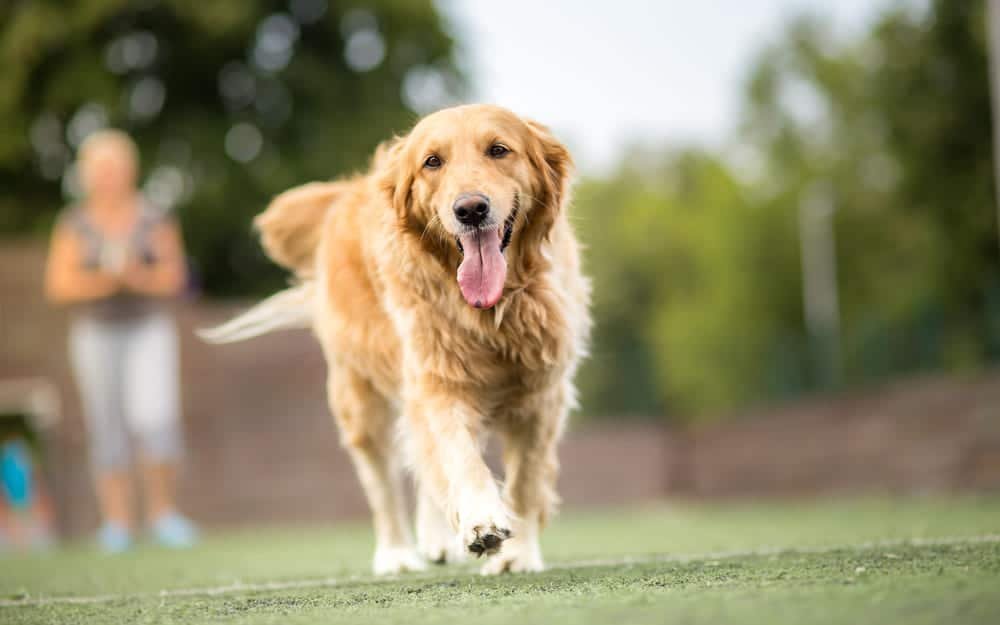
Golden Retriever: Friendly, eager to please, and highly trainable. Common as service or therapy dogs due to their temperament and intelligence.
Doberman Pinscher: Originally bred as guard dogs, they’re smart, protective, and athletic.
Shetland Sheepdog: Smaller herding dogs known for quick wits and obedience. They often excel in dog sports like agility.
Labrador Retriever: Beloved family dogs, but also used for important work like search-and-rescue due to their intelligence and trainability.
Poodle: Don’t let the fancy haircuts fool you! Poodles are highly intelligent and were originally hunting dogs.
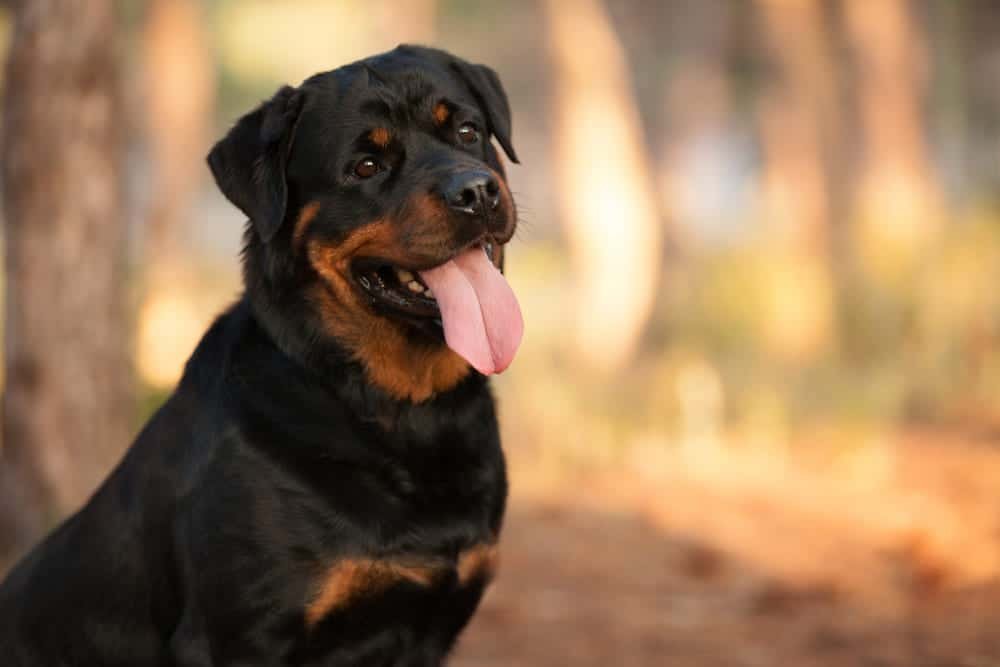
Rottweiler: Powerful and protective, but also smart and eager to work.
Australian Cattle Dog: Bred for herding in tough conditions, making them independent, tough, and very clever.
Papillon: These small, alert dogs are far from just lapdogs. They’re surprisingly trainable and athletic.
Key Takeaways
Smartest Doesn’t Mean Easiest: Highly intelligent breeds need even MORE mental stimulation to prevent boredom and destructive behaviors.
Training is Key: Even the smartest dog needs consistent, positive training to reach its full potential and be a well-behaved companion.
Find the Right Fit: Consider your lifestyle when choosing a breed. A Border Collie won’t be happy in a small apartment, but a Papillon might thrive!
Remember: Every dog is an individual. With love, training, and understanding, dogs of any breed can be amazing companions!
List Of Top Smart Dogs Breed
Below, we have prepared a list of the most intelligent dog breeds that you can buy as your guard dogs. However, before knowing about the originally bred specifically popular breed that is the most intelligent one, let’s first know what makes a dog smart.
Well, is it their capability to learn something new, how they obey the owner’s commands, how much they are eager to please the owner, or anything else? However, the fact is some canines are smarter than others.
Thus, let’s now take a close look at the smartest dog breeds below. A smart dog can be a toy breed, a therapy dog, a gun dog, a guard dog, a working dog, etc. with natural abilities. So, let’s check the list below to know what dogs are considered the most intelligent dog breeds.
Border Collies
Origin Country: UK
Time of origin: 1570
Weight: 25 to 30 kg
Height: 50 to 56 cm at the shoulder
Lifespan: 12 to 14 years
The Border Collie is the smartest dog breed in the world. The border collie is a devoted smarty and incredible workaholic, openly despising a passive lifestyle and becoming indescribably delighted with any activity associated with increased physical activity and energy consumption.
Representatives of this obedient companion are considered the smartest for unprecedented intelligence, high levels of energy and efficiency, extraordinary instinct, and workaholic character.
Border Collie is an incredibly fast learner. These shepherd dogs, who used to watch herds of sheep, have retained their powers of observation and agility. Thanks to highly developed speed and concentration, the Border Collie dog breeds achieve high sports results in agility. And Border Collie dog breeds are unpretentious pets that are suitable for families with children.
This dog started as a herding dog breed for sheep and herd livestock in Scotland and England. You will find this properly trained dog to be hard-working with great intelligence and instincts.
German Shepherds
Origin Country: Germany
Time of Origin: The end of the 19th century
Weight: 25 to 40 kg
Height: 55 to 68 cm
Lifespan: 8 to 10 years
The German Shepherd consistently ranks at the top of lists of the most devoted, smartest, and easiest to train dogs. German Shepherds are frequently used by the military and law enforcement. You may also have seen them as police dogs. Among the smartest dog breeds is represented by intellectuals who put their skills to work by being trained to discover bombs and drugs as well as other crucial tasks.
These dogs are capable of learning the commands the first time; they are robust, intelligent, and brave. They are very simple to train. German Shepherds are renowned for being faithful family protectors in addition to being outstanding service dogs. Remarkably, this dog breed was carefully produced with intelligence in mind.
This intelligent dog breed happily serves as a police dog, watch-guard dog, medical assistance dog, and also a therapy dog, so it is no wonder that consistent obedience comes with this breed.
Golden Retriever
Origin Country: UK
Time of Origin: 19th century
Weight: 27 to 40 kg
Height: 51 to 61 cm
Lifespan: 11 to 13 years
Golden Retrievers are smart hunters, impeccable family dogs, reliable friends, responsive to affection, and have a kind attitude toward their owners. A properly educated golden Retriever will willingly fulfill any master’s command and at the same time will not behave as if he had accomplished the greatest feat in the world.
Big, amiable retrievers are capable of learning almost 200 instructions! Because of their reputation as dependable helpers, persons with disabilities frequently choose to keep these dogs as pets. Golden retrievers are highly intelligent and are even utilized in search and rescue efforts. They make outstanding service dogs thanks to their agility and obedience as well as their outgoing personalities.
They are unpretentious in care and very obedient in training, and they also skillfully perform various tasks. Great pets and friends for the whole family. They are great therapy dogs and can work as search and rescue dogs.
Poodle
Origin Country: France
Time of Origin: 17th century
Height- Standard: 37 to 39 cm, Medium: 28 to 30cm, Toy: 25 to 28cm
Weight- Standard: 20.5 to 30 kg, Medium: 12 to 14 kg, Toy: 6.5 to 7.5 kg
Lifespan: 12 to 18 years
With its harmonic constitution, a beautiful disposition, and high level of intelligence, the poodle embodies beauty and exuberant decorativeness.
Due to their innate intelligence and capacity for a wide range of tasks, poodles are regularly observed within the circus ring. Once bird hunters, they now make shrewd, submissive buddies. They are quite amiable and like their owners.
During times of war, this breed of dog performed a vital duty: they supplied soldiers with food. It makes sense that poodles are thought of as bright and tenacious animals. Also, training them is entertaining and simple!
Doberman Pinscher
Origin Country: Germany
Time of Origin: About 1890
Weight: 30 to 40 kg
Height: 65 to 69 cm
Lifespan: up to 14 years
A German tax collector once carried this smart dog outside for security. Doberman Pinschers are extremely intelligent, self-assured, and simple to teach. Despite their bulk and intimidating look, they make loyal and gentle pets. They are bold, move quickly, and have a lot of stamina, which makes them great watchdogs.
They displayed all of the aforementioned traits while protecting troops and guiding them through thick woodlands during the Second World War. Doberman Pinschers are frequently trained for military and law enforcement work. With constant training, they make ideal watchdogs because they are obedient, surprisingly intelligent workaholics, and well-trained.
Shetland Sheepdog
Origin Country: Scotland
Time of Origin: 20th century
Weight: 6 to 7 kg
Height: 35 to 37 cm
Lifespan: under 16
This shepherd dog breed is known for its keen intelligence and quick wit. Shetland Sheepdogs are very trainable, obedient, and nimble dogs who frequently place well in agility contests. These dogs are excellent for agility sports because of their persistence and capacity to pick up new information rapidly.
They are also excellent watchdogs, barking loudly when they perceive a warning or a threat. High intelligence enables them to complete practically all duties with ease, and a kind and caring nature make them wonderful family companions.
Labrador Retriever
Origin Country: Canada
Time of Origin: 19th century
Weight: 30 to 45 kg
Height: 55 to 57 cm at the shoulder
Lifespan: 12 to 15 years
The Labrador retriever’s popularity can be attributed to a remarkably effective combination of outside factors and “working” traits that enable breed members to function as both companions and helpers to people.
The Labrador Retriever is renowned across the world as a loving, devoted, and lively family dog. They stand out in addition to having a keen sense of smell as well as excellent intelligence. These characteristics enable them to carry out very vital activities including searching for drugs, assisting the police, and taking part in search & rescue missions.
A Labrador Retriever can swim far in cold water thanks to its thick coat and heavy tail. This breed of canine intelligence is recognized for its members’ intelligence, patience, and gentleness. They can study, observe, and imitate human behavior, which allows them to learn plenty on their own. They are among the most intelligent dogs, making them excellent pets.
Miniature Schnauzer
Origin Country: Germany
Time of Origin: 1888
Weight: 6 to 7 kg
Height: 30.5 to 35.5 cm
Lifespan: up to 15 years
Miniature Schnauzer is a versatile dog. He can be a hunter, a sensitive watchman, a strict customs officer, or he can simply illuminate your home with rays of joy and happiness. They are independent thinkers, smart, and can show the highest professional level in obedience competitions.
However, despite their high ability to learn, they must be properly educated from childhood. Like most of these dogs, miniature schnauzers require a lot of exercise and activity to keep them from getting bored and causing harm.
In the past, they were rat catchers, but today these dogs are charming companions and constant winners at dog shows.
Pembroke Welsh Corgi
Origin Country: UK
Time of Origin: 10th century
Weight: 9 to 12 kg
Height: 25 to 30 cm
Lifespan: 12 to 15 years
The Pembroke Welsh Corgi is a big dog with a small body. This characteristic is most often heard from the owners of these dogs. It’s amazing to have such a cheerful, sociable, and devoted yet intelligent dog breed at home.
And among the large service dogs, the Corgi will outperform several well-known human aides in terms of intuition and intelligence. Members of the breed were able to find love in many nations throughout the world thanks to their excellent character, incredible artistic talent, and charming beauty. It keeps gaining popularity among us.
Its representatives stand out thanks to their long bodies short legs and highly developed minds. Corgis are well-respected as watchdogs, service dogs, and companions. These sharp dogs are very trainable and can easily handle a range of exercises.
English Springer Spaniel
Country of Origin: UK
Time of Origin: during the early 1800s
Weight: 20 to 25 kg
Height: 43 to 51 cm
Lifespan: up to 12 years
These muscular, strong, and highly intelligent dogs are bred specifically for hunting and cooperating with humans. Therefore, their mental abilities are estimated quite highly. They perfectly understand the owners, they are easy to train, trying to please them. They are excellent babysitters. English Springer Spaniels are hunters by nature, so they need physical activity and many hours of walks with mandatory sports elements.
Australian Cattle Dog
Origin Country: Australia
Time of Origin: Early 1800s
Weight: 13 to 28 kg
Height: 43 to 51 cm
Lifespan: 12-15 years
Australian Cattle Dog breeds are happy to perform their duty because they were raised to herd cattle. This kind of dog is exceptional since they are not only exceptionally intelligent but also exceedingly mobile, hardy, and energetic. Amazingly intelligent and well-organized, dogs put everything in their proper places on their own.
They are incredibly intelligent and skilled at outwitting their owners while fervently guarding family members. They have a thorough understanding of how human teams function, and since they are so active and productive, they require continual physical exertion.
Rottweiler
Origin Country: Germany
Time of Origin: the middle of the 18th century
Weight: 42 to 50 kg
Height: 56 to 68 cm
Lifespan: up to 12 years
Rottweilers are serious and energetic brutal, whose main purpose is to serve people. It is from Rottweilers that the best rescuers and guides are obtained, ready at any moment to risk their own lives in the name of saving the human.
Strong Rottweiler dogs have several benefits, including intelligence, affection, obedience, and loyalty. Their innately high intelligence shows up in the way they conduct guard, service, and police duties as well as in treatment.
One of the first dogs to be trained as guide dogs were this breed. Despite their size and strength, Rottweilers are fun and happy dogs who also stand out for their courage, patience, and intuition. Great pets care for and defend their owners.
Belgian Tervuren
Origin Country: Belgium
Time of Origin: late 19th century
Weight: 20 to 30 kg
Height: 56 to 66 cm
Lifespan: 12 to 14 years
One of the four Belgian Shepherd breeds is bred for grazing. Like other herding dogs, the Belgian Tervuren is obedient, intelligent, and highly trainable. They require a lot of exercise, training, and attention to live a healthy life.
The development of the breed, as a versatile helper and attentive companion, went in parallel with the physical development of these balanced dogs, possessing strength and endurance. Today they work in the military and police force, in search and rescue services, help the disabled, act in films, and win dog shows
FINAL WORDS
If you dream of having an officially recognized smartest breed in the world, then the border collie will become your best choice. Other smartest breeds are German Shepherd, Golden Retriever, Doberman Pinscher, Shetland Sheepdog, and Australian Cattle Dog.
It is important constantly develop the intellectual abilities of the dog. This is the only way you will get a smart well-mannered pet who will delight you with his tricks and will not cause trouble in everyday life.
Almost everyone knows that there are certain breeds of dogs, such as the Golden Retriever and the German Shepherd, but did you know that there are many more, and some of them are really unusual? Dogs come in all shapes, sizes, and temperaments, but to be honest, the appearance of some dogs defies common sense.
Covered in thick, shaggy hair or featuring oddly shaped bodies, these dogs deserve a look. But just because they look weird doesn’t mean they aren’t cute or shouldn’t be taken home. So, here in this article let’s see the 11 strangest dog breeds in the world. See these below…
Here’s a detailed look at some of the world’s strangest dog breeds, along with key takeaways:
The Unique and Quirky: Unusual Dog Breeds
The dog world is full of diversity, and these breeds stand out for their unusual looks:
Russian Borzoi: An elegant but quirky hound with a long, flowing coat that varies in texture. They’re known to be independent and not the easiest to train.
Komondor: Like a giant mop, their thick cords of fur are unique. These dogs were bred as livestock guardians and require dedication from their owners.
Bedlington Terrier: Lamb-like appearance with an egg-shaped head and arched back. They are energetic and need plenty of exercise.
Irish Wolfhound: One of the tallest breeds, their shaggy stature is striking. They’re ancient dogs originally bred to hunt wolves and known to be calm and gentle.
Australian Stumpy Tail Cattle Dog: Athletic and hardy, bred for Australian ranches. Their naturally bobbed tails are a defining feature.
Xoloitzcuintli: The “Xolos” are hairless Mexican dogs that can actually sunburn. Incredibly affectionate companions but sensitive to harsh treatment.
Lowchen: Nicknamed the “Little Lion Dog” for their lion-like mane. They’re friendly, playful, and quite rare.
Alaskan Klee Kai: A miniaturized version of the Husky, perfect for apartments. They are energetic, intelligent companions.
Chinese Crested: Mostly hairless with a crest of hair on the head. These charming little dogs are companions through and through.
Brussels Griffon: With their almost human-like faces, they look like a Star Wars Ewok. These small but feisty dogs demand attention.
Catalburun: Their split noses are their most bizarre feature. These rare Turkish hunting dogs are prized for their incredible sense of smell.
Key Takeaways
Beauty is in the Eye of the Beholder: Unconventional doesn’t mean unlovable. These oddballs can be amazing pets.
Temperament Matters: Research the breed’s personality and needs beyond their looks.
Unique Challenges: Some unusual dogs need specialized grooming or have a stubborn streak.
Adopt, Don’t Shop: There are many wonderful mixes and purebreds in shelters looking for loving homes.
Remember: Every dog, regardless of appearance, deserves love and a caring home!
11 Strangest Dog Breeds:
If everyone had the same dogs, the world would be a much less interesting place. Most of us are familiar with standard dog breeds, but there are some very unusual breeds, if not outright bizarre ones.
We have collected information about the 11 most unusual dog breeds in the world today. Some of them you will easily recognize, and others are so few or new that they have not yet been recognized. So, here in this article let’s know more about the strangest dog breeds. See this below…
1. Russian Borzoi
The Russian Borzoi is one of the weird dog breeds. The dog’s body shape is similar to that of a greyhound, but its coat is unique in that it is smooth on top, becoming thicker and curly near the belly and legs. These odd-looking dogs are a nightmare for trainers.
They are famous for their stubbornness and excessive independence. The Russian Borzoi is quite agile and enjoys hunting and chasing small animals.
Like all hunting dogs, the Russian greyhound is very independent in judgment, she knows how to build tactics of behavior and will follow them. At the same time, the sophistication of these canine aristocrats is expressed not only in appearance but also in mental organization – they are very sensitive and vulnerable. Dogs of this breed take any insults hard and can even get sick if they believe that they have been treated unfairly.
Thick and beautiful wool, the pride of the Russian greyhound, needs to be combed out from time to time, but the dog often does not need to be washed – representatives of this breed are very clean.
Well, it is worth remembering that for all the distrust of strangers, the Russian greyhound is categorically not suitable for the role of a chain watchman.
2. Komondor
The Komondor Hungarian Shepherd Dog is a very unusual breed of dog that looks like a huge mop. Even several centuries after its appearance and distribution, this dog is very rare, and its appearance surprises all people. This article will tell you how to become a good owner of a komondor.
There is little information about where and when this shaggy shepherd dog in dreadlocks was bred. Most likely, the Komondor began to live next to a person more than a thousand years ago.
The first homeland of dogs is considered to be one of the regions of the Black Sea, where, living in a house next to people, they helped them graze cattle. Later, the dogs moved towards Hungary, where the formation of the breed took place.
The Komondor breed originated in Hungary. This is one of the largest dogs in the world. At maturity, this Hungarian Shepherd Dog measures 76 cm at the withers on average. It looks even bigger because of its huge coat, which is by far the thickest in the canine world.
Komondor is one of the most shaggy breeds. Outwardly, it looks like the world’s largest mop with hair that has a matted, almost dreadlocked appearance. This unusual-looking dog has a coat so long that you can’t even see the eyes through it, so many people wonder how the Komondor can see through a thick veil of hair.
3. Bedlington Terrier
Bedlington Terriers have never been super popular. Most of us are familiar with this British breed. Bull Terriers have an unusual egg-shaped head.
Throw in pointy, pointy ears and slanted eyes, and you have something of a curiosity in the canine world. Another physical feature that makes this dog so damn weird is its massive body with muscular limbs. The Bull Terrier is an active breed that requires a high level of exercise.
Bedlington Terriers were obtained by crossing Bulldogs with white English Terriers and Dalmatians. But their appearance was significantly different from the modern one.
The long egg-shaped head is the first thing that catches the eye. The profile of the Bedlington Terrier is a smooth curve from the top of the head to the tip of the nose. The triangular eyes are deep set and appear tiny.
Bedlington Terriers are brave, adventurous, not sensitive to pain, hardy, fast, and strong, with an iron will. Dog fights could go on for hours. The Bull Terrier breed is the result of the selection of these fierce fights.
4. Irish Wolfhound
The Irish wolfhound is a straightforward, shaggy giant dog breed. The minimum allowable height of an adult male is 79 cm. Despite its impressive size, the “Irish” does not look heavy and clumsy. On the contrary, in movement, the dog reveals such lightness and plasticity that it was impossible to suspect it.
Irish wolfhounds are thought to have descended from Egyptian greyhounds brought to Ireland by Celtic tribes over two thousand years ago.
As befits, working breeds, the progenitors of the Irish wolfhounds did not shine with beauty, but they plunged them into awe with their formidable appearance and hunting grip.
5. Australian Stumpy Tail Cattle Dog
The Australian Stumpy Tail Cattle Dog is a purebred dog that originated in Australia. Even though the animal is similar to the more famous Australian Kettledog, both dogs are completely different breeds and were bred separately at different periods.
Known to be one of the most athletic and well-controlled of all breeds, these dogs are highly valued in the Australian ranching industry. One of the most heat tolerant of many canine species, they are able to work for hours at temperatures that would be lethal to most dogs.
The body of the dog is muscular, and stable, but not stocky with a wide straight back. Should have the same length in height at the withers as from the chest to the croup.
The tail is the defining feature of the breed. It should be, of course, short, without stopping. A maximum tail length of up to four inches is allowed, but most dogs have considerably shorter tails.
6. Xoloitzcuintli
The Xoloitzcuintli is an incredibly charming, hairless Mexican dog that also knows how to sunbathe. To pronounce the name of the breed in its entirety, you will have to practice a lot. But there is no need to collect wool on sofas and spend money on veterinarians because this dog was created by nature itself, and therefore, subject to the rules of keeping, it practically does not get sick.
The Xoloitzcuintli is a contact breed of companion dog that is prone to guarding activities in the home. But, most families do not use her as a watchman.
Although Xoloitzcuintle loves all family members and pets, they recognize the owner in only one person for their entire life.
The Xoloitzcuintli should be treated as a full member of the family, and not as a creature that does not understand anything. Good attitude and care can make the life expectancy of the Xoloitzcuintle very long.
7. Lowchen
Lowchen is considered by many to be the weirdest dog breed. He is very friendly and loves everyone; however, it will warn if someone is lurking around the house or knocking on the door. This breed is reliable with children and its playful nature will have everyone outdoors and active.
The name “Lowchen” is translated from German as “little lion dog”. A name that refers to the distinctive lion-like appearance that has been given to this breed throughout history, making it easily recognizable in 15th-century European art.
Living in the royal houses of princes and princesses, as well as in the homes of nobles living in country cottages, she was once a very popular companion of men.
8. Alaskan Klee Kai
The Alaskan Klee Kai is unique in every way. Firstly, it can be considered an ideal alternative to the larger brothers – the Siberian Husky. This compact dog is perfect for keeping in an apartment.
The Alaskan Klee Kai is a miniature gentleman who will bring only positive emotions into the life of his master. A distant resemblance to a tame wolf cub gives it a special zest that will appeal to even the most demanding dog breeder.
This dog breed needs a lot of attention. Communication with a pet strengthens your authority, and he must be untouchable.
It also has a bushy tail curled happily over the rump. The breed comes in three sizes: toy, miniature, and standard, but in truth, the difference in shoulder height between all three types is only a couple of centimeters.
The Alaskan Klee Kai is a northern Spitz dog. This is a whole group of the most ancient service, hunting, and decorative breeds, characterized by good health. These are very cute, charming, friendly, incredibly smart fluffy companions who love an active lifestyle, live communication, fun, outdoor games, and long walks in the fresh air.
9. Chinese Crested
The Chinese Crested is an original decorative dog. She accompanies her owner everywhere: at home, on the street, in a pharmacy, shop, etc. Love for a person, devotion, and desire to always be there, made her a wonderful companion. The animal causes amazement in anyone. It is pretty, a little shy, and very beautiful. But, rest assured, the miniature dog will certainly stand up for itself.
The main feature of the Chinese Crested dogs is their unusual appearance. Her skin is almost naked, and on her head, there is a mane of smooth and pleasant-to-the-touch wool.
This breed is very ancient, and the history of its discovery is full of secrets and mysteries. According to the popular version, in ancient times an African breeder came to China, to breed hairless dogs.
10. Brussels Griffon
The Brussels Griffon is a toy dog breed. The Brussels Griffon is distinguished by a cheerful and good-natured character the universal key to the heart of most people. These dogs have an inquisitive and lively minds, do not like to sit in one place, and always follow the owner on their heels. Surround a lively baby with care and attention, and he will become your most devoted friend, which you can only dream of!
At first glance, the Brussels Griffon suggests that the Ewok from the Star Wars saga escaped and crossed with a terrier. This strange-looking little dog doesn’t realize he’s a small dog breed.
The Brussels Griffon is pacing the yard looking for someone to intimidate. Brussels Griffons usually try to dominate other dogs in their area.
They are self-confident dogs who claim to be superior, so it is important to start training them from day one and make sure they know that you are the dominant part of the equation.
Sociability and activity are the main features that describe the character of the Brussels Griffon. The animals constantly pursue their master and are sometimes annoying, but in a good way. Of the many members of the family, the dog pays special attention to only one person, and at first treats, the rest with caution and even shows coldness.
11. Catalburun:
The Catalburun is one of the rarest dog breeds in the world. They come from Turkey and were originally bred as hunting dogs. What really makes this breed one of the most bizarre is the forked nose. Add to that the long floppy ears and you have a strikingly odd-looking dog. It is thought that the reason the Catalburun have such a strange appearance is that due to their rarity, they have been massively inbred, resulting in unappealing physical characteristics.
The dog has an unusual appearance: its nose is forked. Due to this anatomical feature and small number, the animal can be considered unique. Like any unique creature, the Catalburun breed is periodically discussed by dog breeders – amateurs and professionals.
Catalburun dog has a great sense of smell, even with such and such a nose! For hunters, rescuers, and police, such a dog is just a treasure. An ordinary fine dog, slender, strong, clearly related to the hounds, or more precisely, to the pointers. They call it the Turkish Pointer. But it is worth looking at this dog from the front on the muzzle – and you will be very surprised.
Conclusion:
There are hundreds of different breeds of dogs in the world. Each of them is amazing and unusual in its own way. For any owner, his four-legged pet is the best, and this does not depend on the pedigree or the presence of elite titles. Despite this, it is impossible to pass by objectively the strangest breeds of dogs they have an unusual appearance, and strange names and often cost simply fabulous money.
There are many breeds of dogs in the world, there are small and large, dwarf and, conversely, giant. Very large, or giant, breeds include dogs with a height at the withers of at least 70 cm.
These are breeds that were bred to hunt large animals, protect livestock from wolves, or protect the yard and property.
Therefore, people sought to ensure that these dogs exceeded the size of wolves, and by their very appearance they instilled fear in thieves – whether it be a predator or a person. Introducing the top 11 tall dog breeds in the world.
Here’s a detailed description of tall dog breeds along with key takeaways, based on the provided text:
Giant Companions: The Tallest Dog Breeds
Tall dogs often filled roles requiring strength, protection, and hunting prowess. Here’s a closer look at the 11 listed breeds:
Spanish Mastiff: Massive but gentle, needs patient training and a spacious home. Can be wary of strangers but loves their family.
Great Dane: Gentle giants, sometimes clumsy due to size. Need early training for control, but devoted companions. Short lifespan is a key consideration.
Great Pyrenees: Originally livestock guardians, these calm, independent dogs thrive in colder climates and need lots of space.
Greyhound: Sleek and graceful, known for incredible speed. Surprisingly docile indoors but needs ample exercise.
Anatolian Shepherd (Kangal): Protective and powerful, used as working livestock guardians. Demanding in terms of training and exercise, best for experienced owners.
Neapolitan Mastiff: Descendants of war dogs, their intimidating looks belie their gentle nature. Drooling and stubbornness can be challenges.
English Mastiff: Ancient breed, taking top honors for size. Calm and loyal, with slobbery tendencies and moderate exercise needs.
Irish Wolfhound: One of the tallest breeds, originally bred to hunt wolves. Patient with children, needs careful diet to prevent health problems.
Scottish Deerhound: Historically used for deer hunting, these dogs are large and powerful, yet gentle at home.
Leonberger: Fluffy and strong, great watchdogs, but can be stubborn and shed heavily.
Saint Bernard: Immortalized in ‘Beethoven’, they are kind but stubborn giants. Known for drool, best with cooler climates and a spacious home.
Key Takeaways
Size Matters: Giant dogs have unique needs. Consider space, food costs, potential health issues, and the need for early training.
Beyond Appearances: Many large breeds are gentle and loving, their size shouldn’t be mistaken for aggression.
Responsible Ownership: Research the breed before bringing home a giant. They can be amazing companions but require a knowledgeable owner.
Health Concerns: Some giants have shorter lifespans and are prone to specific health issues. Factor this into your decision.
11 Top And Best Tall Dogs Breed:
Tall dogs often perform service and guard functions. Among them, there are also hunting and shepherd breeds. The list of large dog breeds includes animals with high stature, strong bones, well-developed muscles, and solid body weight. See below the 11 tallest dog breeds.
1. Spanish Mastiff:
This is a large, massive, hardy dog, but very good-natured and calm. She will become a good friend and protector for someone who will love and feed their pet. Spanish mastiffs are not so easy to train, so you need to be patient and not use aggression when working with them. To make the dog feel free and comfortable, it is better to keep it in a private house or a warm aviary.
Since the presented breed is distinguished by good nature and gentleness of character, it is very attached to its owners, enjoys contact with children, and tolerates their little pranks. Easy to get along with other pets. Even to strangers, the dog is friendly.
The height of the Spanish Mastiff ranges on average from 77 cm, and weight – from 70 kg. The color of the coat can be different: from light beige shades, to darker brown and even black. And although the coat is not very long, it also requires constant care. These dogs live 10-11 years. This is one of the tallest dog breed.
2. Great Dane:
The Great Dane ranks fifth in the ranking of the largest dog breeds.
The growth of an adult dog can reach 1 meter, and weigh 90 kg. Females are shorter than males and weigh less. These pets are calm in nature and rarely bark, but when the owner is in danger, the faithful dog quickly comes to the defense.
An adult dog does not always get along well with pets, it is indifferent to children, therefore, it should be taught to both of them from puppyhood. Proper upbringing makes a Great Dane a devoted and faithful friend.
Since our representative is a fairly large breed, it requires a lot of space. Comfortable living conditions will be a large house or an aviary, which must be heated in winter. Despite the fact that the dog is short-haired, it should be brushed once a week. The color of the dogs is different, there are spotted breeds.
It is recommended to train your pet from an early age and walk it daily without fail. This breed cannot boast of good health and life expectancy is only 6-8 years.
3. Great Pyrenees:
This breed has a very distant history. In actuality, several prehistoric fossils have been discovered by humans. For many generations, the Great Pyrenees served as shepherd dogs. But during the Middle Ages, the appeal of these dogs started to increase.
This canine is a member of the Molosser breed. Its size and musculature, therefore, stand out from the rest of its characteristics. These creatures, who are a little more stylized than other Molossians, are also known as Pyrenean Mountain Dogs in some regions. Males typically stand around 27 inches tall, while females do so at around 24 inches.
In addition to bringing bacon home, these canines spent centuries guarding French castles and meadows. Later French King Louis XIV entered the picture and elevated them, designating them as the official royal dog of the French court. It goes without saying that this raised its worth and strong demand in other nations. As a result, they started to be used as pets rather than just sheepdogs.
4. Greyhound:
Greyhound is a graceful and aristocratic breed of dogs of English origin. Considered an excellent greyhound hunter. The appearance of such a dog is quite specific, but this does not prevent it from being the favorite of millions of people.
It is surprising that for its unsurpassed running ability, the animal was even listed in the Guinness Book of Records. It has been empirically proven that it is capable of reaching speeds exceeding the hourly speed of an average car, about 70 km per hour! It strikes and delights at the same time.
The growth of males should be in the range of 71-77 cm, females a little lower – 68-71 cm. The weight of adults is 29-32 kg and 27-29 kg, respectively.
5. Anatolian Shepherd:
Since ancient times, these dogs have been sharpened for hunting lions and onagers. Nowadays, they perfectly serve as watchdogs. A strong and powerful breed is able to develop great speed and is distinguished by endurance and unpretentiousness.
With pleasure, he lives on the street not only in summer, but also in winter, but in extreme cold, it is better to bring it into a house or other heated room. Cramped city apartments are not the best place to live for an Anatolian Shepherd Dog. Anatolian Shepherd also known as Kangal.
The growth of male Kangal dogs reaches an average of 74-81 cm, with weight – from 50 to 60 kg. Females have lower parameters. The coat of the breed is short, by winter it becomes a little longer. There are two types of color: light beige and brighter brindle. Despite the fact that the dog gets along well with both other pets and children, it is not recommended to leave it unattended with the latter.
When starting this breed of dog, it should be remembered that the Kangal is primarily a watchdog, so it is important to approach its training more responsibly. In addition to training, the pet needs constant physical activity and long walks.
6. Neapolitan Mastiff:
These majestic dogs lead their pedigree from ancient times. According to one legend, Mastiffs were bred in the southern part of the Apennine Peninsula as guard dogs.
According to another version, the Neapolitan Mastiff is a descendant of Roman fighting dogs that fought with fighters and were used to bait animals. Mastino dogs have a well-knit, massive body with a wide chests, short legs, and large heads. One sight of a powerful beast will discourage any villain from coveting someone else’s property.
Despite its impressive size, the modern Neapolitan Mastiff is a calm creature, infinitely devoted to its owner and loving his children. The dog, like his ancestor, is fearless, distrustful of strangers, and fearful in anger. Training Neapolitan Mastiff puppies requires early socialization and excludes training to attack a person.
7. English Mastiff:
The English Mastiff is considered one of the most ancient breeds of dogs and takes first place in the ranking.
The average weight of the animal ranges from 80-86 kg, and the height at the withers reaches 76 cm. The physique of the dog, like in all large breeds, is massive and strong. The coat color is mostly light beige, apricot, or brindle.
Despite the absence of thick hair, the dog needs care and regular combing, as it is prone to shedding. In addition, these animals are very slobbery, and constant drying of the folds on the cute muzzle is added to other care procedures.
The dog gets along well with children and other pets. Nevertheless, the presented individual is not very mobile and prefers calmness and rest, so every day your pet needs to be taken for a walk. Due to the measured behavior, it is difficult to train her, but this must be done from an early age, showing maximum patience.
Training and attention are the main tasks that any owner of these wonderful animals faces. You should be tolerant towards your pets, devote a lot of time to them, and engage in education so that the dog does not harm, but brings benefits and a good mood.
Never forget that we are responsible for those we have tamed. Do not offend your pets, love them, and they will definitely answer you the same.
8. Irish Wolfhound:
This breed was bred specifically for hunting and is considered one of the tallest among dogs. The growth of an adult can reach 86 cm at the withers. Weight ranges from 54 kg for males and 40 kg for females.
There are dogs in gray, black, brindle, brown, and less often in white. The coat of the wolfhound is not very long, but if you do not follow it, it becomes prickly. It is recommended to comb your pet every other day so that the four-legged pet looks well-groomed.
Irish wolfhounds are brave, calm, and loyal, get along well with people, and are patient with children. The dog may well get along with other pets if he grows up in their environment. Wolfhounds are very fond of the company of their owners, so you should not leave them alone for a long time.
They are offended by the lack of attention and rudeness. It is impossible to grow a watchdog from this breed, this dog is not aggressive and attacks only if its owners are in danger. The resting place of the wolfhound should be soft because he has thin subcutaneous fat.
From a young age, this breed must be taught to rest for twenty minutes after the next meal. To avoid health problems, it is absolutely impossible to overfeed your pet. On average, Irish wolfhounds live 7-9 years.
9. Scottish Deerhound:
The first mention of the Scottish Deerhound appeared in the 16th century in Great Britain. Then this dog was very much appreciated, as it was an excellent deer hunter. She could single-handedly catch up and kill the beast. In the 18th century, the breed was on the verge of extinction, but thanks to dog lovers, it was able to survive.
Special merit belongs to Sir Walter Scott, it was he who was able to save this breed. She began to be shown at exhibitions, and as a result of this, she was able to leave the UK and become popular all over the world. And already in 1892, the first standard of this breed appeared.
The Scottish Deerhound is a very large dog. It is covered with long hair that hangs down from the body. The coat color can be any, but gray and brown are the most common. It is the longest on the head, neck, and body. The head is elongated. It has strong and durable jaws. The eyes are mostly dark in color. The body is elongated, with well-developed muscles. Legs are long and slender. The tail is lowered and slightly curved.
The height of the Scottish Deerhound is about 76 cm in males and in females approximately 71 cm. Males weigh about 45 kg, and females about 35 kg. The life span of this breed is about 10 years.
10. Leonberger:
An adult with a height of 74-80 cm can reach a weight of 60-77 kg. This is a large strong breed with a long thick coat. Her color is different shades of brown from paler and calmer to brighter, leaving in red.
The character of a cute fluffy dog is kind and calm. Leonbergers are excellent watchdogs and can be trained, but they do not always do it willingly, especially for complex teams. Dogs get along well side by side with other pets, get along well with children, and do not get bored with constant barking.
Such a large dog needs a lot of space, and having a thick mane will add to the hassle of the owners in the form of wool, especially during the molting season, which happens twice a year. Therefore, in the summer, the dog can be settled in a booth and build a pool for him, in which he will be happy to refresh himself. The dog does not eat much, contrary to expectations.
The life expectancy of Leonbergs is from 9 to 11 years.
11. Saint Bernard:
How many of you have seen the wonderful film “Beethoven”? So the main furry hero in this film was played by St. Bernard, who occupies third place in our rating.
This is an amazingly cheerful and kind dog, whose weight reaches 80 kg, and the height is up to 120 cm. The color is white with a combination of brown and red. This breed is mostly long-haired, but there are also short-haired specimens. You will have to brush your pet several times a week.
St. Bernards get along well with other pets and love children. This breed needs constant long walks, but intense physical activity is not recommended, especially in hot weather. The best habitat for St. Bernards will be a country house. A significant disadvantage for many owners can be abundant salivation.
St. Bernards are good guards and rescuers. In order for a dog to meet all expectations, it must be trained. The average life expectancy of this breed is 8-10 years.
Conclusion:
With proper care and upbringing, tall pets delight their owners with their calm, kind, and affectionate character. Large dogs are fairly easy to train. However, before you get such a “voluminous” four-legged friend, you will have to evaluate the future costs of his food and maintenance.
The teacup dog breeds is becoming increasingly famous as a pet. However, there are many misinformations about what these toy breed dogs are and also how to take care of them. Firstly, it’s essential to understand that Teacup dogs aren’t a specific breed.
Here’s a detailed description of teacup dog breeds, along with key takeaways, based on the provided text:
Teacup Dogs: Tiny Wonders
Teacup dogs represent the smallest versions of already small dog breeds. They aren’t a separate breed category but rather dogs bred to remain exceptionally tiny. Common characteristics include:
Size: Weigh less than 5 pounds, stand less than 12 inches at the shoulder.
Delicate Nature: Teacup dogs are fragile and require careful handling.
Special Needs: They need specialized care due to their size and potential health issues.
What is a Teacup Poodle?
Teacup Poodles are among the most popular teacup breeds. The American Kennel Club recognizes poodles in three sizes (Standard, Miniature, Toy) and teacups are the smallest variety of the Toy Poodle. They are:
Intelligent: Known for their smarts and trainability.
Loving: Form deep bonds with their owners.
Appearance: Small, sometimes wiry coat in various colors
Should You Get a Teacup Dog?
Teacup dogs can be wonderful companions, but it’s important to consider:
Fragility: They’re easily injured, making them unsuitable for homes with young children.
Health Concerns: Prone to health issues like hypoglycemia, fragile bones, and respiratory problems.
Care Requirements: May have more difficulty regulating body temperature and need meticulous attention to diet and exercise.
Ethical Concerns: Some breeders prioritize size over health.
16 Popular Teacup Breeds
Here’s a brief overview of popular teacup breeds mentioned in the text:
Teacup Poodle: Tiny, intelligent, and loving.
Teacup Japanese Chin: Fluffy, playful and known for their crossed eyes.
Teacup Maltipoo: Intelligent, easy to train, and people-oriented.
Mini Cavoodle: Small, gentle, and family-friendly.
Teacup Bichon Frise: Fluffy, playful, and affectionate.
Teacup Chihuahua: Tiny, sassy, and a great travel companion.
Sleeve Pekingese: Brave, independent, and affectionate.
Teacup Yorkie: Small with a long, silky coat.
Mini Pug: A mix of Pug and Chihuahua, often with a slightly longer snout.
Teacup Affenpinscher: Fearless and known for their serious demeanor.
Teacup Papillon: Alert, happy, and friendly.
Teacup Pomeranian: Fluffy, boisterous, and excellent lapdogs.
Russian Toy Poodle: Lively, elegant, and cheerful.
Teacup Morkie: A mix of Maltese and Yorkie, affectionate and intelligent.
Key Takeaways
Teacup dogs are adorable but not for everyone: They are incredibly delicate and demand special attention.
Be a responsible pet owner: If considering a teacup dog, find a reputable breeder who prioritizes health over size.
Consider a larger toy breed or adopting instead: These options can offer the small dog experience with fewer potential health risks.
Teacup dogs can make wonderful companions: If you have the time, means, and understanding to care for them properly, they can bring great joy.
Let me know if you’d like more details on any specific teacup breed!
What Is a Teacup Dog?
A teacup dog breed developed mainly in Germany. The breeds were initially bred as sporting and working dogs which made the perfect household dog. As per the American Kennel Club, teacup dogs are available in 3 sizes:
Standard
Mini, and
Toy.
Among the three poodle varieties of teacup dogs, the Standard is the oldest. The miniature and the toy breed were also made by selecting smaller sizes. The breed is not only popular in England, France, and Spain but also around the world. They’re cherished around the globe as well as are consistently one of the best-loved breeds.
Therefore, Toy dogs are well suited to many types of homes because of their smart character. The Teacup Dogs are one of the cutest little dogs out there.
Their small size means that they will adapt well to any environment and that these dogs have little to no care. The Teacup dog breeds can easily fit anywhere even inside a big cup.
Teacup puppies will technically be available in many colors, and these tiny dogs tend to have a solid coats. Teacup breeds can win anyone’s heart forming a deep as well as lasting bond. The Teacup poodles have curly or perhaps rough fur that you need to brush regularly to suit your preferences.
Teacup Poodle Appearance
Weight: The Teacup dogs are less than 5-6 pounds in weight.
Height: The Teacup dogs are about 9-12 inches tall.
Life span: Teacup dogs can live for around 8-15 years.
Body, Head, Neck, and Legs
Their heads flow into the extended neck as well as shoulders. And their chest is quite deep with a set of well-sprung ribs. High forelegs cause the shoulder bone to be set well back and of about equal length. A Teacup dog’s head is fairly round with flat cheeks and slightly chiseled under eyes.
The feet of maximum poodles are short and oval-shaped along with arched toes. Their feet are usually thick and padded. The forelegs appear to be parallel and straight if you view them from the front.
Feet are relatively short, and oval-shaped, with padded and well-arched toes with thick firm pads. Their toenails are short but not too short.
Coat & Color
Their body is the smallest, and their fur is wiry and thick. Available in white, black, grey, silver, red, brindle, apricot, etc. Some have areas of different colors in the coat. These curls are voluminous and usually difficult to care for. They have thick and medium-length curls which may quickly develop tangles in their fur.
Should You Get a Teacup Dog?
Teacup Poodles are extremely smart, easy to train, and greedy for attention & care. They do very well in a family environment and love to be around people. Teacup Poodles also make for a good family puppy because they don’t care where you live.
They are quite caring and make good companions for everyone. These dogs are also laughably small, exceptionally fragile, and highly exposed to some Dog Syndromes. The Poodle is very sensitive to fear-based aggression. They live in apartments, spacious houses, and the city.
The Teacup Poodle requires a watchdog environment. If you leave them alone for too long, they may suffer from detachment anxiety and display destructive behaviors. They don’t need a large yard or lots of extra exercise.
So, of course, teacup poodles make a great companion and a great pet, but they need extreme care and attention. So, if you are ready to provide a teacup poodle the care and attention it needs then you should go for it
On the other hand, if you do not have enough time and energy to spend on a teacup dog, then it is better not to get a teacup dog.
Top 16 Best Teacup Dog Breeds for Tiny Dog Lovers
Since you have decided to buy or adopt a tiny dog breed, here are some of the cutest and most adorable teacup breeds that you can consider adding to your family. These teacup dogs are bred to amaze the people around them. So, let’s now have a look at the list of the top 16 best teacup dog breeds.
Teacup Poodle
These Teacup Poodles are among the smallest dog breeds out there. They are tiny little pups who are very loving and loyal. These pups can fit anywhere!
Teacup Poodles are also quite intelligent dogs that will keep you running since they are very active dogs. This teacup pup is great for a family pup if you are an active person just like them.
Teacup Japanese Chin
Also, known as Japanese Spaniel or Teacup Chin, this dog is famous for its strabismus disorder of the eyes. These dogs are perfect to make both a lap dog and a companion dog. They are fluffy and have silky coats.
One of the most significant features of the Japanese Chin is that they can easily make people giggle just by turning their heads. Alongside being cheerful, they even have a little tendency for being mischievous, which creates a lot of excitement as soon as they get something they aren’t supposed to.
Teacup Shih Tzu
Teacup Shih Tzus are tiny dogs with the spirit of a lion. They will merrily go anywhere with you, giving endless cuddles, undemanding companionship, and irresistible cuteness.
In case you want something tiny and also fluffy to cuddle all day, then a teacup Shih Tzu dog is the thing you need in your life. However, before you buy or adopt one, there are some things you need to know about this breed.
They may or may not require a lot of room, but they certainly do have some peculiarities that mean they are not the perfect dog for every pet owner.
Teacup Maltese
These Teacup Maltese dogs are an attractive breed that weighs around 4 lbs only! It is almost as miniature as the Teacup Chihuahua dog.
With a pretty fluffy white coat as well as a loving & friendly nature, it’s no wonder that this dog has gained popularity. These dogs have a playful, wonderful personalities which means these dogs make ideal companions and also lap dogs to many.
Teacup Maltipoo
Teacup Maltipoo dogs are perfect for both experienced and novice dog owners. This is because these dogs aren’t only cut but also intelligent. Moreover, they can learn quickly, making them easy to train and teach. Any dog lover will certainly enjoy having a teacup Maltipoo dog around.
They also love to be around people. So, you need to make sure that you do not leave them alone. Always make sure they have a company that they will enjoy.
Mini Cavoodle
The Mini Cavoodle dogs are perfect for those looking for a small dog. They are perfectly suited to flat dwellers and those who have small yards. The Toy Cavoodle dogs grow approximately from 30 to 35 cm in height and 5 to 7 kg in weight.
Their appearance is quite appealing as they have long floppy ears, gorgeous large brown eyes, large brows, and also cute tiny faces. These dogs are extremely loving and loyal. Moreover, these dogs are kind and have a calm disposition, as well as super intelligent.
These dogs adore human interaction, particularly with kids, and make great family pets and companions.
Teacup Bichon Frise
These Teacup Bichon Frise dogs are miniature versions of the standard Bichon Frise dogs. An attractive ball of fluff along with a great personality, these dogs can weigh 4 pounds or even less after becoming adults.
They are sensitive Velcro dogs that will follow your every move, and they will wiggle into the owner’s heart with their button nose, big black eyes, and cotton-like, silky white fur.
In case their tiny physique, as well as the soft gaze, is already won your heart, and you’re considering having one, just go for it.
This miniature Bichon Frise can make an ideal companion; nevertheless, some problems do come with this breed.
Teacup Chihuahua
The Teacup Chihuahua dogs are one of the smallest dog breeds out there with less than 6″ in height as well as less than 3 pounds in weight. Produced by breeding the tiniest Chihuahuas from standard-sized litter, these Teacup Chihuahua dogs have the same entertaining and sassy personality just like their bigger versions.
These dogs can make the ideal travel companion as well as have low care requirements so these are great for even novice dog owners.
However, since they are one of the most active dog breeds, you may need to run a lot to make these pups happy.
Sleeve Pekingese
The Pekingese dogs are small, compact, and well-balanced dogs. They have muscular, stocky bodies. Their head is slightly larger in proportion to the rest of the body and the top of the head is massive, flat, and broad.
Pekingese dogs are very brave small dogs, that are also very independent, sensitive, and even extremely affectionate with their owner. These cute dogs can make great companions and family dogs.
Teacup Yorkies
A Teacup Yorkie dog is a shorter version of the purebred Yorkie. They are also famous by the names Micro Yorkshire Terrier or Toy Yorkie. It is a small dog breed with a height of around 5 to 7 inches, and they weigh between 2 to 4 lbs. The average life span of these Teacup Yorkie dogs is around 10 to 12 years.
However, these dogs need intense care and non-stop attention from its owner. So, if you are ready to devote enough time and effort to these miniatures, only then headed for the adoption of this breed.
Mini Pug
The dog that is usually known as a mini Pug breed is a mixture of a Chihuahua dog and a Pug. It’s even called a Chugg or a Pughuahua (often spelled ‘Chug’). Some also refer to this mixture of two purebred dogs as ‘hybrid’ or ‘designer’ dog breeds.
As a result, they are dogs that look quite similar to the Pug dogs, nevertheless, one can detect a difference in the size of the snout which may be only a bit longer. An adult “mini Pug” dog will be slimmer with longer legs than other teacup dogs.
Teacup Affenpinscher
The Teacup Affenpinscher dogs are born to be smaller than the average 7-10 pounds of the original breed. Loyal, famously amusing, and curious, this nearly-human toy pup is fearless. As with all significant comedians, it is the Affenpinscher dogs’ evident seriousness that makes their antics even more amusing.
Teacup Papillon
The curious, quick Papillons are toy dogs of special beauty and positive athleticism. Despite their refined appearances, the Papillions are ‘doggy dogs’ blessed with a robust constitution. The fanciers of this dog describe their species as alert, happy, and friendly.
They’re excellent skilled dogs as well as consistent champions at the sport; less ambitious dog owners can teach them to do all sorts of tricks at home.
Teacup Pomeranian
The Teacup Pomeranian dogs might be fluffy and small, but they have qualities larger than anything. They act like large dogs entrapped in little dogs’ bodies!
Even after having a boisterous and loud personality, the Teacup Pomeranian dogs make excellent lap dogs. Don’t be surprised in case your dog wishes to cuddle with you every time.
Russian Toy Poodle
The Russian Toy poodle is a small, lively, and elegant dog. They have long legs, lean muscles, and fine bones. They’re cheerful and active, having keen brilliance and a craving to please others. This dog loves to snuggle as well as be close to human companions, however, they are often slightly aloof to outsiders. They’re neither aggressive nor cowardly.
Teacup Morkie
The Teacup Morkie dogs are a wonderful breed in case you’re searching for a super dainty and cute dog breed. Being a combination of a Maltese and Yorkshire Terrier, these dogs are small, affectionate, and intelligent.
FINAL WORDS
The Teacup toy breeds crave attention and will want to be about you constantly. However, his attention-seeking nature will make him loyal. They attribute it to their owner that they suffer from separation anxiety.
The teacup dogs are is exceptionally quirky. They have got an extremely active personality; if you are not active, then that teacup dog breed is not for you. They love meeting new people and love the attention.
Thanks to their pleasant natures, socialization comes naturally to those pups. These pups don’t require a lot of exercises. However, they are doing this out of boredom and do not like being alone.
So, before buying teacup dog breeds, make sure you are ready for one.