Category: Breeds

  • 15 Ugly Dog Breeds In World

    There are some dogs that are unattractive, and some are downright intimidating. Some breeds look harmless, but unattractive in appearance, others are frightening without exaggeration. However, sometimes the devotion and tenderness of a reliable pet are hidden behind an impartial appearance. So, in this article let’s know about the 15 best ugly dogs breed.

    Here’s a detailed description of the “ugly” dog breeds based on the provided text, along with some key takeaways:

    15 “Ugly” Dog Breeds

    The article emphasizes that these dogs might be considered “ugly”, but beauty is subjective. Each of these breeds has unique qualities that can be endearing to the right owner.

    • Pug: Small, wrinkly dogs with flattened muzzles and bulging eyes. Known for being loving companions.
    • Borzoi: Tall, regal sighthounds with long, silky coats. Were historically used for wolf hunting.
    • Bloodhound: Large scent hounds with wrinkled faces, long ears, and a powerful build. Excellent trackers.
    • Bergamasco Sheepdog: Medium-sized breed with unusual matted fur that resembles dreadlocks. Loyal and intelligent.
    • Chinese Shar-Pei: Another wrinkled breed, this time known for its bristly coat. Protective and calm.
    • Affenpinscher: Small, wiry-coated dogs with a monkey-like appearance. Playful and mischievous.
    • Irish Wolfhound: One of the tallest dog breeds, with a rough coat. Historically used for hunting large prey and later as noble companions.
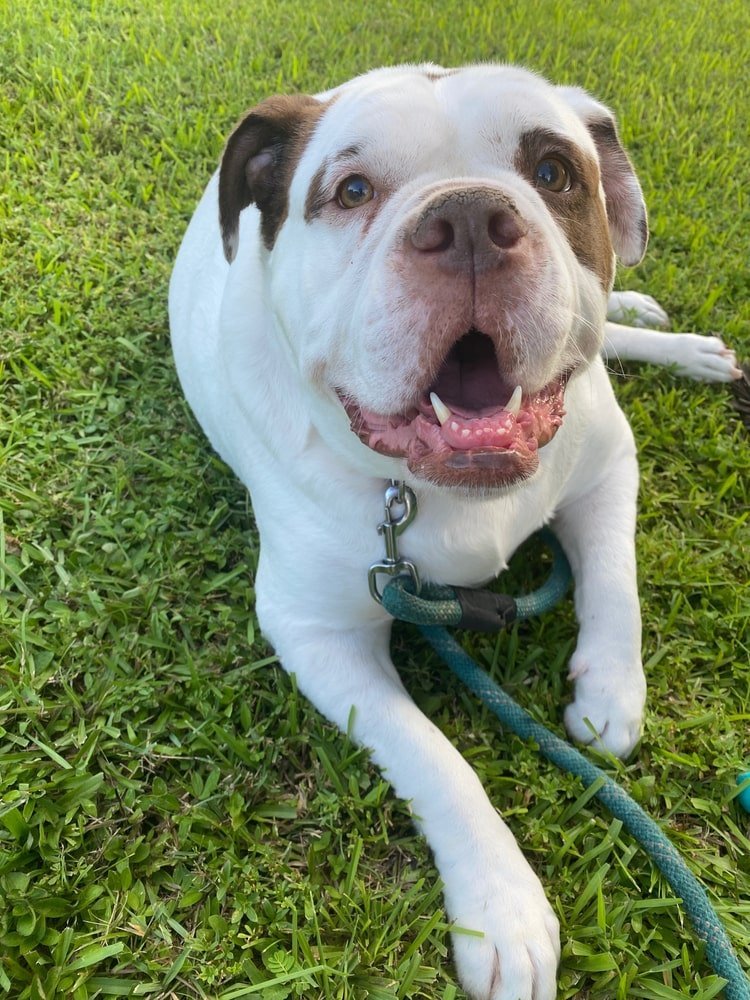
    • Bulldog: Medium-sized breed with a stocky build, squished face, and wrinkled skin. Surprisingly sweet and gentle despite a historically fierce reputation.
    • Bedlington Terrier: Lamb-like appearance due to their fluffy, pear-shaped heads and arched backs. Intelligent but can be stubborn.
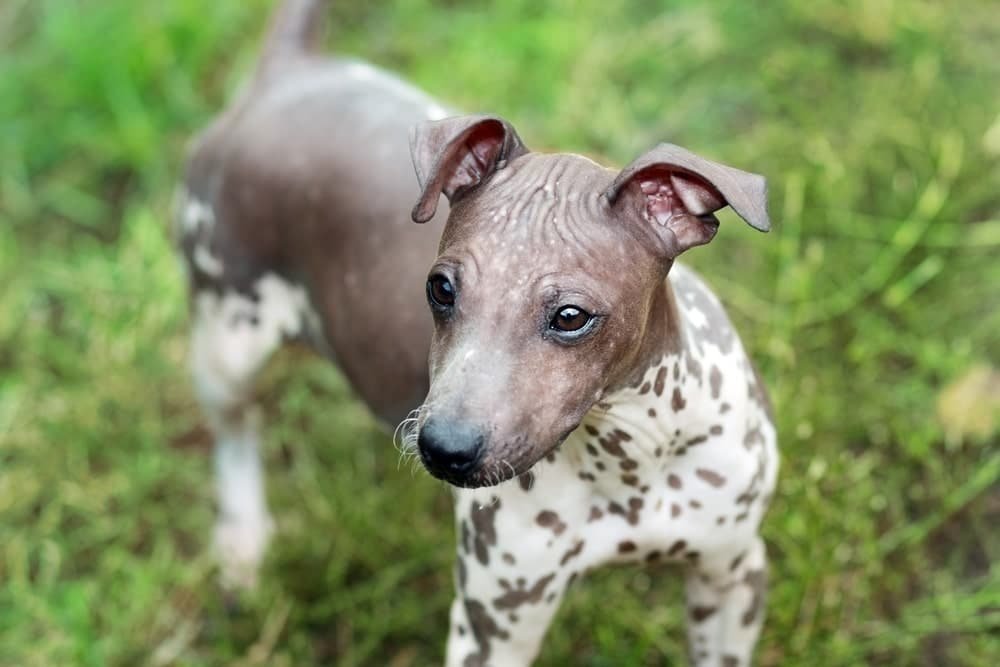
    • Peruvian Inca Orchid: Hairless breed except for a tuft on top of the head. Elegant and gentle.
    • Pekingese: A small, fluffy breed with a lion-like mane. Proud, confident, and surprisingly independent.
    • Bull Terrier: Known for their egg-shaped heads. Can be strong-willed, but also affectionate.
    • Chinese Crested: Mostly hairless with tufts on the head, feet, and tail. Sweet and playful.
    • Neapolitan Mastiff: Giant breed with loose, wrinkly skin. Intimidating in appearance, but protective and loyal with their families.
    • Basset Hound: Short-legged hunting dogs with long ears and lots of loose skin. Friendly and known for their excellent sense of smell.

    Key Takeaways

    • Beauty is subjective: “Ugliness” is a matter of opinion. Each breed has unique traits that some may find endearing.
    • Beyond Appearances: Don’t dismiss a dog based on its looks. Temperament and personality are vital when choosing a pet.
    • Responsible Breeding: The unusual features of some breeds can result from problematic breeding practices. Choose a responsible breeder if interested in any of these dogs.
    • All Dogs Deserve Love: Every dog, regardless of looks, deserves a loving home. Consider adopting a mixed breed or a less conventional looking purebred dog.

    15 Ugly Dog Breeds

    Our list of the ugliest dog breeds is just opinion and statistics. Not everyone considers such dogs beautiful, but not one dog is to blame for this. The ugliest dogs can be the result of an unforeseen mutation or breed trait. Despite the unusual appearance, many dogs quickly find their owners, catching them with their original appearance.

    Ugly Dog Breeds
    • Pug

    Pugs are a decorative breed from the Molossoid group, which was brought to Europe from China in the 16th century. These are wonderful and loving companions, whom Queen Victoria adored. They live for 13-15 years.

    Pugs are an ancient breed from China, which is mentioned in ancient manuscripts. Presumably, their ancestors were relatives of the Pekingese, who were loved by the local rich. Then it was believed that this dog was marked with an imperial sign because the folds on the forehead were collected in the likeness of a hieroglyph.

    Pugs are quite compact, up to 6-8 kg, with a proportional square body. The height of the dog at the withers is up to 32 cm, although this is not so strictly stated in the rules. The first thing immediately stands out is a large head with a flattened muzzle, a slightly pronounced bridge of the nose, and large, wide-set dark eyes.

    • Borzoi

    Borzoi, also known as “Russian wolfhound” or “canine greyhound” belongs to the Sighthound group and is considered to be a native of Russia. These dogs have long been used by the Russian nobility for hunting, the main prey of which has always been the wolf.

    Created for running, the name of the dogs comes from the Russian word “greyhound”, that is: fast, agile, quick, quick, lively, and zealous. These beautiful dogs later became famous as circus performers and showed off in show rings all over the world. They are quite large, and graceful with a beautiful silky slightly curly coat of almost any color.

    • Bloodhound

    This is a crude and massive dog with short hair and a characteristic head. Males are usually larger than females and weigh 46–54 kg with a height of 68 cm at the withers. Females, as a rule, do not exceed 62 cm, the optimal weight is 40–48 kg. Height and weight must be in balance.

    The Bloodhound has a long and moderately broad head with a high arched skull, where the occiput is pronounced. The profile is square. The brow ridges are raised and stand out.

    The skin on the forehead/cheekbones forms specific wrinkles and thickened folds that distinguish the Bloodhound from other breeds. The ears, in light folds, are low and extremely long: they usually hang forward, and when pulled, they are able to go beyond the nose.

    • Bergamasco Sheepdog

    The breed is very ancient, but since these shepherd dogs were bred by farmers, exclusively for their own needs, it is not possible to trace the family tree of modern champions. The purposeful selection of Bergamasco began only at the end of the 19th century, but its results are amazing. These are very kind, smart, and courageous dogs.

    The Bergamasco Sheepdog is an intelligent and loyal breed. Easily trained and takes on the role of protector of the family. Aggression does not show either to people or to animals living nearby. He is wary of strangers, but will not show aggression unnecessarily.

    Always trying to be close to the owner. If there are no people around for a long time, he can become depressed, up to refusing to eat. Very good with children. He loves active games with them. Small children can be allowed to ride on themselves.

    The main task of shepherd dogs is to graze and protect livestock. They are happy to look after the animals, not letting them scatter. They are not afraid of bad weather, they are quite efficient. Dogs are also used to guard sites and as rescuers in various natural disasters.

    • The Chinese Shar-Pei

    The Chinese Shar Pei is a medium-sized dog with a strong build, covered with folds of varying depths. Breeders from the Celestial Empire, unlike their American counterparts, recognize only individuals with the shortest type of coat – horses. The length of the hairs on the animal’s body cannot exceed 1 centimeter.

    Representatives of the breed will adapt to the mood, activities, and lifestyle of the owner. They are ready for anything, as long as the owner is nearby: no matter where – on a noisy street, in a quiet park, at home in front of the TV.

    Friendliness, calm disposition, strong nervous system, and commitment to cleanliness make Chinese Shar-Peis excellent companions.

    Such dogs are always ready to protect both the owner and his property.

    • Affenpinscher

    Affenpinscher is surprisingly funny in appearance, a black dog, reminiscent of both a funny monkey and a disheveled, sleepy imp. And I must say the extraordinary, and sometimes even caricature appearance of this creature is in perfect harmony with its restless, active, and slightly harmful character.

    The Affenpinscher breed is considered one of the oldest breeds of European dogs with a preserved history of their creation. And although the first mention of these animals dates back to the beginning of the 16th century, they or dogs very similar to them can be seen with their own eyes in the paintings and engravings of the 15th century by artists Van Eyck (Jan van Eyck) and Durer (Albrecht Durer).

    In the urban manuscripts of the coastal Baltic cities in 1510-1516, small black dogs of a disheveled appearance are first mentioned as great masters of exterminating rats and mice in stables, barns, granaries, and household outbuildings.

    • Irish Wolfhound

    The Irish Wolfhound is one of the oldest dog breeds, with an approximate age of about 2000 years. It was bred in Ireland to hunt wolves, wild boars, and other large predators. Later, wolfhounds began to be used to guard fortresses and settlements.

    During numerous military campaigns, powerful and courageous dogs were set against the enemy. They could easily throw riders off their horses. In those days, these bearded giants were known under the name “Irish Hound”.

    A few hundred years ago, the wolfhound was a rarity in Europe. This graceful dog was a welcome gift for many noble people, but later its export was banned from England on pain of death. It was this ban that caused the degeneration of the breed. In a fairly short period of time, the wolves in the country were exterminated, and the Irishman was left without his main job – hunting.

    The Irish giant was twice on the verge of extinction and only thanks to the efforts of admirers of the ancient breed have reached our days. In the 18th century, in order to revive the breed, breeders were forced to cross it with Great Danes and Greyhounds.

    The updated breed has become popular again. At this time, the very first standard of the Irish wolfhound and the first club of breed lovers appeared. Today, this giant is recognized as the mascot of the Irish army.
    Ugly Dog Breeds
    • Bulldog

    Since ancient times, bulldogs have been considered the personification of strength, courage, and fighting character. These dogs have a long history – their distant ancestors took part in performances in the arena and fights with wild animals.

    Over time, dogs spread around the world, changed, and acquired their national breed traits, but most of bulldogs today are either on the verge of extinction or have disappeared altogether – today only three varieties of these dogs are popular: American, French, and English.

    Ugly Dog Breeds
    • Bedlington Terrier

    Due to the pear-shaped head, spotted hair on the body, and hunched back, like a bloodhound, this rare breed can hardly be called beautiful. Bedlingtons were bred about 200 years ago in the United Kingdom to hunt rodents, and later they were attracted by hunting, which affected the breed: dogs began to show intemperance and aggressive behavior.

    Pets are very intelligent, but their stubborn and difficult nature needs to be corrected regularly, so getting a Bedlington Terrier is best for those who have experience with dogs.

    • Peruvian Inca Orchid

    the Peruvian Inca Orchid is a dog that is surprisingly proportional and very beautiful, however, the photographs do not convey even a small fraction of the whole charm of this ancient breed.

    Animals belong to primitive breeds and lived on Earth already in the third century BC. This date was marked thanks to archaeologists working in Peru and Mexico at the end of the last century.

    Speaking about the character of the Peruvians, one cannot fail to note the similarity of their temperament with the Great Danes. Animals have the same equanimity, the same self-esteem, love of comfort, and skepticism about everything around them.

    • Pekingese

    A small play companion with a regal demeanor and a recognizable, swift pace. It is one of a number of breeds developed for ancient Chinese aristocracy. Charming, self-assured Pekingese form strong bonds with their family members. They can be as calm as the emperors they belonged to if they were raised to live in palaces.

    The Pekingese is a recognized individual from the canine lover monde with an extraordinary appearance and a solid feeling of freedom. This little glad man is pleased and to some degree eccentric, and he won’t ever acknowledge a supporting position, about which he will in a split second ready his own proprietor.

    Simultaneously, he has an inborn feeling of nobility. Scratched backdrops and furniture, vast protests about depression through irritating yelping, wreck in the condo – these is candid awful habits for the Pekingese, which he won’t ever permit himself.

    • Bull Terrier

    The breeding of this dog breed began in England in the 19th century as a fighting dog. The British nicknamed the bull terrier “white knight” because of its characteristic color. It is difficult to call him an attractive pet: small eyes, an ovoid skull, an elongated muzzle, and a long tail – all this looks very intimidating. However, the owners of bull terriers note the devotion and affection of their wards.

    However, only experienced dog breeders are recommended to start with bull terriers, since a four-legged friend requires training from a young age and a licensed mentor, otherwise, their behavior threatens to become uncontrollable, already that bloodthirstiness is in their genes.

    • Chinese Crested

    The wool of the Chinese Crested Dog grows only on the paws and neck. Where this breed comes from is unknown, but cynologists suggest that it is from Africa. Hairless breeds of dogs are descended from ordinary woolly ones, but such a mutation occurred in a hot climate.

    It is noteworthy that in the second half of the 20th century, this breed practically died out, only a few representatives survived, which were brought to the UK and multiplied many times. The purpose of the Chinese Crested is to give love and affection to its owner.

    • Neapolitan Mastiff

    Mastiff is a descendant of an ancient breed of dogs that participated in the battles in the arenas of ancient Rome. Many will not like the appearance of the masting. It seems that it is difficult to make friends with a huge dog, which has curly fur hanging down, visually making the muzzle even larger.

    The mastiff is really huge, in adulthood the dog reaches a weight of 60 kg, and the height at the withers is about 70 cm, but the intimidating appearance does not determine the character of the animal. Mastiffs are very affectionate with their owners, they are considered good hounds and have proven to be excellent watchdogs.

    • Basset Hound

    The Basset Hound is a sad, chubby dachshund with unusual coloration. The phlegmatic appearance is combined with huge folds of skin, which can sometimes interfere with walking. The image is complemented by long ears, almost touching the ground. It’s hard to believe, but the Basset Hound is a hunting breed, and these ears help to track prey faster. They trap air along with odors, making it easier to find.

    Conclusion

    So, these are the top 15 ugly dog breeds. Each dog is unique. Some are small and others are large. Some are very hairy and others, on the other hand, have no hair. Some are restless and others are calmer. There are even dogs that are more intelligent than others. If you are thinking of getting one of these so, go for it.

  • 10 Best Wolf Dog Breeds

    There are currently over 400 approved dog breeds worldwide, including hunting, service, adorable, and many more. To the best of their abilities and skills, these dogs perform the duties of domestic dogs. But, none of them can match its wild wolf-blood ancestor in terms of resilience, power, vitality, or health.

    Here’s a breakdown of fascinating wolf-dog breeds, along with key takeaways to consider before bringing one home.

    What are Wolfdogs?

    • Hybrids, Not Pure Wolves: Wolfdogs are dogs with recent wolf ancestry. It’s crucial to remember they are NOT domesticated wolves.
    • Varying Wolf Content: The percentage of wolf DNA in a wolfdog can vary greatly, influencing their temperament and needs.
    • Beautiful but Demanding: Their striking appearance is a draw, but they are often more challenging to own than standard dog breeds.

    Wonderful Wolf-Like Dog Breeds

    • Siberian Husky: Athletic, independent sled dogs with a thick coat, known for their howling and playful nature.
    • Saarloos Wolfdog: Intense breed created from German Shepherds and Eurasian wolves. Demanding, but bond strongly with their owners.
    • Northern Inuit Dog: Specifically bred for wolf-like looks, often used in film. Friendly, yet high-energy.
    • Alaskan Malamute: Large, powerful sled dogs with a friendly disposition. Require significant exercise.
    • Czechoslovakian Wolfdog: Military-bred cross between German Shepherds and Carpathian wolves. Highly intelligent but needs intensive socialization.
    • Italian Wolfdog: Resemble wolves but are more obedient, used for mountain rescue. Still rare and not officially recognized.
    • Utonagan: Mix of Malamutes, German Shepherds, and Huskies, designed for looks, not wolf behavior. Friendly companions.
    • Tamaskan: Finnish breed visually similar to wolves, known for intelligence and trainability.
    • Kunming Wolfdog: Chinese breed resembling German Shepherds. Used for military and police work, rarely kept as pets.
    • Canadian Eskimo Dog: Ancient Arctic breed with immense stamina. Independent and loyal, but demanding to care for.

    Key Takeaways

    • Not for Beginners: Most wolfdogs require experienced owners familiar with their wild instincts and high exercise needs.
    • Research is Vital: Understand the breed’s specific traits, wolf content, and potential challenges before committing.
    • Training is Key: Consistent training and socialization from a young age are essential.
    • Not for Everyone: Wolfdogs aren’t suited for apartment living or inactive households. Be honest about whether you can meet their needs.
    • Legal Considerations: Some areas restrict or ban wolfdog ownership – check your local laws.

    Important Note: Wolfdogs can be complex and unpredictable pets. Their care demands a huge commitment. While their beauty is undeniable, it’s crucial to prioritize their well-being and ensure you can provide the ideal environment for them to thrive.

    If you’re truly fascinated by wolfdogs, consider these alternatives:

    • Volunteering at a Wolf Sanctuary: Helps wolves in need while gaining experience with their behavior.
    • Supporting Wolf Conservation: Ensures a healthy future for wild wolves.
    • Choosing a Spitz-Type Breed: Many Spitz breeds (Siberian Husky, Akita, etc.) offer a wolfish look without the extreme challenges of a true hybrid.

    What Is Wolf Dog Breed?

    Wolfdogs, as the name suggests, are the result of crossbreeding dogs (mostly once domesticated, but runaway and feral) and wolves. Experiments to obtain a wolf-dog hybrid with the appearance and character of a wild beast have been carried out by people since the early 1500s.

    Now there are dozens of breeds of wolf-dog hybrids, some are officially recognized. Such a dog, alas, will never become a completely domestic dog, but if it recognizes the leader in the owner, it will be the most faithful and courageous defender of the house.

    The wolf-dog breed received its exceptional health from its forest ancestors; they are free of congenital disorders, and also hip dysplasia, a condition that is so prevalent in breeds like German shepherds, escapes them.

    Therefore, if you want your grey companion to be healthy and happy, choose a complete diet for him, and don’t forget about vaccinations. This diet should either be a balanced food for large dogs or natural food that also includes eggs, cottage cheese, and also vitamins along with boiled meat (anything other than pork). Moreover, spend more time walking and talking to your dog.

    They do, however, have a weakness: a particular response to some medications. Hence, drug tolerance testing should be performed before initiating therapy if your dog becomes ill.

    List Of Top Wolf Dogs Breed

    Many people like big dogs that look like wolves (known as wolf dog breeds): they look like real forest predators and their noble appearance is reminiscent of the harsh life in the wild. Why not get your domestic wolf-dog hybrid then?

    Dogs that look like wolves are distinguished by particularly good health, physical strength, and a love of active movement in the fresh air. What breeds are they?

    Let’s have a look at the wolf-like dog breeds listed below to which wolf-dog hybrids are the best for your family. These dogs mainly came from their wolf ancestors making German Shepherd Husky Mix with Wolf Hybrid. So, here is a list of Wolf dog breeds to key as your domestic dogs.

    Siberian Husky

    Wolf Dog Breeds

    The Chukchi people of Siberia and Russia, developed Siberian Huskies to pull sleds and carry cargo over great distances through the arid Arctic landscape.

    Siberian Huskies even made headlines in 1908 when they participated in the inaugural All-Alaska Sweepstakes race. The Siberian Husky dogs proved to be the ideal breed for the challenging 408-mile race through the frigid wilderness of Alaska. They could travel great distances without becoming tired since they were swift, powerful, and endowed with natural endurance.

    The Siberian Huskies are becoming a well-liked breed all around the world. They are renowned for their charm, wit, and amiable nature.

    They are popular in sled dog racing as well as other outdoor activities, and they also make wonderful home pets.

    Siberian Huskies are sociable and affectionate, but because they were bred to pull sleds, they have a high prey drive. They are noted for having a lot of energy as well as an urge to flee, which, if not properly educated and exercised, can occasionally cause them to run away or escape.

    If you choose to keep a Siberian husky as a pet, make sure to provide it with lots of exercise, entertainment, and also mental stimulation to keep it happy and well-behaved. This is because Siberian huskies are a clever breed that is constantly seeking new challenges.

    Saarloos Wolfdog

    The Saarloos Wolfdog breed is a cross between a male German Shepherd dog and a Eurasian Grey Wolf. It is a hybrid created by the Dutch biologist Leindert Saarlos. The biologist believed that modern dog breeds were beginning to lose touch with their nature, so he worked to create more wild representatives.

    The scientist in his experiment tried to cross a German shepherd with a wild she-wolf from Siberia. The resulting puppies had a strong and hardy bodies, but at the same time, they responded well to training, which made it possible to keep such hybrids at home as loyal companion dogs.

    It is worth noting that the character of the wolfdogs of the Saarlos breed is wayward and with pronounced leadership qualities. To properly educate and train such a wolf-like appearance dog, you need to be patient and undergo special training.

    Initially, the biologist wanted to get hybrids, later used as guide dogs. But the pronounced leadership qualities of the resulting hybrid do not make it possible to educate them in this way.

    The appearance of Saarlos dogs resembles wolves with fluffy fur. The height at the shoulder in males reaches 74 cm, in females, it is slightly less – up to 70 cm. Weight varies from 30 to 42 kg. Energetic, and independent by nature, these wolf dogs are strongly attached to their owner, showing alertness to strangers.

    Having a particle of wolf blood, dogs of this breed obey pack instincts and the law of self-preservation, so they are not suitable as guard animals.

    Northern Inuit Wolf Dogs

    This Northern Inuit dog breed was developed artificially to protect humans from hazardous weather. Huskies, German shepherds, malamutes, and dogs belonging to the Arctic Inuit people were used to make it.

    The resultant breed stands out for its intelligence, obstinacy, cold resistance, and physical strength. Due to the Northern Inuit dog breed’s resemblance to wolves and other grey predators, northern Inuit is frequently shown in movies as such. For instance, in the popular television series Game of Thrones, Northern Inuit dogs played dire wolf puppies.

    Alaskan Malamute Wolf Dogs

    Like Huskies, Malamutes are a historic variety of sled dogs. They certainly have a close link with wolves, as evidenced by their enormous physique and gray-white coloring. Malamutes are balanced, and calm, and do not display hostility towards people while at the same time loving children.

    Malamutes are highly stubborn and independent, therefore their owners must give training and socializing extra care. Malamutes require plenty of outdoor exercises as well, therefore it’s best if they stay in the country their entire lives.

    The American Kennel Club (AKC) describes these magnificent canines as being amiable, devoted, and playful. This breed’s waterproof, thick double coat protected them well in the Northern where these dogs originated, however, they need a lot of maintenance to prevent tangles, so prepare to spend a lot of time cuddling and combing them.

    Czechoslovakian Wolfdog

    Another successful hybrid was bred in 1955 on the territory of the former Czechoslovak Republic. This FSS (Foundation Stock Service) wild dog breed was originally bred by crossing a German Shepherd and a Carpathian Wolf in the 1950s. The dog gained worldwide recognition due to the inheritance of expected genetic features.

    Breeding a new breed of dog was necessary for special operations of military importance. Over time, the Czechoslovak Wolfdog dogs gave been recognized as universal dogs and also military dogs. The suit of the breed resembles gray wolves, not only in texture but also in color. Representatives of the Czechoslovak Wolfdog have a large physique and slanting eyes with an amber tint. The height at the shoulder is from 60 to 65 cm, weight is up to 30 kg.

    Energetic, hardy dogs, have a quick reaction and a sharp sense of smell. They are very attached to the owner, they treat the household well. To properly raise an animal, you need to be patient. So, they make wonderful pets. If you are an experienced dog owner then you can have this dog as a wonderful family pet.

    Italian Wolf Dogs (Lupo Italiano)

    A young breed that dates back to the 1960s. Its creator, the Italian scientist Mario Messi, crossed a German shepherd with a she-wolf named Lazio, caught in the Apennine mountains. Italian wolves make good mountain rescuers.

    They perfectly adapt to various weather conditions, difficult work in the highlands, hunger, and thirst. This is a smart, loyal dog, but not yet officially recognized. Even in their homeland, in Italy, the breeding and use of Italian wolves for commercial purposes are prohibited by presidential decree.

    Utonagan Wolf Dog Breeds

    British breeders developed Utonagans based on Malamutes, Huskies, and German Shepherds. Despite their resemblance to wolves, these dogs lack the size and strength of their wild counterparts. The Utonagan is well-liked throughout the world due to its wolf-like look and outgoing personality, but the breed is not yet recognized by cynological federations. The members of this breed are excellent security dogs or friends, but they require a lot of physical activity to burn off their excess energy.

    Tamaskan Wolf Dog Breeds

    This breed of dog closely resembles wolves, although they lack wolf DNA. Many different breeds have been used by Finnish breeders to create Tamaskans. The result is a wolf-dog breed that most closely resembles a wolf morphologically. Tamaskan dogs are also gregarious, athletic, and submissive. Although formal cynological organizations have not yet acknowledged this breed, it has already sparked attention in Europe, North America, and Australia.

    Kunming Wolf Dog Breeds

    Kunming dogs are similar in appearance to German Shepherds but differ from them in a higher sloping back and short hair. The breed was bred in the Chinese province of Yunnan in the early 1950s to meet the needs of the army for service dogs.

    In total, about 50 puppies completed the military training program, of which 10 best wolfdogs were selected. In 1988, the Kunming dog was officially recognized as a breed in China, although it still has not received the FCI standard. Currently, Kunming dogs are widely used by the Chinese army and police. They are rarely kept as pets.

    Canadian Eskimo Wolf Dog Breeds

    Indigenous people in North America have long utilized the Canadian Eskimo Dog, a distinctively North American canine breed.

    This powerful and hardy dog, also called the Qimmiq or a Canadian Inuit Dog breed, is recognized for its high stamina, making it the perfect choice for laboring in arduous Arctic conditions.

    This strong breed is not only physically impressive but also clever and fiercely devoted to its owner

    These wolf-dog hybrids are capable of making fantastic lifelong companions with the right care and training. This Canadian Inuit Dog breed, with its commanding presence and unyielding determination, is likely to catch your interest whether you’re searching for a family companion or a working dog.

    FINAL WORDS

    In contrast to other wolf-dog hybrids, such as the Czechoslovakian wolfdog breed, the Sarlos wolfdog breed has equally integrated the outward characteristics of the wolf and German Shepherd. This pet is quite heavy for its size. The dog’s body is average in length, slightly heavier than a wolf’s, and has medium-sized, upright ears.

    Like in German shepherds, the tail is quite long, saber-shaped, and typically carried horizontally or with a slight inclination to the back.

    The coat is very thick, with a warm undercoat. The color is a gray wolf, but somewhat more contrasting than that of purebred wolves. However, if you are not an experienced dog owner then don’t buy wild dog breeds like Siberian Huskies because they are very active dogs.

    Since these Wild animals have wolf genes, they have wolf-like traits. You can see a wolf-dog breed as a herding dog, sled dog, working dog, herd reindeer dog, etc. And only experienced owners are advised to keep these wild dog breeds and not first-time dog owners.

  • Is The French Mastiff A Lazy Dog

    Here’s a breakdown of the information about the French Mastiff, along with key takeaways:

    The French Mastiff: Not as Lazy as You Might Think

    • Breed Overview: The French Mastiff (Dogue de Bordeaux) is a large, muscular breed with a history as a working dog and guard dog. They are known for their loyalty, intelligence, and gentle nature with their family.
    • Is the French Mastiff Lazy?
      • They have lower energy levels and prefer shorter exercise sessions compared to some breeds.
      • They may appear lazy due to their calm demeanor and love of napping.
      • Without proper exercise and mental stimulation, they can become destructive.
    • Temperament: French Mastiffs are typically affectionate towards their family, protective, and good with children when raised with them. They can be stubborn, requiring consistent training.
    • Exercise Needs
      • Require at least an hour of moderate daily exercise – long walks, jogging, play sessions.
      • May benefit from activities that tap into their guarding instincts, like agility or nosework.
    • Stimulation: As intelligent dogs, they need both physical and mental stimulation to prevent boredom and problem behaviors.
    • Health Considerations: French Mastiffs are prone to health problems, including hip/elbow dysplasia, eye problems, and bloat. Regular vet checkups are important.

    Key Takeaways

    • The French Mastiff’s laid-back nature can be mistaken for laziness.
    • They do need dedicated exercise and mental stimulation to be happy and well-behaved.
    • This breed is best suited to those willing to provide exercise, consistent training, and manage their health needs.
    • With proper care, they make loyal and loving family companions.

    FAQs Answered in the Article

    • How much space does a French Mastiff need? Due to their size, plenty of space both indoors and outdoors is ideal.
    • What is the average lifespan? 10-12 years
    • Are they good with children? Can be, but socialization and training are crucial. Supervision around small kids is necessary.
    • Is training difficult? They are intelligent but can be strong-willed. Patience and positive reinforcement are key.

    Let me know if you’d like more information about this fascinating breed!

    1. Overview Of The French Mastiff

    The French Mastiff, or Dogue de Bordeaux, is a breed of large dog that is known for its muscular and imposing stature. Its thick coat and intimidating features make it the very embodiment of strength and poise. It is often compared to a tank in terms of its size, power and presence.

    This breed was originally bred for protection and guard work, though today it is also used as a companion animal. The French Mastiff has an independent nature, but with proper training can be obedient and loyal to its owners.

    While this breed may seem aloof at times, it is actually very affectionate towards its family members once it bonds with them. It does best when given structure, consistency and clear boundaries in order to thrive in its home environment.

    The French Mastiff should be exercised regularly to prevent boredom and destructive behaviors. Though surprisingly agile for its size, the breed generally prefers short walks or play sessions over long hikes or runs due to its low energy levels.

    This makes the French Mastiff an ideal choice for those who are looking for a low-maintenance pet that can still provide lots of love and companionship. Despite this trait, they still require regular brushing due to their long hair coat – making them perfect for those looking for an easy-care pup.

    Historically, the French Mastiff was used for a variety of tasks that required strength, endurance, and a certain level of intelligence. One of their primary functions was pulling carts and other heavy objects, due to their impressive strength and stamina.

    This task required the breed to be not only physically strong, but also mentally alert and able to work in tandem with their human handlers.

    The breed was also used as protectors of livestock and flocks, using their size and strength to deter predators and other potential threats. This role required the French Mastiff to be highly vigilant and protective, as they were responsible for keeping the livestock safe from harm.

    In addition to these roles, the French Mastiff was also used as a guard dog, serving as a loyal and dependable protector of their home and family.

    This task required the breed to be highly intelligent and alert, able to quickly identify potential threats and act to protect their owners. The French Mastiff’s reputation as a fierce and formidable guard dog was well-known, and the breed was highly valued for this function.

    2. Temperament Of The French Mastiff

    The French Mastiff, also known as the Dogue de Bordeaux, is a powerful and loyal breed of dog. It is one of the oldest breeds in Europe and has been around since ancient Roman times. While this breed has its unique characteristics, it is often known for its temperament.

    The French Mastiff tends to be a strong-willed breed with an independent streak. They can be quite stubborn at times and will challenge their owners if given the chance.

    However, they are also known to be devoted and loyal to their families. They are naturally protective of their owners and make excellent guard dogs for those looking for a loyal companion that will stand guard over them.

    This breed does not do well in a home with frequent changes or disruptions in routine; stability is key when it comes to raising a French Mastiff.

    As far as activity levels go, this breed does not require excessive exercise but should still get enough physical and mental stimulation to keep them healthy and happy.

    When properly exercised and stimulated, this breed can be calm and relaxed indoors; however, they can become destructive if left alone too long or bored due to lack of exercise or attention.

    This ancient breed has been around for centuries, making it an excellent choice for those looking for a loyal companion who will protect them faithfully while remaining relatively low-maintenance in terms of exercise needs.

    The French Mastiff is an intelligent dog that requires patience during training but once trained they provide great companionship at home as well as on walks or hikes outdoors with their family members.

    3. Exercise Needs Of The French Mastiff

    The French Mastiff, also known as the Dogue de Bordeaux, is a large breed of dog that has historically been used for hunting and guarding. It is important to understand their exercise needs in order to provide ample opportunities for physical activity.

    This breed of dog requires daily exercise in order to remain healthy and fit. They have an above average energy level and will require longer walks or jogs on a regular basis.

    A good exercise routine would consist of at least one hour of moderate activity daily, such as running or playing fetch. Additionally, this breed does not do well with repetitive activities and should be provided with varying types of exercise to stay mentally stimulated.

    French Mastiffs often thrive when given an outlet for their natural instinct to guard and protect. Providing them with activities such as agility courses or nosework can help satisfy these needs while providing physical and mental stimulation at the same time. As long as their exercise needs are met, they can make a great companion for owners looking for an active lifestyle.

    This breed should not be left alone outdoors without supervision due to their size and strength; they need adequate socialization and training from an early age in order to become well-adjusted members of society.

    Owning a French Mastiff requires dedication and commitment, but the rewards of having such an affectionate companion are worth it in the end.

    4. How To Stimulate A French Mastiff

    The French Mastiff, otherwise known as the Dogue de Bordeaux, has long been hailed for its loyal and protective nature. As with any breed of dog,

    however, there are certain needs that must be met in order to ensure a healthy life for the animal. Exercise is one such requirement – one which is often overlooked by owners of the large breed. With dedicated stimulation and exercise routines, a French Mastiff can flourish both mentally and physically.

    Exercise is essential for any canine, but particularly so for larger breeds like the French Mastiff. It is important to note that this breed was developed more than 600 years ago as a guard dog and may exhibit more aggressive tendencies if these needs are not met;

    conversely, with appropriate stimulation they can become gentle giants in no time at all. The key to success lies in understanding how best to stimulate the French Mastiff while appropriately addressing their exercise requirements.

    A variety of activities can help to channel a French Mastiff’s natural energy into something productive and rewarding. A daily routine should include walking or running; interactive playtime with toys; enclosure-based activities such as retrieving items or obstacle courses; and even socialization with other dogs or people.

    Additionally, regular mental stimulation through training exercises will go a long way towards ensuring that your pet remains happy and healthy over their lifetime.

    When it comes to providing an outlet for your pet’s energy needs, it’s important that you take into account their individual temperament and breed characteristics – there are countless ways to keep them stimulated and engaged without sacrificing safety or wellbeing.

    With adequate mental and physical exercise, you can rest assured that your furry companion will remain contented throughout their life – all while providing you with unconditional love and companionship each day.

    Frequently Asked Questions

    How Much Space Is Needed To House A French Mastiff?

    The French Mastiff, also referred to as the Dogue De Bordeaux, is a large and powerful breed of dog known for its unwavering loyalty. It is believed that this breed originates from ancient Molosser-type dogs, with the most popular myth being that they were bred by the ancient Romans. Despite their intimidating size and strength, French Mastiffs have an incredibly gentle nature and are often seen as ‘gentle giants’.

    Due to their size, it is important to be aware of how much space a French Mastiff needs in order to live comfortably. Generally speaking, these dogs require at least three times the amount of space compared to a smaller breed such as a Chihuahua.

    They need ample room for exercise and should have access to a secure garden or yard if possible. Furthermore, it is essential that they have access to plenty of soft bedding such as mattresses or blankets so they can sufficiently relax.

    When considering whether or not a French Mastiff is suitable for your living situation, it is important to take into account the amount of space needed for them not just physically but also mentally.

    Keeping a French Mastiff cooped up in small areas can cause them emotional distress and make them more prone to destructive behaviour which could lead to further issues down the line. As such, providing them with adequate space will ensure they remain content and healthy while they reside with you.

    What Is The Average Lifespan Of A French Mastiff?

    The French Mastiff is a large, powerful dog with an impressive lifespan. They are known for their loyalty and protective nature, but they can also be quite lazy.

    Many people enjoy having a French Mastiff as a pet because of their affectionate and intelligent demeanour. But how long can owners expect to have their furry friend around?

    When it comes to the average lifespan of a French Mastiff, they typically live between 10-12 years with proper care and nutrition. This puts them on par with other larger breeds such as the Great Dane or Bullmastiff. In comparison to smaller breeds, however,

    the lifespan of a French Mastiff is much longer due to their size and strength. Generally speaking, the bigger the breed, the longer the life expectancy.

    The daily needs of a French Mastiff are relatively simple: regular exercise, quality food, and lots of love! With proper care and nutrition, it’s possible for your pet to exceed its expected lifespan by several years.

    While there is no foolproof way to guarantee your pup will live its full life potential, taking good care of your pup’s health is essential in helping them reach their maximum age potential.

    Are French Mastiffs Good With Children?

    The French Mastiff, also known as the Dogue de Bordeaux, is a popular breed of dog that is believed to have been bred in the south of France at least 600 years ago.

    They are large dogs with an average weight of between 110 and 145 pounds. Interestingly, this breed has a fairly long lifespan for a large dog, with most living between 10-12 years.

    Given their size and strength, many people assume that French Mastiffs would not be suitable companions for small children. However, when socialized from an early age and given proper training,

    these dogs can make great family pets. In fact, studies show that owners who train their French Mastiff thoroughly report fewer incidents of aggressive behavior towards other animals or humans than those who do not train them properly.

    The key to owning a successful French Mastiff is to understand its needs and provide it with plenty of activity and exercise. These dogs need regular walks and playtime with their owners in order to stay healthy and happy.

    When properly exercised they are loyal, gentle companions that can form strong bonds with their families. With regular obedience training they will learn how to behave appropriately around children from an early age which makes them a great pet for families with young children.

    Is Training A French Mastiff Difficult?

    The French Mastiff, also known as the Dogue de Bordeaux, is a large breed of dog that has been around since the 14th century when it was used by French nobles to guard their homes. The question of whether or not training a French Mastiff can be difficult arises when considering its temperament and disposition.

    It is commonly believed that a French Mastiff’s size and strength make them difficult to train. However, research suggests that this is not necessarily the case.

    While their size does present some challenges, these dogs are intelligent and eager to please their owners which makes them surprisingly easy to train with patience and consistency. In fact, due to their calm demeanor, they are one of the best breeds for families with children as they are patient and protective.

    In order to ensure success in training a French Mastiff, owners should understand that they need firm but gentle guidance while being patient and consistent in their approach.

    Positive reinforcement techniques such as praise and treats should be utilized regularly during training sessions in order to motivate the dog and help it build confidence in itself. With patience and dedication, any owner would find that training a French Mastiff can be an enjoyable experience for both dog and trainer alike.

    Do French Mastiffs Have Any Known Health Issues?

    The French Mastiff, also known as the Dogue de Bordeaux, is a large and powerful breed of dog with a history as an ancient guard dog. It is often said that they have an impressive presence that can be felt even before you meet them – an apt metaphor for their intimidating appearance.

    This breed is known for its loyalty and intelligence, but has also been subject to some health issues due to their large size. In particular, diseases such as hip dysplasia, elbow dysplasia and eye problems are common among French Mastiffs.

    They are especially prone to bloat or gastric dilatation-volvulus (GDV), which is a dangerous condition that requires immediate veterinary attention. Additionally, they may suffer from skin allergies or dermatitis due to their short coats.

    It is important to be aware of these potential issues when considering owning a French Mastiff. Regular veterinary checkups can help identify any potential health concerns early on, allowing for care and prevention measures to be taken should any problems arise.

    Owners should also take into account the breed’s exercise requirements; despite its reputation as a lazy breed, the French Mastiff needs regular exercise in order to remain healthy and happy.

    With proper care and attention from experienced owners, this magnificent breed can truly thrive in its home environment.

    Conclusion

    The French Mastiff, also known as the Dogue de Bordeaux, is an ancient dog breed that originated in France in the 14th century. It is a large, powerful breed that was historically used for guarding and protection.

    Although these dogs are often associated with laziness, they need lots of physical activity and mental stimulation to stay healthy and happy.

    These dogs can be good family pets but require firm, consistent training in order to ensure they become obedient and loyal companions.

    The French Mastiff requires a lot of space due to its large size, and it generally lives between 8-10 years. The breed is typically good with children who have been taught to respect animals properly, but it may not be suitable for families with very young children or those who are inexperienced in handling larger breeds of dogs.

    Training a French Mastiff requires consistency and patience, as this breed can be stubborn at times. A well-trained French Mastiff will form a close bond with its owners and become an obedient companion.

    French Mastiffs can suffer from several health issues such as hip dysplasia or elbow dysplasia, so regular visits to the vet are recommended to ensure the best possible health for your pet.

    In conclusion, the French Mastiff is an ancient breed that needs plenty of exercise and attention in order to remain healthy and contented. With proper training, socialization and care, this loyal canine companion can make a great addition to any household looking for a loyal protector—provided they have sufficient space available for them!

  • 15 Giant Dog Breeds In World

    Animal lovers often get dogs as companions or guards or helpers. At the moment there are about 400 breeds. All of them differ in size, appearance, and character. Fans of large dogs are interested in which breed is the largest. What are the largest dog breeds in the world? In this article let’s know about 15 giant dogs breed.

    Here’s a breakdown of the information about giant dog breeds, along with key takeaways:

    The Largest Dogs in the World

    While there’s no single “largest” breed, these 15 giants stand out for their size and impressive features:

    1. Anatolian Shepherd

    • Origin: Turkey, bred as a livestock guardian.
    • Size: Up to 80cm tall, 68kg.
    • Key Traits: Independent, protective, long lifespan for its size.

    2. Black Russian Terrier

    • Origin: USSR, developed as a military dog.
    • Size: Up to 78cm tall, 60kg.
    • Key Traits: Calm, confident, intelligent.

    3. Bullmastiff

    • Origin: England, bred for guarding estates.
    • Size: Up to 70cm tall, 60kg (males).
    • Key Traits: Sweet-tempered, loyal, wary of strangers.

    4. Bernese Mountain Dog

    • Origin: Switzerland, all-purpose farm dog.
    • Size: Up to 70cm tall, 57kg (males).
    • Key Traits: Calm, good-natured, beautiful tri-color coat.

    5. Dogue de Bordeaux (French Mastiff)

    • Origin: France, used for guarding, carting, and fighting.
    • Size: Up to 70cm tall, over 68kg.
    • Key Traits: Powerful, devoted, sadly prone to health issues.

    6. Tibetan Mastiff

    • Origin: Ancient breed from Tibet, China, and surrounding regions.
    • Size: Up to 83cm tall, up to 72kg
    • Key Traits: Protective, aloof, not for novice owners.

    7. Cane Corso

    • Origin: Italy, descended from Roman war dogs.
    • Size: Up to 70cm tall, 50kg.
    • Key Traits: Athletic, intelligent, strong guarding instincts.

    8. Great Dane

    • Origin: Germany, bred for boar hunting but now beloved companion.
    • Size: Up to 81cm tall, over 90kg (record holders!), but average slightly smaller.
    • Key Traits: Friendly “gentle giants”, though short lifespan.

    9. Newfoundland

    • Origin: Canada, bred as a fisherman’s working dog.
    • Size: Up to 71 cm tall, known for massive members over 90kg.
    • Key Traits: Strong swimmers, gentle, sweet-natured.

    10. Saint Bernard

    • Origin: Swiss/Italian Alps, bred for mountain rescue.
    • Size: Up to 90cm tall, can exceed 120kg.
    • Key Traits: Powerful, iconic, known for historic rescues.

    11. Komondor

    • Origin: Hungary, livestock guardian.
    • Size: Up to 80cm tall, 60kg (males).
    • Key Traits: Unique corded coat, brave, independent.

    12. Scottish Deerhound

    • Origin: Scotland, bred for hunting large deer.
    • Size: Over 80cm tall, 50kg (males).
    • Key Traits: Long-legged sighthound build, gentle temperament.

    13. Irish Wolfhound

    • Origin: Ireland, ancient breed used for hunting and war.
    • Size: Tallest dog breed, up to 86cm at the shoulder, but relatively lean (around 55kg).
    • Key Traits: Individualistic personalities, gentle despite history.

    14. Leonberger

    • Origin: Germany, mix of large mountain breeds.
    • Size: Up to 80 cm tall, very heavy (up to 77kg).
    • Key Traits: Lion-like mane, playful, family-oriented.

    15. Mastiff (English Mastiff)

    • Origin: Ancient breed, known for bravery during Roman times.
    • Size: Massive dogs, up to 113kg typical, world record 156kg.
    • Key Traits: Gentle, loyal, but needs careful handling due to size

    Key Takeaways

    • Giant breeds are impressive, but come with special considerations.
    • Early training is crucial – behavioral issues are harder to manage in huge dogs!
    • Many giants have shorter lifespans and are prone to health problems.
    • Research your chosen breed and breeder thoroughly, ensuring they prioritize health and temperament.

    15 Top And Best Giant Dog Breeds:

    You won’t believe the size of the largest dog breeds in the world! Although there is no well-defined height or weight at which a dog breed would be officially classified as the largest, it is accepted by some experts to consider especially large breeds of dogs, those that are heavier than 45 kg.

    Thinking about becoming a big dog owner or curious to know what are the biggest dog breeds? Well, let’s take a look at the 5 largest dog breeds in the world.

    Anatolian Shepherd:

    The Anatolian Shepherd Dog is a breed of a large dog that originated in Anatolia (Turkey) and was further developed in America. The Turks themselves call dogs of this breed Kangal. This breed may be over 6,000 years old.

    Anatolian Shepherds can be 80 cm tall and weigh 68 kg. However, their thick coat makes them look even more powerful and heavy than they really are. This is not a shepherd dog. The breed was bred to be independent and strong, to protect the herd of its owner without the help of a person in vast areas from wolves, so communication and training of the dog as early as puppyhood is necessary.

    They often live up to 11 years, which is usually 3-4 years longer than other breeds of their size. They can act as a nanny for children.

    Black Russian Terrier:

    A type of dog developed in the USSR in the late 1940s and early 1950s as a working or military dog. The Russian Black Terrier is thought to be the offspring of roughly 17 different canine breeds.

    Guys can weigh up to 60 kg and stand 72 to 78 cm tall at the withers; females are slightly shorter and lighter. The Black Russian Terrier is a calm, fearless, and self-assured canine. He is incredibly intelligent and well-educated.

    It can live up to 14 years on average, which is quite a long lifespan. This dog is generally in good health, however, they can occasionally be predisposed to specific hereditary conditions, such as hip or elbow dysplasia.

    Bullmastiff:

    The bullmastiff has a broad, folded head and a rather short, square muzzle. The nose is round and the eyes are dark hazelnut. The ears are V-shaped and hang down. The tail is set high, situated at the posterior end, and reaches the hocks of the dog.

    The bullmastiff has a broad, powerful, and square-looking body. Short and simple to keep, the coat might be fawn, reddish-brown, or brindle in color. The male bullmastiff weighs between 50 and 59 kg and grows to a height of 60 to 70 cm. Females typically weigh between 45 and 54 kg and range in height from 60 to 65 cm.

    Bullmastiffs are sweet and affectionate with family members. Their generally calm and relaxed disposition makes them good dogs for families with children who are reasonably well-behaved. However, the bullmastiff’s laid-back attitude towards family members will likely change when strangers intervene. These dogs tend to be wary of people outside of the family.

    Despite all this family-focused fidelity, the bullmastiff is not naive. He can think independently, so his training can be difficult. They may also be less tolerant of animal family members than they are of their owners. You should pay attention if you consider incorporating a Bullmastiff into your animal family.

    Bernese Mountain Dog:

    Also known as a Bernese Shepherd Dog or a Bernese Mountain Dog. Its initial purpose was to accompany shepherds in the Bernese canton of Switzerland as shepherd dogs. Large and heavy in build, the Bernese Mountain Dog is known for its eye-catching tricolor long coat.

    Males can weigh up to 57 kg and measure 64-70 cm tall at the withers; females are significantly smaller. Although each dog’s temperament is unique, these Mountain Dogs tend to be calm, self-assured, and obedient dogs who get along well with both people and other animals.

    The Cattle Dog is one of the most gorgeous Swiss working dogs, with an aristocratic disposition. They have a thick undercoat beneath their silky smooth outer coat. Their tail tip is white, and they have a black muzzle, torso, and hooves. The black and white of the legs and cheeks are separated by a dark chestnut or cinnamon tint.

    Dogue de Bordeaux:

    One of the first French dog breeds was the Dogue de Bordeaux, also known as the Bordeaux Mastiff or French Mastiff. This is an extremely strong dog that was used for a range of tasks, including guarding elite European castles as well as herds and hauling carts, and transporting big goods.

    The big, powerful-bodied males of the Dogue de Bordeaux weigh over 68kg despite not being as tall as some of the other breeds on this list. The breed’s large, imposing head is one of its defining characteristics. It is well known that, in relation to the size of their bodies, members of this breed have the biggest heads in all of canine history.

    Unfortunately, these dogs have one of the shortest average lifespans of any breed, usually 5 to 6 years, and are prone to a number of ailments.

    Tibetan Mastiff

    Originally bred by the nomadic peoples of Tibet, China, Nepal, and Central Asia, the Tibetan Mastiff is an ancient breed of large, muscular dog with a thick, usually dark coat. The name “mastiff” is misleading, but it’s not a mastiff. The correct name for the dog breed would be the Tibetan Mountain Sheepdog.

    Males can reach a height of up to 83 cm and a weight of 45-72 kg, but dogs with a much larger weight are quite common. This is not a shepherd, this is an intelligent guard dog and in Tibet, he is able to withstand predators the size of wolves and leopards.

    Giant Dog Breeds

    Cane Corso

    Another Italian breed that is closely linked to the Neapolitan Mastiff and is regarded as a very capable hunter and guardian is the Cane Corso. Sometimes the phrase “brave as Corso” is used in Italy. They naturally possess a highly developed defensive instinct.

    The Corso is less bulky than most other Mastiff breeds while still being highly robust. With a height of roughly 70 cm at the withers and a weight of 40 to 50 kg, it is slightly smaller than the Neapolitan Mastiff. The breed has a 10- to 12-year lifespan on average.

    The Canis Pugnax, a mastiff breed used as a guard dog by the Roman Empire’s army, is where the Cane Corso dog breed got its start. His task was to keep the soldiers safe while he went foraging for food. Similar to how lions and gladiators were fought in exhibitions, the Canis Pugnax did as well. There is evidence that the Cane Corso is at least six centuries old, according to numerous manuscripts discovered.

    Giant Dog Breeds

    Great Dane

    The Great Dane is a German breed known to everyone for its size. The height of these dogs often exceeds 76 cm, and there have been many great Danes that turned out to be champions in the nomination, the tallest dog in the world.

    They tend to be friendly to other dogs, other non-canine pets, and people they know. Their average lifespan is 6 to 8 years, but some Great Danes have been known to live up to 10 years or more.

    Great Danes are huge, strong, and graceful dogs. Males can reach 81 cm in height and weigh between 45 and 59 kg, while females can measure 76 cm and weigh between 45 and 59 kg.

    Its huge head is narrow and flat at the top. He has very marked eyebrows. The ears either hang forward or are cropped to stand erect. The Great Dane’s body is long and muscular, as is its neck. Its legs are straight and the length of the tail is medium; it is thick at the base and tapers to below the hocks.

    Great Danes shed little to moderately. The short, smooth coat is available in a variety of hues, including brindle, black, blue, fawn, and harlequin.

    Newfoundland:

    The Newfoundland is a large, intelligent dog that was originally bred and employed as a working dog for fisherman. It is renowned for its superior swimming skills.

    Several of them are really employed as search and rescue dogs! Newfoundlands can also be white, brown, or grey, though they typically aren’t. The largest male of the Newfoundland breed was 120 kg, with other individuals weighing over 90 kg.

    Saint Bernard

    St. Bernard is a large dog breed well-known in the Italian and Swiss Mountains that was originally designed for mountain rescue. Dogs can grow to a height of 90 cm and weigh up to 120 kg, therefore it is enormous.

    The Benedictine, known as the largest St. Bernard ever recorded, weighed an astounding 166 kg. Barry, a different St. Bernard who lived from 1800 to 1814, rose great fame for saving between 40 and 100 lives in the highlands where he resided (the abbey of St. Bernard).

    This dog has a monument in Paris, and Barry is the name given to a person who is constantly present in the abbey.

    Komondor

    The shaggy Hungarian Shepherd, despite its funny appearance, is amazingly hardy and courageous. Thanks to the special structure of the coat, the dog is perfectly camouflaged in a herd of sheep, and also never freezes or overheats.

    They are also referred to as “mop dogs” occasionally. The Komondor is a huge, powerful canine breed that was historically employed to protect livestock and other types of property. Due to its unusual lengthy corded veil, the Komondor can be easily identified.

    Hungary, where the Komondor breed originated, designated it a national treasure that had to be safeguarded and shielded from alteration. Males are slightly larger than females, standing an average of 80 cm tall and weighing up to 60 kg, while females typically grow to a height of approximately 70 cm and weigh up to 50 kg.

    Scottish Deerhound

    The Scottish Deerhound, often known as the Deerhound, is a tall hound breed that was originally developed to hunt red deer. Their forebears, the Scots, and Picts, two tribes from which people still reside in Great Britain, used to hunt hoofed animals.

    Guys can weigh up to 50 kg and stand above 80 cm tall. Females typically weigh between 35 and 43 kg and stand around 70 cm tall.

    The legs are long and straight, with powerful thighs and long hind limbs. The toes are well-angled and the feet are small. The tail tapers towards the tip from its thick root. It is long, nearly reaching the height of the ground, and densely-haired.

    Dogs of this breed have thick, tight, shaggy coats. To the touch, it appears as wire. The usual colors are dark or light bluish-grey, tawny or red tones with a black mask, legs, and tail. White spots on the chest, fingers, and tip of the tail are tolerable.

    Irish Wolfhound

    Irish wolfhounds were utilised for hunting and security when they were first bred from battle hounds. The breed is extremely old, and there are theories that it was introduced to Ireland as early as 7000 BC. They are among the tallest dog breeds, at 86 cm at the withers.

    Yet, they only weigh about 48 kg for women and 55 kg for men. Irish wolfhounds, unlike many other breeds, exhibit a variety of personality qualities and tend to be more eccentric and individualistic than other dogs, yet they are rarely stupid or violent.

    Leonberger

    The breed is sometimes referred to as the “gentle lion,” but back home in Germany, they refer to it as “His Majesty.” The enormous dog breed known as the Leonberger gets its name from the German city of Leonberg. created by breeding St. Bernards and Landseers. Males normally reach heights of around 70 cm and weigh 52 kg, while females typically stand at heights of around 75 cm and can weigh between 64 and 68 kg.

    Because of the double-thick undercoat and the thick hair that creates the mane, the Leonberger is easily recognised. These large, powerful dogs are typically very devoted, wise, amusing, and gentle, which makes them excellent family pets. Sadly, they only have a 7 year average life expectancy.

    Mastiff:

    The English Mastiff is one of the largest dog breeds in the world, especially in terms of body mass. The first mention of these massive dogs dates back to the 6th century BC. During the Roman conquest of England, the mastiff’s loyalty and strength impressed even Caesar.

    A typical male can weigh up to 113kg, but the heaviest member of the breed ever mentioned was the stunning 156kg Zorba dog, which was the heaviest and longest dog in the world at the time.

    Conclusion:

    So, these are the top 15 giant breed dogs. If you are thinking of getting a giant breed dog keep in mind that training, while the dog is still an impressionable puppy, is crucial because behavior and training issues are amplified when you have a large dog.

  • Glen of Imaal Terrier Dog Breed Information – Dog Vet Expert

    Glen of Imaal terrier is one of the four Irish terrier breeds. This dog breed was mainly found in the remote valleys of the Irelands Wicklow Mountains.

    Here’s a breakdown of the information about the Glen of Imaal Terrier, along with key takeaways:

    The Glen of Imaal Terrier: A Lovable Irish Farm Dog

    Origin:

    • Bred in the remote Wicklow Mountains of Ireland.
    • Developed for hunting foxes and badgers, but also excelled in dogfighting (historically).
    • One of Ireland’s four native terrier breeds and the rarest.

    Appearance:

    • Medium-sized, sturdy build, with short legs.
    • Distinctive double-coat with either wheaten (tan) or blue brindle coloring.
    • Teddy-bear-like charm.

    Temperament:

    • Affectionate and loving towards their family.
    • Less excitable than some terriers, but still energetic and playful.
    • Independent streak, but enjoys training and pleasing their owner.
    • Can be aloof with strangers.
    • May have a prey drive, so socialization is important.

    Adaptability:

    • Well-suited to apartment living due to moderate size and calm nature.
    • Needs regular exercise, but not overly demanding.
    • Sensitive in puppyhood, so gentle handling is important.
    • Can tolerate being left alone for short periods, but prefers company.
    • Excellent at adapting to cold climates; not ideal for hot weather.

    Health:

    • Generally healthy breed.
    • May be prone to hip or elbow dysplasia, and eye problems.
    • Minimal shedding makes them low-allergen.
    • Moderate tendency to drool.

    Trainability:

    • Highly intelligent and quick to learn.
    • May have a stubborn streak, so consistency and patience are key.
    • Responds best to positive reinforcement.
    • Needs mental stimulation to avoid boredom.

    Physical Needs:

    • Energetic and playful, but requires less exercise than some terriers.
    • Daily walks and playtime are essential.

    History:

    • Recognized by the Irish Kennel Club in 1934.

    Key Takeaways

    • The Glen of Imaal Terrier is a charming and affectionate breed.
    • Their moderate needs make them adaptable pets.
    • They are relatively healthy but still require regular vet checkups.
    • Early socialization and training are crucial.
    • If you’re looking for a smaller terrier with a big personality, the Glen of Imaal Terrier could be a great fit!

    Additional FAQs:

    • Price: $1500 – $2200
    • Size: 14 inches tall, 35-40 pounds
    • Lifespan: 10-14 years
    • Population in USA: Approximately 600-700 dogs
    • Swimming ability: Not strong swimmers due to their build.

    Let me know if you have other questions about this unique breed!

    Adaptability

    The adaptability skills of the Glen of Imaal Terrier is generally easy.

    Adapts Well to the Apartment Lifestyle (Rate: 5 out of 5)

    The Glen of Imaal Terrier can adapt well to the lifestyle of an apartment due to their medium size and calm nature.

    Dogs remain playful all the time, and most don’t get able to control their anxiety about playing, due to which they can’t adjust to the lifestyle of an apartment.

    Best for the Beginners (Rate: 5 out of 5)

    The dogs of this breed possess a very high level of intelligence which helps them cooperate with the owner for a longer time during the training session with moderate exercise and also put their best in grabbing the new skills their master wants them to learn.

    Highly Sensitive (Rate: 4 out of 5)

    The Glen of Imaal terriers are sensitive during their early stages of life, so the dog owner should wait for a while when introducing the canine to physical activities.

    This is because introducing repetitive training and workout sessions for the puppies at a low age can cause mental stress for the pup, as small pets find it difficult to handle those strenuous exercise at an early stage of life.

    Find it Difficult to Stay Alone (Rate: 4 out of 5)

    The Glen of Imaal Terrier is a very calm and active dog but finds it difficult to stay alone at home for a long time. This dog behavior is mainly because of the canine’s affectionate nature towards its parents.

    The dog can stay calm and stress-free for almost two to three hours when kept with toys, but when this limit exceeds, there is a chance of the canine being affected by stress and anxiety attacks which might also turn the pet destructive.

    Adapts Well to Cold Weather (Rate: 5 out of 5)

    The Glen of Imaal terrier is one of those terrier breeds with a thick coat covered with dense fur that doesn’t let the cold go outside the body of the canine and makes the canine cold weather resistant.

    The main reason the dog is cold weather tolerant is also the presence of less body fat. The dog owner might have to protect their paws by putting on some pet socks to make them heat tolerant, but by accepting these, the dog will do well in cold weather.

    Not a Good Tolerant of Hot Weather (Rate: 3 out of 5)

    The Glen of Imaal Terriers has very easy exposure to heat, which means the heat outside can quickly enter the canine body and make the dog suffer from heat strokes which can be disastrous for the pup’s health.

    To protect the canine from this life-threatening condition, the dog owner must keep the puppy in a cold place, like in a room with easy exposure to air or under an air conditioner or cooler all the time to prevent heat strokes.

    adaptability of Glen of Imaal Terrier

    Friendliness

    Most Terriers are great with small children. They aren’t couch potatoes; hence, from an early age, they become human companions.

    Affectionate and Loving with the Family (Rate: 4 out of 5)

    Like all other terrier breeds, the Glen of Imaal terriers are friendly, loving, and affectionate towards their family. The dog needs the most quality time with the owner to increase mental stimulation.

    But when he knows that this is the person who loves them, he will get attached to them on his own and will also try his best to satisfy his owner by performing the tasks like dog shows.

    Loving with Small Children (Rate: 5 out of 5)

    The Glen of Imaal terrier remains very playful and childish near the children and always tries to keep them engaged in playing with them if kept alone.

    They also possess a kind of protective nature and will put their best to protect the child if gets into some dangerous situation.

    As per the American Kennel Club and Imaal Terrier Club, if the Glen of Imaal Terrier is properly trained, the owner should not think twice before keeping the child alone with this pet because they are very trustworthy.

    Friendly with Most the Breeds (Rate: 4 out of 5)

    The Glen of Imaal Terrier mostly remains friendly with other dogs, but when the terrier is untrained, it might get aggressive after seeing a big dog of another breed. This is because of their safety but it needs to be controlled within time to positively impact the people outside.

    Not So Affectionate Towards the Strangers (Rate: 4 out of 5)

    The Glen of Imaal terriers are mostly not so affectionate towards strangers or unknown visitors of their home. They may also start barking continuously after colliding with a stranger, which can be very discomforting for the dog owner.

    The Imaal Terrier breeders have to make the big dog realize that barking excessively at a stranger is an unwanted behavior that he needs to stop. The process will be more accessible by using keywords like “stop”.

    health of Glen of Imaal Terrier

    Health and Grooming Requirements

    As per the Irish Kennel Club and Imaal Terrier Club, any individual dog is generally healthy, and that can be seen with their soft hair and softer coat.

    Amount of Shedding (Rate: 4 out of 5)

    The Glen of Imaal terrier is one of those terrier breeds that does not contribute to spreading infectious diseases in the home environment.

    The canine’s fur is so tightly attached to its double coat that it suffers from a very low amount of shedding and doesn’t spread infections in the home like nausea and many others among the owners.

    But the fact to notice here is that to keep the canine double coat healthy and free from shedding; the owner should brush the canine’s coat twice or thrice a week to remove the splitters.

    Potential in Drooling (Rate: 3.5 out of 5)

    Not only the Glen of Imaal Terrier, but almost all the other family pet also have a habit of drooling excessively whenever they get over excited or burst out of several emotions at a time.

    This mainly happens because the salivary glands get stimulated whenever the dog gets happy or sad, which leads to extreme salivation that eventually leads to spots here and there.

    This is one of the most common behaviors of the canine, which can’t be controlled with training as it’s a natural process.

    Easy to Groom

    The Glen of Imaal terriers are like any hunt fox that are easy to groom and don’t need much effort to stay clean, healthy, hydrated, and prevent infections.

    Being one of the dog breeds with a meagre amount of shedding, the dog is very easy to groom due to the tightly packed hair over the canine coat. Yes, the double-layered coat of the canine will doesn’t need frequent grooming, but it will require shampoo and other essentials as per the type of skin.

    General Health

    The Imaal Terrier doesn’t suffer from any unique type of disease during its entire lifetime and does not carry any genetic disorders from its parental traits.

    The dog used to suffer from general dog-friendly diseases like elbow dysplasia, hip dysplasia, and one of the most significant diseases, retinal atrophy. The dog needs special treatment while suffering from such diseases and proper medication to get well within time.

    The central fact to notice here is that the disease the canine suffers from doesn’t mean to be spread to its offspring, so there is nothing to worry about for having disease-affected puppies.

    Effective Weight Gainer

    When a dog from the breed Imaal terrier loses control over his diet, he will become an influential weight gainer.

    Most not only overeating but eating healthy and nutritious food in a high amount during meal time can also lead to excessive weight gain in the case of the dog.

    Obesity has been a very serious issue for almost all dogs, as per the Imaal Terrier breeders, which sometimes even turns deadly for the canine.

    Thus it has been consistently suggested to dog owners to feed their puppies according to the pup’s nutritional requirements to avoid excessive weight gain and unhealthy body issues related to obesity.

    Size of the Canine (Rate: 4 out of 5)

    The Imaal Terrier Glen is a small-sized dog that weighs around 30 to forty pounds and stands no more than fourteen inches from the ground.

    This mid-size appearance makes them one of the most suitable dogs which can quickly adapt to any kind of lifestyle, like a regular apartment lifestyle or a place with a significant ground for him to play.

    As the dog is of small size, that doesn’t mean that the canine will be less active or weaker than others. If the puppy gets the nutrition according to its requirements, it will be one of the most active dogs with perfect characteristics.

    trainability of Glen of Imaal Terrier

    Trainability

    The Glen of Imaal is one such terrier breed that is known for its stubborn streak during training in comparison to other dogs.

    Easy to Train (Rate: 4 out of 5)

    Just like most of the other pets available, the Glen of Imaal terriers is also one of those dog breeds which are relatively easy to train.

    The dogs usually become easy to prepare due to their efficacy in doing their work and their skills of grabbing new things perfectly and rapidly.

    The terriers are generally calm and possess a kind of affectionate nature towards their owners. They try their best to accurately perform the task to satisfy their owners.

    Now the owner has to take care of keeping the canine training sessions short for almost one to one and a half hours as per the strength of the canine.

    Highly Intelligent (Rate: 5 out of 5)

    The unique factor about the dog breed Glen of Imaal terrier is their learning capability.

    The dog usually grabs things faster than the other dogs and also used to learn new things in a concise period.

    Some love and care and a bit of reward are critical during the training sessions to maintain the dog’s interest in the training session.

    Otherwise, the canine’s intelligence will not be worth it to make the canine grab the skill rapidly.

    Always Tends to Bite Things Around (Rate: 3.5 out of 5)

    The Glen of Imaal Terriers also tends to chew the things near them when they get anxious and stressed. And out of curiosity, he tends to chew the things around him as chewing releases the adrenaline released in the body and helps the dog control his anxiety.

    This dog behavior can be destructive and lead to a massive loss if it continues. The pet will play with the toys when it starts to feel alone, and hence the destructive nature of the dog will be avoided.

    Chases Other Animals (Rate: 3.5 out of 5)

    One of the most significant factors which make the canine needier for training is its habit of chasing other animals.

    This is mainly because they feel unsafe after seeing the predators. This behavior needs to be controlled by the owner as it can have a negative impact.

    It can be made possible by taking the dog for a walking session once or twice daily. This will make the pet realize that the animals in front do not intend to hurt them.

    Often Bark at the Unknown Visitors (Rate: 5 out of 5)

    As we have mentioned above, the Glen of Imaal terrier possesses a very calm and affectionate nature towards its parents and strangers.

    That is why they generally don’t bark at other pets or unknown visitors to their homes.

    This makes the dog one of the kindest breeds, but if the person in front of him tries to tease him, the dog will definitely get aggressive and start barking at him.

    Glen of Imaal Terrier

    Physical Requirements

    Physical activities will promote mental stimulation like most terriers, as stated by the responsible breeders.

    Needs Exercise (Rate: 5 out of 5)

    Not only the dog breed Glen of Imaal terrier but exercise has also been one of the essential requirements for all dog breeds.

    This is mainly because exercise keeps bowel movements in control and keeps the amount of energy generated in the body in proper regulation.

    Highly Energetic (Rate: 4.5 out of 5)

    The Glen of Imaal terriers are usually more energetic than all the other breeds of terriers available.

    They generally need significantly less amount of exercise to stay fit and healthy. They remain highly energetic during their exercise sessions and stay active throughout the day.

    history of Glen of Imaal Terrier

    Breed History of the Glen of Imaal Terrier

    Glen of Imaal Terrier originated in the Wicklow mountains of Ireland. The farmers of the localities developed this breed during the seventeenth and eighteenth centuries in the valley.

    This dog breed was mainly developed for hunting. The Imaal terriers generally used to hunt badgers and fox. The dog being extra energetic and robust, is also used in dogfights during that time.

    It has also been obtained that this dog breed is one of the rarest among the four native terriers of the location.

    Being the only dwarf breed for their medium length in Ireland, it was in high demand during those days and even now.

    It was finally recognized as a breed by the Irish Kennel Club in 1934 and was moved from the miscellaneous category to the terrier group.

    temperament of Glen of Imaal Terrier

    The Temperament of the Glen of Imaal Terrier

    The dog owner should be aware of the temperament they own because this helps them make the training sessions easy.

    The dog is generally affectionate, kind, and loving but remains very interested and energetic during the training sessions.

    The Imaal terriers typically are usually less excitable than the other terriers available, like the Irish Terrier breed but remain active and excited during the training sessions. The dog is originally bred for hard work and possesses a kind of independent nature.

    The Glen of Imaal terriers generally possesses all the characteristics of a big bossy dog in their small body, due to which they are considered as one of the best medium-sized guard dogs.

    Still, like any rare breed, the Glen of Imaal Terrier sometimes requires cuddling with his pet parent to become completely stress-free.

    appearance of Glen of Imaal Terrier

    The Appearance of the Glen of Imaal Terrier

    The appearance of the Glen of Imaal terrier is the most significant factor due to which this dog breed is in high demand nowadays.

    They look like teddy bear with their tight curls over the coat, short legs, and bulky weight, giving it a unique and cute appearance.

    The dog has brown eyes and a button-shaped nose with a beautiful smile. The Imaal terriers tend to shed less due to their scruffy double-wiry and thick coats and is primarily available in two colors, wheaten, and blue brindle.

    They also possess a type of muscular appearance, which gives it a pretty bossy look among medium-sized dogs.

    irish Glen of Imaal Terrier

    FAQ

    1. What is the price of the Glen of Imaal terrier?

    As per the research, the price of each Glen of Imaal terrier puppy has been obtained from $1500 to $2200 in the County Wicklow.

    2. What is the size of a Glen of Imaal terrier?

    The Glen of Imaal terriers usually attains a height of fourteen inches throughout their life and weighs almost sixteen to twenty kgs.

    3. What is the average lifespan of a Glen of Imaal terrier?

    The average lifespan of a Glen of Imaal terrier is around ten to fourteen years.

    4. How much exercise does a Glen of Imaal Terrier need per day?

    The Glen of Imaal terriers are generally less excitable than other terriers and can’t even resist too much exercise per day. As per the research, an exercise session of around twenty to thirty minutes per day for the canine is enough to keep the pet healthy.

    5. How much should be an adequate dose for your Glen of Imaal Terrier?

    The Glen of Imaal terrier doesn’t require much nutrition to stay healthy and fit. If the owner is feeding the canine a fully nutritious meal, then around one and a half cups of a nutritious filling meal will be an adequate dose for the dog.

    6. How to teach the Glen of Imaal Terrier to sit?

    If you intend to make your Glen of Imaal Terrier learn how to sit, then you can use keywords like “sit,” and then you can also bend their back leg to make them sit. This will be enough to make the dog learn how to sit.

    7. How many Glen of Imaal Terriers are there in the United State?

    As per the research done on the Glen of Imaal Terriers population, the information has been obtained that around 600 to 700 numbers of these working farm dog is present in the United States.

    8. Are the Glen of Imaal Terriers good swimmers?

    No, the Glen of Imaal Terriers is usually not considered good swimmers because they cannot swim on water due to their short legs, bulky weight, and terrier height of medium length.

  • Great Dane Corso Mix

    Are you also here to look for information on one of the best-preferred home dogs, which can also guard the home? Then here we have come with detailed information about the Great Dane Corso mix.

    Here’s a breakdown of the Great Dane Cane Corso mix (Italian Daniff) with key takeaways:

    The Great Dane Cane Corso Mix: A Gentle Guardian

    This hybrid dog combines the impressive size and protectiveness of the Cane Corso with the gentle nature of the Great Dane. Let’s explore what makes them unique:

    About the Breed

    • History: Descendants of ancient Roman war dogs, later becoming popular guard dogs and companions to nobles.
    • Appearance: Large, muscular, and intimidating, with floppy ears and a deep muzzle.
    • Temperament: Intelligent, friendly, and affectionate. Protective of their family, but less prone to excessive barking than some guard breeds.

    Living Needs

    • Grooming: Their short coat needs regular brushing.
    • Love and Care: Like all dogs, they need attention and affection to thrive.
    • Nutrition: A balanced diet that meets the needs of large breeds.
    • Exercise: Significant daily exercise is essential to maintain their health and prevent boredom.
    • Calm Environment: They are sensitive to loud noises and thrive in a peaceful setting.

    Care Guide

    • Brush Frequently: Keeps their coat healthy and removes debris.
    • Dental Care: Brushing teeth can prevent plaque buildup.
    • Wipe Ears: Prevents infections and buildup of dirt.
    • Trim Nails: Prevents scratching and discomfort.

    Dietary Requirements

    • Similar to most large breed dogs, they need a diet with the right balance of protein, fats, vitamins, and minerals.
    • Vet Consultation: A veterinarian can help determine the right amounts of each to keep your dog healthy.

    Training Guide

    • Start Early: Begin socialization and training as a puppy for best results.
    • Positive Reinforcement: Reward good behavior and build a positive bond.
    • Clear Expectations: Consistency is key when teaching house rules and commands.
    • Leash Training: Teaches good walking manners.

    Is the Great Dane Corso Mix a Good Family Dog?

    YES! Here’s why:

    • Loyal and Affectionate: They form strong bonds with their families.
    • Protective but Measured: They will alert you to danger but aren’t overly aggressive.
    • Playful and Gentle: Can be great with children if socialized and trained properly.
    • Smart and Trainable: Their intelligence makes them receptive to learning.

    Key Takeaways

    • Not for First-Time Owners: Large, strong dogs with specific needs. Experience with dogs is preferable.
    • Love and Consistency: The best way to raise a well-behaved Italian Daniff.
    • Significant Needs: They require ample space, exercise, and attention.
    • Wonderful Companions: With proper care and training, they make loving, protective family dogs.

    Before Getting a Great Dane Cane Corso Mix

    • Be Realistic: Do you have the time, space, and resources for a big dog?
    • Find a Reputable Breeder: Ensures you get a healthy puppy with a good temperament.
    • Prepare for Commitment: This breed needs training, socialization, and ongoing care throughout their lifespan.

    If you’re looking for a devoted, protective dog with a gentle heart, the Great Dane Cane Corso mix might be the right fit!

    About the Breed Great Dane Cane Corso Mix

    The information about the breed of the canine matters the most because it will give an approximate idea to the canine about what kind of behaviour the dog will possess and what kind of efforts the owner has to put in to make the dog perfect for his home.

    The researchers who have been researching this breed have commented that this Great Dane Corso mix is a combination of the dog breeds Italian Cane Corso and the Great Dane. It possesses a mixture of the characteristics of both parental traits.

    It was highlighted by the scientists that this dog breed is a direct descendant of the strongest war dogs of the early roman rulers.

    This breed was sometimes available in an abundance of resources. Still, it started to decline in population when the people started to move from the conventional farms for their survival.

    As per the information collected, the breed became one of the favourite pets of nobility throughout the entire of Germany in the 1600s and became popular as the combination of the Great Dane and the Cane Corso Italiano in the 1700s.

    Great Dane Corso Mix

    The Appearance of the Great Dane Corso Mix

    Now, let’s come to the appearance of the canine. The appearance of the dog matters the most because somehow all kinds of dog owners possess the thought of putting some good impression of having a special dog breed in its surroundings, and more over the appearance of the canine encourages the pet owner while giving proper training sessions to the canine.

    The dog owners have commented that the canine’s appearance is the most attractive factor of this dog breed.

    The Great Dane Corso is a massive-sized dog with a very attractive and muscular appearance. The dog possesses a chest similar to the size of the parent Cane Corso Italiano and has a very wide chest length.

    Along with being muscular in appearance, the dog also possesses floppy ears along with long and pronounced muzzles.

    The dog usually has very large feet, brown eyes along with a deep black coloured nose. This all makes the dogs look very intimidating to strangers.

    The Temperament of the Great Dane Corso Mix

    The dog owner needs to know in detail about the temperament of the Great Dane Corso mix as it will help the dog owner to take proper steps.

    In contrast, the dog gets anxiety or panic attacks, which will also allow the dog owners to take the necessary precautions to save the canine from stress or other discomforts from health issues.

    The dog owners and the cynologists researching these dog breeds have made the comments that the temperament of this dog breed is quite different from the others.

    The dog possesses a very high intelligence level, can learn things quickly and can perform tasks efficiently.

    Beyond the high intelligence level of the canine, the most interesting fact about the temperament of the Great Dane Corso mix is that it is very friendly towards other animals and is very affectionate and kind towards its owners.

    The dog possesses a very sweet personality and can be the best choice for you if you want a dog who can only bark at the entry of a sudden intruder and doesn’t bark unnecessarily.

    The owner’s most liked factor of the dog is the less barking ability of the dog, which keeps the house ambience in calm.

    Living Needs of the Great Dane Corso Mix

    You might think that this dog breed is a combination of two parental traits, like a Cane Corso Mix with Rottweiler, their living needs might also differ greatly from the other dog breeds available, for instance the pure breeds, such as the Grey Cane Corso.

    However, but it is a misconception. The living needs of the Great Dane Corso mix are quite similar to that of the other dog breeds.

    Proper Grooming Sessions

    The Great Dane Corso mix possesses a very good coat with attractive furs, due to which getting proper grooming sessions frequently becomes very important for them to look fresh in appearance.

    Love and Care

    Love and care from the owner is the most basic need of every dog, and it is the dog owner’s responsibility to give the required amount of love and attention to the canine to keep it healthy and stress-free.

    Nutrient-Enriched Food

    The most important thing required for the proper functioning of the entire body of the canine. The consumption of nutrient-enriched food materials provides sufficient energy to the body organs of the canine so that they can perform their functions efficiently.

    A Proper Exercise Schedule

    This dog needs a significant amount of physical and mental exercise, just like the Great Dane and the Cane Corso, and ought to be kept slim and strong.

    The optimal daily walking time for a Cane Corso Great Dane Mix is 1.5 hours, which should involve catching sports like Frisbee.

    A Calm Ambiance

    Most dogs can’t tolerate the sound of extra loud noises from outside, which can be even responsible for causing them panic attacks and can also work as a source of threat to the canine. Thus, it is suggested to the dog owners to keep the canine in a calm ambience.

    Care Guide for Great Dane Corso Mix

    Now, if a dog owner is new to this field of being a dog owner, he might face various difficulties in properly taking care of a dog.

    In such cases, a proper guide is needed for the dog owner so that he can follow the guide and perform appropriate steps to keep the canine safe from any kind of disease and fulfil all his requirements.

    Below points mentioned are a perfect guide for taking care of a Great Dane Corso mix.

    Frequent Brushing of the Coat

    The Great Dane Corso mix usually possesses a very short coat, and its hair also gets attacked by debris very frequently,

    so it is suggested to the dog owner that they should go for frequent brushing of the coat of the canine to remove the tangles over there and also to make the dog look fresh in appearance.

    Brushing of Teeth

    The vets do not recommend it, but still, most of the owners have made the comments that they got very good results after brushing the canine’s tooth for a few days.

    The brushing of the teeth of the canine has got very good results for the removal of plaque and tartar over teeth of the canine and is used to make the teeth very healthy and strong. Thus, it is preferred.

    Wiping of Ears Frequently

    Veterinarians have recommended that dog owners always go for frequent wiping of the ears of the canine. This will clean the debris in the ears of the canine and will also keep the dog free from any type of issues related to its ears.

    Clipping of Nails

    It is very well known to us that the excessive length of the canine’s toenails can be responsible for severe scratching on its skin and can also be responsible for harmful scratches to the owners, which can lead to many other issues for both the canine and the owner. Thus the nails of the canine need to be clipped frequently.

    Great Dane Corso Mix

    Dietary Requirements of the Canine

    Now, let’s discuss the dietary requirements of the canine. The dietary requirements of the canine are the most important part that the owner should know about the canine as this will help the dog owners to choose the proper food and the required percentage of nutrients for the canine as per the vets’ suggestions for proper maintenance of the canine’s health.

    As per research, the dietary requirements of the canine don’t differ much from the normal nutritional requirements of other canines.

    For the proper functioning of the body organs and the hormonal regulations, nutritious materials are necessary, including zinc, phosphorus, sulfur, magnesium, calcium, phosphate, sulfate, and many others.

    The above discussed are some of the nutrients that can be efficient for the proper health of the canine, but the fact to notice here is that sometimes the food products the owner will choose might contain a percentage of nutrients much more than the requirement of the canine.

    So, it is suggested to the dog owner that they should visit the vet to properly decide how much of the nutritional percentage of each nutrient will be sufficient and healthy for the canine.

    Training Guide for the Great Dane Corso Mix

    The dog owner who has been planning to adopt a Great Dane Corso mix for his family should have appropriate knowledge regarding the proper training of the canine.

    Therefore, you need to have some knowledge on how to train cane Corso puppy. The canine’s appropriate training decides how good behaviour he will show in front of others.

    So below mentioned are the steps that can be an ultimate guide to the dog owners for appropriate training of the Great Dane Corso mix:

    Treat with Love

    This is the first and most important step the dog owner should always take when beginning the canine training, as the bond filled with love will encourage the canine to follow your commands and indulge his courage to perform the tasks correctly.

    Begin with Socialization

    The dog owners need to make the dog learn how to behave properly with the intruders and the other animals, as this will help avoid any embarrassment-related issues with the behaviour of the canine-like excessive barking and many others.

    Keep Treats Aside

    Keeping the treats aside while training and giving them to the canine during the training can be very helpful.

    This will drive the pet’s interest even more in the training because the pet will now develop a belief that completing the tasks appropriately gets him delicious treats.

    Begin with Household Training First

    It is always preferred to make the dogs learn the household training first, like how to behave properly in the house, proper potty training, proper food schedules and crate training, etc.

    Make Him Learn Proper Leash Behaviors

    Making the dog learn the proper leash behaviours will help the owner to put a good impression on the people on the street.

    For proper leash training of the dog, the owner has to first make the pet familiar with the collar and leash over his neck and make it a practice for him at home.

    Is Great Dane Corso Mix a Good Family Dog?

    Now, lastly, to give you a clear conception regarding the Great Dane Corso Mix and if it could be a better choice for your home or not, here we have come up with some information which will clear all your doubts regarding this matter.

    As per the studies done on the dog breed Great Dane Corso mix, information has been obtained that this dog possesses a very loving nature towards the canine and is also very calm and just reacts excessively when needed, similar to any other Cane Corso like the Black Cane Corso or the Brindle Cane Corso.

    Besides this, the dog is also very clever and intelligent and used to perform all the tasks efficiently.

    This all makes the Great Dane Corso mix a good to-go for your home.

  • The Ultimate Guide to Grey Cane Corso

    Grey Cane Corso – Are you looking for a guard dog to adopt and obsessed with the breed Cane Corso?

    Here’s a breakdown of the information about Grey Cane Corsos, along with key takeaways:

    The Grey Cane Corso: Understanding this Rare Breed

    • Genetics of Grey Color: Grey coloring in Corsos is becoming increasingly rare. It results from a recessive dilution gene that prevents a true black coat.
    • Appearance:
      • Puppies are often adorable looking.
      • Mature dogs are muscular, imposing, and have a stately appearance.
      • Coats range from light grey to almost black, and can change slightly over time.
    • Personality:
      • Historically used in Roman warfare, indicating they are natural guard dogs.
      • Highly intelligent and quick to learn, making training easier.
      • Their powerful build and protective instincts make them effective security.

    Caring for a Grey Cane Corso

    • Feeding: A balanced, nutritious diet is key due to their active nature. Ensure they get sufficient protein, vitamins, and minerals.
    • Grooming: Their short coats are relatively low-maintenance. Regular bathing helps maintain skin health.
    • Vet Visits: Routine checkups keep your Corso healthy and catch any issues early.

    Training Considerations

    • Positive Methods: Corsos are sensitive, so harsh punishments are counter-productive. Rewards and positive reinforcement work best.
    • Activity Needs: This breed needs regular walks and vigorous exercise to burn energy and prevent boredom-related behaviors.
    • Skills Training: Their intelligence makes them great candidates for obedience training and learning new skills.

    Health

    • Grey Corsos share general health concerns with other Corso colors.
    • They can be prone to hip or elbow dysplasia.
    • Regular vet care is essential for early detection of potential issues.

    Are Grey Cane Corsos Good Family Dogs?

    • YES! They are loyal and affectionate companions.
    • Their protective nature extends to their entire family.
    • Their alertness and intelligence make them good at detecting threats.

    Key Takeaways

    • Grey Cane Corsos are Special: Their rarity and unique color make them stand out.
    • Ideal Guard Dogs: Their history, intelligence, and protective nature make them ideal for this role.
    • Training is Essential: Consistent, positive training is needed for safety and to build a strong bond.
    • Commitment to Care: They require adequate nutrition, exercise, and vet care to thrive.
    • Loving Companions: If raised and socialized properly, they are fantastic family dogs.

    Before Getting a Grey Cane Corso:

    • Research: Learn everything about the breed’s needs and temperament.
    • Find a Reputable Breeder: Prioritize ethical breeders concerned with health and temperament.
    • Be Prepared: Corsos are a big commitment, requiring time, money, and dedicated training.

    About the Breed Grey Cane Corso

    If you are here to obtain information regarding the Grey Cane Corso, you might also know that it’s a unique dog breed derived from the earlier roman war dogs.

    Grey Cane Corso’s color is the main reason this puppy is in trend nowadays. Hence, new pet owners stumble upon 12 facts about Cane Corso.

    Scientists have clarified that the formation of grey-colored puppies has become almost impossible nowadays, as the Corso breed now doesn’t possess such recessive traits, which can induce the black or grey color in the progeny that is going to be produced.

    The grey cane Corso puppies are formed using a popular method named gene amplification. The dominant traits of both parents are interlinked with the recessive traits of the family the breed belongs to and can’t be performed in all the parents of cane Corso’s.

    The Grey Cane Corsos usually possess a dilute gene that stops the cell from carrying its recessive traits to give it a black color.

    Thus, it has become rarer nowadays. The color of the coat may change with the passing of time. Thus, there’s a chance that a black dog may also turn grey when it grows old.

    The Appearance of the Grey Cane Corso

    Now, as per the comments made by different types of owners who have owned the dog grey cane, Corso, they have made comments that the puppies of this breed look very sweet and cute

    But with time when they grow up, they attain their puberty and gets the ultimate growth and became very muscular and bossy in appearance.

    This dog breed was considered one of the most impressive-looking guard dogs among all the other breeds.

    The canine of this breed always used to maintain a straight posture and have a bold type head which gave the canine a more classy look.

    While coming to the coat of the Grey Cane Corso, it can be said that this breed possesses one of the most attractive coats among all the other breeds. The light grey color ranging from grey to black, gives it a very shiny appearance and classy look.

    Additionally, very little fur over the canine coat makes it easy for the canine owner to put less effort during its grooming procedure.

    Thus, the appearance of the Grey Cane Corso is attractive and can also be time-saving for the canine owner.

    The Personality of the Grey Cane Corso

    As per the research done over the history of this breed, a piece of information has been obtained that it was once used in the roman war at earlier times which is evidence that it can be a very strong guard dog for your home.

    Besides this, the intelligence level of this dog is something you can appreciate when compared to the dog of the same age as other breeds.

    Even the puppies of this breed remain more active and are efficient in grasping new skills.

    Due to the clever nature of the cane, Corso, the owner, doesn’t need to put much effort into making him learn new things and do household training.

    Not only its intelligence, the reason why this can be a great choice for you is also signified by its great bossy appearance.

    The muscular body of the canine and the way the dog represents itself in front of others is almost enough to keep the insurgents away when the owners are not at home.

    All the above-discussed information truly justifies the reason why choosing this Grey Cane Corso can be a worthy choice for you.

    How to Properly Take Care of Grey Cane Corso?

    Now it is known to us that the Grey Cane Corso is a unique dog breed, and for properly taking care of the canine’s health, following proper steps is very necessary. Here are the things you need to notice while taking care of a Grey Cane Corso.

    Adopt Proper Schedules for Meals

    Feeding the canine properly at the required time is very important because the proper feeding will decide the proper functioning of the immune system of the canine and will also keep the dog disease resistant.

    Give Proper Bathing Sessions

    Inducing proper bathing sessions in the canine routine will remove all the types of bacteria trapped within the hair follicles over the coat. This will prevent the skin from getting dry and also reduce itchiness.

    Go for Regular Vet Visits

    A regular visit to the vet is also necessary for checking the health status of the canine. This will ensure that the dog doesn’t get affected by certain health issues, as the vet will give proper medicines if anything gets detected.

    The above-discussed three steps will be really helpful for you in properly taking care of the Grey Cane Corso.

    Grey Cane Corso

    The Dietary Requirement of the Grey Cane Corso

    As mentioned above, the breed of Cane Corso is very special and is used to keep himself engaged in daily activities like the proper workout sessions and day-to-day exercises to keep himself active and healthy.

    Thus it can be said that a good amount of vitamins and proteins must be included in the canine diet to keep the hormonal regulation inside the body balanced.

    Here is the name of the nutritious compounds that need to be included in a Grey Cane Corso diet.

    Protein

    Protein is a very important compound that needs to be present in the canine diet properly. Getting into the canine’s stomach promotes the skin’s overall health by developing the texture of the oil present at the epidermal layer. It also aids the movement of the muscles and repairs the damaged tissues.

    Vitamins

    The vitamins need to be present in the diet of the canine because after getting ingested by the canine get absorbed in the tissues of the canine and work for the betterment of the health of muscles, and promote the proper movements of the body functions like metabolic activities and muscle contractions, etc.

    Folate

    Folate must be present in the canine diet, most importantly for the proper blood flow. We all know that the formation of the red blood cells is very important for the smooth regulation of the blood to the whole body of the canine and for maintaining the appropriate texture of the blood. Thus its presence is a must for the canine.

    Sodium

    Although overconsumption of sodium may be harmful to the canine, its presence is also important because the sodium in the canine’s body aids the fluid balance and ensures to keep the acid and base in a proper amount to avoid acidity, and provides a proper nerve signal transmission.

    Zinc

    The zinc inside the canine body is crucial for protecting the dog from the virus. It prevents the dog from getting affected by a certain type of infection by strengthening the fighter cells at the epidermal layer.

    Nitrogen

    The presence of nitrogen inside the body of the canine is mostly important because of the proper metabolism of the food products consumed by the canine.

    Along with the metabolism, it also works to help the dog attain its complete growth during puberty by aiding the functioning of the growth hormones.

    Sulfur

    Sulfur is one of the most important compounds that need to be present in the diet of canines because it is effective in treating sarcoptic mange in dogs and is also very efficient in helping the pet get rid of chemical compounds such as prussic acid.

    A Proper Guide for Training a Grey Cane Corso

    From the above information, it is clear that this Cane Corso breed is special. For proper training of such breed, the owner must also maintain some special precautions and follow some steps to make the dog learn the in-house training or other needy training efficiently.

    Here are the pointers on how to train cane corso puppy or any bigger dog like the King Cane Corso while planning to give proper training to a Grey Cane Corso.

    Never be Harsh to the Canine

    Grey Cane Corsos are very affectionate towards their owners. They are very sensitive, so if the owner behaves harshly in nature towards the canine-like giving him strict punishments while he doesn’t listen to the commands can be disadvantageous.

    This is because the canine is very attached to his owner, so if the owner threatens him while he does something wrong, it will badly affect the bond between the canine and the owner. So it is prohibited.

    Always Use Positive Reinforcement

    The breeders have always suggested that the owner behave very sweetly to the canine while making him learn new things.

    They can simply go for rewarding the pet while he did something correctly and making him understand with love and care with a certain repetition if he fails to do it.

    Always Give Regular Walking Sessions

    It’s not specially about this breed. Every breed of dog gets bored when they stay at home for the whole day and don’t get a chance to go out.

    This develops anxiety in the canine and may even lead to anxiety attacks and can make the dog bite everything around him and destroy the household chores. Thus, regular walking sessions are very important.

    Give Proper Workout Session

    As per research, information has been obtained that this breed of Grey Cane Corso remains active and energetic, and they always intend to do some tasks for properly managing the energy released in their body.

    Additionally, regular workout sessions help them reduce their boredom on their own and generate the energy for proper body movements. Thus, proper workout sessions are very important for this muscular dog.

    All the above-discussed steps can be an ultimate guide for you to follow while you are on the way to giving proper in-house training to your canine.

    Grey Cane Corso

    The Health of Grey Cane Corso

    The vets have made the comments that the health of this Grey Cane Corso is almost the same as that of the regular Corso breeds like the Blue Cane Corso.

    In rare cases, this dog also suffers from infectious diseases through the bacteria that roam outside and gets affected by diseases like hip dysplasia or elbow dysplasia.

    In the case of health, there’s no big difference compared to dogs of other breeds, and to protect the dog from suffering from such dangerous issues with its health, the owner can visit the vet.

    It is very important to follow the precautions suggested by the vet for the betterment of the canine’s health in such deadly conditions.

    Is the Grey Cane Corso a Good Family Dog?

    Yes, as per the surveys done over the opinion of the dog owners. It can be clearly said that the Grey Cane Corso is proven as a true family dog, exactly like a King Cane Corso.

    Not only are they affectionate to their owners, but their protective nature also makes them protect every member of their owner’s family.

    Their sharp sense of alertness and intelligence make them realize if something wrong is going to happen, their capability to detect the footsteps of the insurgents makes them bark which aware the owners.

    Additionally, its active nature and ability to grasp new skills efficiently make it a worthy dog to adopt for the family. The article discussed above is an ultimate guide to help you regarding why you should go for a Grey Cane Corso and how this dog can be the best choice for you.

  • 13 Guard Dog Breeds That Will Keep You Safe and Secure

    Dogs are man’s best friends and faithful helpers. Representatives of some breeds steadfastly serve on a par with people, participating in search and guard activities. A sharp scent, a strong psyche, courage, and endurance are the qualities that a real guard dog breed should have.

    Of course, these guard or police dogs can also be kept as companions. Cynologists recommend that owners of guard dog breeds take at least a general training course for the pet to become obedient and well-mannered.

    Does your heart belong to the service breed? Well, we have prepared a list of the best and great guard dogs out there.

    Here’s a breakdown of the information about guard dog breeds, along with key takeaways:

    Guard Dogs: Protectors and Companions

    When choosing a guard dog, consider:

    • Protection Needs: Do you need a dog to primarily alert you to danger, or one trained to physically defend against threats?
    • Breed Characteristics: Each breed has strengths and weaknesses. Some are better suited for families, others are more high-energy.
    • Training is Essential: All guard dogs, regardless of breed, need consistent training for obedience, focus, and safe behavior.

    Best Guard Dog Breeds

    Here’s a summary of the breeds mentioned, plus some others known for their guarding instincts:

    • Doberman Pinscher: Loyal, intelligent, easily trained. Strong protective instincts.
    • Giant Schnauzer: Balanced, trainable. Good for protection and search work.
    • Australian Shepherd: Used for livestock protection, responsible. Can be dominant, so strong leadership is needed.
    • Tibetan Mastiff: Bred for guarding mountain homes. Stubborn, needs early training.
    • Akita Inu: Japanese breed, wary of strangers. Can be aggressive without proper training.
    • Russian Black Terrier: Friendly, needs lots of attention. Distrustful of strangers and protective.
    • East European Shepherd: Born guard dogs. Need consistent training and a confident owner.
    • American Staffordshire Terrier: Intelligent, needs early training to manage guarding instincts.
    • Caucasian Shepherd Dog: Complex temperament, need experienced owners. Loyal and caring with family.
    • Boxer: Fearless, excellent with families. Requires proper training to channel energy.
    • Central Asian Shepherd (Alabai): Massive breed bred for fighting. Only for exceptionally experienced owners.
    • German Shepherd: Ideal for homes, balanced, excellent training potential. Protective and loyal.
    • Rottweiler: Powerful, protective, needs clear boundaries and training. Can be loving family companions.
    • Belgian Malinois: Intense, athletic. Primarily for security work, not typical family pets.

    Key Takeaways

    • Not All Dogs Are Guard Dogs: Some breeds have natural instincts, but all puppies need training and socialization to become reliable protectors.
    • Big Doesn’t Always Mean Better: Smaller, alert breeds can be great watchdogs by alerting you to danger.
    • Temperament Matters: Research the breed’s personality to see if it fits your family’s lifestyle.
    • Responsible Ownership: Guard dogs are powerful animals. Commitment to training and safe management is crucial.
    • Love and Care: Even the toughest guard dog is still a dog, needing affection and a good home.

    Before Getting a Guard Dog:

    • Talk to Breeders: Learn about the specific needs and temperament of the breed.
    • Assess Your Environment: Will the dog live inside, outside, in an enclosure? This impacts breed choice.
    • Be Realistic: Do you have the time, resources, and necessary experience for a guard dog?

    If you’re unsure, start with a dog breed known for being loyal and alert, then consider professional training to help bring out those protective qualities.

    What Breeds Are Guard Dogs Breed?

    The best guard dogs, as per the American Kennel Club (AKC), are courageous, loyal, and mindful of the time to repel an invader, however, they are not always vicious. These dogs will go above and above to keep you safe if you provide proper training to them when they are young.

    A service dog will be ready to shower you with love and affection for the rest of your life, simply like any dog are when they’re not on duty. Check out the top guard dog breeds that also make wonderful companions if you’re looking for a big, furry friend who isn’t strictly bred to guard only.

    Some of the best guard dog breeds are Doberman Pinscher, Australian Shepherd, Catahoula Leopard Dog, Tibetan Mastiff, Giant Schnauzer, Estrela Mountain Dog, Golden Retrievers, Chesapeake Bay Retriever, Belgian Malinois, Appenzeller Sennenhund, Japanese Akita, Rhodesian Ridgeback, Rottweiler Rottweilers, Giant Schnauzers, Cane Corso, American Staffordshire Terrier, Caucasian Shepherds, Caucasian Shepherd Dog, Romanian Mioritic Shepherd Dog, Staffordshire Bull Terriers, German Shepherds, etc.

    Characteristics of guard dogs

    A guard dog is capable of signaling an impending threat, an intruder in the yard or home, or the approach of a predator. The pet uses a voice or a certain stance to warn – conventional signs that are clear to her and the owner. In addition, dogs suitable for guarding a private home are distinguished by the following qualities:

    • good health, strength, and endurance, to tirelessly explore every corner of the master’s possessions;
    • courage, fearlessness;
    • distrust of strangers;
    • high level of intelligence to quickly learn new things and remember commands;
    • observation to control the territory and notice the slightest changes;
    • goodwill, and love towards the owner and members of his family.

    List Of Top Guard Dogs Breed

    If you’re thinking of getting a guard dog breed, here is a complete list of the top 12+ best guard dog breeds that generally make good protectors and companions.

    Doberman Pinschers

    Doberman Pinscher dogs are reliable bodyguards who are devoted and strongly attached to all family members. Doberman Pinscher dog breeds love to learn, so they are easy to socialize with from an early age. And thus, you can easily train them to get rid of the aggression in an adult pet.

    Energetic representatives of the powerful breed run faster than other breeds, so the stranger has no chance to go unnoticed by them. Dobermans scare away strangers with a terrible bark but do not attack the offender thus, they make great family guard dogs.

    The dog unquestioningly obeys the owner, clearly following all his commands, ready to engage in training all the time than other dogs. They are natural guard dogs who need obedience training at a young age.

    You can also use this dog as a bodyguard-dog, as well.

    Giant Schnauzer

    Large representatives of this breed are particularly balanced and easy to train, therefore, in addition to protection, they are also used for search work in special services. Good health and well-developed vision and hearing contribute to the performance of watchdog functions.

    Giant Schnauzers react negatively to intruders but are loyal and devoted to their owners, which allows them to be excellent guard dog breeds. These dogs are active, hardy, and happy to be constantly trained.

    Australian Shepherd

    Guard Dog Breeds

    Good-natured dogs that, despite their mischievous nature, will never offend themselves or family members. They prefer to dominate, so the owner will have to be patient to find a common language with the pet.

    Australian Shepherds have historically been used as herding dogs (used to protect livestock), making them responsible babysitters. They are often recruited into the border guard and also trained as guide assistants. This is the ideal guard dog for your family. They are also very obedient and excellent guard dogs for other guard dogs.

    Tibetan mastiff

    This ancient breed was bred specifically for the protection of houses in settlements on mountain ranges. Tibetan mastiffs have a luxurious, lush coat, and the one that is around the head resembles a lion’s mane.

    With an athletic build and powerful paws, they like to feel constant control of the territory and will warn the owner of the intruder’s intrusion with a loud bark. Puppies should be trained as early as possible because this breed is distinguished by a special stubbornness and independent character.

    Akita Inu

    The large-sized Japanese breed has been specially bred for guard work for several centuries. Akita Inu does an excellent job with the role of vigilant guard, hardy, ready to work day and night, and do not bark for no reason. They are suspicious of strangers and may be aggressive toward a stranger. But the breed has its drawbacks.

    They are difficult to train due to their wayward nature. Dogs can be unpredictable in their behavior and will instantly attack an intruder in a dangerous situation. Only a well-organized upbringing process will teach a pet to obey the owner and treat his family members kindly.

    Russian black terrier

    Unpretentious in content, a dog with thick hair also easily tolerates any weather conditions but does not like to sit on a chain. The Russian Black Terrier is friendly and sociable, he needs a lot of attention and constant communication with his owners.

    Dogs are easy to train and memorize commands and have excellent reactions and powers of observation. The protective qualities of black Russian terriers are laid down by their grandparents, they are distrustful of strangers and make their own decisions in a particular situation.

    Representatives of the breed can serve in conditions of temperature fluctuations and adverse climates.

    East European Shepherd

    Our “compatriots” – East European Shepherd Dogs – are born guards and watchmen. With such a dog, you don’t have to worry about your safety.

    If you decide to get an East European Shepherd, be prepared for the fact that you will have to go through a training course with it, and more than one – they need to periodically consolidate the acquired skills. Friendly to children and wary of strangers, this breed makes excellent companions.

    American Staffordshire Terrier

    Strong and hardy staff are distinguished by high intelligence. Despite the formidable appearance, this dog never attacks just like that – it is quite difficult to get him out of himself. Aggression will be manifested only in case of a clear danger.

    The training of the Staffordshire Terrier should begin at a very early age – the dog must be aware of how to behave with family members and with other people. The character of the guard, laid down by nature, makes representatives of the breed reliable companions with whom you can feel completely safe.

    Caucasian Shepherd Dog

    They are also called wolfhounds – they are ready to defend their master to the last. The nature of Caucasians is complex, and sometimes aggressive, so they need a firm hand. Despite the harsh disposition and outward brutality, these four-legged pets are infinitely devoted to their family, they treat children with sensitivity and care.

    They are quite loyal to other pets, especially representatives of miniature breeds. They are wary of strangers, but they will show aggression only in case of a real threat.

    Boxer

    Fearless boxers are excellent watchdogs, therefore they are often used by law enforcement agencies as service dogs. These are dogs that will be faithful to their owners until their last breath. With the right upbringing, a reliable family member, active and friendly, grows out of a boxer.

    Another distinctive quality is increased alertness toward strangers. However, you should not be afraid of a boxer: he always feels those who pose a real threat. Boxers love children, take part in their games with pleasure, and in case of danger, they will be the first to come to the rescue.

    Central Asian Shepherd Dog (Alabai)

    One of the largest dog breeds in the world, which can scare just by its appearance. A powerful muscular physique, covered with thick hair, which does not prevent them from enduring heat well. Bred specifically for gladiator fights, Alabai is very fast and hardy.

    The main character trait is an innate developed mind. Proud and wayward, they do not tolerate violence towards themselves, and demand recognition and respect. At the same time, they are very affectionate and good-natured.

    Especially to children, as they feel the need to protect them. They do not pay attention to strangers and do not show unreasonable aggression. Gradually observing what is happening around them, at any moment they are ready from a friendly dogs ​​to turn into a fierce defender.

    Alabai is prone to dominance, and therefore there may be problems when training a dog. You can avoid problems if you start education from a young age. Independent and very cunning, dogs of this breed tend to follow commands only if they understand the validity of the required task.

    With daily and proper upbringing, Alabai subsequently themselves understand what is right and what is not. And they grow up to be worthy members of the family.

    German Shepherds

    The best home guard dog that protects the home. She is an ideal guardian, easy to train breed with a balanced psyche, excellent reaction, ability to work in a team with the owner. The owner’s guard is distinguished by a sharp mind, excellent training and education, love for small children, good protection of the owners, unpretentiousness of content, and endurance.

    The German Shepherd is friendly, it quickly becomes a true friend, easily contacts any member of the family, and is loyal to other animals. They treat strangers with suspicion and vigilant observation.

    Due to the developed coat, the German Shepherd can be in an open-air cage on the street. Dogs of this breed can be used to protect the owner’s house territory. The downside of German dog breeds is considered to be excessive activity, the need for great attention, and the arrangement of a spacious shepherd enclosure.

    Staffordshire Bull Terrier

    The days when they were bred to be a small, agile combat dogs in 19th-century Britain are long gone. Today’s Staffordshire Bull Terriers are excellent companions and are renowned for their bravery, intelligence, and affection for kids.

    Despite being a purebred dog, you may find it in shelters or maybe with some rescue organizations. Do not forget to adopt! In case you wish to take one of these dog breeds home, stop here right now. Because they are not meant to be a pet. These protective dogs are for police or military services.

    FINAL WORDS

    If you decide to get a dog to guard a private house, first decide on its role – watchman or security guard. In any case, dogs are originally bred to protect private territory, but their behavioral skills are slightly different. What exactly:

    • The main function of guard dog breeds is to warn the owner of a threat. First of all, the guard dog breeds must have the ability to bark loudly. For such a role, it is not necessary to get a large breed; representatives of medium breeds will also cope with the role of a watchman.
    • Guard dogs not only warn the owner of danger but are also trained to attack an intruder to prevent encroachment on the territory. Guard dogs will do everything to protect the owner, and if his life and health are threatened, they can harm the intruder. Larger guard dogs are needed for this role.

    The dog must also understand its role, so from the very beginning you need to set boundaries and educate the puppy, taking into account his future service. The skills of a guard dog or watchman dog do not prevent the pet from becoming a family member, therefore, in addition to training and activity, it is important to find a common language to understand him.

    Before you get a guard dog, plan where it will live and how it will guard. Will it be tied to a chain or freely bypass the territory inside the house? Consider whether it will have a booth or a spacious aviary. Take care of a cozy place to relax and sleep in any weather.

  • 10 Hairless Dog Breeds That Are Surprisingly Cuddly

    Among the variety of dog breeds that exist on Earth, there are also very rare ones. They can be large in size and very small, decorative, and exotic. There are a lot of factors by which our faithful friends fall into the rare category.

    These include the little-known breed, low popularity among dog breeders, as well as poor-quality selection and prevalence in only one particular region of the planet. So, in this article let’s know about the 15 best hairless dogs breed.

    Here’s a breakdown of the information about hairless dog breeds, along with key takeaways:

    Hairless Dogs: Unique and Often Misunderstood

    Hairless dogs are a fascinating group with ancient origins. Here’s what you need to know:

    10 Notable Hairless Breeds:

    • Chinese Crested: Gentle, needs skin protection, comes in hairless and downy (fluffy) varieties.
    • Hairless Chihuahua: Miniature, prone to skin issues, essentially a hairless version of the Chihuahua.
    • American Hairless Terrier: Playful, active, descended from Rat Terriers.
    • Argentine Pila Dog: Rare breed from South America, needs skin care.
    • Hairless Khala: South American, comes in two sizes. Needs warmth in cold weather.
    • Jonangi: Indian hunting breed, energetic and sociable. Not ideal for apartments.
    • Abyssinian Sand Terrier: Ancient, rare African breed. Can be protective, but friendly.
    • Peruvian Inca Orchid: Looks like a small deer, sensitive skin, strong bond with owners.
    • Xoloitzcuintli (Xolo): Ancient Mexican breed, gentle, needs skin protection like sunscreen.
    • Ecuadorian Hairless Dog: Rarest of all, not AKC-recognized, active and affectionate.

    Important Considerations

    • Not Truly Hairless: All hairless breeds shed a little. The term usually refers to a lack of a long coat.
    • Skin Care is Essential: These dogs need protection from sunburn, cold, and dryness. Use specialized shampoos and lotions.
    • Temperaments Vary: Like any dog group, personalities differ by breed. Research which is the best fit for your lifestyle.
    • Potential Health Issues: Some breeds are prone to specific conditions. Be aware before making a commitment.

    Key Takeaways

    • Hairless Doesn’t Mean Low Maintenance: Specialized skin care and clothing for weather protection are often necessary.
    • Fascinating History: Many hairless breeds trace back to ancient civilizations.
    • Not for Everyone: These dogs are unique and need owners committed to their specialized needs.
    • Wonderful Companions: With the right care and understanding, hairless dogs can be loving and devoted family pets.

    Before Choosing a Hairless Breed

    • Talk to Breeders: Learn about the specific care, health, and temperament of the breed you’re interested in.
    • Honest Assessment: Be realistic about whether your lifestyle and environment are suitable.
    • Allergies: Hairless dogs are not always a solution for those with allergies. Dander and saliva cause reactions too.

    Let me know if you want a more detailed description of a specific breed!

    10 Top And Best Hairless Dogs Breed

    We guess that you have already imagined a pet that leaves no hair at all. So, we have to disappoint you: there are no such breeds. All dogs shed their hair, at least a little. But still, there are pets that, indeed, almost do not shed. These are hairless, curly, and wire-haired dog breeds. So, see below the 10 top and best hairless breeds of dogs.

    1. Chinese Crested:

    This gentle creature does not like solitude and is attached to one person for life. Feels great in a city apartment: it has no smell and does not shed. Corydalis skin requires special care: you will have to buy a special hypoallergenic shampoo, suntan lotion, as well as clothes for walking in the cold season.

    This breed has two varieties: completely hairless and with hair. Bald people have hair only on the head, paws, and tail. Woolen has soft fur on the body. As you yourself understand, the first variety sheds the least.

    Chinese skin also requires special care. These dogs need to be bathed with hypoallergenic shampoos, as well as smeared with sunscreen and moisturizing lotions. Well, in winter they need all kinds of down jackets and even boots.

    The Chinese Crested Dog chooses its own owner (if it has a choice, of course) and becomes very attached to this person. Therefore, before you take such a dog, you need to think carefully – dogs are difficult to adapt when changing owners.

    2. Hairless Chihuahua:

    The Hairless Chihuahua is the same breed as the regular Chihuahua, but with a distinct lack of coat: they have a rare genetic defect that leaves them hairless. They are prone to some skin problems, but otherwise, they are just like regular Chihuahuas.

    These quadrupeds are recognized as the smallest dogs on the planet. Chihuahuas are loyal and patient animals that are often taken with them on trips or vacations. This breed has many varieties that differ from each other not only in weight or height but even in external features. About what types of Chihuahua exist, later in the article.

    This miniature breed grows up to the age of seven months (often the formation is completed even earlier – for example, at six months of age). And only after the end of active growth and a set of final body weights, it is possible to measure the height of an adult dog in order to obtain a reliable indicator.

    Hairless Dog Breeds

    3. American Hairless Terrier

    The American Hairless Terrier is descended from the Rat Terrier. This is a relatively young American hunting dog breed and the only one on our list that was not invented by nature. In the 1970s, breeders succeeded in getting the Rat Terriers to produce hairless offspring. And although some puppies are still born with a rare light coat, the breed is already commonly called bald. American Hairless Terriers are intelligent, active, and playful. They make good family dogs.

    Chinese crested dogs come in two varieties: hairless and downy. The hairless variety, contrary to the name, has fluffy tufts on the head, ears, paws, and tail, but their density can vary from individual to individual. The downy variety has a lush, soft coat. Moreover, such a puppy can be born a completely bald offspring. Chinese Cresteds are very loving and loyal dogs that will appreciate an energetic and easy-going owner.

    This breed appeared in the USA in the 80s of the last century as a result of a genetic mutation. These terriers are not exactly called naked, their body is covered with very small hairs. Not more than 1 mm long. Therefore, to the touch, such dogs seem velvety, velour.

    The skin of Americans is just as sensitive, so in the summer, they need to be smeared with sunscreen before going out or equipped with some kind of light clothing. For the winter, you will have to buy overalls and special boots, because the skin of the paws of naked terriers can be injured by ice and ice. The skin of Americans is covered with a layer of protective fatty lubricant and has an increased ability to regenerate, so these dogs can be safely bathed often.

    The American Hairless Terrier is pure sanguine in character. These dogs willingly play with children, participate in all their pranks, and do not growl at them, even if the naughty ones have exceeded their “authorities”. In general, AGT is an extremely peaceful dog that does not know what aggression is. And if he has done something, then the angry owner will quickly melt away from the pet’s “signature” smile.

    4. Argentine Pila Dog:

    The Argentine Pila Dog is a dog that is closely related to the Peruvian Dog and the Mexican Xoloitzcuintle. These three are endemic breeds of Latin America and are characterized by the fact that they have very little wool.

    For those unfamiliar with this breed, it may seem that the skin of the Argentine hairy dog is affected by a disease such as scabies. However, the truth is that the hair on these dogs is practically absent, so the skin is left unprotected.

    Due to their lack of coat, the Argentine Pila dog is prone to skin conditions such as dermatitis or irritation. For this reason, their skin must be constantly looked after. With proper care, the hairy dog has proven to be an extremely long-lived animal.

    Pila is found mainly in the north of Argentina and is valued primarily for its smooth skin. According to Argentine legends, pilaf dogs came to the nation as a gift from the Incas, who gave them to strengthen ties.

    5. Hairless Khala:

    The Hairless Khala dog is a breed native to South America that comes in two sizes, small and large. Other names for it include Caa Allepo, Pila, and plain old Khala.

    The dimensions of this dog are as follows: weighs between 7 and 14 kg and measures 36 to 51 centimeters in height.

    These dogs lack hair, thus we advise that you get them some appropriate clothing, like a jumper, for the cold or excessively hot weather. As a hound,

    Hairless Khala dog training is mostly focused on helping the dog learn valuable hunting skills. Because Hairless Khala dogs are so obedient and pleasant to teach, many trainers claim that it is a very wonderful and enjoyable experience.

    6. Jonangi:

    These dogs are quite sociable and get along with the majority of people. Although they are cautious around strangers, Jonangi dogs get along well with kids and other animals.

    Because they were developed to have short coats to withstand the brutal heat of India, Jonangis don’t need much care. Of course, they will still require the fundamental grooming that is required for all dog breeds.

    These dogs are quite energetic, therefore putting them in a flat won’t be the best thing for them. To dig holes and run around, they will require a large yard. Although the Jonangi were developed to withstand intense heat, they typically struggle in cold climates.

    7. Abyssinian Sand Terrier:

    Uncommonly known, the Abyssinian Sand Terrier is an ancient and extremely rare breed of hairless African canines. Apart from a few tufts on the head and tail and some individuals who are fully hairless, this breed hardly has any hair on its body.

    This dog’s skin tone ranges between several hues of grey, frequently with random spots of dull pinkish color. Bat-like ears, a black snout, a long, tapering muzzle, brilliant, wide eyes, an arched neck, and long, slender legs are all characteristics of the Abyssinian Sand Terrier. The chest and stomach are parallel to its back, and the body is streamlined with a short, twisted tail.

    It’s interesting to note that many members of this breed are silent until they are trained to bark and are then kenneled with other dogs of the same breed. They are fearless, though, and would act in a protective manner to protect you and your home.

    The friendly Abyssinian Sand Terriers are eager to please their owners. They get along well with kids and other animals, especially dogs.

    8. Peruvian Inca Orchid

    Yes, this is the name of this breed. By the way, it is believed that these dogs were bred long before the Incas; burials with skeletons of dogs of this breed are found in Peru to this day. But it was the Incas who considered the Peruvian moon dog (another, no less poetic name for the breed) to be sacred, and even believed that it could heal.

    Peruvians bear little resemblance to an orchid, but they do look like small hornless deer. Especially from afar. The skin of these animals is similar to humans, the only thing that distinguishes it is the temperature (37.5 – 39 degrees).

    The peculiarity of the Peruvian Inca orchid is that it is an “owl” by nature. She wakes up late at night and stays up all night. Perhaps that is why it is called the moon dog. This is a good guard and companion, it is strongly attached to its owner, and it may never get used to a new owner.

    9. Xoloitzcuintli:

    Therefore, they are often called shortly Xolo. This breed is native to Mexico. These hairless dogs appeared around 5 to 3 millennium BC, which is why some experts consider them the most ancient breed in the world.

    Xolos don’t smell “dog”, they don’t shed, and their skin doesn’t emit sweat, grease, or grease. Xolo sweats through paw pads, interdigital membranes, and tongue. Naked Xolos are gentle creatures. In winter, their skin brightens due to the lack of sunlight, become pale and vulnerable to all sorts of damage and allergic reactions. In the summer, they burn in the sun. Just like people.

    The owners of these dogs praise the breed for intelligence and poise. Xolos are tolerant of other pets, they can be safely left with children. Keep in mind – in the winter these dogs need to be dressed for a walk. And when the frost is below minus 20, you need to walk with such a pet for no more than 20 minutes. Even if you dressed him up in a down jacket.

    10. Ecuadorian Hairless Dog:

    The Peruvian Inca Orchid and the Xoloitzcuintle were crossed to create the Ecuadorian Hairless Dog. The rarest of all hairless dogs, this one is not even a recognized breed by the American Kennel Club. This joyful and affectionate dog also enjoys being active, therefore frequent exercise is essential.

    Cynologists say that of all hairless dogs, the Ecuadorian breed is the most hairless and rarest.

    Distinguishing representatives of this breed’s mind and ingenuity, they are very mobile and easy to train. The average life expectancy of an Ecuadorian is approximately 12 years.

    Very little is known about the dogs, which can only be found in small settlements in the African tropics, but the so-called “baldness” gene became dominant, which led to the appearance of a rare breed of hairless dogs.

    Conclusion:

    Hairless dogs appeared at the dawn of civilization. Even in ancient times, they were found on all continents with tropical climates. So, these are the top hairless dog breeds in the world. Often people choose hairless dog breeds, hoping that they will have less hair in the house. So, which one do you choose?

  • Facts About Italian Mastiff Cane Corso

    The Italian Mastiff Cane Corso: Your Devoted Guardian

    The Cane Corso, particularly the Italian Mastiff line, is a popular choice for those seeking an exceptional guard dog. Here’s what you need to know about this impressive breed:

    Understanding the Italian Mastiff Cane Corso

    • Origins: Descended from ancient Roman molossus war dogs, known for strength and guarding instincts.
    • Appearance: Muscular build with a large head and wrinkled forehead. Short, sleek coat in various colors.
    • Temperament: Loyal, protective, intelligent, watchful, and somewhat reserved with strangers. Requires proper socialization.

    Caring for an Italian Mastiff Cane Corso

    • Early Socialization: Vital to prevent over-protectiveness and promote good behavior.
    • Training: Consistent training for obedience and positive socialization is crucial.
    • Exercise: Regular walks and playtime are essential to manage energy and prevent boredom.
    • Nutrition: A high-quality diet formulated for large breeds is crucial.
    • Health: Prone to hip/elbow dysplasia and other conditions. Regular vet checkups are key.

    Is a Cane Corso a Good Fit for You?

    The Italian Mastiff Cane Corso is an amazing breed, but it’s important to honestly assess your suitability as an owner:

    • Experience: This breed needs a confident, experienced owner who understands large, powerful dogs.
    • Activity Level: Daily exercise and stimulation are non-negotiable.
    • Commitment: You must be dedicated to early socialization and consistent training.
    • Living Space: Cane Corsos do best with ample space to roam.

    Additional Considerations

    • Grooming: The short coat is low maintenance, but occasional brushing is needed.
    • Potential Costs: High-quality food and veterinary care can be significant investments.

    Key Takeaways

    • The Italian Mastiff Cane Corso is a magnificent breed with exceptional guarding instincts.
    • They require dedication, training, and understanding to thrive.
    • Responsible ownership is critical. With proper care and guidance, they make devoted and protective companions.

    If you’re ready to provide an active and loving environment where the Cane Corso’s natural guarding instincts can be channeled positively, this breed might be a perfect fit.

    About the Italian Mastiff Cane Corso

    The breed information of the dog is the most searched factor about any kind of canine because the owner who is going to adopt that dog will get an idea about the health requirements and other physical needs of the canine only after knowing in detail about the breed information of the canine.

    The researches done by the researchers over this dog breed and the male Cane Corso vs female Cane Corso have made a report about the breed information of this dog, according to

    which it can be said that this Cane Corso dog breed belongs to the dog breed of the early greek rulers naming Neapolitan Mastiff, which are one of the strongest dogs of that time.

    These dog breeds mainly originated in Italy, from which they have derived the name of Italian Mastiff Cane Corso. The Italian Mastiff Cane Corso is very passionate about its job of being active all the time and guarding the home.

    Another important factor to note about the breed information of this Italian Mastiff Cane Corso is that, although it is available in different colours still, its genetics from the history of the canine are getting extinct day by day due to the presence of glutamine.

    Due to the same reason, even scientists cannot perform gene amplification to reform such genetic traits for the regeneration of this unique dog breed.

    Italian Mastiff Cane Corso

    The Appearance of the Italian Mastiff Cane Corso

    Now being dog owners, we all know how much the canine’s appearance matters when it comes to making an impression over the others. This is why most dog owners go for the appearance of the canine more than its personality and breed.

    Both the dog owners and the cynologists who have been researching this breed have made comments regarding the appearance of the canine that this dog breed is muscular and very bossy.

    The Italian Mastiff Cane Corso possesses a very bold-shaped structure head with the forehead filled up with wrinkles falling downwards the nose of the canine. The canine muscles are expanded, making it look even better than the other canines in the surrounding area.

    The most important factor about this dog’s appearance is that it has a quite impressive height and size than the other canines available.

    The dog’s height usually ranges from 64 – 70 cm, whereas the size of the dog usually ranges from 45 – 50 kg, and among all these, the most noticeable factor is the shiny coat of the canine with less fur.

    The Temperament of the Canine

    Now let’s discuss the temperament of the canine. We all are very well known for the fact that the temperament of the canine plays the most important role in the training of the canine and can be very helpful to the owner during the proper training of the canine and in maintaining proper behavioural precautions with the canine.

    The dog owners who have owned an Italian Mastiff Cane Corso for a longer time have commented that the dog possesses a very affectionate and protective nature towards its owners and family.

    Besides being protective, it also remains very active throughout the day to maintain a balance with the energy generated in its body for regular activities.

    The canine is also proven to be among the best-performing dogs during training due to its faster-grasping capability. The only negative point the canine possesses in its behaviour is not being familiar with unknown visitors or other animals around.

    For this, the dog owner has to specially make the pet learn how to behave properly with unknown visitors at home and treat the guests with sweet gestures instead of barking over them excessively.

    The Health of the Italian Mastiff Cane Corso

    If an owner is thinking of adopting a dog, whether a normal one like the King Cane Corso or a dog of unique species like the Great Dane Cane Corso mix, knowing about the canine’s health is very important for the owner.

    This is because the owner will only be able to properly fulfil the health needs of the canine after knowing the details about its health, like the nutrient requirements, functioning of the organs, and many others.

    Now that the veterinarians have commented on this canine’s health, it can be said that the dog possesses quite similar health conditions as the other dog breeds. The dog’s immune system functions properly, allowing the canine to stay active and perform all the other body activities.

    Besides all this, the main factor to notice here is that, although having a strong immune system, the dog still has some chances of getting affected by the diseases like elbow dysplasia, pancreatitis, inflammation of the organs, bacterial diseases, and many others.

    Thus it is suggested to the dog owners to keep visiting the vet for regular checkups of the canine to treat such diseases or for ear cropping for cane Corso.

    Italian Mastiff Cane Corso

    Living Needs of the Dog

    The living needs of the canine the owner will adopt matter the most because this will help the owner keep the canine in control and benefit the pet with a healthy and active lifestyle. If you have any confusion, consult the vet or the cane Corso breeder.

    The information on the living needs of an Italian Mastiff Cane Corso, is based on the comments that the dog owners of Cane Corso have made regarding what exactly they have required for properly taking care of the canine. Below mentioned are the points:

    Mineral Enriched Food

    This is one of the most important requirements of the canine, as the amount of nutritious food that will get inside the body of the canine will be the only one responsible for the betterment of its health.

    The minerals used to get into the canine’s stomach promote the release of the enzymes for the proper functioning of the organs. Thus, consumption of mineral-enriched food is very necessary.

    Training Sessions

    It is known that the dog remains active throughout the day, which signifies that the amount of energy released in the canine body is very high.

    Thus proper training sessions will be helpful to the canines in balancing the amount of energy released, and hence the metabolic activities of the canine will get promoted. This is why proper training sessions are preferred for the canines.

    Vet Visits

    No matter how good a canine’s health, a regular visit to the veterinarian is almost necessary for all types of dog breeds.

    This is because the vets’ proper and detailed canine tests will help the owner keep track of the canine’s health conditions and provide him with medicines accordingly.

    Care Guide for an Italian Mastiff Cane Corso

    A care guide is mostly not required for dog owners who have experience training or have been owners of such dogs.

    A care guide will be only helpful to the owner who is completely new to this field but can also play a certain role in furnishing the knowledge of the dog owners.

    So here we have come up with some steps which can give you an appropriate idea regarding what exact process the dog owners have to follow for properly taking care of the canine below:

    Provide Short Exercise Sessions Daily

    A short exercise for around 40 – 50 minutes per day is very important for a dog Cane Corso, as this keeps the canine safe from anxiety attacks by balancing the energy released in its body.

    Short Walks

    The Cane Corso, who is below the age of eighteen months, must get short walking sessions daily as this will help the canine to be familiar with the unknown persons and will make the pet learn socialization and sidewise. It will also be beneficial for its health.

    Avoid Dominative Nature

    Most of the time, the dog owner used to show their dominance over the canine by keeping the pet in the crate whenever he did something wrong, which can be very depressing for the canine and may also hurt the bond between the owner and the canine thus it needs to be avoided.

    Regular Grooming

    It is also a basic need of the canine that the owner should take care of, as the proper grooming sessions of the canine decide the proper health of the canine’s coat and also prevents the do from looking messy and making the appearance of the canine even better.

    Proper Potty Schedules

    The proper potty schedule of the dog breeds cane is very necessary because if the dog keeps on holding its potty or peeing for a longer time, then the bladder of the canine will get affected, which can lead to various health issues for the canine, mostly for the cane Corso puppies thus proper potty schedules are necessary for the canine.

    Dietary Requirements of the Italian Mastiff Cane Corso8

    Knowing about the dietary requirements of the canine is equally important for the dog owner, just like knowing its health.

    The owner will only be able to properly take care of the cane Corso’s health if he is aware of the dietary requirements of the Italian Mastiff Cane Corso.

    So, here we have come up with some of the information that will be helpful to you while knowing the health details of the canine.

    As per the vet comments, the dietary requirements of the breeds Cane Corso possess no different than the requirements of the other canine.

    The body of a Cane Corso requires the same amount of nutrients like protein, vitamins, calcium, phosphate, zinc, sodium, magnesium, sulfur, etc.. Still, only in the amount the body of the canine lacks.

    Thus, it is suggested to the dog owners that they should always visit the vet before deciding what type of food products and nutrient percentage will be sufficient for the canine per day and decide the dietary requirements per the vet’s comments.

    Training Guide for an Italian Mastiff Cane Corso

    The proper training of the canine decides how much it is going to be responsible towards the owners and how efficiently it will perform all the tasks. Thus, it is the complete responsibility of the owners to train the dogs properly.

    The dog owners who are completely new to this field might require some guidance for proper canine training, so here we have come up with some steps to properly guide the new dog owners regarding this field below.

    Keep Patience While Training

    The Cane Corso breed is very clever, but still, they might take some time to understand some tasks and perform them perfectly. Thus, it is suggested to the dog owners to stay calm and composed in such situations for a smooth and easy process.

    Avoid Physical Punishments

    Physical punishments like keeping the canine in a crate or hitting him with a stick when he did something wrong can be very panicky for the canine. Thus, it needs to be avoided while training.

    Use of Treats

    Rewarding the pet with delicious treats after every task is a fact that the owner should never forget. It will drive the dog’s interest in the training even more and will encourage your Italian Mastiff Cane Corso to perform the tasks perfectly.