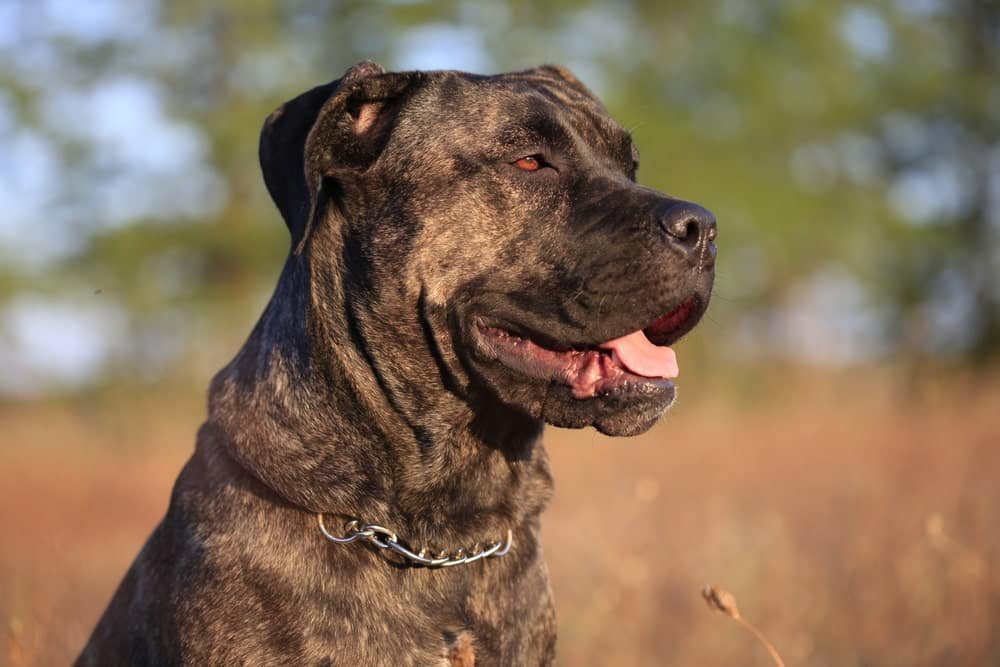
Since Italian Mastiff or Cane Corso dogs are very muscular and athletic, their exercise and activity requirements are relatively higher than other dogs. Cane Corso puppies and adult dogs will need activities that help them in many ways.
Here’s a detailed description based on the provided text, along with key takeaways about Cane Corso exercise needs and training:
The Cane Corso: Exercise and Training for a Powerful Companion
Athletic Build: The Cane Corso’s muscular physique demands a high level of activity to maintain its health and well-being.
Exercise Needs: Adult Cane Corsos thrive on at least 90 minutes of structured exercise per day. Puppies need shorter, gentler exercise sessions to protect their developing joints.
Activity Recommendations:
Walking/Jogging: Essential daily activity.
Fetch/Frisbee: Engaging play that burns energy.
Tug-of-War: Fun indoor option.
Weight Pulling: Builds muscle and strength.
Canine Sports: Excel in agility, obedience, and cart-pulling.
Hiking: Great for bonding and off-leash exploration (where safe).
Important Considerations:
Puppy Exercise: Moderate exercise is crucial to avoid harming developing joints and bones. Gradually increase exercise as your puppy grows.
Bloat Prevention: Avoid exercising your Cane Corso directly before or after meals to minimize bloat risk.
Weather: Exercise with caution in heat to avoid overheating.
Training the Cane Corso
Early Socialization is Key: Prevents aggression towards strangers and other dogs.
Eager to Learn: Cane Corsos are intelligent and respond well to positive training methods.
Potential Dominance: A firm but patient owner is needed to establish clear leadership.
Advanced Training: Keep your Cane Corso mentally stimulated and engaged with obedience, agility, or other dog sports.
Hunting Instincts: This breed still possesses a strong prey drive and can be trained for tracking or flushing game.
Key Takeaways
Cane Corsos are NOT low-maintenance dogs. They require significant physical and mental stimulation to prevent boredom and destructive behaviors.
Exercise should be a daily commitment, tailored to your dog’s age and health.
Early training lays the foundation for a well-behaved and obedient Cane Corso.
Positive reinforcement methods work best with this intelligent breed.
If you’re prepared to meet this impressive breed’s needs, the Cane Corso can be a loyal and devoted companion.
Remember: A well-exercised and properly trained Cane Corso is a happy, healthy, and well-adjusted dog!
How Much Exercise And Activity Do Cane Corso Need?
Reaching the proper amount of exercise and activity to the proper maturity level and age is very crucial. A Cane Corso puppy, as per American Kennel Club, needs a proper amount of exercise and activity level— neither too much nor too little.
For these large breed dogs, a session of almost 15 to 30 min exercise per day is enough and also avoids any risk of damaging joints and bones that are yet developing in young puppies.
For older Cane Corso dogs, you can slowly increase the exercise length and also frequency. So, now as you know how much exercise a Cane Corso puppy needs, it is now time to know the things to consider when exercising this guard dog breed.
Cane Corso Exercise And Activity Recommendations
Cane Corsos younger than Twelve months should not partake in activities that consist of a lot of running, or jumping on hard surfaces, since doing so can damage their still-developing bones and joints.
Also, Cane Corso dogs are highly prone to suffer bloating, a fatal digestive disorder; bloat usually occurs if your dog eats right before/after exercising. However, bloating can also cause due to poor dog food or if you offer adult food to your Cane Corso puppy.
So, along with offering the right food to your Cane Corso, dog exercise daily is also a must. Without constant physical activity, they will become frustrated, bored, disobedient, and aggressive. Thus, regular exercise for this dog breed is good for the dog’s both physical and mental health.
Here are some exercise ideas for these large breeds to burn energy and gain muscle mass:
Jogging or Walking:
Dog of this breed needs at least 30-minute walks (two times) or 20-minute jogs per day. This dog breed was once a working dog breed, hence daily exercise or physical activity is a must for this dog.
Play Fetch or Frisbee:
They will chase sticks, balls, and puzzle toys, or they will Frisbee for hours. This dog starts loving such activities a lot. This is great exercise. Playing fetch using their favorite Frisbee or ball can be a fun activity.
Tug-of-War:
These deep-chested breeds also enjoy the excellent indoor activity on rainy days; for this, you can use an old towel or rope.
Weight Pulling Exercise:
Attach a string to a weighty object such as a spare tire for your dog. This is the perfect exercise for this powerful dog.
Canine Sports:
Cane Corso dogs can excel at agility trials and obedience training sessions, cart pulling sessions, and also other events than other breeds.
Stair exercise:
It is a useful energy burner in case your home has stairs. Any kind of exercise will keep your dog engage and prevent them not to develop behavioral problems.
Hiking:
It is the perfect bonding activity if you can locate a remote place where the pup can be off-leash. This is great for your Cane Corso dog’s overall health. This is also very good strength training and great for proper socialization. So, along with daily walks, take your Cane Corso hiking often.
Exercise And Activity Requirements
Here is the exercise and activity requirement of Cane Corso that a Cane Corso owner should follow for their dog’s better health. By fulfilling these exercise needs of you Cane Corso, you can deal with their destructive behaviors or unwanted behaviors.
If your dog is showing bad behavior or destructive behavior like if your dog chews toys or destroys furniture, then it can be a sign of your dog’s lack of exercise or activity. So, here are a few exercise ideas for your Cane Corso puppy:
Outdoor Exercise For Cane Corso Puppy
Cane Corso dogs need a lot of exercise to stay healthy. So, make sure you often take your Cane Corso puppy and adult Cane Corso for a walk daily.
Even if it is cold weather outside, you shouldn’t skip outdoor exercise. Daily exercise helps Cane Corso dogs to fight against health concerns like Hip dysplasia.
Indoor
This large dog breed needs a lot of exercise. However, if you do not have enough time to take your Cane Corso outside then you can try some indoor exercises for your Cane Corsos.
For example, you can play fetch with your Cane Corso or can offer weight pulling session at home. You can also engage your puppy in stair exercises at home if you want.
Exercise
As an adult, the high-energy Cane Corso needs a minimum of 30 min of physical activity every day. Running, fetching, and also other outdoor activities will keep Cane Corso entertained and fit.
Puppies shouldn’t exercise too much because doing so could harm their developing joints and bones. Mature, well-conditioned Cane Corso should only perform the exercise with high impact.
Endurance
Agile and athletic Cane Corsos are strong enough for keeping up with an energetic owner. If given the opportunity, the Cane Corso breed will play fetch or chase a disc for hours. However, in hot, muggy weather, care should be taken to prevent overheating.
Trainability Of Cane Corso Dogs
Cane Corso dogs are quite easy to train. So, let’s learn about the trainability of Cane Corso dogs in this segment below:
Basics Of Training
The ready-to-learn, eager-to-please Cane Corsos take to basic compliance training with ease, however, as they grow older, they tend to become dominant or stubborn. A firm owner is required to stop the imperious Cane Corso dog from attempting to claim dominance.
Thus, early socialization is important as Cane Corso tends to be suspicious of outsiders. Without continued, early socialization, the possibility of aggression toward strangers and other dogs exists. So, make sure to provide mental stimulation along with proper training.
Advanced Training
Cane Corso needs a task to do, as well as advanced training will fill that need. The Cani Corsi has the desire to enjoy learning and please the owner. They’ve got a competitive streak as well as do well at advanced obedience, agility, and also tricks training.
Sporting Dog Training
Fans of this breed are increasingly using Cane Corso for hunting. Cane Corsos still have a strong prey drive because they were once used as catch dogs. They could be taught to track games or flush out birds.
FINAL WORDS
The Cane Corsos are a strong, high-energy breed with exceptional stamina. They require mental stimulation because they are also quite intelligent. To release stored energy and avoid boredom, giving enough physical and mental activity is essential.
It is advised to engage in deliberate activity, such as muscle-strengthening exercises and activities that stimulate the mind, for at least 45 to 60 minutes each day.
The Cane Corso puppy is a hunting dog breed that loves hunting, guarding, and working. This Italian Cane Corso breed was bred to hunt big game and guard property. Cane Corsos used to hunt wild boar.
Cane Corso Hunting And Tracking Skills
The Cane Corso, a majestic Italian breed, has a rich history rooted in hunting and protection. Here’s a breakdown of why the Cane Corso was historically a formidable hunter, the qualities that make them suitable for the task, and whether they still retain those instincts today.
Historical Role as Hunters
Ancient Origins: The Cane Corso descends from the Roman Molossus, a powerful war dog also used for hunting big game.
Big Game Hunters: Throughout history, Cane Corsos were prized for their ability to hunt dangerous prey like wild boars, bears, and even lions.
Versatile Skills: They served as both tracking and catch dogs, locating their prey and using their strength and powerful jaws to subdue it.
Ideal Hunting Traits
Temperament: Loyal, intelligent, alert, and protective, Cane Corsos make excellent working partners and guardians in the field.
Physique: Their muscular build, large size, and powerful bite force make them capable of taking down large prey.
Endurance: Cane Corsos possess stamina for sustained hunts over challenging terrain.
Trainability: Their desire to please and intelligence allows them to learn and execute hunting commands effectively.
The Cane Corso as a Modern Hunting Dog
Potential: With proper training and socialization, Cane Corsos still have the potential to be excellent hunting companions.
Challenges: Their innate protective instincts and potential for dominance require experienced, knowledgeable handlers for hunting purposes.
Responsible Ownership: Thoroughly research the breed, be realistic about your own experience, and find a reputable breeder if considering a Cane Corso for hunting.
Key Takeaways
The Cane Corso has a long and impressive history as a big game hunter.
Their temperament, physical attributes, and trainability make them naturally suited for hunting.
While Cane Corsos are primarily companion and guard dogs today, they retain the potential to be skilled hunting dogs with suitable guidance.
If you’re interested in a Cane Corso for hunting, prioritize finding a responsible breeder, commit to extensive training, and understand the breed’s specific needs.
Remember, while their hunting instincts remain, the Cane Corso’s primary role today is that of a loyal companion and protector. They excel in this role, making them a beloved breed for their strength, intelligence, and unwavering devotion to their families.
Cane Corso Hunting And Tracking Skills :- What Do Hunting Dog breeds Generally Do?
An ideal hunting dog generally locates, tracks, and retrieves the game. The adult dogs that are generally used for such an activity are the Cane Corsos, German Shorthaired Pointers, Brittany Spaniels, Labrador Retrievers, and also Golden Retrievers.
However, there is one more important aspect of an excellent hunting dog. They may even be needed to capture as well as immobilize bigger species, controlling them or maintaining them down. Also, they can be summoned to kill their target.
The ancient Italian breed Cane Corso was mainly used for hunting wild boar and other animals in Italy, and Europe. Also, the Cane Corsos were used to track damaged games. Cane Corso dogs are a suitable choice for any type of hunting game.
What Meaks Cane Corsos The Perfect Hunting Dogs?
The hunting dog’s temperament must be calm as well as compiled while outdoors, however, energetic and attentive while hunting. These dog breeds should even have a firm sense of smell as well as be smart enough to obey the commands of their experienced pet parents.
The Cane Corso muscular dog breed has these traits required for a suitable hunting dog for hunting large game. Additionally, its strength, size, endurance, and also Cane Corso’s nature make the dog breed an ideal choice for hunting over other dogs.
On the other hand, if we talk about Cane Corso Trainability, they are intelligent enough to follow commands with proper training. This intelligent breed was bred to hunt wild boars but it does not mean that that can’t hunt other animals other than hunting boar.
If dog owners can provide proper dog training sessions to this hunting or working dog breed, they can do anything and hunt anyone.
Not just this breed can work as an excellent hunting dog, but also they are well suitable for protecting their family members against dangers using their high energy!
Another instance of Cane Corsos being utilized for hunting purposes is their work with the US Department of Agriculture (USDA). The US Department of Agriculture has employed Cane Corso high-energy dogs to assist track down as well as apprehend dangerous creatures such as wild boars or bears.
Cane Corsos have a long and storied history as guard dogs, Cane Corso loves hunting and always protect their owners from dangerous predators. So, let’s now learn what makes these dogs perfect for hunting game over other breeds like German Shepherds:
Cane Corso Temperament
The Cane Corso’s temperament is a plus point that helps this breed to become one of the best hunting dogs. This dog breed is intelligent, loyal, and also tenacious. This large dog also comes with a strong urge to please its owners, and has great obedience skills, making the breed easy to train.
The Italian Mastiff is wary and alert of outsiders, making it an ideal protector. In case you are planning to use the dog for hunting purposes, this kind of temperament is required.
The Cane Corso Endurance
When hunting, the Cane Corsos are a strong dog breed that has the potential to cover quite a bit of ground. They are also renowned for their endurance, which is crucial for long periods spent in the field.
They are a great option for hunting dogs due to their size and power. The Cane Corso is an excellent choice for the work due to its disposition and skills. They will excel in training because of their tremendous desire to please their trainer.
The Cane Corsos are a great breed option if you’re searching for a dog with lots of energy. The power and stamina of this breed are sufficient for the task at hand.
Trainability Of Cane Corso Puppy
The Cane Corsos are a trainable and clever dog breed. They will put forth a lot of effort to pick up new commands since they want to please their owners.
Hunting may be highly successful when done with a Cane Corso dog. This dog breed is capable of being a great hunting dog with the correct training. They are the perfect choice for this kind of labor because of their strength, size, and also temperament.
The price tag is the sole factor that might prevent you from buying a Cane Corso dog. Based on where you get them, these pets can be pretty pricey. Consider rescuing or adopting a Cane Corso dog instead if you want to save money.
Hunting Abilities Of Cane Corsos
Cane Corsos were utilized for hunting predators like bears and wolves because of their strong bite power and large size. People also employed this dog breed for hunting extreme predators, such as bears, lions, and coyotes, when in groups.
To kill the target efficiently and quickly, hunters used to send these dogs into the hole to root out the target. This confirmed that the hunter can pull the prey out of the hole without engaging much effort.
Cane corsos are renowned for their special abilities as well as can qualify for advanced hunting sports such as tricks training, agility, nose work, and tracking.
Hunting Is In Cane Corso’s History And Nature
The Cane Corso dog breed is an offspring of the Roman Molossus (from Ancient Roman Empire). This dog breed was employed in hunting as it was considered for its strength, size, and also power to hunt big game.
This type of dog was well-known for its prowess as a pointing dog and retriever of large mammals and birds. As soon as it became a well-liked hunting dog in the 1970s, the breed’s popularity grew once again.
A Cane Corso dog is a great option for hunting huge wild wildlife due to its size, strength, and agility. Together with other dogs, like the Plott Hound, this dog can hunt large animals as a pack.
As a hunting dog, the cane Corso can successfully pursue as well as kill wild boars or rabbits. It can readily subdue prey thanks to its strong jaws, robust neck, and muscular body.
FINAL WORDS
The Cane Corso dog breed is certainly a high-energy dog breed that needs at least 1 hour of daily exercise as an adult to maintain a healthy weight. You can accomplish this by taking your dog for a regular walk or running your dog in a nearby dog park.
Nevertheless, it’s significant to confirm that they’re getting enough exercise they require and aren’t overdoing it.
Cane Corso dogs need socialization and also training as hunting dogs. However, this can be hard based on the owner’s training experience and skills.
It’s better to start small using training exercises like agility or obedience and then try more difficult activities slowly over time. In the end, all we can say is that the Cane Corso dog breed has a lot of endurance and strength to make it an amazing hunting dog.
Cane Corsos, also known as Italian Mastiffs, are impressive dogs known for their loyalty, strength, and protectiveness. But beneath their intimidating exterior, lies a sharp mind. Here’s what you need to know about Cane Corso intelligence:
Overall Intelligence
Above Average: Cane Corsos are generally considered to be above-average in intelligence, often compared to the German Shepherd breed. They learn quickly and have a strong desire to please their owners.
Working Dog Mentality: Historically, Cane Corsos were bred as working dogs for guarding and protection. This means they have a natural tendency to be independent thinkers and act on instinct, which can sometimes be perceived as stubbornness.
Key Areas of Intelligence
Problem Solving: While they may not be the most natural problem-solvers, their trainability and intelligence make it possible to teach them problem-solving skills with proper guidance.
Learning Commands: Cane Corsos grasp commands and tricks with relative ease. Studies suggest they can learn an impressive number of words and signals.
Sensing Danger: These dogs have keen senses and a protective instinct, making them excellent at alerting their owners to potential threats.
Loyalty and Affection: Cane Corsos form strong bonds with their owners, demonstrating their capacity for emotional intelligence.
Factors Affecting Intelligence
Individual Variation: Intelligence can vary among individual Cane Corsos, just like in any dog breed.
Early Socialization and Training: Consistent training and exposure to various experiences from a young age significantly enhance their intelligence and behavior
Genetics: A dog’s lineage can influence its intellectual capacity.
Training Tips to Maximize Your Cane Corso’s Intelligence
Start Early: Begin training your Cane Corso puppy as soon as possible. Early training lays a strong foundation for learning and obedience.
Positive Reinforcement: Use treats, praise, and positive reinforcement techniques to motivate your Cane Corso.
Consistency: Maintain consistent training sessions and expectations to help your dog learn effectively.
Mental Stimulation: Provide toys, puzzles, and training games to keep your Cane Corso mentally challenged.
Socialization: Expose your pup to a variety of people, places, and experiences to develop their social intelligence.
Key Takeaways
Cane Corsos are intelligent dogs with the capacity to learn and excel in many areas.
They require consistent training and mental stimulation to reach their full intellectual potential.
Their independent nature may sometimes make them seem less obedient, but this shouldn’t be mistaken for a lack of intelligence.
Remember, while intelligence is important, responsible ownership involves understanding the Cane Corso’s needs and temperament. With proper training, love, and care, your Cane Corso can be a brilliant and loyal companion.
Are Cane Corso Intelligent Dogs?
Cane Corsis are multi-talented, very clever dogs. This breed is thought to be similarly intelligent to German Shepherds. Thus, you may anticipate that your pet will pick up on your commands rapidly.
Numerous things can affect a Cane Corso’s IQ. To help you gain a better grasp of the breed and its IQ ranges, we’ve looked into this in depth.
Since measuring a dog’s intelligence is difficult, many people instead gauge its eagerness and attentiveness. Others try to assess problem-solving abilities, although this can be challenging.
For instance, a mastiff can decide that the best way to handle a situation is to lounge around and keep watch.
About Cane Corso Intelligence:
Cane Corso dogs are thought to be fairly intelligent dogs. They are extremely devoted to their owners and have a short learning curve for commands. They are more intelligent than the typical dog, yet they are not the smartest.
However, this does not imply that they always obey orders. Cane Corsos have a long history of being bred to act on instinct and work independently of Cane Corso owners. Therefore, if you want a dog that will constantly listen, they aren’t the greatest.
Cane Corsos have historically lain around and kept an eye out for criminals. They were free to ignore their master’s whims as a result.
The Cane Corso puppy is a very possessive breed. They don’t get along well with other dogs and are distant around strangers.
Therefore, early training and socialization are crucial for preventing potential hostility in the future.
How Smart Is a Cane Corso?
According to reports, a Cane Corso has an intellect level of three out of five, which is considered to be average. The most important thing to realize is that an IQ test can provide you with a rapid ranking of your pet.
You can evaluate the dog’s talents to give it points and utilize those points to determine its score.
The fact that many experts claim Cane Corso puppies have the mental capacity of 2- to 2.5-year-old human children is important to notice.
Because of this, you can anticipate that your dog will be quite intelligent. Depending on the species and type, your pet may even outsmart other animals in your home.
Although the Cane Corso mastiff breeds is a usually clever dog, IQ can differ across different members of the same breed.
However, according to some experts, the Cane Corso is among the most intelligent dog breeds. This is largely attributable to Cane Corso’s rapid learning and memory retention skills.
The Cane Corso can be trained to do just about whatever you want him to, unlike some other dog breeds that might be better suited for particular hobbies.
Cane Corso Problem Solving Abilities
Compared to most other dogs on the earth, a Cane Corso is simpler to train. They are reputed to comprehend their owner’s commands with ease.
A Cane Corso can often learn about 165 words during training with signals.
You should also be aware that a Cane Corso is also referred to as a working dog due to its intelligence and diligence.
This is why training your pet won’t provide you with many challenges. You must, however, bear some factors in mind.
For instance, Cane Corso has a tendency to be wary of strangers and territorial. As a result, you must train the dog more diligently. You should also practice consistency in your training.
Natural Problem-solver:
Cane Corsos are perceptive dogs who can assist you in a variety of ways. They might not, however, be the finest natural problem-solvers.
The training of the animal, which differs from dog to dog, determines this skill. Consequently, from an early age, you must correctly train the dog if you want it to be helpful.
Additionally, cane corso dog compared to most other animals, aid, and therapy dogs are more adept at problem-solving.
By instructing it with various orders, you can teach your Cane Corso to assist you with a variety of tasks. If you are consistent, your animal companion will be able to handle many issues.
Warn You Of Danger:
The most important thing to remember is that Cane Corso is very devoted to and protective of their owners. Due to this, you may count on your pet to warn you of danger under numerous circumstances.
The dogs can easily identify hazards thanks to their keen hearing and smelling senses.
When a trespasser enters your home, your Cane Corso will bark incessantly to let you know. Additionally, the dog could behave aggressively toward the visitor.
This is due to Cane Corso’s lack of friendliness towards strangers. Therefore, when your pet is barking continuously, you must attend to it.
In addition, Cane Corso can swiftly recognize many creatures in their surroundings. This indicates that the dog can readily defend itself.
Picks Up On Commands:
Cane Corso’s desire to please their owners is their most notable quality, which contributes to their intelligence.
Because of this, the dog picks up on commands and signs rapidly. In addition, this breed can occasionally be sensitive to attention and thrives on it.
Energetic and Diligent Breed:
Another thing to keep in mind is that Cane Corsos are an energetic and diligent breed.
Additionally, they are very devoted to and protective of their family. Therefore, when you are in danger, you can count on your Cane Corso to act quickly.
The Cane Corso has exceptional genes, which contribute to its high intelligence. This implies that your pet is wise from birth.
Of course, in order to get the most out of its great intelligence, you will need to properly train it.
How To Train Your Cane Corso To Make Smarter?
Do you wish to know how to educate your Cane Corso? Check out these straightforward tips to teach your Cane Corso additional knowledge.
Begin early training with your Cane Corso. As soon as you bring your dog home, begin training him. Your Cane Corso will become more intelligent and trainable as a result.
Socialize your Cane Corso as early as possible. You may help your Cane Corso become more intelligent by taking them on more walks and exposing them to different environments and circumstances.
Constantly expose students to challenges and issues. You can, for instance, purchase food dishes that force animals to eat with intelligence.
Every day, work on physical adjustments with your Cane Corso dog. When your puppy is younger, this is especially important, but regular handling will help your dog become more adaptable to change and pick up new commands.
When your Cane Corso behaves well, lavish them with praise and perhaps even treats.
Continue to impart fresh instructions and techniques. Keep exploring new ways to train your Cane Corso because all companion dogs have the capacity to learn new skills.
Conclusion:
Cane Corsos are thought to be intelligent canines. They aren’t necessarily the most intellectual dog, though. It might be difficult to gauge a dog’s intelligence. Dogs weren’t bred to do the same things as humans. It is challenging to compare them as a result.
Cane Corsos frequently have little trouble judging people and circumstances. However, in a real-world situation, they won’t always obey orders. They frequently exhibit independence and perhaps some stubbornness.
It is the duty of dog owners to be knowledgeable of all local and state regulations governing dogs. States and cities have different laws, and breaking one of them might have serious repercussions. So, in this article let’s know about Cane Corso legal regulations and ownership responsibilities
Here’s a detailed description of Cane Corso legal regulations and the responsibilities of ownership, with key takeaways:
Can I Own a Cane Corso Legally?
The legality of owning a Cane Corso varies depending on where you live. Here’s a breakdown:
Australia: Ownership is allowed, but there may be restrictions or outright bans in certain states and territories. Research your specific location thoroughly.
United Kingdom: Cane Corsos are legal, but they fall under the Dangerous Dogs Act. If a dog is deemed a risk, restrictions like muzzling will apply.
United States: Regulations vary greatly between states, counties, and even cities. Breed-Specific Legislation (BSL) may ban or restrict the breed in your area.
Canada: BSL also exists, with some provinces/cities banning or restricting certain breeds, potentially including Cane Corsos.
Understanding Breed-Specific Legislation (BSL)
BSL Defined: Laws targeting specific breeds deemed “dangerous”, regardless of individual dog behavior.
Controversy: Many animal welfare and dog experts oppose BSL, arguing it’s ineffective and unfairly targets responsible owners.
Responsibilities of Cane Corso Ownership
Beyond Legality: Legal status is just one factor. Consider your ability to provide the intensive training, socialization, and management this powerful breed requires.
Early Training is Essential: Strong leadership, consistent positive reinforcement, and thorough socialization are non-negotiable to prevent behavioral issues.
Awareness and Control: Be extremely mindful of your Cane Corso around strangers and other animals. Leashing and responsible handling are crucial.
Stay Informed: Laws and regulations can change. It’s your responsibility to stay updated and ensure you’re in compliance.
Advocate for Responsible Ownership: Support humane, non-breed discriminatory approaches to dog safety regulations.
Key Takeaways
Do Your Research: NEVER assume a Cane Corso is legal where you live. Research local laws thoroughly before getting one.
Responsible Ownership Is Key: Regardless of breed, training and management are crucial, especially with potent breeds like the Cane Corso.
Be Prepared for Potential Bias: Due to their size and power, Cane Corsos may be subject to unfair scrutiny simply for their appearance.
Consider Alternatives: If you’re unsure about the breed restrictions in your area, or unsure if you can provide the level of commitment a Cane Corso needs, consider a different breed that matches your situation.
Remember: Owning a powerful dog like the Cane Corso is a privilege and a big responsibility. Being a dedicated, informed owner is crucial for the safety of both your dog and the community.
Where Are Cane Corsos Illegal?
Is Cane Corsos allowed to be owned? As the popularity of this huge breed has grown in recent years, this subject has been raised more frequently.
Yes, Cane Corsos are legal in many nations, including Westernised, and English-speaking nations like the US, UK, and Australia.
However, it’s crucial to be aware that, depending on the nation or territory within that nation where you reside, there may be some limits or rules in force.
Legal Regulations Of Cane Corso In Australia
Australian law does not forbid the importing of Cane Corsos, but it does restrict it.
Having said that, due to their size and power, the possession of Cane Corsos is prohibited in some states.
Cane Corsos are legally categorized as “Dangerous Dogs” in New South Wales and the Australian Capital Territory, which means that there are particular guidelines and limitations on who may possess one.
Sterilization, microchipping, and wearing a muzzle in public are a few of these.
Cane Corsos are considered a “Restricted Breed” in Victoria, which has additional ownership restrictions such as acquiring a license to retain the dog and registering it with the local municipality.
The Tasmanian government provides more information about the breed, and the City of Sydney council provides helpful advice.
They also explain what will happen if a ranger or municipal employee finds your dog to be harmful.
In the end, the laws governing Cane Corso ownership in Australia differ from state to state, so prospective owners must be aware of the laws in their area and determine whether they require a permit before bringing one home.
Due to their size and strength, some Australians are also advocating for the outlawing of Cane Corsos.
However, there have been no successful attempts to have them outlawed in any Australian state or territory.
Currently, there are just about 20 Cane Corsos that are registered in the nation, which shows that the breed is still relatively new to the continent.
Owners should keep up with changes to the law in their home states since they can happen rather quickly.
Legal Regulations Of Cane Corso In The UK:
In the UK, Cane Corso ownership is permitted. The Dangerous Dogs Act of 1991, only lists four breeds specifically prohibited by the law.
Otherwise, it is evident from the legislation that any dog that seems to be a cross between any of the four recognized breeds is also prohibited.
This means that while deciding whether to charge a dog’s owner, authorities will consider the dog’s outward appearance.
It’s also important to note that DNA, behavior, and breeding are not taken into account when determining whether a dog ‘looks’ dangerous breeds for legal purposes.
They must therefore be measured for their “looks,” in other words.
They will be listed on the “Index of Exempted Dogs” if a court determines they are not a risk to the public, but they must abide by rules such as being muzzled and kept on a lead in public.
Our Dog Bite Statistics guide gives a thorough review of the risks of dog bites. Of course, the risk of bites is the main factor in determining if a dog is dangerous.
Given their size and strength, some have argued that Cane Corsos should be prohibited in the UK to prevent them from endangering people and other animals.
Despite this, no successful attempts to outlaw the breed have been made.
To make sure they are adhering to all criteria and laws related to having a Cane Corso, owners must keep up with legislative changes.
In the end, it’s crucial to be responsible and devoted when it comes to dog ownership, and this is especially true for people who own strong breeds like the Cane Corso.
Legal Regulations Of Cane Corso In The US:
Owning a Cane Corso might be challenging in the US.
Specific limitations on this breed are in place in several states.
Most areas have rules that owners must follow, like getting a license and registering the dog with the municipality.
‘Breed Specific Legislation’ (BSL) has started to be introduced by several county and city administrations, which prospective owners need to be aware of.
The Cane Corso may be included on a list of dangerous dog breeds that have been created as a result of this.
This means that, in areas where the Cane Corso has been outlawed by a state or other authority, your dog may be taken away and destroyed, regardless of whether it has displayed aggressive tendencies.
Legal Regulations Of Cane Corso In Canada
It’s crucial to remember that BSL has a big say in the laws governing which dogs can be owned in Canada.
Some organizations are contesting this, claiming it is discriminatory.
According to the Toronto Humane Society, there is no proof that communities that use BSL have more dog attacks than those that don’t.
In actuality, breed prejudice unfairly denigrates knowledgeable and moral owners and can result in many pets being put to death.
Nevertheless, Calgary, Alberta, does not employ BSL to forbid specific breeds of dogs. In this area, the Cane Corso is permitted.
Strong licensing regulations are in place in the city to prevent inexperienced owners from getting canines that they are unable to control.
They also provide wonderful programs like public dog safety education to inform dog owners about safety in public and dog maintenance in general.
Responsibility Of Owning A Cane Corso
Any sort of pet ownership entails some level of care, but owning huge breeds is especially demanding.
Cane Corsos are recognized for their size and power, so owners need to be cautious of any potential dangers.
Because every dog breed is unique, the care you’ll need to give your dog won’t be the same as what another breed would need.
Consider your new dog’s temperament, health issues, training and socialization requirements, nutritional requirements, and other needs as you get ready to take care of them.
Educate a Cane Corso as early as possible. Due to their size and potential for dominance, it is imperative to start the training and socialization process as soon as possible.
They perform best when trained by a strong person who will impose themselves as the household’s head.
These dogs are also highly eager to please, so with the correct trainer and positive reinforcement techniques, they may learn quickly.
All dogs need proper training and socialization, but huge breeds like the Cane Corso really benefit from it.
Begin the dog’s training when it is still a young puppy. It should be frequently socialized with other dogs, cats who dwell in your house, kids, outsiders, and members of your extended family.
When meeting new pets or people, always keep an eye on your dangerous dog and make sure it’s leashed so you can manage it if required.
You must be vigilant and persistent when teaching a Cane Corso because of their innate fear of strangers and propensity for being territorial.
Due to the dog’s enormous size, it is also necessary to pay close attention to preventing jumping, leaning, and leash pulling.
If your dog sprang up on someone or yanked on its leash while out for a stroll, it could easily knock them over.
However, given their intelligence and diligence, Cane Corsos shouldn’t have any trouble picking up new skills.
Additionally, it has a strong desire to please its owner and is particularly responsive to praise, love, and affection.
Conclusion:
Breed-specific legislation is not a useful strategy for controlling canine behavior in public places.
Although such prohibitions may provide solace to people who have had negative interactions with particular kinds or who have read about attacks by particular dog breeds in the media, they do little to successfully control the behavior of any one breed or of dogs and their owners as a whole.
Dog owners often look for variation when choosing a guard dog for home. Nowadays, Cane Corso mix with Rottweiler, specifically known as Rotticorso, is on trend.
Rotticorso is a dog that is very affectionate towards its owners and can be the best while in training sessions. This dog has gained its muscular appearance from the Cane Corso and has derived its intelligence from the Rottweiler.
Here’s a comprehensive description focusing on the Rotticorso breed, key takeaways for owners, and clarifying some points:
Introducing the Rotticorso: A Powerful Blend
Hybrid Origins: The Rotticorso is a designer dog created by crossing the Cane Corso and the Rottweiler, two large, formidable guardian breeds.
Appearance: Muscular build, blocky head, scissor bite. Short, smooth coat in various colors. Deep amber or brown eyes offer a compelling gaze.
Temperament: Loyal and affectionate towards family. Inherits intelligence from the Rottweiler and a somewhat dominant nature from the Cane Corso side. Early socialization is crucial to avoid wariness of strangers.
Ideal Owner: Experienced with large breeds. Committed to providing ample exercise and consistent training for this powerful and intelligent mix.
Living Needs and Care
Basic Essentials: Like most dogs, Rotticorsos require balanced nutrition, exercise, regular vet checkups, and lots of love and attention.
No Special Treatment: Care is akin to other large breeds. Positive reinforcement training works best, harsh punishment should be avoided.
Socialization is Key: Preventing negative interactions is essential due to their protective nature. Start socializing early and consistently.
Training Your Rotticorso
Early Start is Best: Begin training as a puppy for optimal results. Rotticorsos are smart but can be strong-willed.
Positive Methods: Focus on reward-based training to build trust and enthusiasm.
Consistency Matters: Regular training sessions are a must, especially in those early months.
Socialization is Training, Too: Exposing your Rotticorso puppy to various people, places, and other animals safely fosters a well-adjusted adult.
Rotticorso Health Considerations
Prone to Common Conditions: They can be susceptible to issues affecting larger breeds, like hip and elbow dysplasia, eye problems, and potential cancers.
Reputable Breeders Matter: Responsible breeders prioritize health testing, minimizing the risk of your dog inheriting certain conditions.
Regular Vet Care: Stay on top of preventative care and address any potential concerns early on.
Clarifications
Not a ‘King Corso’ Mix: There’s no recognized breed mix called “Rottweiler King Corso”. King Corsos are simply large specimens within the Cane Corso breed.
Key Takeaways for Potential Rotticorso Owners
Demanding, But Rewarding: This breed requires dedication but provides fierce loyalty in return.
Responsibility First: Be honest about your ability to provide the exercise, training, and socialization a Rotticorso needs to thrive.
Not for Everyone: This isn’t a casual pet. They are best for experienced owners able to handle a powerful, protective dog.
Seek Guidance: Connect with reputable breeders and trainers specializing in guardian breeds.
The Bottom Line: The Rotticorso is a striking and capable breed best suited for the right owner. With commitment and informed choices, they can be devoted and loving companions.
About Cane Corso Mix with Rottweiler Breed
It has always been one of the most asked questions of dog owners when they search for a new guard dog to adopt for their home.
The breed information of the canine helps the owner decide how many precautions they must maintain while taking care of the canine and what kind of nature it possesses. That’s why we suggest you to at least know the amazing 12 facts about Cane corso.
The scientists who have researched the breed of Rotticorso have made the comments over this breed that it is a mixture of the genetic traits of the dog breeds Cane Corso Italiano mixed with Rottweiler, both of the parent dogs are large in size and muscular in nature due to which the Rotticorso has also developed this trait of being muscular in appearance.
The owners who have been the owner of a Rotticorso have commented that this dog breed usually remains active and interested during training sessions and always try its best to satisfy the owner in all aspects.
They have inherited many characteristics from their cane Corso parent dogs but possess a character different from friendliness toward unknown persons and other animals.
The Appearance of Cane Corso Mixed with Rottweiler
The appearance of the rottweiler mix cane Corso is something that has always been attracting dog owners towards it, just like the Italian Mastiff Cane Corso.
The dog’s appearance matters the most because it makes the canine look different from the other dog breeds.
As per the research done on this breed and the comments made by the owners over the appearance of dogs, a piece of information has been obtained that the head of the Rotticorso resembles the shape of a block, with narrow muzzle-shaped teeth reforming the shape of a scissors bite along with a muscular and a heavy body.
Besides all this, the most attractive thing about the canine’s appearance is its deep amber or brown shaded eyes, which give it a unique touch.
The canine coat also contributed no less to make the dog look great. The short and straight-haired coat of the canine makes it look more attractive and prevents the pet from tangling in the hair.
The Temperament of a Cane Corso Mixed with Rottweiler
The dog’s temperament is the thing that the dog owner mostly searches for when going to buy a dog, as the matching of the preferences of both the owner and the canine matters because it will help build a good bond. No matter whether it’s a Fawn Cane Corso or a King Cane Corso.
For example, if a dog owner is super active or an athlete, he will want to have an active dog to spend quality time with the canine.
As per the research done over the mix of the Cane Corso and Rottweiler, a piece of information has been obtained that this dog possesses a mixture of the characteristics of both parental traits.
The temperament can be well defined by the fact that it possesses a kind and affectionate nature towards the owners.
Like the Rottweiler dog, it was a good listener and always listened to the owner’s commands very carefully and performed the same.
In short, it can be said that the Rotticorso has inherited the intelligence from the parental traits of a Rottweiler and has inherited the traits of his bossy appearance and affectionate nature towards the owner from the Cane Corso.
Living Needs of a Cane Corso Mix with Rottweiler
It is also equally important for the dog owners to know about the living needs of the Corso rottweiler, as knowing the living needs of the canine will make the dog owner understand how much effort they have to make while properly taking care of the canine.
As per the comments made by the veterinarians over the dog breed, it can be said that the living needs of the Cane Corso mixed with Rottweiler are almost the same as that of other dog breeds.
It generally includes proper meals, training sessions, potty schedules, and regular visits to the veterinarian for proper maintenance of the canine’s health.
But the most important fact to notice here is that the dog needs the love, attention, and care of the owner the most to prevent itself from panic and anxiety attacks.
Care Guide of Cane Corso Mix with Rottweiler
We might often have a misconception that the Cane Corso Rottweiler mix is a combination of two dog breeds, so the dog owner might have to follow some specific steps to make the dog comfortable and to take care of it properly.
This is not correct. The care guide of a Rotticorso is almost the same as that of a normal dog like a regular Blue Cane Corso which includes encouraging the pet in tough times, giving him comfortable places to sleep, proper vet visits, proper potty sessions, walking sessions, and all.
But the most important fact that the dog owner should notice while taking care of the canine is that they should never punish the canine as it presents the owner as a source of threat to the canine and can lead to negative effects on the bond of the owner and the canine.
cane corso rottweiler mix puppy
Cane Corso and Rottweiler mix puppies, also known as Rotticorso puppies, are a large, muscular breed with a powerful build and a protective nature. These puppies are typically intelligent and loyal, and they make excellent guard dogs.
Rotticorso puppies are typically good-natured and affectionate with their family, but they can be reserved and wary of strangers. They require consistent, firm training and socialization from an early age to help them learn appropriate behavior and to prevent any potential aggression.
cane corso mix rottweiler puppies are typically easy to groom, but they may require regular exercise to maintain their health and prevent boredom. Overall, Rotticorso puppies make loving and loyal companions for the right owner.
Training Guide of a Cane Corso Mix with Rottweiler
For proper training of this dog breed, the owner has to follow some specific steps to make the dog learn the required training efficiently.
As the dog is a combination of two different parental traits, the owner might face difficulties properly handling the dog in training. Below mentioned are the steps to follow.
Start at a Young Age
As per the research done, it can be said that the best time to train a Cane Corso mix with a Rottweiler is at the earlier stage of its life.
The dog has a huge capability of grasping new skills efficiently in the sixth week of his life. So starting this dog training at a young age can get the best results.
Never Show Dominance
Dominance is a fact that most dog owners take differently while training a puppy, like keeping the training sessions very long until the dog performs the tasks correctly.
This all can have negative impacts on that little puppy both mentally and physically thus, and it needs to be avoided.
Socializing the Pet
Socializing the pet means familiarising the pet with unknown people and other animals. The dog has derived this from the parental traits of Cane Corso, which is why the dog owners must put more effort into making the pet friendly with others.
Avoid Physical Discipline
Sometimes we used to apply a stick or move the pet harshly in the position of his actual training, while the dog didn’t listen to our commands.
This needs to be strictly avoided because this can hurt the canine emotionally. Thus imposing physical discipline on the canine needs to be avoided.
Keep All the Necessary Equipment
The most important part of proper canine training is having all the necessary equipment like a leash and a collar, pet barriers, a crate, playing toys, and many others.
These all are very helpful in keeping the dog in control when it gets out of control. Thus, keeping this equipment at the time of the dog’s training is very necessary.
The Health of the Cane Corso Mix with Rottweiler
The most important factor the dog owner should know about the Rottweiler cane Corso mix before going to adopt this as a guard dog of the home is its health.
This is important because the dog owner will only be able to take proper care of the canine’s health after knowing about its health details.
Depending upon the comments made by the veterinarians over the health of this canine, it can be said that the health condition of this Cane Corso Rottweiler is no different than the other dog breeds.
Like the other dog breeds, they also have a chance of getting affected by bacterial diseases, elbow dysplasia, eye problems, bone cancer, pancreatitis, inflammation of organs, and many others.
The curing process of such diseases in the case of Rotticorso is also the same as that of the curing process of the other dog breeds.
The owner just has to go for a vet visit and have to feed the prescribed medicines to Cane Corso mix with Rottweiler.
rottweiler king corso mix
There is no breed of dog known as a “Rottweiler King Corso” mix. Rottweilers and Cane Corsos are two different breeds of dog, and it is not possible to create a hybrid breed by mixing them.
Rottweilers are a large, powerful breed with a distinctive black and tan coat, while Cane Corsos are a larger, more muscular breed with a short, smooth coat. Both breeds are known for their intelligence, loyalty, and protective nature, and they make excellent guard dogs.
However, they require consistent training and socialization from an early age to prevent any potential aggression. If you are interested in adopting a Rottweiler or Cane Corso, it is important to research the breed carefully and to choose a reputable breeder.
The Cane Corso, also known as the Italian Mastiff a powerful-looking dog that is huge and imposing and is a devoted and protective friend. However, because of its domineering personality and propensity to snore and drool when sleeping, this dog may be difficult to manage. The Cane Corso is a smart dog that gets bored rapidly. It is a demanding dog that needs knowledgeable owners that have the time to give their dog a lot of attention.
Here’s a detailed description of the Cane Corso, considering its unique needs and the importance of informed ownership, with key takeaways:
The Cane Corso: A Powerful Breed with Specific Requirements
Protective and Imposing: Bred for guarding and herding, Cane Corsos possess a naturally alert temperament and an impressive physique.
Intelligent and Trainable: They are eager to learn and respond well to positive reinforcement training. However, their size and strength require consistent handling from an early age.
Demanding Needs: Cane Corsos thrive with ample exercise, both physical and mental. They are prone to boredom, which can lead to destructive behaviors if not given stimulating activities.
Potential Challenges:
Drooling and snoring are common traits.
They can be wary of strangers if not properly socialized.
Their dominant streak necessitates firm but gentle leadership.
Owner Testimonials: Highlighting the Cane Corso Experience
The testimonials you’ve shared showcase the Cane Corso’s potential:
Loyal and Loving Companions: These dogs form deep bonds with their families, often becoming cherished protectors.
Adaptability: Testimonies show Corsos adjusting well to various home environments and enjoying different activities.
Need for Early Engagement: Puppies benefit from immediate socialization and training to develop good manners.
Is a Cane Corso the Right Fit for You?
Experienced Owners: Those familiar with large, working breeds are better equipped to handle the Cane Corso’s strength and personality.
Active Lifestyle: If you can provide ample exercise and mental challenges, a Corso will thrive.
Dedication to Training: Consistent, positive training is essential to shaping a well-mannered and obedient companion.
Realistic Expectations: Be prepared for the realities of owning a powerful breed – drooling, potential stubbornness, and the need for continued training through adulthood.
Key Takeaways
Research Thoroughly: Understand the breed’s history, temperament, and needs before making a decision.
Prioritize Socialization and Training: Early and continuous positive experiences are crucial for any Cane Corso to become a well-adjusted adult.
Seek Support: Don’t hesitate to reach out to trainers or knowledgeable breeders for guidance, especially if you’re a first-time Corso owner.
Choose a Responsible Breeder: Prioritize breeders who focus on health and temperament, not just appearance.
The Bottom Line: A Cane Corso can be a magnificent companion, but ownership demands commitment. By being an informed, dedicated owner, you can unlock the full potential of this powerful and loyal breed.
About Cane Corso:
The Cane Corso is a powerful, athletic dog that has historically been preferred by Cane Corso owners due to its protective temperament.
They are intelligent, lovable members of the mastiff family who have been employed as working dogs for their guarding and herding prowess.
Cane Corsos are intelligent, eager-to-learn dogs. They must be trained from an early age with a lot of positive reinforcement due to their size and power in order to prevent them from pulling on the leash or jumping up.
Because of their natural curiosity and inquisitiveness, they require a lot of cerebral stimulation, which you can give them by including challenges and games in your regular activities.
Size:
The Cane Corso is a medium to large dog that normally measures 23 to 28 inches (58 to 71 cm) at the withers and weighs 90 to 110 pounds (41 to 50 kg). It has a big, broad head and a stocky, muscular body.
The breed’s short, stiff coat can be brindled and comes in black, grey, fawn, or red colors. The long tail is traditionally docked, and the ears are trimmed short, if legal.
Personality:
Every Cane Corso is unique, just like every living thing. Vandewalle has three of her own; one of them barks incessantly, while the other two hardly ever do. One of her dogs adores chasing frisbees and balls, while the other two have zero interest in playing fetch.
Corsos typically have a laid-back disposition when given tasks to complete (even as simple as daily training and skill practice) and are thoroughly socialized. In truth, Cane Corsos get along well with strangers, other animals, and even well-behaved children given early socialization, the appropriate training, and care.
Feeding:
In the event that you have a Cane Corso puppy, remember that huge variety canines might take more time to foster their outer muscle framework completely. Some Cane Corsos purportedly keep on growing up to the age of two.
Furthermore, it’s critical that kids develop at a healthy rate of growth because obesity and orthopedic disorders might result from rapid growth. Do not free-feed.
A young puppy should instead be fed a properly portioned amount of food three to four times per day until about six months old, after which it should only be given once or twice per day.
Grooming:
Cane Corsos require little care to keep them looking good. Their short, thick coat only needs a brief brushing once every week. Your Cane Corso shouldn’t require bathing unless they become muddy.
If you are concerned about them marking furniture, keep in mind that they are known to drool more than other giant breeds.
Unfortunately, several Cane Corsos have had their ears cropped because of their commanding, attractive appearance. In the UK, ear cropping is also prohibited and needs to be reported.
Exercise:
The Cane Corso needs a lot of exercises because it is powerful and spirited. They run the risk of getting bored if they don’t have adequate mental and physical stimulation.
They will need to go on two long walks each day to ensure that their exercise requirements are met. Provide them with puzzle games to play throughout the day; they like to stay active.
Take them to a safe location with lots of interesting things to see and smell so they can run around unrestrained and remain happy and healthy.
Being overly active while they are still growing can have long-term implications on their joints, just like with all breeds.
Training:
Cane Corsos are intelligent, eager-to-learn dogs. They must be trained from an early age with a lot of positive reinforcement due to their size and power in order to prevent them from pulling on the leash or jumping up.
Because of their natural curiosity and inquisitiveness, they require a lot of cerebral stimulation, which you can give them by including challenges and games in your regular activities.
Cane Corsos will start to move toward new encounters with an alert when they are around 12 weeks old, similarly as with all varieties. In this way, it’s significant for their improvement that they experience however many different conditions as they can.
Acquaint your Cane Corso with different canines, individuals, and animals as well as vehicle travel and peculiar commotions, similar to traffic, while they are still so youthful and responsive.
Cane Corso Ownership Experiences And Testimonials:
These dogs are intelligent and very loyal to their owners. They are great security dogs because they are rarely violent, but they become bored easily.
They are famous for their propensity to drool, snore loudly, and pass wind. They might be apprehensive of strangers and need a firm touch when being trained to overcome dominating tendencies. See below the owner’s experiences and testimonials for Cane Corso dogs and Cane Corso puppies.
Testimonial 1:
Our family adopted Maximus last year, and he not only joined our family right away but also ended up becoming our daughter’s best friend and savior. We’ve owned other breeds but we can’t say that the Cane Corso has truly become our friend or a part of our family.
By John, Oklahoma
Testimonial 2:
We searched for weeks in search of a beautiful dog and had our first Cane Corso. It was fantastic that we were able to acquire him before Christmas. We gave our friend’s name, but we just call him Vito; he’s done a terrific job adjusting to his new life and home, and we couldn’t have wished for a finer friend.
By Ciara, Long Island
Testimonial 3:
We got our Rocky last year. He loves to play outside and chase leaves around the yard. He is a cuddly baby when he is weary, but when he wants to play, he wants to play!! He’s a really curious and kind youngster who keeps us on our toes and who learns something new every day. We adore him a great deal!
Do not wait to purchase your adorable Cane Corso puppy. Our Saint is a superbly lovely dog. Saint has only been with us since we picked him up yesterday, but he’s quickly adjusting to his new life and home. Both the calm temperament and the outgoing personality I was looking for are present in this pup.
By Stella, Hudson, Ohio
Testimonial 5:
Our family’s newest member is Bruce! I couldn’t be happier with our puppy. He already gets along well with other dogs, little children, and on walks thanks to his wonderful demeanor. My daughter spends numerous hours caring for the dogs and is an expert in the field. We love Bruce and he is the best we could ever have. My son and I are overjoyed with our adorable son!
By Jane, Michigan
Conclusion:
If you’re a first-time pet owner, a Cane Corso might not be the easiest companion. They are physically strong and highly clever canines that, if not adequately stimulated and socialized, can easily turn into a hassle. Because of their robust build, they are better suited to experienced owners despite enjoying training sessions. Historically employed as working dogs.
Cane Corsos are a breed of extremely protective dogs. This breed has a long history, dating back to the height of the Roman Empire, when they were employed as protection and guard dogs. They are ideal candidates for protection jobs due to their strength of size, bite, intimidation aspect, and personalities. So, let’s know about Cane Corso protection and guard dog training.
Here’s a detailed guide on Cane Corso protection and guard dog training, along with key takeaways for responsible ownership:
Harnessing the Cane Corso’s Protective Instincts
Powerful and Protective: Cane Corsos possess strength, impressive size, a powerful bite, and a naturally watchful temperament, making them well-suited for protection roles.
Historical Guardians Their lineage traces back to the Roman Empire where they served as protectors and war dogs.
Loyal and Brave: Their deep family bond fuels their fierce desire to keep loved ones safe from potential threats.
Understanding Guard vs. Protection Dog
Guard Dogs: Primarily deter intruders with their imposing presence and alert barking. They may act aggressively if truly provoked.
Protection Dogs: Undergo more specialized training to respond to specific threats and commands. They are trained to neutralize the danger, not just warn of it.
Responsible Cane Corso Protection Training: The Essentials
Your Corso must respect you as the leader and have impeccable obedience skills (“sit,” “stay,” “come” ).
Early socialization is crucial to help them distinguish between everyday encounters and genuine threats.
Controlled Environments for Initial Training:
Begin training in safe settings with a professional specializing in protection work.
Simulated scenarios with controlled aggression help hone their responses
Harnessing Natural Alertness:
Enhance your Corso’s inherent “alarm system.” Encourage barking at unusual events, followed by rewards and a “quiet” command to restore calm.
Teach them how to assess situations under your guidance.
Boundary Training:
Clearly define your property’s perimeter with walks, teaching them to alert to intrusions, but avoid uncontrolled chasing behaviors.
Important Considerations
Breed Personality: Cane Corsos have a dominant streak, requiring experienced owners who provide clear leadership.
Professional Guidance is Key: Seek experienced protection dog trainers who understand the breed and ethical practices.
Temperament Evaluation: Not all Cane Corsos are ideally suited for this type of work. Prior assessment is important.
Ongoing Training: Protection skills must be consistently reinforced for reliability and control.
Key Takeaways:
Responsible Ownership Is Paramount: Choosing to use your Cane Corso for protection is a serious commitment. Ensure you have the time, knowledge, and resources to properly train and manage them.
Not About Aggression: True protection training involves focus, control, and measured response, not indiscriminate aggression.
Legal Implications: Understand local regulations and insurance implications surrounding the use of protection dogs.
Continued Socialization: Even with protection training, Corsos need exposure to safe environments to remain well-adjusted.
Remember: With responsible training and handling, a Cane Corso can become a devoted guardian and deeply-loved companion.
Cane Corsos As Protection Dogs:
Considering their height, muscle structure, and bite force, some experts consider Cane Corso to be the world’s strongest dog breed.
Typically, these dogs weigh 88 to 110 pounds. They are very powerful, have enormous jaws, and are well-built. Even without their brains or protective instincts, their appearance alone serves as a deterrent.
This breed enjoys working and defending its owners. They are fierce and devoted, assuring that they would always stand up for their owners in the face of danger.
Despite having a natural instinct for defence, their superior training is what makes them the ideal protection dogs.
Cane Corsos are gentle giants who are devoted to their owners and fiercely protective of them against outside threats.
Since they can be demanding and have strong personalities, training is essential if you want these dogs to fit in with your lifestyle easily.
Because of their aggressive nature, they are certain, knowledgeable, and selective about the people they interact with.
Being assertive is a desirable trait in a dog since it shows that it is responsible with its actions and self-assured enough to not feel the need to prove itself to humans or other animals.
They are typically non-aggressive, athletic, and laid back. In the appropriate environment and with proper training, these dogs make wonderful family pets.
Cane Corsos As Guard Dogs:
Cane Corsos are wonderful guard and protection dogs, but you must teach and socialise them in order for them to perform those duties.
Cane Corsos may harm innocent strangers in an effort to “protect” due to their innate desire to do so. Cane Corsos make excellent house protectors when they are powerful leaders.
Cane Corsos are scary, and their powerful, ominous appearance frequently serves as a deterrent to invaders.
They have a cool demeanour and a serious expression despite their terrifying appearance exactly what you’d expect from someone charged with protecting you or your family.
They are the ideal candidates for this position because to their intelligence, loyalty, and self-assurance.
When properly exercised, the Cane Corso is athletic and vivacious as well as calm and serious indoors.
While they don’t frequently bark in cosy surroundings, they will growl and bark to warn their owners of danger.
They don’t react well to strangers, whether they are people or other animals.
In Italy, this sturdy breed is still widely used as a guard dog. They guard cattle against wolves and other huge, wild wildlife while sleeping among the flock. Strangers will be repelled from residences, structures, and barns by a Cane Corso.
They guard their flock and their owners, herd cattle, and help farmers drive their livestock to slaughter.
These canines are devoted to their families and will always be faithful. They have a good justification for being regarded as a dependable, devoted friend for so long. Simply put, they make great guardians. They are not everyone’s ideal breed, though.
How To Train Cane Corso As Protection And Guard Dog
Before beginning any training in protection, it is imperative that you and your Corso, regardless of age, build a solid sense of trust.
Your Corso should roll over for you so you can stroke her tummy and you should be able to control her lips and paws. Before beginning protection training, any trust issues between you need to be resolved.
You can work on protection training with your Corso if you feel a strong bond with her and she is being well-socialized. Always use a head halter or chest clip harness to gently handle your Corso.
Socialize:
From birth, socialize your Cane Corso puppy. In order to avoid dread and recognise when a real threat exists, dogs should develop a clear sense of what is normal and what is not.
To socialize puppies, take them on outings, and enable as many different people and animals to engage with them as you can while always taking care to protect your puppy from unpleasant experiences.
If they haven’t been properly socialised, dogs in unexpected or new situations may occasionally be a little afraid, which can result in a dog biting out of panic or running away from anything unusual.
Enroll Your Dog:
Enrol your young Cane Corso dog as soon as you can. Your German shepherd dog must always be well-behaved, but if you want to train him as a guard dog, you’ll need to exercise absolute control.
Dogs should appreciate obedience work and view it as enjoyable even when the training has a serious goal.
By rewarding dogs when they behave well rather than penalizing them when they make mistakes, positive reinforcement, which is used to train dogs to obey their owners and have pleasure, accomplishes a number of goals. It also satisfies their demand for employment.
Encourage guests to your home when your dog barks at visitors. By making a show of investigating the cause of the dog’s barking, rewarding them, and then issuing the “Quiet” or “Enough” order, you can train your dog to exhibit this behavior.
When your Cane Corso dog alerts you to strange people or items at home, respond enthusiastically, but do not let this behavior spread outside of the house.
When you go for a stroll, your dog should be unaffected by any nice or neutral strangers you may encounter.
Build your dog’s attentiveness at home by having strangers pretend to be attempting to enter your house or yard. The intruder should glance at your Cane Corso dog when it barks, then run away as you hold and reward your dog.
Do not let your dog pursue the escaping stranger. As soon as the intruder leaves, cease rewarding your dog for alerting you to their presence by telling them so. The dog gains more confidence as a result.
Regularly trace the perimeter of your property with your leashed Cane Corso dog to determine its boundaries.
Allowing your dog to bark at people outside your property is not acceptable. In no case should you permit your dog to chase people.
Instill Obedience Commands in Your Dog:
You must first teach your dog the fundamentals of obedience. All fundamental obedience orders must be obeyed by your dog. He must always sit, lay down, and come to you when you call.
Your dog ought to heel when unrestrained. You should also teach your dog the commands “bark” and “leave it” so that he can understand and obey them.
Obedience training should begin right away because Cane Corsos are a breed that is clever and stubborn.
Recall, or coming to you when you call it, as well as sit and stay, stop, and leave it are the first orders you should teach your puppy because they could all save their lives.
Corsos, despite being intelligent, aren’t exactly known for being eager to please and can often get bored. Therefore, keep training sessions brief, engaging, and enjoyable. Use high-value goodies and lots of praise to reinforce compliance and desirable behavior.
Conclusion:
Cane Corsos are gentle giants who are much more than their stature, even though their bulk is adequate to keep unwelcome visitors away. They are perceptive, compassionate, fiercely loyal, and have guardianship. For their physical and mental health, early socialization and training are essential. A Cane Corso will be a wonderful protector of your house and family with proper training and direction.
Cane Corso is a great working dog. Since ancient times, it has been serving people, helping people protect their houses as a guard dog, detaining criminals, and even fighting. Anthropological scientists claim that it is the Cane Corso Italiano that is the most ancient breed of dog in the world, and all other dog breeds originated from it.
Here’s a comprehensive look at the Cane Corso, combining the insights from the provided responses and addressing potential shortcomings:
The Cane Corso: Ancient Origins, Powerful Presence, Loyal Guardian
Historical Roots: Descended from the legendary Molossus war dogs of ancient Greece and Rome, the Cane Corso embodies a lineage of strength, protection, and resilience. Through the centuries, they served as farm guardians, hunters, and even gladiator companions in the arenas of Rome.
Modern Revival: After near extinction following World Wars I and II, dedicated enthusiasts revived the breed in the 1970s in Italy. Their careful efforts preserved the Cane Corso’s unique qualities and led to recognition by major kennel clubs like the AKC, FCI, and ENCI.
Impressive Appearance: These large, muscular dogs command attention with their powerful physique, broad head, and alert expression. Their short, stiff coat comes in various colors, including black, gray, fawn, and brindle, sometimes with black or gray masks.
Loyal and Intelligent: Cane Corsos form deep bonds with their families and possess a fierce protective instinct. Their intelligence and eagerness to please make them highly trainable companions.
Important Considerations Before Bringing Home a Cane Corso
Not for Everyone: While magnificent dogs, Cane Corsos are not suited to first-time owners. They demand experienced handling, consistent training, and a committed lifestyle that matches their energy and protective nature.
Thorough Socialization: Early and extensive socialization with humans and other animals is paramount to prevent overprotectiveness or aggression.
Exercise is a Must: This is a working breed. They require substantial daily exercise and mental stimulation to thrive. A fenced yard provides safe play space, but walks and structured activities are also essential.
Responsible Ownership: Due to their size and strength, responsible ownership involves meticulous training, understanding their potential for aggression, and ensuring you provide the necessary guidance and environment.
Health and Care
Potential Health Concerns: Like many large breeds, Cane Corsos can be prone to hip dysplasia, eye problems, and other health issues. Choose a reputable breeder who prioritizes health testing and can provide a health history.
Balanced Diet: A high-quality diet tailored to large, active breeds is essential to maintain their health and energy levels. Overfeeding can lead to obesity and related issues.
Grooming: Their short coat requires relatively low maintenance, with regular brushing to reduce shedding.
Veterinary Care: Maintain regular vet checkups, vaccinations, and parasite prevention to ensure your Corso’s long-term well-being.
Training and Temperament
Early Training is Key: Start basic obedience and socialization as a puppy to establish a strong foundation and positive behavior patterns.
Positive Reinforcement: Cane Corsos respond best to praise, treats, and play-based motivation. Harsh training methods are ineffective and counterproductive.
Firm and Consistent Leadership: Your role as the confident leader is crucial for managing their dominant tendencies and ensuring a well-adjusted dog.
Mental Stimulation:Agility training, puzzle toys, and other activities challenge their minds and prevent boredom.
Cost and Commitment
Finding a Reputable Breeder: Choosing a responsible breeder ensures a healthy, well-socialized puppy. Cane Corso adoption from reputable rescues is also an option. Expect to invest significantly in your new companion.
The Long Haul: Cane Corsos have a typical lifespan of 10-12 years. Be prepared for the financial and emotional commitment of caring for them throughout their lives.
The Cane Corso is a magnificent breed with a rich history. If you have the experience, resources, and dedication to provide a structured, loving home, a Cane Corso can be a loyal and rewarding companion.
Remember, thorough research and honest self-assessment are key before welcoming a Cane Corso into your life. Seeking the guidance of breed experts and reputable breeders can ensure you make the best decision for both you and the dog.
As per the Fédération Cynologique Internationale, the Cane Corso dog breeds were onetime distributed throughout the Italian peninsula, however, in recent history was found just in Puglia (Southern Italy). These dogs are quite different from other breeds. So, here let’s know more about Cane Corso’s large dog breeds.
Breed Name: Cane Corso
Country of origin: Italy
Healthy Dog’s Weight: Males 45-50 kg, Females 40-45 kg
Height: Males 64-68 cm, Females 60-64 cm
Life Span: 9-11 years
Type: Large or giant breeds of dog
Used As: Working Dog, Guard Dog, Bodyguard dog
Origin of the Cane Corso Puppies:
The history of the Cane Corso dog breed is like a historical thriller. Italian mastiff is officially recognized as their ancestors, distinguished by their large size and ferocity. Studies show that the first representatives of the Cane Corso appeared in the second millennium BC, and they were brought to Europe by the soldiers of the Roman Empire 300 years before the birth of Jesus Christ.
An interesting history of the breed goes back to ancient times. The Cane Corso’s ancestors served as guards against wild boar and surrounding enemies. The closest ancestor to the type of Cane Corso that exists now is the Tibetan Great Dane, bred three thousand years ago. The territory of their origin is now called Eurasia.
Over time, the breed went beyond its range and changed by crossing with other breeds. Most often they were used for protection. Cane Corso is documented from the XIV-XV centuries. Their hunting service was described, and other individuals were used as shepherds. All this is captured in the annals, but there is an approved history of the appearance of Corso dogs as a breed much earlier – the roots go back to the heyday of the Roman Empire.
Appearance Of Cane Corsos:
This large dog breed looks like a real wrestling dog: strong muscles, and a strong physique. Adult Dogs look into the best traditions of charismatic and temperamental Italy. They are serious, fast, dexterous, with an ardent character, and the elegance of their movements is similar to that of a cat.
Head:
The head of the Cane Corsos is its most significant feature. It’s square, large, impressive, and commands respect. It is what gives the adult dogs tremendous presence that as soon as Cane Corsos are in the room, you’ll know it.
Ears:
By nature, the Cane Corso’s ears are slightly large and set wide apart, set close to the head. Covered with smooth and shiny dog hair, they, tapering towards the ends, hang down, adjacent to the dog’s cheeks. They can be stopped by giving the shape of an equilateral triangle.
Neck:
Another example of the combination of grace and strength of these Roman war dogs, Cane Corsos are the neck. It’s powerful, embossed, and organically appears like the dog’s body, however, similarly graceful, flexible, and also noble. The length and size are similar to the dog’s head’s length.
Torso:
In contrast to the body length, the height of the dog at the withers is somewhat shorter. The croup is voluminous, the withers rise above it and therefore are quite noticeable
Tail:
In these large dogs, the tail length reaches the fold line of the hind limbs. Set high on the body, tapering towards the end. The powerful structure of the Cane Corso does not provide the ability to bend and raise the tail.
Wool:
The skin fits tightly over the bones but does not create a painful appearance. The rough structure of the fur, not long hair, and a shiny, glossy appearance indicates that they are a pure breed.
Cane Corso Size:
The length of the body exceeds the height of the dog in parameters (at the withers). On average, the growth of Cane Corso in females is 60-65 cm, and in males – 61-55 cm.
Paw:
The paws of the Cane Corso are moderately muscular, with well-defined shoulder blades and excellent joints.
Since these dogs were bred for herding livestock, they got such an appearance to herd livestock. However, being a working breed, they need proper training, early socialization, lot of mental and physical stimulation, to become great companions to pet owners. Moreover, if you are not experienced pet parents and can’t handle Cane Corso cost, then it is better to adopt other dogs.
Popular Cane Corso Colors:
Different colors of these giant breeds are allowed. Some of the colors are considered rare, and dogs of this color are used with pleasure in breeding work. Other colors, on the contrary, are culling, and they try to get rid of such puppies. Currently, you can find Cane Corsos in the following colors:
White:
This color is considered the most undesirable of all. Dogs of this color are born as a result of incorrectly selected mating pairs. Thus, these dogs may have a life-threatening stomach condition and also gum disease. Responsible breeders or Reputable breeders pay close attention to it. Thus, it is always recommended to get a dog from only a reputable breeder who can give you a generally healthy dog.
Ginger:
There are dogs of dark red or light red color. Both shades are acceptable and popular among reputable breeders. Usually, the red stiff coat color is passed down through the maternal line.
Grey:
The most popular color of these intelligent dogs. The color scheme can range from light gray to dark. A dog of this color looks the most impressive and menacing. Such big dogs are very often shown at exhibitions and filmed in advertisements.
Brindle:
The coat of such dogs can be light or dark red, and black stripes run along it, making the dog look like a small tiger. The similarity is also given by the feline plasticity that Cane Corso possesses. They can also have a black or gray mask.
Black:
This is a living classic of the Cane Corso dog breed. Initially, all dogs of this breed were black and therefore this color is considered a reference. This color makes the ideal dog breed. They often seem to work in rescue groups.
Nature Of The Cane Corso:
Trainable, smart, and of dignified bearing, the confident and assertive Cane Corso is a great protector. At about 28″ at the shoulder, Cane Corso often weighs over 100 pounds. Cane Corsos have large heads, attentive expressions, and muscles splashing beneath their stiff, short coat. A Cane Corso dog is an intimidating creature at a glance. Their imposing look is their foremost line of protection against intruders.
A Cane Corso dog is loyal, intelligent, versatile, eager to please, and also intensely devoted than other animals, but is also willful and assertive which goes perfectly with all family members of the house they live.
As with any other big protection dog, responsible breeding as well as early socialization is vital for them. Moreover, exercise Cane Corsos are important because they were bred for activity. A Cane Corso may be black, with various hues of grey (light grey, slate-grey, or lead-grey) or fawn (light fawn, stag red, or dark fawn), or dark wheaten; it may also be brindled.
Training & Education:
The age of 2-13 weeks is the most sensitive Cane Corso dog learning period of a Cane Corso puppy. “Research indicates that behaviors discovered during this age have a higher tendency to adhere throughout the life of a Cane Corso more than at any age of dog training. Here is a dog training timeline for Cane Corso to help you know when to train what.
8 to 16 Weeks
Bond With Your Cane Corso: By 8 weeks, your dog is ready to leave their littermates and parents and come to live with the pet owner. Building a strong bond with your dog starts from this moment.
Proper Socialization: A vital socialization window generally lasts until the Cane Corso is about 16 weeks, so it is significant to socialize the Cane Corso dog early by introducing them to other animals, new people, sounds, sights, etc.
Crate Training: A crate will offer your dog a quiet place. Here, the dog lives with a safer feeling. It is most acceptable to introduce your dog to the crate right away as well as begin building cheerful associations with dog food, dog treats, and dog toys. If they are left unsupervised they may become aggressive.
House Training: When you bring the dog home, introduce it to its designated area where it can perform its business, and then walk (at least a mile) or carry it to that particular area every single time you take it out of its crate.
Obedience Training: Although smart, Cane Corsos are not exactly familiar with being eager to stay alone and they quickly get bored. So keep sessions short, fun, and exciting training, reinforcing obedience as well as desired behavior along with high-value dog’s food as a treat and lots of praise.
Care and Maintenance:
The existing characteristics of the Cane Corso breed and the reviews of experienced dog breeders allow us to conclude that with proper walking, the Corso will feel good in any living space. Year-round keeping outdoors is not recommended.
If the animal is in the aviary in winter, he needs to provide a warm place to sleep. This is a shorthaired breed. She has a small undercoat, but it will not warm in cold weather. Corso is also not suitable for the role of a chained dog.
Coat care, weekly brushing, and daily brushing during shedding season—using a medium-bristle brush, a rubber grooming mitt, or using a hound glove will clear dead hair before the hair can fall onto your furniture. These breeds need extra care than other breeds and even more than small dogs. To fight the bad odor of dogs, bathe your dog often.
These powerful dogs appreciate skills training, agility training, dock diving, etc. that keep their body fit and mind enriched. They must get a brisk walk, in the morning and in the evening to stay healthy. If you do not have enough time then teach children to take them for a walk daily.
Pay attention to your dog’s shoulder, weight gain, new hair growth, and double coats, and check ears weekly to maintain the healthy growth of your dog. Also, these dogs require regular mental stimulation. So, you also need to pay attention to their mental stimulation. The only factor that is most important is that they need regular exercise. So, never miss their exercise session.
Feeding and Diet:
Carne Corso is designed for vigorous dog sports, exercise, for running – so it burns a large number of calories. But if you do not run around the park with your pet and take him to lie on the couch for company, there is a problem with overweight, disruption of the gastrointestinal tract, and the musculoskeletal system.
Physical activity or powerful dog sport and the dog’s natural diet will help prevent trouble. If there is a need to switch Corso to dry food, choose premium food, not lower. This is quite expensive, but cheap Cane Corso dog food will not work – allergies or serious disorders of the digestive tract may appear. Determine the allergen by elimination and remove it from the diet.
In the daily diet of a Cane Corso puppy and an adult, foods containing proteins, fats, carbohydrates, minerals, and vitamins should be present. It is worth starting to feed the Cane Corso breed from birth 6 times a day, gradually reducing the number of meals. An adult Cane Corso should be on two meals a day, although meals are allowed once a day.
Basic Rules For Feeding:
From the first days of being in a new home, a baby Cane Corso should immediately get used to food and order. To do this, you must adhere to the following rules:
The bowl of food should be placed on a vertical stand with a stable base. The dishes, therefore, are at the level of the pet’s chest or slightly higher so that he does not have to tilt his head.
The bowl should be inserted into a metal hoop and fixed with a ring or clip.
The dog’s bowl stands should be wide and stable.
It is recommended to increase the rack in the process of growing up a puppy.
Food should be poured into dishes made of ceramic, aluminum, or enameled material.
A small rug should be placed under the paws so that the dog does not slip on the floor while eating.
The volume of the Cane Corso puppies bowl should hold 0.5 kg of dry food or 500 ml of liquid.
The dishes must be selected without defects and potholes to prevent injury.
Washing dishes is usually done with warm water and soap or soda, after which they must be thoroughly rinsed under running water.
What Type Of Food To Choose:
Nutrition for the Cane Corso is selected taking into account its age, weight, and physical activity. To maintain strength and energy, the Cane Corso owners should choose a balanced diet. The composition must include proteins, fats, carbohydrates, mineral elements, and vitamins.
Natural Products:
Many Cane Corso owners feed their pets with natural products just like other pets. To do this, you need to know about their use and prohibited types.
Allowed Foods Include:
You can diversify the dog’s diet with such products:
It is worth using high-quality super-premium food. It is based on meat products and cereals. With a high activity of an adult Carne Corso, the portion of food should be 530-550 g per day, with a low activity of 380-440 g.
Health Conditions and Disease:
Each breed of dog has a predisposition to certain diseases. We have collected information about the typical diseases of the breed. Remember the symptoms of the disease, and the risk that every pet has, and then you can help him promptly.
Cane Copromptlygreat friend and protector, he is a real national treasure and pride of Italy. His character reflected the most vivid emotions of temperamental Italians: courage, selflessness, strong character, devotion, and active life position.
This breed is prone to hereditary diseases. Most often, the Italian dog suffers from congenital dislocation of hip dysplasia. The disease is not treatable, in extreme cases the dog has to be euthanized. Even professional cynologists do not always see this disease in a puppy, especially since there are no ways to predict it. There is alwX-rayn an opportunity to carry out an X-ray procedure, but it will not give one hundred percent insurance.
An allergy is an immune system reaction caused by an allergen. Allergens include food, as well as proteins of plants, animals, and insects.
The reaction of the immune system can adversely affect the body of the Cane Corsos. Over several years or months, periodically the allergen can increase sensitivity and cause an overreaction of the immune system. Most often, the body protects the animal from infections, but the reaction of the immune system will have a devastating effect on it.
Allergic reactions are rather difficult to tolerate. Allergen molecules combine with antibodies in the blood and then attach to mast cells. These cells are found throughout the body in animal tissues. The reaction of antibodies and antigens with mast cells causes a substance that has a very strong effect on the body. For example, histamines, cause inflammation in the form of itching, swelling, and redness of the skin of a pet. Such inflammation leads to signs of an allergic reaction.
The animal’s face, lips, nose, eyelids, ears, or ear plugs may swell. Possible itching in the ears, eyes, and nose. Sometimes sneezing and coughing in a dog is a sign of an allergic reaction. Also, a symptom is a disease of the digestive tract, a sign of this is diarrhea and vomiting. There may be hives or red, inflamed skin.
In Cane Corsos, itching of the skin is most common, in one area (localized) or all over the body (generalized). Sometimes the symptom is accompanied by wheezing, sneezing, or even a complete violation of the respiratory system. Allergies can affect the digestive system, in such cases, diarrhea and vomiting are observed. There may also be a discharge (liquid form) from the nose and eyes.
Allergies are quite common in dogs, regardless of breed and origin. This is due to the fact that the number of substances that act as allergens. Most often, allergies appear in dogs that are six months old or affect a pet over the age of one or two years.
So, they can have health issues like eyelid abnormalities, idiopathic epilepsy, joint problems, and other health issues. These most popular breeds need proper care and attention to have a good fit in life. So, spend time with your Cani Corsi on a regular basis after you bring home this dog.
How To Choose a Cane Corso Puppy?
All Cane Corso puppies are very similar to each other dogs, and it seems that there is nothing difficult in choosing one of them. The one who will become an exemplary pet and a true friend for many years to come. This breed of dog is luxurious and expensive, therefore, before deciding to buy a Cane Corso, familiarize yourself with the nuances of the breed, and its features.
You should not choose a baby Cane Corsos only from a photo on the Internet among other dogs. Be sure to get to know him personally. It often happens that a handsome man from a picture suddenly does not have a soul. Oddly enough, professional dog breeders advise not to ignore intuition. Good, responsible breeders spend a lot of effort, time, and money on quality dog nutrition, providing ideal conditions for them, and veterinary procedures.
Considerable costs are associated with searches and trips to mating partners, who often live in other regions and even abroad. Add to this participation in various exhibitions, competitions, and contributions to specialized associations, and first-time dog owners will understand that a real Cane Corsos puppy cannot be cheap.
Carefully examine the puppy: its color, build, conformity of development and age, and condition of the skin and mucous membranes – there should be no sores, bald spots, or rashes. The mucous membranes should be clean, and pink.
If there is discharge from the puppy’s nose or eyes, this is a sign of health issues. It is also important how the little Cane Corso behaves. He must stand firmly on his feet in every sense: be bold, energetic, and friendly dogs.
All babies should be strong and well-fed. Watch them for a while. Take someone who is confident, brisk, s with gusto, but don’t overdo it. Too nimble cane corso puppy in the future may turn into a daredevil. Therefore, correlate your Cane Corso temperament with the character of the future pet.
Ask them to show you the puppy’s parents, or better, the father too. Evaluate how they correspond to the breed standard, and how they look in general. If the bitch seems tired, underfed or has genetic health problems, it is better not to take a puppy. It works just the way things work for other dogs.
A dog that has been little cared for during pregnancy is unlikely to produce healthy offsprearly socializationing. In addition, this eloquently characterizes the breeder. It’s better not to risk it. So, when choosing a pet, pay attention to:
The cost of a puppy;
The conditions in which the dogs live in the kennel;
Availability of documents for the animal;
Family tree;
The appearance of the puppy and the exterior of the dog;
The behavior and manners of the breeder himself.
How much does a Cane Corso Cost?
The price of a Cane Corso varies greatly, it starts from $150 and goes up to $1,000. The cost depends on the health of the puppy, purebred and physical development. It is possible to acquire a Cane Corso for a small price with a pure pedigree line, without impurities, but the health of such an individual may be undermined. In a local animal shelter, dogs are purchased at a low price, but this is a matter of luck. It is dangerous to rely on the quality of the breed without a puppy passport.
To avoid problems, buy a Cane Corso from an experienced breeder or specialized nursery with all the documents such as recognization from American Kennel Club, National Breed Club, Parent Breed Club, etc. Begin your cane corso dog search via the Cane Corso Association of America.
Conclusion:
Cane Corsos are cute and love to play like digging holes, running, etc. Just give them free rein to frolic – especially cane corso puppies up to a year old. With age, ardent Italians cool down to games and treat entertainment more calmly, but sometimes they don’t mind running after the ball.
These intensely loyal dogs are popular breeds from ancient Rome that have a muscular appearance. However, these dogs can have serious health issues so you need to get health clearances from the reputed breeder by doing some vital health tests.
FAQ
What is a Cane Corso lifespan?
The lifespan of a Cane Corso is typically between 10 and 12 years. This is slightly longer than the average lifespan for a dog of a similar size, but shorter than that of smaller breeds.
Are Cane Corso allowed in apartments?
Yes, Cane Corsos can live in apartments if they are properly trained and exercised. Cane Corsos are large, energetic dogs that need plenty of space to move and play, but they can adapt to apartment living if their needs are met.
How fast is a king Corso?
They are capable of running at speeds of up to 35 miles per hour, which is comparable to the speed of other large, athletic breeds such as greyhounds and German shepherds.
Cane Corso KC registered?
As a breed, Cane Corsos are recognized and registered by the KC and other major kennel clubs.
Is Cane Corso hypoallergenic?
No, Cane Corsos are not considered to be hypoallergenic. Hypoallergenic dogs are dogs that are less likely to cause allergic reactions in people who are sensitive to dog dander, saliva, or other allergens.
Are cane corsos allowed in Canada?
Yes, Cane Corsos are allowed in Canada. Cane Corsos are recognized by major kennel clubs around the world, including the Canadian Kennel Club (CKC)
Can my Cane Corso eat raw eggs?
It is generally safe for Cane Corsos to eat raw eggs. Raw eggs can provide your dog with a number of health benefits, such as improved coat and skin health, increased energy levels, and improved immune system function.
Can Cane Corsos have bananas?
Yes, Cane Corsos can safely eat bananas. Bananas are a healthy, low-calorie snack that can provide your dog with several important nutrients, such as potassium, vitamin B6, and vitamin C.
Can cane corsos eat blueberries?
Yes, Cane Corsos can safely eat blueberries. Blueberries are a healthy, low-calorie snack that can provide your dog with several important nutrients, such as vitamins C and K, fiber, and antioxidants.
Can Cane Corso eat cooked meat?
Yes, Cane Corsos can safely eat cooked meat. Cooked meat can provide your dog with a high-quality source of protein and other essential nutrients that support their growth and development.
Can Cane Corso eat apples?
Yes, Cane Corsos can safely eat apples. Apples are a healthy, low-calorie snack that can provide your dog with several important nutrients, such as vitamins A and C, fiber, and antioxidants. But be sure to remove the seeds and stem from the apple before giving it to your dog
Can my Cane Corso eat raw chicken?
It is generally safe for Cane Corsos to eat raw chicken. Raw chicken can provide your dog with a high-quality source of protein and other essential nutrients that support their growth and development.
Can cane corsos eat strawberries?
Yes, Cane Corsos can safely eat strawberries. Strawberries are a healthy, low-calorie snack that can provide your dog with several important nutrients, such as vitamins C and K, fiber, and antioxidants. But remove the stems and leaves from the strawberries
What’s the heaviest Cane Corso?
heaviest Cane Corso recorded was 343 pounds (156 kg) was called Zorba
Cost of Cane Corso in USA
On average, you can expect to pay between $1,000 and $2,000 for a Cane Corso puppy from a reputable breeder.
Is a Cane Corso bigger than a wolf?
NO, On average, a Cane Corso will weigh between 100-120 pounds, while a wolf can weigh between 50-180 pounds, with some individuals reaching weights of over 200 pounds.
How much is a Cane Corso puppy worth?
Cane Corso puppy worth anywhere between 1000 to 200 dollars depending upon breeder.
Over the past ten years, the Cane Corso, a large, muscular Mastiff breed with Italian roots, has gained popularity. This breed is well known for being fiercely devoted, protective, and athletic.
In terms of athleticism, energy levels, speed, and agility, these canines outperform all other mastiff breeds. Here let’s know how to train Cane Corso agility and sports competitions.
Here’s a detailed description of training a Cane Corso for agility and sports competitions, along with key takeaways to ensure their health and success:
Harnessing the Cane Corso’s Athleticism
The Cane Corso, despite its size, possesses remarkable speed, agility, and a strong work ethic. With the right training, they can excel in various dog sports:
Agility: Navigating obstacle courses with jumps, tunnels, and weave poles. Their power and responsiveness make them exciting competitors.
Dock Diving: Leaping off a dock for distance or height. This showcases their athleticism and love of water.
Weight Pulling: Demonstrating strength and determination by pulling weighted carts or sleds.
Protection Sports: Controlled exercises that tap into their guarding instincts and require intensive discipline.
Training for Success
Start Early: Begin basic obedience and socialization as a puppy. This builds a strong foundation for advanced training..
Positive Reinforcement is Key: This breed responds best to praise, treats, and play-based motivation. Harsh methods will backfire.
Consistency Matters: Regular, short training sessions produce better results than occasional long ones.
Focus on Fundamentals: Before sports-specific training, ensure solid commands like “sit,” “stay,” “come,” and leash manners.
Build Endurance Gradually: Increase exercise intensity and duration over time to prevent injuries and promote peak fitness.
Hire a Professional: Consider a trainer who specializes in large breeds and agility or the specific sport you’re interested in.
Health Considerations for the Competitive Cane Corso
Responsible Breeding: A healthy dog starts with good genetics. Choose a breeder who screens for conditions like hip dysplasia.
Vet Checkups: Regular exams catch health issues early and ensure your Corso is cleared for physical exertion.
High-Quality Nutrition: Fuel their performance with premium food tailored to large, active breeds.
Warm-Ups and Cool-Downs: Help prevent muscle strains and injuries before and after intense activities.
Rest Days: Allow ample time for recovery to avoid burnout and keep your dog eager to train.
Key Takeaways
It’s Not Just About Size: While imposing, Cane Corsos can be surprisingly agile and quick learners.
Training is a Lifelong Journey: Regular practice maintains skills and strengthens the bond with your dog.
Patience is Essential: Progress may happen in small increments. Celebrate each step forward!
Seek Guidance: Qualified trainers can offer personalized instruction and troubleshoot training challenges.
Safety First: Ensure the training environment is hazard-free and always supervise your dog’s athletic activities.
The Cane Corso has the potential to be a fantastic sports partner. With dedicated training, a focus on their well-being, and a dash of fun, you and your Corso can achieve great things together!
Speed of the Cane Corso:
The Cane Corso has been known to run at close to 30 miles per hour, which is astonishing considering its size and weight. Of course, not every Cane Corso will be able to achieve these high speeds, which are decided during agility competitions of exceptionally athletic individuals.
The Cane Corso is highly agile, has a powerful build, and has a lot of energy. Their speed has been examined by the AKC’s Fast Course Ability Test or CAT, which entails a timed 100-yard dash.
For comparison, the fastest recorded running speeds for humans are 21.32 miles per hour for women and 23.35 miles per hour for men. However, the majority of people run at a speed of between 5 and 6 miles per hour.
Cane Corsos are extremely athletic and full of energy, making them excellent running companions. These canines’ endurance and zest for adventure also make them fantastic trekking partners.
Large breed puppies should not be run until they have fully developed skeletally, which normally happens between the ages of 18 months and 2 years. To determine when your young Cane Corso should start jogging or running routine, always consult your veterinarian.
How Much Exercise Does a Cane Corso Need:
This breed requires a significant amount of daily physical activity and mental challenge. Because they are working dogs, they need to be entertained and given a task to complete.
The Cane Corso requires a great deal of mental and physical work. They must have at least 45 to an hour’s worth of activity every day, but they will never object to more.
Without the chance to challenge their wits and let all that pent-up energy out, they may start acting out. Barking, digging, disruptive behavior, and running away to go on their own exploration are some examples of this. Frustration can occasionally result in aggressive behavior.
The amount of activity and suggestions suggested here are for a healthy adult Cane Corso. Puppies have distinct workout requirements because they are still developing.
A puppy’s growing bones and joints might be injured by the wrong amount and kind of exercise. For information on how to exercise a Cane Corso puppy, see below at the end of this page.
A dog’s energy levels and level of activity decline with age. To maintain the mobility of their joints and muscles and to control their weight, it is crucial that they continue to be moderately active.
A Cane Corso needs to walk every day in order to relieve some pent-up energy. Your Cane Corso might experience mental stimulation during the walk thanks to the sights, sounds, and smells they encounter.
Since a Cane Corso can walk all day, the distance you can travel is only constrained by your time and energy.
The ideal measure of time consistently ought to be something like 30 to 45 minutes, notwithstanding, more is best. In the event that your timetable grants, you can do this essentially one time per day, however, two everyday strolls would be ideal.
They make extraordinary traveling accomplices and have great balance even in the testing territory.
The Cane Corso is a vigorous, powerful dog with a tonne of stamina. Ideally, you should use these abilities to identify tasks that can consume energy quickly.
Strength training and other high-intensity activities can help keep their muscles in top shape. The tendons and joints will be supported by the muscles’ continued strength, preventing injury.
How To Train Cane Corso For Sports Competitions:
The greatest approach to make sure your Cane Corso, who is your loving companion, lives a long, happy life is to keep them as healthy as possible. To keep their dogs in the best possible health, owners must be informed of the best practices for ensuring appropriate health and fitness.
Feed High-Quality Food:
For ideal well-being, all living things including our dearest canine partners need a top-notch diet. It’s critical to give a Cane Corso a dinner of the greatest type that is healthfully adjusted for their age and level of activity. Assuming you have any stress over the food that your Cane Corso is eating, talk with your veterinarian.
Maintain A Healthy Weight:
Keeping your dog at a healthy weight can help to ensure that they are in the greatest physical condition possible.
Avoid overfeeding your Cane Corso, and only rarely give treats as a training reward, to prevent it from becoming overweight or obese.
Obesity can cause significant stress on the bones and joints, and it increases the likelihood that your dog will experience more serious health problems.
Maintain Consistent Veterinary Care:
Likewise, with any variety, your Cane Corso needs to lay out a relationship with a vet and go through routine well-being tests.
They ought to be placed on parasite safeguards and stayed up with the latest with every necessary immunization.
You ought to never be hesitant to contact your veterinarian for more counsel and assessment on the off chance that your canine at any point displays any abnormal ways of behaving or markers.
Daily Exercise:
The Cane Corso is an extremely lively canine. They aren’t your common habitual slouch, dissimilar to some other Mastiff breeds. They will expect basically an hour of everyday workout to suit their actual necessities.
Practice is an extraordinary strategy to keep one’s psyche sharp and control undesired ways of behaving as well as being really great for one’s actual well-being.
Cooperate with an Honest Breeder:
For each breed to succeed and develop, reputable breeders are crucial. Owners must conduct an extensive study before buying a puppy and locate a reputable breeder that conducts the necessary health tests for the dogs in their breeding program.
Only the best genetic specimens will carry on the bloodline, thanks to health testing that will rule out genetic health issues.
Your Cane Corso’s long-term health depends on having a healthy puppy that was bred ethically. A health guarantee and all veterinary documents dating back to birth are frequently included with many.
Play Fetch:
Playing fetch is a fantastic way to help your Cane Corso relax. Cane Corsos are normally ball or toy obsessed, thus they can play this game for hundreds of throws.
An excellent substitute is to use an automatic ball launcher so that your dog can play fetch independently. Cane Corsos are very trainable and have excellent concentration, so they pick up using it quickly.
Engage Into Activity:
Your dog will use more energy when going more quickly. To get your dog active in a meaningful way, try running, biking, or skating with them.
Cane Corsos can be excellent jogging companions because they have high levels of stamina for a strong dog. To avoid hurting your dog, make sure to gradually increase the activity’s distance and intensity.
Conclusion:
The Cane Corso is a smart dog that is also very trainable and eager to please. They do, however, need a confident owner who can take charge with authority. The Cane Corso, despite its intimidating size, is a sweet and loving dog, especially when it comes to its family. They are good guard dogs by nature, so they will watch over your property and be watchful of visitors.
Raising a dog and a child in the same family is a difficult task. Most likely, if the owner does not have experience in raising dogs, it will be problematic to manage without consulting a specialist.
Absolutely! Here’s a detailed description based on the information provided about the Cane Corso breed, along with key takeaways for raising a dog alongside children:
The Cane Corso: A Powerful, Protective, and Potentially Playful Family Companion
History and Origins: The Cane Corso, an Italian breed with a rich history, was originally used for protection, hunting, and driving cattle. Its strength, loyalty, and athleticism make it a formidable guard dog, but also a potentially loving family companion.
Appearance: Cane Corsos are instantly recognizable by their muscular build, large size, and powerful presence.
Temperament: This breed is intelligent, devoted to its family, and possesses a natural protective instinct. While they won’t attack without reason, Cane Corsos will act decisively to defend their loved ones. They are also active and playful, making them potential partners for energetic children.
Cane Corsos and Children: With proper training, socialization, and supervision, Cane Corsos can be wonderful family dogs who bond strongly with children of all ages.
Key Takeaways for Raising a Dog and Child Together
Supervision is Key: Never leave a child and a dog, especially a powerful breed like the Cane Corso, unsupervised. This applies to puppies, young children, and even older, well-behaved dogs.
The Importance of Training: Early socialization and obedience training are crucial for the proper development of a Cane Corso, especially if they are to be a part of a family with children.
Teaching Children Respect: Children must be taught how to interact with dogs safely and respectfully. This includes understanding dog body language, not disturbing them while eating or sleeping and avoiding rough play.
Early Introduction: When possible, introducing a Cane Corso puppy to a young child and raising them together fosters a strong bond and sets the stage for a positive relationship.
Consider Age and Responsibility: Puppies and young children demand attention and require consistent care. Ensure you have the time and resources to manage both before bringing a Cane Corso into a home with small children.
Special Considerations
Infants and Cane Corsos: Cane Corsos can be very gentle with babies, but extreme caution is still warranted. Their large size means they could unintentionally hurt an infant.
Adult Cane Corso and Young Child: Preparation is essential when introducing an adult Cane Corso to a young child. A professional trainer can help facilitate a safe and harmonious transition.
Adult Child and Adult Dog: Older children can take a more active role in caring for and training a Cane Corso, leading to a strong and responsible relationship.
Remember: Every dog is an individual. With proper care, training, and understanding, a Cane Corso can be a loyal and loving addition to a family, bringing joy, protection, and companionship to children and adults alike. If you have any concerns, always consult a professional dog behaviorist or trainer for guidance.
Cane Corso Dog With Both Small Children & Older Children:
Appearance is muscular, large, and majestic, the cane Corso’s size, as well as strength, are its dominating features. If you introduce a Cane Corso puppy to a child and raise them together, you can be sure of their future strong friendship.
Raised from an early age in the family, with proper upbringing and constant communication, the Cane Corso will be an affectionate, friendly, and great family dog that appreciates the attention paid and can be good with kids.
It is worth knowing that dogs of this breed are reasonable and reliable protectors as they are great guard dogs with a protective nature. These big dogs will not rush at passers-by, and only give their voice in special cases that deserve the attention of the owner.
Dog breeders note that the Cane Corso large dog breed has athletic forms and is a big fan of running and playing than other dogs. Which is especially welcome if there are children in the family. These four-legged family dogs are characterized by activity, mobility, and explosive temperament.
The main advantage of Cane Corso’s character is devotion to the family and special affection for its owner, as well as excellent guard dog qualities. So, Is Cane Corsos Friendly with Kids? Well, yes, they are. These large dogs tend to act greatly than other pets or other animals in your house if you can train Cane Corse properly.
A properly trained Cane Corso puppy makes a great family member and builds a great relationship with small and older kids.
Ground Rules For Little Child And Cane Corso Puppy
Before getting Cane Corsos, you need to wait until the child is at least one and a half to two years old. The main recommendation in the case when a child and a puppy grow up in the house is not to leave the two of them unattended.
The puppy will mature before the baby and in a certain period will take patronage over him. Then, when the child grows up, most likely, the balance of power will change, and the dog will accept the child as an equal, at which time they will become real friends.
Of course, much depends on the owner and the training process, so it is necessary to devote time to the proper upbringing of both.
Cane Corsos and Babies (Infants)
Cane Corsos are approvingly intelligent dogs, as well as you can notice that they’re well aware of their size along with the fragility of a baby or other children.
Thus, these gentle giants pay immediate attention to the baby’s location, and they’re trying to be as kind & gentle as they can be.
Cane Corso possesses excellent defensive instincts as well as a powerful sense of pack. Once they learn that the infant is in the family to stay then you’ll notice plenty of changes in your Cane Corso’s behavior, for example:
Walking slower with more cautiousness around the infant
Lying on the baby’s room’s doorstep
Increased awareness and attention of the infant
Sleeping near the infant
Licking the infant as soon as the baby is upset
Cane Corso dogs are very protective towards the most vulnerable members of their family, which is the baby. Nevertheless, there may be times when the infant can irritate the Cane Corso dog, then he’ll find a personal space in the home to rest.
There’re also cases when Cane Corsos show envy towards the infant, however, they never take the jealousy out on the infant, they’ll normally bark, and whine to allow you to understand that they want some attention to what the infant is getting right now.
Adult Cane Corso And Small Child
This problem is quite ordinary: when a young couple already has a dog, and then a child appears. Often, people who don’t understand the upbringing and maintenance of dogs tell various horror stories and advise getting rid of the dog before the baby is born.
But still, before taking drastic measures, it is necessary to try to resolve the situation peacefully. if you are afraid of such a situation, you can prepare your Cane Corso puppies well before the baby arrives.
For this, it is highly recommended to consult a professional trainer who can properly train your Cane Corso to bond with your baby.
Adult Dog And Adult Child
Adult children in the family and Cane Corso (adult) can easily find a common language. In this case, the child should participate in the domestication of the dog along with the owner. He must communicate with the dog, and feed it.
Since the Cane Corso breed is quite large, at first you should not send the child for a walk with the dog, as the child will not be able to control the dog.
Tips For A Safe And Happy Relationship
Most often, the appearance of an animal in the house makes children very happy. They will follow the dog, play, and walk with it. But still, the owner must know some rules that should be followed to build a safe and happy relationship between the children and the dog:
It’s necessary from the first days of the appearance of the dog in the house to explain to the children that the puppy has its daily routine, it must be regularly taken for a walk, fed, and cleaned up after it.
The owner should not allow unfair punishment from the side of the child about the dog. Also, do not allow the puppy to be aggressive toward the child.
If the child will only play with the dog, then he may have an association with it. You should watch how the baby communicates with the puppy.
When introducing a Cane Corso, a child needs to be told about the psychology of dogs and help the child understand the puppy’s behavior.
FINAL WORDS
Reviews of the owners of this breed suggest that the described dog gets along well with children of any age. Of course, the acquaintance of the child and the puppy will be much easier and will serve as a guarantee of future friendship.
But the owners claim that the Cane Corso can find a common language with a child at any age. The main thing is to responsibly treat the upbringing of the dog.