Category: Breeds

  • Cane Corso Breed Popularity And Trends

    The large, robust Cane Corso dog breed originated in Italy. Despite being highly protective and devoted, it can usually be difficult to control due to its dominant nature.

    The best pets for knowledgeable owners are these large, enclosed yards and powerful, agile, and clever mastiff-type dogs. Here let’s know Cane Corso breed popularity and trends.

    Absolutely! Here’s a detailed breakdown of the Cane Corso’s popularity, traits, and what makes them appealing, along with key considerations for potential owners:

    Cane Corso: A Breed on the Rise

    • History Matters: Their ancestry as Roman war dogs and farm guardians appeals to those seeking a connection to the past and a powerful presence.
    • Popularity Surge: The breed has seen a steady increase in popularity, now in the top 25 in the US. This speaks to their desirability.
    • Protective and Impressive: Their imposing size and guarding instinct make them highly sought-after for protection purposes.

    Understanding the Cane Corso

    • Devoted Companions: Fiercely loyal to their family, they form strong bonds.
    • Intelligent and Working Drive: They thrive with mental stimulation and tasks, excelling in sports like agility and dock diving.
    • Dominant Tendencies: Require firm, experienced leadership to prevent them from becoming overly assertive.
    • Not for Everyone: Their size, strength, and need for consistent training make them better suited to owners with experience handling large, powerful breeds.

    Trends in Cane Corso Ownership

    • Rising Demand: Increasing popularity means more people are seeking this breed. It’s crucial to choose reputable breeders and avoid impulsive purchases.
    • Emphasis on Socialization: Responsible owners recognize the importance of early and extensive socialization to prevent aggression and fearfulness.
    • Focus on Training: Positive reinforcement methods are widely accepted as the best training approach for this intelligent but strong-willed breed.

    Key Takeaways: Before Getting a Cane Corso

    • Be Honest About Your Lifestyle: Can you provide ample exercise, mental stimulation, and dedicated training time?
    • Commit to Long-Term Responsibility: This is a large, powerful dog with a lifespan of around 9-12 years.
    • Prioritize Training and Socialization: These are essential for preventing behavioral problems and ensuring a well-adjusted dog.
    • Not an Apartment Breed: Cane Corsos need space to move around and secure fencing.
    • Seek Guidance: If unsure, talk to experienced breeders and trainers to assess if this breed is the right fit.

    The Cane Corso is a magnificent breed, but like all dogs, they demand specific care and understanding. By making informed choices, both you and your Corso can enjoy a fulfilling and rewarding companionship.

    About Cane Corso:

    Cane Corsos have a long history, with evidence of their use and popularity dating back to the early days of the Roman Empire.

    Due to their excellent intelligence and quick wit, they were utilized for a guard, battle, and general companionship in addition to hunting.

    Through the 1970s, the species saw a steady increase in popularity as popular dog breed pets all over Europe.

    They arrived in the country in the middle of the 1980s and have maintained their popularity ever since.

    Behavior Of Cane Corso:

    Cane Corso dogs have a long history of being working dogs and can be sensitive and serious.

    Their behavior is greatly influenced by the nurturing and instruction they get as children.

    In the right hands, they may be loving and compassionate, but if the pet parent is inept or cruel, the Cane Corso may react.

    Always supervise your Cane Corso when it interacts with kids or other animals, and teach kids how to behave around dogs.

    Corsi prefers to be near their family, ideally in the same space. Place dog beds in the areas of the house where you spend the most time.

    Characteristics and Temperament:

    Puppies of Cane Corsos are eager and devoted. They typically need more care and like problems that let them use their above-average intelligence.

    This implies that they might take pleasure in tasks that require them to solve issues and expend some energy while interacting closely with their owner and other playmates.

    They are very trainable and adaptable puppies because of their outstanding want to please and capacity to learn. They enjoy interacting with people and spending time with their group.

    Cane Corso is typically a wonderful choice for homes with children and other family members due to their outgoing, sociable, and protective attitude. They can get along with people and other animals if properly socialized.

    Cane Corso Grooming:

    Male Cane Corsos range in height from 24 to 28 inches, while females are 23 to 26 inches tall. Females weigh 88 to 99 pounds, while males range from 99 to 110 pounds.

    The tail of the Cane Corso has historically been docked. In the United States, this is still accurate.

    Although the breed’s coat is short, it is double-coated and has an undercoat. They normally shed all year round, with two major blowouts per year in the spring and fall.

    In comparison to dogs in warm areas, dogs in colder climates will have thicker undercoats.

    Little grooming is done. To remove dead hair, you should curry and brush your Cane Corso once a week, especially in the spring.

    Training:

    This sharp-working breed enjoys being busy and having a task to complete. The Cane Corso benefits from regular walks or runs and a fenced-in yard, just like the majority of large dog breeds.

    These dogs take part in dock diving, agility training, skills training, and other physical and mental challenges.

    If they are not regularly aroused and exercised, they may engage in undesirable behaviors like pawing, digging, and jumping and cause mischief.

    The Cane Corso does not have the same affinity for toys as many other breeds, and the majority do not enjoy retrieving.

    Cane Corso Breed Popularity:

    The Cane Corso is a highly friendly and intelligent personality breed that strives to please its owner. Due to their long history as guard dogs, they are quite trainable, but getting them started young is important because they can develop defensive impulses and become more dominating dogs.

    The Cane Corso needs a lot of activity to burn off its excess energy and stay happy because they are a working breed.

    Since mental and physical stimulation goes hand in hand, dock diving, obedience, tracking competitions, and agility are among the sports where they are known to excel.

    Corsi has a short, rigid, double-layered coat. In order to better withstand the winter weather, the undercoat lengthens throughout the cooler months.

    Noble, committed, knowledgeable, and strong. These are some of the most common descriptions of the anciently bred Italian mastiff known as the cane corso. Due to their enormous stature and protective tendencies, corsos have long been used as agricultural workers, guards, war dogs, large-game hunters, and more.

    They are now among the top 25 most popular dog breeds in the United States, having almost completely vanished in the years following World War II.

    Every corso is unique, just like every living thing. Vandewalle has three of her own; one of them barks incessantly, while the other two hardly ever do.

    One of her dogs adores chasing frisbees and balls, while the other two have zero interest in playing fetch.

    Corsos typically have a laid-back personality when given tasks to complete (even as simple as daily training and skill practice) and are thoroughly socialized.

    Cane Corso Breed Trends:

    An Italian-born Mastiff breed called the Cane Corso. He is a complex, strong dog with unique requirements. To begin with, he is a big breed that may weigh up to 120 pounds.

    He was made to protect property and hunt large game. The Cane Corso has a large head, a big body that is rectangular, and a short coat that is either black, grey, fawn, or red.

    For a novice dog owner, the Cane Corso is not the best breed. People who have never owned a dog before or who have only owned “soft” breeds like Retrievers, Spaniels, or toy breeds should not apply. This dog is big, robust, sharp, energetic, and independent.

    A leader who can direct a Cane Corso with firmness and consistency without employing force or harshness is necessary.

    The Cane Corso cares deeply for his family, although he doesn’t always show it outwardly.

    He will want to be close to you, but he is not a pushy person who needs constant attention or physical contact.

    Socialization at a young age must occur frequently. Invest in a Cane Corso puppy from a breeder who raises the puppies in the house and makes sure they are exposed to a variety of domestic sights and sounds.

    By enrolling your Cane Corso in puppy kindergarten, introducing him to friends and neighbors, and organizing visits to nearby stores and companies, you may continue socializing your dog throughout his life.

    A Cane Corso is a working breed, and he enjoys having a job, to be clear. If you don’t provide him with one, he’ll find one on his own, and you might not like what he finds!

    If left alone, he might chew your furniture or your shoes, dig holes (inside or outside your home), and spend a lot of joyful hours barking at onlookers.

    In other words, he might not be a fantastic neighbor for people who live in apartments!

    Conclusion:

    Before adopting a Cane Corso puppy into your family’s life, ask yourself if you have the time and resources to properly educate, socialize, and exercise your new companion. Given that these are enormous dogs, it would be preferable to have a vast place, ideally with a large garden. It’s advised to install a high, reliable fence in the backyard. A Cane Corso is not a breed that is suitable for flat dwellers.

  • Cane Corso Merchandise And Products

    Cane Corsos are large dogs with big hearts. Having a Cane Corso puppy at home can be great fun, but it is also necessary to be completely prepared before getting a Cane Corso home. In case you are unprepared, then you might find it challenging to care for the new working dog properly.

    Here’s a detailed breakdown of essential items for your Cane Corso, emphasizing choosing the appropriate products for this powerful breed, along with key takeaways:

    Essentials for Your Cane Corso Puppy (or Adult)

    While general dog supplies are needed, Cane Corsos require specific items due to their size, strength, and potential for health concerns. This list focuses on must-haves:

    • High-Quality Food:
      • Large Breed Formulas: These are tailored to support healthy joint development and growth.
      • Consult Your Vet: They can recommend brands based on your dog’s individual needs and potential breed-specific health problems.
    • Extra-Large Kennel:
      • Ample Room to Stand & Move: Prevents cramped conditions, especially for a growing pup.
      • Durable Construction: Must withstand the strength of a large, sometimes rambunctious dog.
    • Heavy-Duty Collar and Leash:
      • Quality Matters: Prevents breakage during walks or training. A harness can offer additional control if needed.
      • Traffic Handle: Consider leashes with this feature for close management in busy situations.
    • Nail Clippers:
      • Large Breed Specific: Designed for thick nails.
      • Train Early: Even if your dog wears nails down naturally, acclimating them to handling makes occasional trimming less stressful.
    • Dog Shampoo & Conditioner :
      • Gentle Formulas: Avoid harsh chemicals which can irritate the skin.
      • Soothing Options: Some Cane Corsos might have sensitive skin.
    • Ear Cleaner:
      • Routine Maintenance: Helps prevent buildup that can lead to infections.
      • Vet Recommendations: They can suggest the best type for your dog.
    • Dental Care Supplies
      • Breed-Specific Toothbrush & Paste: Promotes good oral hygiene essential for this breed.
      • Dental Chews: Can supplement brushing but should never replace it.
    • Sturdy Chew Toys:
      • Invest in Durable: Cheap toys won’t last with a powerful chewer.
      • Supervise Play: Even tough toys can break, so monitor your dog to prevent them from swallowing pieces.

    Important Considerations

    • Start Early Getting your puppy used to handling, grooming, and dental care makes things easier when they’re fully grown.
    • Reputable Breeders are a Resource: They can guide you in selecting the right supplies and provide breed-specific advice.
    • Adapt as Needed: Your dog’s specific needs might dictate additional items or specialty products.

    Key Takeaways

    • Invest in Quality: Durable, size-appropriate supplies are an investment in your Cane Corso’s well-being, and also save money in the long run by preventing replacements.
    • Safety First: Strong leashes, secure kennels, and supervised use of chew toys are non-negotiable for this powerful breed.
    • Proactive Care: Addressing nutrition, grooming, and dental care early on contributes to a healthier, happier dog.
    • Your Vet is Your Ally: If unsure about specific products, always consult your veterinarian for personalized recommendations.

    Remember: A well-supplied Cane Corso is a step toward a well-cared-for dog. Being prepared sets you and your furry companion up for success!

    Cane Corso: Breed-Specific Products

    Here are a few products that you will need for your Cane Corso. If you bring your dog from a reputable Cane Corso breeder then the breeders will inform you about the essentials like the best dog food for your Cane Corso, the best products you will need for the care and maintenance of your dog, etc.

    So, let’s now have a look at the must-have products for your Cane Corso puppy

    Proper Dog Food

    One of the most important products you need for your pet is the best dog food. Normally Cane Corso often seems to suffer from many health issues like hip dysplasia, Demodex mange, eyelid abnormalities, and idiopathic epilepsy. And it is quite obvious that you won’t want your dog to suffer from any more issues in their lifetime.

    So, to make sure that your dog stays happy and healthy, you need to provide the best dog food in the right quantity. If you are confused about buying the most suitable dog food for your Cane Corso, you can ask your vet.

    Large Kennel For Your Pup

    A large dog like a Cane Corso needs a large Kennel. the kennel is of great use when you do not stay at home to accompany your dog and bond closely. If you need to stay out of home for a long time regularly then you must consider investing in a good large Kennel for your Cane Corso. This can be difficult to pick the right large kennel for your large dog breed, though.

    A large dog like Cane Corso needs enough room to move around, however, not too much room. A kennel created for a big dog can’t only deliver an appropriate space, but also should stand up to the misuse that a big dog may put on it.

    Nail Clippers For Cane Corso

    Trimming your Cane Corso’s nails will prevent unfortunate injuries that are often caused due to broken nails of your dog. Also, long nails of your dog can cause injuries and pain in the feet as well as legs, thus, keeping toenails cut is a vital part of maintaining your dog’s health.

    In case your pup is active, energetic, and spends plenty of time on concrete and asphalt floors, they might not require frequent nail trims. This is because their nails get naturally trimmed, unlike other dogs.

    However, it is a suitable idea to teach your puppy to accept nail trims in any circumstances. At some point, this may be required for your pup to get the nails trimmed, thus, practicing this at home can be crucial.

    Moreover, if you are afraid to do it yourself, then you can always appoint a professional for the job. Nevertheless, make sure the person you appoint has experience because, in the wrong hands, your dog’s nail may become damaged.

    Strong Collar For Cane Corso

    Unline small dogs, Cane Corsos needs a strong collar. It’s crucial because it lets your Cane Corso be recognized. Moreover, strong collars also let you keep your pup securely with you when you go for a walk.

    For your Cane Corso dog, the dog collar you select should be capable of withstanding the strength and stamina of your canine. A correctly fitted collar will not let your dog back out of it in case they become overstimulated, aggressive, or scared on a walk.

    Shampoo and Conditioner

    For cleaning along with coat maintenance, some owners prefer to take their dogs to a groomer, but it’s a good idea to have some shampoo & conditioner at home anyway. You never know when your dog may roll in the mud (or even worse) and require a bath at 10 p.m.

    It’s better to stick with products made for dogs because human shampoo & conditioner and dish soap can irritate your dog’s skin. Some dogs may require calming solutions because of their sensitive skin.

    Dog’s Ears Cleaner

    In case your dog does not have an infection in the ears and only requires having the ear flap cleaned then there is no need to invest in pricey ear cleaners. However, there are times when you need to clean your dog’s ears regularly to avoid any type of serious condition in the future.

    For such cases, it is always better to have the best dog’s ear cleaner at home. If you are not sure which one will be the best for your dog, you can ask your vet about this.

    Home Dental Products

    For many dogs, dental disease is a serious issue that, in extreme circumstances, can result in infection, organ failure, and also death. Home dental care can help lessen the frequency of your dog’s trips to the vet for dental care, but it can’t completely replace the necessity for vet dental care.

    If you decide to clean your dog’s teeth, it’s a good idea to start early to help them get used to the experience and lower the likelihood of biting or fear later in life.

    Sturdy Leash

    Cane Corsos are large, strong dog breeds that compete in obedience, agility, dock diving, tracking events, and protection sports. It is essential to choose a sturdy leash for your Cane Corso that can stand up to any pulling, as well as stand up to the speeds of training exercises.

    A strong leash will keep Cane Corso safe, and a sturdy leash that comes with a traffic handle is recommended since it enables you to rapidly bring your dog closer to you, improving control and keeping them away from people, moving traffic, and other dogs or animals.

    Chew Toys

    For any dog, but especially for teething pups, chew toys can be an excellent addition to your dog’s toy collection. Chew toys help your dog’s teeth feel better and let them release excess energy. Also, chew toys often promote greater dental health.

    However, since strong Cane Corsis can demolish weak toys, it might be challenging to find chew toys for them.

    Strong chew toys are a terrific way to give your dog chewing entertainment, but you must always observe your dog when they’re playing with one because chew toys can be a choking hazard when used carelessly.

    FINAL WORDS

    Although you might come across even more breed-specific products and merchandise for your Cane Corso, these are a few of the best essentials for your Cane Corso or another large dog breed. Your dog’s precise needs may differ slightly, so ensure to take that specific need into account before investing in any of the above-mentioned products.

    Just like people, each dog is different, so what’s effective for one puppy may not be effective for another. Whether you are bringing home a puppy or an adult Cane Corso, this list will assist you to be ready.

  • 12 Facts About Cane Corso

    12 facts about Cane Corso. -Are you planning to adopt a Cane Corso as your furry friend? If so, you might be looking for interesting facts about this dog breed.

    Here’s a detailed description of the Cane Corso, including the 12 facts, with key takeaways for anyone considering this magnificent breed:

    The Cane Corso: A Loyal Guardian with a Rich History

    • Origins and Popularity: A descendant of ancient Italian war dogs, the Cane Corso has gained popularity in recent years for its imposing presence, intelligence, and protective nature.

    12 Fascinating Facts About the Cane Corso:

    1. Moderate Lifespan: Cane Corsos generally live 10-11 years, with health and genetics playing a significant role in their longevity.
    2. Coat Color and Lifespan: Interestingly, black and brindle Cane Corsos tend to live longer than those with lighter coats.
    3. Loyal and Affectionate: They are deeply devoted to their families and show great affection towards their owners.
    4. Intelligent and Trainable: Cane Corsos are quick learners, making them relatively easy to train with the right approach.
    5. Independent Thinkers: While loving, Cane Corsos don’t constantly demand attention. However, it’s crucial to provide them with love and companionship.
    6. High Energy Needs: This breed requires regular exercise and mental stimulation. They thrive when given tasks and activities.
    7. Alternate Name: The Cane Corso is also known as the “Dogo di Puglia,” referencing their origins in the Puglia region of Italy.
    8. Featured in Art: Due to their historical significance, Cane Corsos have been featured in many famous paintings by Italian artists.
    9. Natural Chewers: It’s important to provide Cane Corsos with appropriate chew toys to prevent destructive chewing habits.
    10. Strong Immune System: They generally possess a robust immune system, making them less susceptible to common dog ailments.
    11. Attractive Coat: Their short, shiny coats are relatively easy to maintain.
    12. Adaptable: Cane Corsos are adaptable to various climates due to their resilient nature.

    Key Takeaways for Potential Cane Corso Owners

    • Not for Everyone: While a fantastic breed, their size, strength, and independent streak make Cane Corsos better suited for experienced dog owners.
    • Training is Essential: Consistent obedience training and early socialization are crucial for raising a well-adjusted Cane Corso.
    • Commitment to Exercise: This breed needs ample physical and mental stimulation to stay healthy and happy.
    • Family Companions: Their loyalty and protectiveness make them fantastic family dogs. However, proper socialization and guidance with children and other pets is essential.

    The Cane Corso is a truly unique breed with a fascinating history. If you’re prepared for the commitment, a well-trained and loved Cane Corso can be an incredibly rewarding and protective companion.

    Why Do Dog Owners Want to Adopt Cane Corsos?

    As per a survey on dogs’ preference towards the dog breed Cane Corso, people are mostly interested in knowing about this breed because of its muscular structure and appearance, and often search up how to train Cane Corso puppy.

    Beyond this, the most significant factor that grabs people’s interest is the history of the breed of Cane Corso.

    It belongs to the oldest war dog, the Neapolitan mastiff, which is the reason behind its popularity.

     12 facts about Cane Corso.

    12 Facts About Cane Corso

    Now without any delay, let’s discuss the 12 most amazing facts about the dog breed Cane Corso, which will give you a clear idea regarding why this breed can be a great and worthy choice.

    Below mentioned are the most important facts about Cane Corso. This facts also align with other types like King Cane Corso or the Fawn Cane Corso.

    They Possess an Average Life Span of 10 to 11 Years

    The life span of an organism is the most important thing that the owner always used to search for when planning to adopt a new canine for home.

    The research on the breed of the dog Cane Corso has pointed out that most of the dogs of this breed used to have an average life span of almost 10 to 11 years.

     Now the longevity of the canine can be due to many factors like how healthy it is, what genes it has inherited from the genetic traits, its immune system, and many others. But along with this, scientists have said that this breed’s hair correlates with the dogs’ life span.

    The Color of the Dog is Related to its Life Span

    This statement was made by the scientists who have been researching this oldest dog breed of Neapolitan mastiff from the very first time its genetic traits started to disappear.

    As per the statement made by the scientists and the survey, a piece of information has been obtained that the Cane Corsos possessing different colours falling under this breed like the Black or Grey Cane Corso, brindle, or red Fawn Cane Corso, possess a separate lifespan.

    For example, the black and brindle-haired dogs live for ten and three months and can even extend up to thirteen years, whereas the brown dogs may live from seven to eleven years.

    They are Affectionate Toward their Owners

    This is one of the most important factors which make Cane Corso the most popular and attractive dog breed.

    Their affectionate nature towards their owners and loving nature towards the family has always been the centre of attraction for the owner towards this canine.

    Along with being affectionate, they also possess a very protective behaviour toward the owner and the courage to do anything for the owner’s safety.

    Cane Corsos are Fast Learners

    The dog owners and breeders who have raised a puppy of the breed of Cane Corso have always commented that this dog has always been very effective in grasping new skills and has always proved himself an efficient learner.

    Due to this reason, the owners also don’t have to put much effort into proper training of the canine.

    They are Loving But Not Demanding

    If you are already a dog owner, you might know that most of the time, the dog owner of other breeds used to ask for the owner’s attention and always keeps asking for playtime or workout sessions with the owner to get their attention.

    Whereas a Cane Corso isn’t used to doing so, this breed is very loving, but it will not demand the owner’s attention for play sessions, etc.

    But it’s the responsibility of the owner to give him attention to prevent the pet from anxiety attacks.

    Cane Corsos Always Need Work to Do

    The breed of this dog always used to stay active and keep himself engaged in any kind of activities throughout the day to balance the amount of energy released in his body. Thus, a Cane Corso always needs work to do.

    Cane Corso is Also Popular as Dogo di Puglia

    Many of us might be unaware of the fact that the Cane Corso is also called Dogo di Puglia. This dog breed gets this name from when it is distributed in the  Italian peninsula.

    At that time, it was only found in the southern region of the Italian peninsula named Puglia, and from this, the dog got the name Dogo di Puglia.

     12 facts about Cane Corso.

    They Have Got Featured in Many Famous Paintings

    As per the research done, a piece of information has been obtained that this dog breed Cane Corso has been featured in many of the famous paintings of the famous painters named Bartolomeo Pinelli and Andrea Mantegna of Italy, and the reason behind this is the presence of it in the Italian peninsula.

    They are Chewers in Nature

    The dog owner, who has been the owner of this dog breed previously, has made this comment that the Cane Corso dog used to bite all the things it gets by his side when he has nothing to do. Thus, it’s important to give the canine toys to play with to keep him engaged.

    Cane Corsos Possess a Very Strong Immune System

    The veterinarians have made this comment regarding the breed of Cane Corso that the immune system of this dog breed is usually stronger than the ones of other dog breeds, which provides the dog better health and makes the canine disease resistant.

    They Have a Very Attractive Coat

    This is one of the most significant parts of the canine of this breed, due to which most dog owners get attracted to this.

    The Cane Corso dogs used to possess a very shiny coat with very less amount of fur upon it, due to which the owner also doesn’t face many difficulties for proper grooming of the canine.

    Cane Corsos Easily Adapt to Any Kind of Places

    Most of the time, the dogs of other breeds get a bunch of difficulties while getting adapted to a new place, but in the case of Cane Corso, it is different.

    Due to a strong immune system, the Cane Corso dogs usually don’t have many difficulties adapting to the temperature of a new environment.

    This is the most significant reason why these dogs are mostly preferred. The 12 facts about Cane Corso discussed above will be the ultimate guide to you while knowing information regarding this popular dog breed.

  • 16 Fighting Dog Breeds You Should Know

    Fighting dogs are gladiators of a fight who do not admit defeat and are ready to fight until absolute victory. Many animal lovers want to have a slender, strong handsome dog at home.

    But these specific breeds require serious preparation from the owner. Otherwise, the pet will become uncontrollable and will be a danger to the household. So, here in this article let’s know about 16 fighting dog breeds. So, see these fighting dog breeds below…

    Here’s a detailed look at fighting dog breeds, covering their history, personality, and the responsibility required of owners.

    Fighting Dogs: A Complex Legacy

    Many popular dog breeds today have descended from fighting stock. These dogs were originally bred for strength, aggression, and a high pain tolerance. While dogfighting is now illegal, the strong, protective instincts of these breeds remain. Here’s what you need to know:

    16 Popular Fighting Dog Breeds

    1. Kangal: Large guard dog, protective but balanced.
    2. American Pit Bull Terrier: Unstable temperament, banned in some countries.
    3. Caucasian Shepherd Dog: Kind and gentle today, but with a fighting legacy.
    4. American Staffordshire Terrier: Strong and protective, needs experienced owners.
    5. Dogo Argentino: Loyal companion, but requires attention.
    6. Neapolitan Mastiff: Strong and intimidating, but can be trained.
    7. Gull Terrier: Rare and aggressive, needs specialist handling.
    8. Japanese Tosa: Calm, muscular, and historically used for dog fighting.
    9. Perro de Presa Canario: Powerful and intimidating, but can be sociable.
    10. Korean Jindo Dog: Loyal guard dogs, but can be stubborn.
    11. Staffordshire Bull Terrier: Playful and affectionate, but with terrier instincts.
    12. New Guinea Singing Dog: Ancient lineage, independent, and not suited for most homes.
    13. Fila Brasileiro: Aloof with strangers, lazy, but protective.
    14. Dogue de Bordeaux: Heavy, strong, and devoted.
    15. Akita Inu: Loyal, protective, but independent and hard to train.
    16. Shar Pei: Distinctive looks, but wary of strangers and requires early training.

    Key Takeaways

    • History Matters: Understanding a breed’s past informs responsible ownership.
    • Strong Personalities: Fighting breeds are often dominant, protective, and may have aggression triggers.
    • Training is Essential: These dogs require consistent training, socialization, and firm leadership.
    • Not for Everyone: These breeds are not suitable for first-time owners or those who cannot provide the right environment.
    • Responsible Ownership: Owning a fighting breed requires understanding, commitment, and awareness of specific needs.

    Important Considerations

    • Research the breed thoroughly before considering adoption.
    • Be honest about your experience level and the time you can commit.
    • Seek out reputable breeders prioritizing temperament.
    • Prioritize early socialization and obedience training from puppyhood.
    • Provide ample exercise and mental stimulation
    • Be aware of potential legal restrictions or stigma associated with certain breeds.

    These breeds can be wonderful companions with responsible ownership, but it’s crucial to understand and address their unique needs and history to ensure a safe and happy life for the dog and the people around them.

    16 Popular Fighting Dog Breeds:

    There are still many species of animals in the world that were once created as aggressors. Initially, fighting dogs were bred to participate in fights. The breeds were reprofiled into sappers, guards, and hunters. Here let’s know about 16 popular fighting dog breeds.

    1. Kangal

    Kangal is a guard dog of a shepherd, protecting herds of sheep from wolves. It belongs to the most ancient rocks of Asia Minor. His ancestors were used as fighting dogs in times of war, and for hunting in times of peace.

    Big, agile, and bold, they attacked lions and caught wild horses. The Kangal Dog has been formed for many years by selective selection and crossing of the largest and most formidable dogs.

    Karabash in Turkish means “blackhead”.  A beautiful, strong, proud, hardy dog with a balanced and calm character. This big man is devoted to the owner and will protect the property and the territory entrusted to him tirelessly.

    Wary of strangers, but without showing unreasonable aggression. With proper upbringing and timely socialization, the Kangal is an excellent watchman and an excellent guard.

    2. American Pit Bull Terriers

    fighting dog breeds

    Daughter breed of the Staffordshire Bull Terrier. It was bred in America after the prohibition of animal fighting clubs in England. Bull Terriers were taken to the continent to improve their skills. During the selection, the Pit Bull Terrier appeared, abbreviated as the Pit Bull.

    The breed is distinguished by extreme instability of external growth. At the withers, individuals reach from 43 to 53 cm, they resemble either bulldogs or terriers. A characteristic feature is a taut body and long muscular paws. The muzzle can be both short, wide, and elongated.

    Pit Bulls are the most aggressive and uncontrollable of the Fighting Terrier group, all because character development is difficult to follow. Not every kennel has family books, so it is difficult to analyze the shortcomings of the ancestors of a particular puppy.

    Dogs are banned in many EU countries and America. In other states, strict rules for keeping and walking for the breed have been introduced, because it is listed among a number of potentially dangerous ones.

    3. Caucasian Shepherd Dog

    The most beloved pets of children once also took part in fierce battles that people arranged for fun. Today, all over the world, one cannot find such a kind and the same furry dog, a favorite of adults and children.

    It is hard to imagine that once the descendants of the “Caucasians” dragged their rivals by the neck and ears in the fighting ring. Videos of the fights that are being held today are easy to find on the Internet.

    4. American Staffordshire Terrier

    Dog breeders have not decided where exactly this dog came from: from England or America. The animal is 43-48 cm tall and weighs 25-30 kg. The basic instinct is to protect the owner, his family, his home, and his property.

    We are invincible in battle. A very strong and patient animal. Requires serious training of the breeder and regular training. It is not always possible to correctly assess the situation.

    From childhood, the dog must be socialized in the company of children and other animals. Otherwise, the pet will not be able to live in the family.

    Physical activity is the key to the longevity and mental health of the terrier. With him, you need to walk a lot and actively. Running across the field is the animal’s favorite pastime.

    5. Dogo Argentino

    The Argentine, despite its impressive appearance, is quite tolerant of strangers. Although it does not matter, because strangers without any warning try to bypass this big dog.

    But for the owner, the Dogo Argentino is a faithful and reliable companion with the character of a true aristocrat.

    There is one feature of the Argentine – he is quite demanding of attention in his direction. The dog will climb on your lap and ask for affection in every possible way. And this is with its dimensions!

    Is it necessary to say that the owner should not drive the dog away? But it is better not to acquaint such a dog with other pets.

    However, with all these qualities, Great Danes are quite independent and often strive to show a dominant character. You will not have time for hobbies, much less for TV – the dog constantly needs long walks and good physical activity.

    6. Neapolitan Mastiff

    In the top fighting breeds, these giants are also worth mentioning. Like other dogs, they used to be used for baiting, hunting, and so on. Fighting between Neapolitan Mastiffs is sometimes heard today.

    This strong dog can knock down and disable the enemy in a few seconds. But breeders still appreciate such qualities of the breed as the protection of the territory and people, as well as the ability to train.

    7. Gull Terrier

    Gull Terrier is one of the rarest breeds in the world.  It is famous for its difficult character and propensity for aggression. However, such a pet can be obedient and balanced if properly raised.

    In the hands of an experienced dog breeder, he will become well-managed and even useful.  Without a doubt, the representative of this breed is one of the strongest and most dangerous.

    It has sudden mood swings. May fall into uncontrollable anger. Strongly needs competent educational work. According to the features of maneuverability – dexterous, nimble, and fast. Often performs in the arena as a fighter with other dogs.

    It is impossible not to note the tendency of the Gull Terrier to aggression. This is a very serious watchdog breed, which must be started from early childhood.

    Otherwise, it will pose a deadly threat to every person who is not included in her pack.

    8. Japanese Tosa

    The Japanese Tosa is a large, muscular dog that was bred for Japanese dog fighting, but in addition to its traditional use, these animals are renowned as excellent bodyguards and companions.

    Today, Japanese Tosa is quite rare even in their homeland, most of them are concentrated in South Korea, Taiwan, and the Hawaiian Islands, but according to Japanese breeders, dogs outside their homeland are noticeably inferior in quality to local native Japanese Tosa.

    The Japanese Tosa is an energetic companion with an outstanding fighting past and a distinctly Japanese equanimity of character.

    9. Perro de Presa Canari

    The Dogo Canario, or “Perro de Presso Canario” is a massive, well-fed dog, resembling a pile of muscles with a proud, intelligent look. The breed is bred artificially. In history, dogs are listed as shepherds and fighters.

    Outwardly ferocious animals cause fear in people, but the owners call them complaisant, kind four-legged friends. They even get along with cats.

    Despite positive reviews, in some countries, the Spanish dog is banned. Before you get a puppy of a frightening breed, you need to familiarize yourself with all the nuances.

    The Canarian dog originated in Spain, its homeland is the island of Tenerife and Gran Canaria, located in the Canary Archipelago.

    Dogo Canario was originally bred for guarding purposes, the dogs protected livestock from predators. They are large, fearless, and capable of outrunning even bulls. In modern times, they are bred to protect the house.

    10. Korean Jindo Dog

    Korean jin-dos are designed for guarding and hunting. Dogs are often trusted to guard military bases. Dogs of this breed are loyal to their owner and try to please them in everything. The owner must achieve respect and trust from the pet.

    This is an ancient hunting breed of a medium-sized dog, which is famous for its devotion, courage, and working qualities.

    Recognized as a national treasure of the country, they participated in the opening of the Olympic Games in Seoul in 1988. The breed is not very rare, but it is practically never found outside of South Korea.

    It is difficult to educate Korean jindos, during training the animal may begin to show its character or pretend that it does not understand the commands. But in fact, these dogs are very smart, although stubborn.

    11. Staffordshire Bull Terrier

    This breed is from England. It turned out by crossing a terrier and a bulldog. Despite the formidable appearance, the staff is very attached to the owner and is constantly looking for his attention and indulgence. If you can’t devote much time to your dog, consider another breed.

    Having terriers in their ancestors, the staff bull is not averse to sometimes biting other dogs or driving the cat up a tree.

    But if you took a dog into the house as a small puppy and you already have animals, the staff will make friends with them.

    The manifestation of aggression toward other living creatures is not typical for modern Staffordshire Bull Terriers, but if you come across such an exception, you cannot retrain the dog with either prohibitions or affection.

    12. New Guinea Singing Dog

    The New Guinea singing dog is a very ancient dog, their ancestors separated from the common dog tree 30,000 years ago, and for 6 thousand years they have been building their little paradise in New Guinea.

    During this time, they became so different from other representatives of the canine people that scientists identified the song dogs as a separate subspecies of the wolf.

    New Guinea singing dogs are well adapted for living and hunting in highlands with dense vegetation. Thanks to a special anatomical structure, they can jump high, deftly move over stones, and crevices, and even climb trees.

    They have a fairly wide wedge-shaped head with erect ears, a narrow body, strong limbs of medium length, and a double, thick coat of red color.

    13. Fila Brasileiro

    Bred in Brazil, the breed has a physique similar to the English Mastiff, but smaller (height 65-75 cm). On the neck, there are pronounced folds of skin forming a collar. The skull is large and round, the muzzle is of medium length.

    The breed standard officially recognizes aggressiveness towards strangers. Even at shows, a dog may react negatively to the judges and will not be disqualified. Although in the family and among friends, Filya is an absolutely calm and obedient dog. Does not like training, very lazy.

    14. Dogue de Bordeaux

    French breed of guard and draft dogs. They were often called butcher’s helpers because the animals often had to carry carts of meat, guarding them against thieves. Bordeaux is very heavy: with a height of 65-66 cm, their weight can reach 100 kg.

    The external feature of the breed is a uniform color (shades of red) and a black or red mask on the muzzle. Restrained, lazy, stubborn by nature, but infinitely loving and devoted. They are ready to protect the entrusted territory and protect children and people.

    15. Akita Inu

    Purebred Japanese – No. 2 in the list of popular fighting dogs. The growth of males is 58-70 cm at the withers. The female reaches 55 cm. The dogs weigh from 40 to 45 kg. Despite the historical role, today these pets are absolutely socialized and can live in a house with children.

    Breeders have invested in the genetics of these dogs an increased propensity to protect the owner. You won’t find a better bodyguard. In addition, the Akita Inu is also a devoted friend and faithful companion.

    The dog is hard to train. Dogs need to be trained in severity from childhood. The owner must be the absolute leader. The breeder has no right to oversight. Otherwise, the animal will be lost.

    If the Akitu Inu is expected to live together with a child in the future, the dog must be taught to control outbreaks of aggression.

    The dog is athletic and active. It requires long walks and high physical exertion. In winter, the dog gladly agrees to take the children for a sled ride. If the pet lives in an apartment, daily jogging across the field is a prerequisite for keeping an Akita Inu.

    16. Shar Pei

    Now Shar Pei, for the most part, is perceived as decorative domestic dogs, attracting attention with their unusual appearance.

    But their past is really connected with fighting, guarding, and even hunting. So far, dogs have done an excellent job of protecting humans.

    Even a child recognizes Shar Pei by his appearance. Its entire body is covered with thick skin folds. In addition, the dog has a blue-black tongue.

    The color of animals can be solid or pigmented. The most common colors are beige, apricot, brown, gray, and red.

    Despite the fact that such pets look like affectionate bears, they are wary of strangers. Dog training should start at an early age.

    Conclusion:

    No matter how attractive life looks with a muscular, strong dog, the owner must evaluate his strengths and capabilities. If you do not devote enough time to training, a fighting dog will turn into a dangerous animal for others.

  • 5 Best Cane Corso Breeders And Kennels

    The Cane Corso is one of the most recognizable and popular dog breeds in the world. Cane Corsos are very loyal, flexible, and perfectly trainable. Their ancestors from time immemorial lived side by side with humans, guarding dwellings and helping to graze cattle.

    Here’s a detailed description of Cane Corsos and the top 5 reputable breeders within the USA, including key takeaways:

    The Cane Corso: A Loyal and Striking Guard Dog

    The Cane Corso is an impressive breed known for its loyalty, intelligence, and trainability. Their history as guard dogs and livestock protectors makes them a popular choice for those seeking a confident companion.

    Finding Reputable Cane Corso Breeders

    Choosing a responsible breeder is essential when welcoming a Cane Corso into your life. Here are 5 highly-regarded breeders in the USA:

    1. Fidecore Cane Corso (Illinois):

    • Focus on ancient European lineages, ideal for families.
    • Puppies come with vaccinations, deworming, and food supply.
    • Breeders committed to understanding the breed’s Italian standards.
    • Limited litters annually may mean a waitlist.

    2. Pride N Joyz Cane Corso:

    • Positive client reviews praise the beauty, intelligence, and friendliness of their dogs.
    • Puppies receive early socialization to minimize aggression.
    • Breeders provide ongoing support and guidance for new owners.

    3. Iron Gates Cane Corso:

    • Emphasis on preserving the breed’s Italian heritage.
    • Retired females often remain as cherished house pets.
    • Limited litters and strict screening process for potential owners.
    • Puppies make excellent family companions.

    4. Liberty Cane Corsos (New York):

    • Ideal for those seeking show-quality dogs.
    • Puppies adhere to breed standards in both temperament and appearance.
    • Comprehensive website provides detailed puppy information.

    5. LaFaccia Cane Corso (New York):

    • Breeder since 2005 with extensive experience.
    • Focus on producing Cane Corsos suitable as family pets.
    • Excellent socialization practices to address potential aggression issues.
    • Breeders dedicated to matching puppies with the perfect families.

    Key Takeaways

    • Research is Key: Thoroughly investigate breeders before making a decision. Look for customer reviews, commitment to breed standards, and a focus on temperament and healthy pups.
    • Responsible Ownership: Cane Corsos are powerful dogs that require experienced owners. Be prepared for the commitment of training, socialization, and providing a fulfilling life for this breed.
    • Expect Waitlists: Reputable breeders may have waitlists due to limited litters and focus on quality.
    • Be a Prepared Buyer: Show the breeder you are a committed and responsible potential owner.

    By choosing a reputable breeder and providing proper care, the Cane Corso can be a wonderful and devoted addition to your family.

    5 Best Cane Corso Breeders And Kennels:

    We bring to your attention a selection of the best dog kennels in the USA. It includes highly specialized establishments supplying the best representatives of the breeds.

    The choice is based on customer reviews and compliance of puppies with established standards. In addition, we took into account the presence of a long history of development and activity, a large number of champion graduates, proper care and provision of all necessary documents, as well as the opportunity to personally assess the conditions of the dogs. So, see these Cane Corso breeders below…

    Fidecore Cane Corso:

    If you live in Illinois or are considering getting a pet companion, you might want to look into Fidecore Cane Corsos.

    They have been in the dog breeding business for more than ten years, and they primarily raise Cane Corsos with ancient European lineages. It is well known that these lineages are ideal for families.

    The nicest thing about purchasing a Cane Corso puppy from them is that the puppies they sell already have essential necessities, such as shots, deworming, and a 30-day supply of chow. They will also assist you whenever you require information on your new dog.

    They ensure that every pup has a healthy disposition and a built-in protective instinct. The correct temperament of the dogs is another area of emphasis for this Cane Corso breeder.

    The responsible breeders also traveled to Italy to evaluate the Cane Corso breed’s criteria there. They subsequently applied what they had learned to their breeding procedures.

    However, Fidecore Cane Corsos can only produce up to five liters annually. As a result, you will need to wait a few months if you want to get a Cane Corso puppy from them.

    Pride N Joyz Cane Corso:

    Fans of Cane Corso dogs can pay attention to the Pride N Joyz Cane Corso. Clients leave positive feedback about the purchased puppies and the work of Pride N Joyz Cane Corso in general.

    According to them, the dogs are beautiful, fully meet the standards of the Cane Corso breed, and are highly intelligent and friendly.

    Graduates have an excellent pedigree, which is provided by titled parents. Livestock shows excellent results at all exhibitions. The kennel is involved in the life of their dogs, here they are always happy to provide not only advisory assistance.

    The founders and employees are always in touch at any time to suggest the best solution. On the site, you can see photo reports of pets and their parents from various exhibitions, as well as evaluate the current offer of puppies or book them from the upcoming litter.

    They take care to socialize their puppies at a young age so that as they mature, they are less aggressive. As a result, you may anticipate receiving a friendly family dog from them.

    The nursery specialists are always happy to advise future owners on the upbringing and training of animals. The kennel offers puppies from 1.5 months to 1.5 years. Detailed information can be found on the organization’s website. There are pets for sports and exhibitions.

    Iron Gates Cane Corso:

    Iron Gates Cane Corso offers to acquire the puppies of Cane Corsos. These little dogs are playful and active. Loyal and curious creatures will leave a few people indifferent.

    All presented puppies have official confirmation of their breed. On the website of the organization, you can get acquainted with her personal observations and experience in breeding mini breeds.

    They exert every effort to preserve the breed’s Italian heritage. In fact, they adore their dogs so much that many retired females keep house pets on the property.

    Their waiting list can be pretty extensive because they don’t have many litters each year. Not only that, but they also forbid anyone from buying their dogs. They take good care of their puppies and don’t want to give them out to somebody who might not take good care of them.

    Their dogs also make wonderful family companions. You can anticipate their puppies to mature into loving, obedient, and intelligent companions for you and your family.

    You will receive a Cane Corso puppy with a docked tail and already having had its claws removed if you are approved to purchase one from them. Due to the fact that it is included in the package, you won’t need to worry about your dog’s vaccination, deworming, or health certification either.

    Liberty Cane Corsos:

    Liberty Cane Corsos is a dependable New York-based breeder as well. If you’re looking for dogs of the highest caliber for shows, this breeder of Cane Corsos should be your first port of call.

    You can get puppies from Liberty Cane Corsos that can command attention. The temperament and physical characteristics of their pups should abide by the breed’s accepted standards.

    The substantial quantity of information that Liberty Cane Corsos provides on its website also sets them apart from other breeders in New York.

    Nearly everything is given on every page, including the pup’s size and coat colors, so you might not even need to phone them for extra details.

    Those who wish to purchase Cane Corso puppies should look into the Liberty Cane Corsos. The breeder guarantees the purest genes and an ideal pedigree.

    Healthy and beautiful offspring are the result of mating high-class males. The puppies presented here are optimally suited for exhibitions. By the way, all dogs from the kennel show excellent results in competitions and do not have congenital diseases.

    In addition to purchasing a pet, Liberty Cane Corsos offers the services of cutting, chipping, and brushing teeth, and classes with a professional trainer are available. When buying a puppy, you can expect to receive discounted food, and an individual membership card from the Chance Bio veterinary laboratory.

    Lafaccia Cane Corso:

    A Cane Corso puppy for sale can be found right near Montebello if you reside in New York.

    Since 2005, LaFaccia Cane Corso, located in the center of Montebello, has been making Corsi.

    They have already mastered the art of breeding, so you can be sure you’re getting premium Cane Corso pups.

    LaFaccia concentrates on providing Cane Corsos intended to be kept as family pets, in contrast to Dal Cielo and Corinthian. As a result, they frequently keep their puppies inside and give them exercise in their sizable yard.

    Since Cane Corsos’ propensity for aggression when not socialized is one of their main temperamental difficulties, LaFaccia employs excellent socialization techniques to address this problem.

    LaFaccia also spends time getting to know its customers. They wish to rehome their puppies with the greatest families while also assisting Cane Corso fans in finding the ideal dog for them.

    Conclusion:

    It can be difficult to find a trustworthy Cane Corso breeder because thorough background checks are required. Finding a breeder that would abandon you as soon as you paid for their puppy is not something you want to do. Likewise, you must demonstrate your readiness to be a pet owner if you want a breeder to entrust you with one of their puppies. Being physically, emotionally, and financially prepared falls under this category.

  • 17 Most Aggressive Dog Breed

    Dogs aren’t only loyal, friendly, and playful but they’re also aggressive sometimes. Depending on their temperament and upbringing, dog breeds can become a dangerous threat to human beings. These aggressive dogs were mainly descended from wolves by human beings, and as a result, became very loyal yet dangerous creatures.

    We have discussed everything related to aggressive breeds in our article below. Let’s have a look at the aggressive dog breeds list along with the reasons behind their aggression.

    Absolutely! Here’s a breakdown of your information on aggressive dog breeds, with key takeaways to make it easier for potential dog owners.

    Understanding Dog Aggression: Causes and Breeds to be Aware Of

    While dogs are beloved companions, some breeds have a greater tendency towards aggression than others. This can be due to various factors, including:

    • Breeding History: Some breeds were originally developed for guarding, fighting, or hunting. These instincts can still be present in their genetic makeup.
    • Socialization and Training: Inadequate or improper socialization and training can lead to aggression in any dog. Dogs need positive exposure to people, other animals, and environments to develop healthy behaviors.
    • Upbringing: Neglect, abuse, and stressful environments can make dogs fearful or defensive, leading to aggression.
    • Protective Instincts: Dogs may act aggressively to protect themselves, their owners, or their perceived territory from a real or imagined threat.

    15+ Breeds with Possible Aggressive Tendencies

    It’s crucial to remember that every dog is an individual. Any given dog from the breeds below may not be aggressive, but awareness is key:

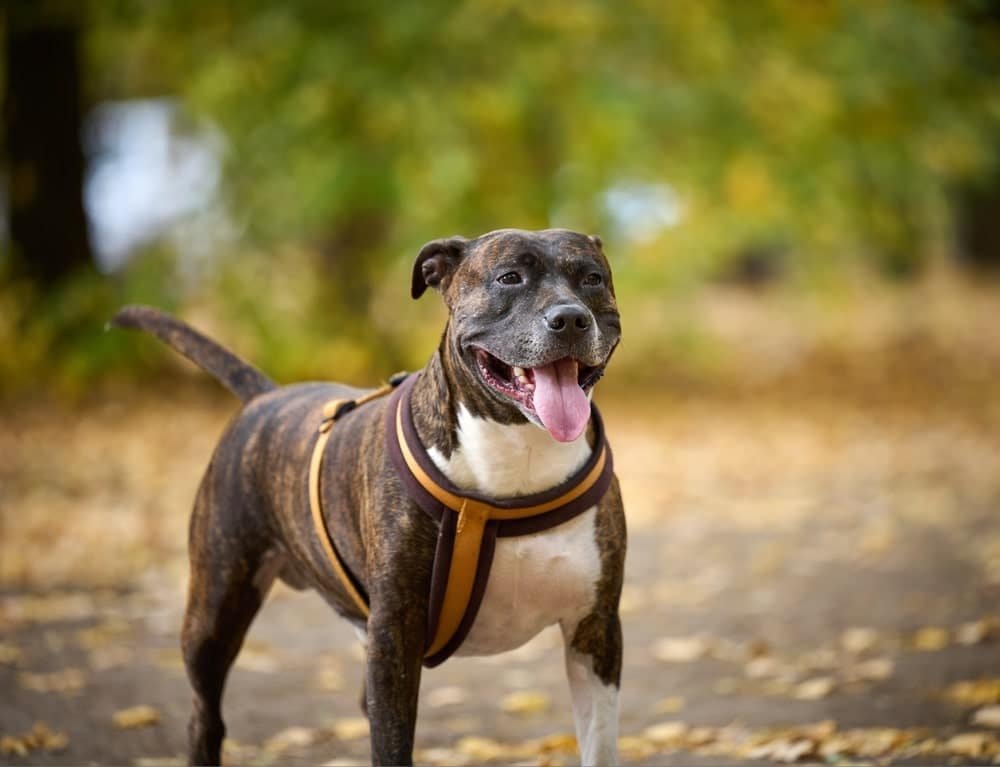
    • Pit Bull: Powerful and potentially dangerous if not properly trained and socialized.
    • Boxer: Can be dominant and aggressive towards other animals.
    • Dachshund: Surprisingly aggressive to strangers, with potential to bite.
    • Cane Corso: Bred for guarding, requires strong leadership.
    • Chow Chow: Can be irritable and distrustful, potentially food aggressive.
    • German Shepherd: Protective and powerful, needs confident owners.
    • Akita: May be standoffish and assertive, with high prey drive
    • Shar Pei: History as a fighting dog, can be stubborn and potentially aggressive.
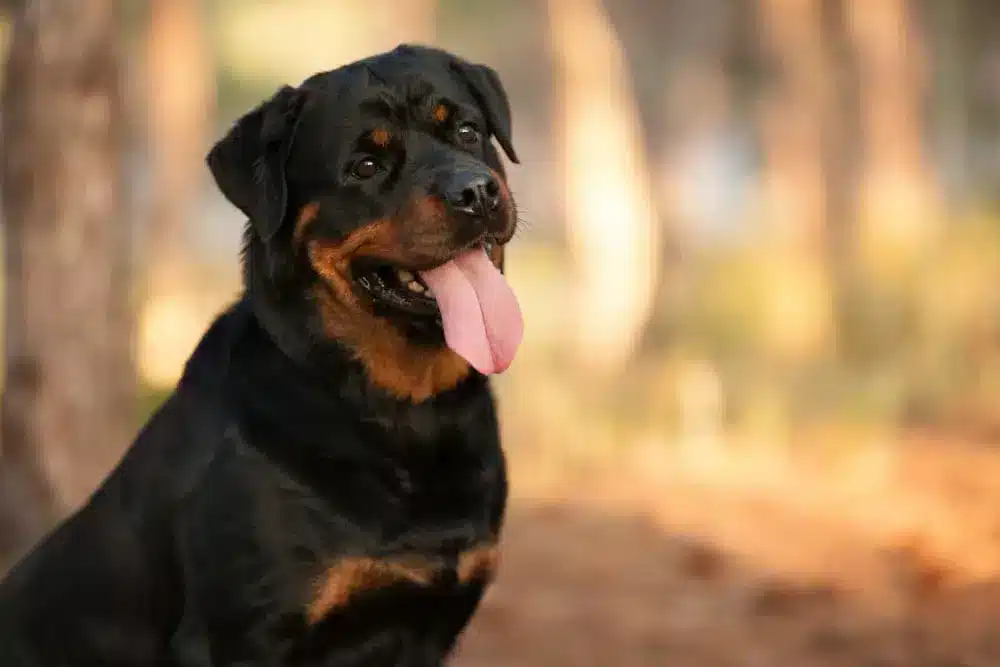
    • Rottweiler: Powerful and protective, requires experienced owners.
    • Rhodesian Ridgeback: Strong prey drive, needs early socialization.
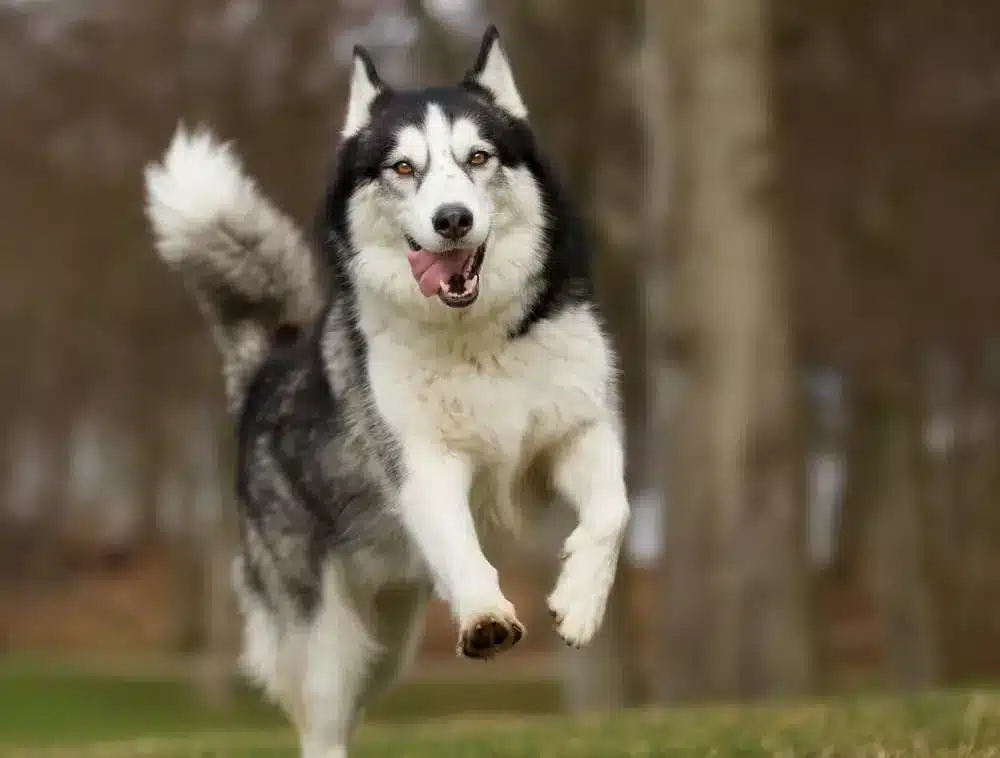
    • Siberian Husky: Stubborn, requires a lot of training and exercise.
    • Doberman Pinscher: Traditional guard dog, needs firm handling.
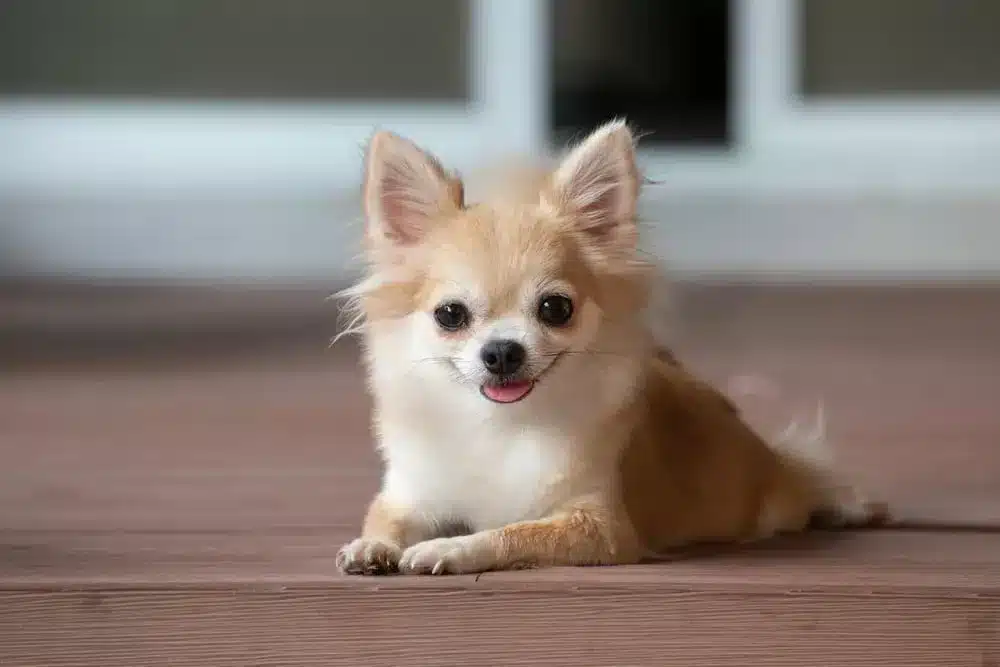
    • Chihuahua: Tiny but surprisingly feisty, prone to biting.
    • Jack Russell Terrier: Fearless and tenacious, needs outlet for energy.
    • Dalmatian: Historically guard dogs, can be wary of strangers.
    • Dogo Argentino: Bred for hunting large game, with dangerous potential.
    • Giant Schnauzer: Large, powerful, requires specialized training.

    Key Takeaways

    • All Dogs Can Be Aggressive: Even breeds not listed above can display aggression under certain circumstances. Proper training and care are essential for any dog.
    • Responsible Ownership Is Key: With appropriate training, socialization and a loving environment, even breeds with aggressive tendencies can make wonderful companions.
    • Do Your Research: Before getting a dog, learn about the breed’s history, temperament, needs, and potential challenges.
    • Don’t Underestimate Small Breeds: Aggression isn’t limited to large dogs.
    • Be a Responsible Pet Owner: If your dog shows signs of aggression, seek professional help from a qualified dog trainer or behaviorist.

    Remember: With the right care and attention, many dogs with a potential for aggression can be safe and loving family pets!

    What Is Aggression in Dogs?

    Aggression in a dog breed is a display of destructive behavior, typically toward a person or another dog. While many people correlate aggression with dog biting, it involves a full range of behaviors of the dog. Some examples of dog aggression can contain barking, lunging, and growling.

    There is a significant difference between the behavioral traits and the aggression of a dog. Don’t mistake the two. Mixed-breed dogs often grow aggressive. But behavioral traits devolve due to improper training or other matters in a dog.

    These dog breeds were produced to be hunters, baiters, and workers. Aggression was intentionally stimulated to get these dog breeds to do their specific job better. Centuries later, these traits got coded into these dogs’ DNA. However, there are some other reasons for their aggression as well.

    Let’s find out below that what makes dog breeds aggressive:

    What Makes Dog Breeds Aggressive?

    Any dog breed becomes aggressive. Mostly dog breeds that were produced for guarding or working purposes, seem to be very aggressive. Other than that, some other reasons affect a dog’s temperament and make the dog aggressive toward a person or another dog. Here are the reasons:

    • Neglect, abuse, and also poor training play a vital role in how a dog breed reacts to its surroundings. Any dog breed can be aggressive under a poor upbringing.
    • Without proper training, any dog breed can become aggressive and show dangerous behavioral traits
    • If you fail to guide your dog with proper socialization, then there is a high chance that the dog become aggressive
    • Dogs become food aggressive if they are often starved
    • When your dog gets hit by your kids or others, they tend to become aggressive when they grow up
    • Lastly, people sometimes push their dogs into aggressive behavior without even realizing it.

    17 Most Aggressive Dog Breeds

    Pet owners have the responsibility and the ability to teach their dogs proper behavior as well as response beginning in puppyhood. Otherwise, there is a high chance that your dog may become aggressive. This is because any dog breed can become aggressive without proper care and training.

    While any dog breed can become aggressive, here are the top 15+ dog breeds that consistently rank high among the most aggressive dog breeds out there. Let’s have a look at the most aggressive dog breeds listed in this article below.

    These aggressive dog breeds are hard to train. So, before you decide to buy one, make sure you are ready to handle the aggression. Or simply, avoid buying these particular dog breeds for your family.

    1. Pit Bull
    Pit Bull
    • Originated From: United States, British Isles, United Kingdom
    • Height: 17″-19″
    • Weight: 30-80 pounds
    • Life Expectancy: 12 to 14 years

    No one can dispute the fact that pit bulls have inclinations for aggression, even though admirers of the breed frequently praise the temperament, kindness, and friendliness breed.

    Additionally, even though Pit Bulls make good family pets, they can be extremely violent toward other people and dogs.

    Although experts claim that this canine can differentiate between friends and enemies, you should keep in mind that tiny animals like cats are prey for them. You will be pleasantly delighted if you’re an experienced dog breeder as well as are committed to getting this puppy.

    1. Boxer
    • Originated From: Germany
    • Height: 22″-25″
    • Weight: 50-80 pounds
    • Life Expectancy: 10 to 12 years

    Many Boxer dogs are aggressive or dominant toward others. Some have a strong instinct to chase as well as kill cats. In case anything seems to go wrong in their breeding, care, training or socializing, it may injure or kill other animals.

    Since Boxers are particularly high-energy dog breeds, they need a lot of exercise. In case you fail to offer enough exercise, you can become frustrated or bored, which often leads to aggression. This is mainly dangerous because Boxer dogs have a strong bite that may cause serious injury.

    1. Dachshunds
    • Originated From: Germany
    • Height: 8″-9″
    • Weight: 16-32 pounds
    • Life Expectancy: 12 to 16 years

    Surprise! According to a recent study, this small burrowing dog has been ranked as one of the most aggressive breeds in the world. And although the dachshund can’t harm a person seriously, no matter how badly it bites, this tiny monster is famous for its disgust with strangers.

    It turned out, one out of 5 dachshunds bit a stranger at least once in their life, and one out of 12 attacked their owner. So, be careful around a dachshund!

    1. Cane Corso
    cane corso
    • Originated From: Italy
    • Height: 24″-28″
    • Weight: 90-120 pounds
    • Life Expectancy: 9 to 12 years

    The Cane Corso dogs were mainly bred to be powerful and brave as well as were used as war dogs initially.

    With a gene like that, it is no wonder that Cane Corso can show problems with aggression. Careless breeding often causes further dangerous temperaments in such dogs.

    On the other hand, if you train Cane Corsos well, they will learn to respond nicely. Thus, only if you are a confident and firm dog owner, go for a Cane Corso dog. Otherwise, maintain a distance from them.

    1. Chow Chows
    • Originated From: China
    • Height: 17″-20″
    • Weight: 45-70 pounds
    • Life Expectancy: 8 to 12 years

    Chow Chows look attractive and cute. But it is not what it looks like. An adult Chow Chow is not a dog that can be trusted, especially when it comes to children and strangers.

    They are very irritable and prove their right to food by aggressiveness. In addition, they’re naturally good protectors and won’t allow anyone to come near their owners or the territory.

    1. German Shepherd
    German Shepherd
    • Originated From: German
    • Height: 22″26″
    • Weight: 48-88 pounds
    • Life Expectancy: 12 to 14 years

    There is a reason why this breed is often seen in police and works as a police dog. They are highly trainable, athletic, and extremely intelligent dogs. They’re large to medium size and have more than average strength which makes German Shepherds formidable opponents to intruders.

    German Shepherds also have strong jaws; thus, their bite can break bones. So, be very careful around a German Shepherd.

    However, German Shepherds are even very famous family dogs, because, with the proper training, they make a great addition to their master’s home. For this, you need to properly socialize your dog from a young age.

    1. Akita
    • Originated From: Japan
    • Height: 70-130 pounds
    • Weight: 24″-28″
    • Life Expectancy: 10 to 13 years

    The Akita dog breed came from rural Japan. In Rural Japan, Akita was hunting dogs. This dog breed was bred for harsh circumstances and they have webbed toes to help them walk on snow and ice.

    These dogs generally form very assertive bonds with its owner, but they also may act standoffish with a stranger.

    This trait fused with a high prey drive may make them a challenging breed for novice dog owners. But you need to train them well.

    1. Shar Pei
    • Originated From: China
    • Height: 18″-20″
    • Weight: 45-60 pounds
    • Life Expectancy: 8 to 12 years

    The Shar Pei has a long record as a guard dog, hunter, and pit fighter. Despite their past, Shar Pei dogs are typically great companions.

    Nevertheless, they can be often stubborn, and also their record as fighter dogs can be aggressive toward humans and other dogs. Remember that these dog breeds aren’t generally a great fit for homes with young kids unless they’re raised with kids in the home.

    1. Rottweiler
    Rottweiler
    • Originated From: Germany
    • Height: 22″-27″
    • Weight: 80-135 pounds
    • Life Expectancy: 9 to 10 years

    The Rottweiler is one of the most popular breeds in the world. These quadrupeds are truly amazing dogs.

    However, it’s worth remembering that the Rottweiler dog can behave very aggressively towards other animals, and with its strength, often this can cause unpleasant consequences.

    What is more, a Rottweiler is protective of the owner, and it can display aggression toward outsiders in case the dog senses that the owner is in trouble. However, in case you train them properly, then they may not display aggression toward outsiders.

    1. Rhodesian Ridgeback
    • Originated From: Southern Africa region
    • Height: 24″-27″
    • Weight: 70-85 pounds
    • Life Expectancy: Nearly 10 years

    The Rhodesian Ridgeback dog breed originated in the Southern Africa region. These dog breeds have been utilized to protect livestock from lions, thus, it is no surprise that Rhodesian Ridgebacks are a strong breed.

    Moreover, Rhodesian Ridgebacks are somewhat reserved around outsiders but can be extremely affectionate toward the owner and their family as well as often get familiar with other family dogs.

    Nevertheless, these breeds have a firm prey drive as well as their hunting instincts can kick in as soon as they encounter unfamiliar dogs and small animals.

    1. Siberian Husky
    Siberian Husky
    • Originated From: Siberia
    • Height: 20″-23″
    • Weight: 35-60 pounds
    • Life Expectancy: 12 to 14 years

    Siberian Huskies display aggression because of poor training. The Siberian Huskies dogs are generally stubborn and often pose challenges also for professional dog owners.

    These dogs need persistent training, plenty of exercise, as well as a lot of social time with other dogs and humans.

    In case you’re a novice dog owner or an experienced who doesn’t have the time and energy to dedicate to the training and care of a Siberian Husky, you should avoid adopting this breed.

    1. Doberman Pinscher
    • Originated From: Apolda, Germany
    • Height: 24″-28″
    • Weight: 60-100 pounds
    • Life Expectancy: 10 to 13 years

    Due to the Doberman’s widespread adoption as a pet, his unjustly poor reputation is slowly fading. As a result, his traditional function as a guard dog is being replaced by other roles.

    However, it was no coincidence that Dobermans were used as guard dogs. Dobermans are good protectors of their owners and instinctively understand when the owner is really in danger. But Dobermans can be aggressive towards other dogs or strangers, so keep a close eye on them.

    1. Chihuahua
    Chihuahua
    • Originated From: Mexico
    • Height: 5″-8″
    • Weight: Around 6 pounds
    • Life Expectancy: 14 to 16 years

    Chihuahuas are yet another breed that barely anyone can take seriously. Few dogs can match the Chihuahua in terms of aggression. A Chihuahua is more likely to bite you than a Doberman!

    on this list of dog breeds, one of the smallest dogs is Chihuahua. In the end, they are smaller than most cats and have little destructive power. So, be careful and think twice before adopting one.

    • Originated From: England
    • Height: 12″-15″
    • Weight: 13-17 pounds
    • Life Expectancy: 13 to 15 years

    Small breeds compensate for their small size with aggressiveness. The Jack Russell Terrier is typically a terrier. Terriers do not accept rough behavior towards them at all and they will fiercely fight back. Thus, watch out for kids who may play quite brutally with your dog.

    Jack Russell Terrier dogs are fearless, working terriers, tenacious, born to go to work as well as love to dig. These dogs are alert, confident, and ready for work at all times.

    The Jack Russell Terrier dogs are also well-balanced with notable boning, indicating the endurance as well as the strength required as a hunting dog.

    1. Dalmatian
    • Originated From: Dalmatia, Croatia
    • Height: 19″-24″
    • Weight: 45-70 pounds
    • Life Expectancy: 11 to 13 years

    Popular for their Disney film 101 Dalmatians role, the Dalmatian dogs have a good reputation for being good family dogs. Nevertheless, like other canines we have discussed above, Dalmatian dogs have a record as guard dogs, which makes these dogs mainly aggressive toward outsiders.

    1. Dogo Argentino
    • Originated From: Argentina
    • Height: 24″-27″
    • Weight: 88-100 pounds
    • Life Expectancy: 9 to 15 years

    Dogo Argentino dogs were originally born in Argentina. They used to hunt large animals like boar and puma. These dogs are well-known for their extremely aggressive tendencies and, are, banned in the United Kingdom for this reason.

    Dogo Argentinos can be friendly and loyal, but you have to take the time to socialize these dogs to avoid their aggressive behavior. In case you have kids or other pets, or if you live in an urban area, these dogs may not be the most suitable dogs for you.

    1. Giant Schnauzer
    • Originated From: Bavarian Alps
    • Height: up to 27.5″
    • Weight: up to 95 pounds
    • Life Expectancy: 10 to 12 years

    Giant Schnauzers are twice as harmful as any of the other breeds mentioned above since they are not just aggressive (particularly towards other animals, but also against strangers), but they’re also quite huge dogs.

    Additionally, because this service breed needs specialized training, it also requires specialized management. Giant Schnauzers are regarded as effective security dogs due to their enormous size and scary bark.

    FINAL WORDS

    Aggression in dogs is a serious and unwanted issue, negatively affecting dog welfare, public, and management acceptance.

    Dogs behaving aggressively can lead to public problems by biting other pets and people. For this reason, in some countries, a few particular dogs are banned to minimize the possible risk of dogs. So, before you adopt a dog, make sure your country allows that breed and you can handle the particular breed.

  • Alapaha Blue Blood Bulldog Dog Breed Information

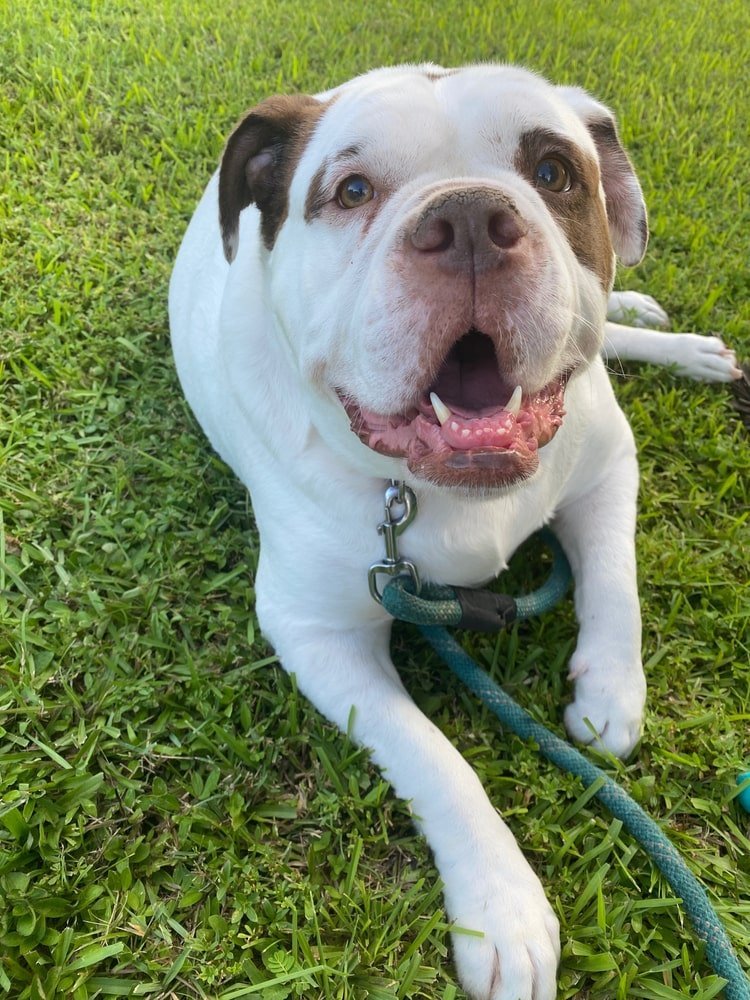
    The Alapaha Blue Blood Bulldog originated in the United States’ Southern Georgia and is mainly used as a guard dog.

    The dog has a very muscular nature and a bossy appearance, making it look very different from other canines.

    Many Alapaha Blue Blood Bulldogs are available. These dog breeds are now available at a significantly cheaper rate.

    Here’s a detailed description of the Alapaha Blue Blood Bulldog, focusing on key takeaways and streamlining the information:

    The Alapaha Blue Blood Bulldog: A Loyal and Protective Companion

    Origins: This breed hails from Southern Georgia, USA, and was originally used for guarding livestock. They are descended from Old English Bulldogs.

    Appearance: Alapahas are muscular dogs with a powerful build. They have a short, smooth coat that can be various colors, sometimes with the distinctive “blue merle” pattern.

    Temperament:

    • Protective: Highly devoted to their family and naturally wary of strangers, making them excellent guard dogs.
    • Affectionate: They are loving towards their owners and generally good with children if supervised.
    • Intelligent: Their intelligence makes them trainable, but they can also have an independent streak.
    • Energetic: Alapahas have a moderate energy level and need regular activity.

    Key Considerations for Potential Owners

    • Adaptability: Not ideal for apartment living, they need space to roam.
    • Training: Early socialization and consistent training are crucial to curb potential aggression and keep them mentally stimulated.
    • Experienced Owners: This breed is generally better suited to those with dog ownership experience due to their size and occasional stubbornness.
    • Grooming: Their short coat makes grooming relatively easy.
    • Health: While generally healthy, potential health problems include hip dysplasia and eye issues.

    FAQs

    • Cost: Alapaha puppies typically cost $1,300 or more.
    • Rarity: This is a rare breed.
    • Lifespan: 11-13 years average.
    • Difference from American Bulldog? Alapahas tend to be smaller in size.
    • Good Family Dog? Yes, but supervision with children is recommended due to their size and protective instincts.

    Key Takeaway:

    The Alapaha Blue Blood Bulldog is a striking and loyal breed, but requires dedicated owners who understand their needs. With proper training, socialization, and exercise, they make wonderful companions.

    Additional Notes:

    • Emphasize the importance of early socialization as it significantly impacts this breed’s behavior towards strangers and other animals.
    • Mention potential destructiveness due to separation anxiety. This can be mitigated with training, exercise and mental stimulation.

    Adaptability

    Below are some points given by the OFA or Pennhip Clearances and Papa Buck Lane began giving family companion advice for your pup friend.

    Finds a Bit of Difficulty in Adapting to the Apartment Lifestyle (Rate: 3 out of 5)

    As mentioned above, the Alapaha Blue Blood Bulldog is a large-sized muscular dog, so it will need ample space to handle its anxiety and be stress-free. Most importantly, large-sized dogs always need help living in a small apartment-type place.

    Not a Good Choice for Novice Owners (Rate: 3 out of 5)

    The Alapaha Blue Blood Bulldog is, on rare occasions, unsuitable for an inexperienced dog owner. This is mainly because dogs with muscular appearances always vastly differ in their temperament from the other dog breeds.

    The dog remains over-excited throughout the day, is energetic, and may even turn aggressive over certain attractions, requiring puppies strict training. Make sure to keep the Alapaha puppy busy.

    The central fact to notice here is that the catch dog focuses more on the owner’s attention, which novice owners might not be able to give to their dog.

    Highly Sensitive (Rate: 3.5 out of 5)

    The Alapaha Blue Blood Bulldog is highly sensitive. The characteristics of the canine are inversely proportional to its appearance as per all the health certifications.

    Most of the time, dogs that are muscular in appearance possess a very high level of tolerance and can also maintain some strict behavior of the owner.

    Still, this dog breed is so susceptible that even a bit of strictness can affect the bond between its owner and himself.

    Being aggressive, he still possesses a very loving kind of nature towards its nature.

    Also, he tries to build up the bond with his owner by adequately following the commands, which is the most significant reason the canine gets even more stressed when the owner uses strict punishments.

    The dog is powerful, active, and muscular in appearance, but still, the canine cannot handle its anxiety on its own and always requires the presence of someone near them, as said by the Puppy Lemon Laws.

    If the canine is left alone for a couple of minutes, the dog starts to get anxious, slowly turns destructive, and begins to chew and destroy the things near him, even in their puppy kindergarten class.

    Adaptation to Different Weather (Rate: 4 out of 5)

    The Alapaha Blue Bulldogs, just like most dog breeds, can’t tolerate the cold weather as per their genetic health testing.

    This can be mainly because of the type of smooth coat they possess because when the fur of the canine is too thin or has less hair at that time, the cold outside generally gets trapped in the pores of the skin.

    In such a situation, the owner is highly suggested to keep the canine warm by putting some woolen coats over his muscular body or saving the pet in a warm area.

    The Alapaha Blue Blood Bulldog does well in hot weather. The adult dog enjoys being in sunny places and does their work with utmost concentration when training sessions in bright areas, being your on leash jogging companion.

    Alapaha Blue Blood Bulldog

    Friendliness

    Let’s check out the pointers suggested by Papa Buck Lane about our dogs.

    Affectionate with the Family Members and Kids (Rate: 3.5 out of 5)

    The Alapaha Blue Blood Bulldog is not easy to handle for first-time dog owners. Still, when the becomes a trained Alapaha and begin understanding the facts of a daily lifestyle, he becomes affectionate towards the owner’s family.

    It might be difficult for novice owners to handle an Alapaha Blue Blood Bulldog, but if the owner goes for a trained one, it could be the best choice for the owner as they will get an experienced guard dog, intelligent and active canine.

    The early Bulldogs are very attracted to the children. Due to their aggressive nature, they might sometimes get anxious while being with the children, but they usually try their best to play with them and keep them engaged and protected.

    The large dog can be trusted in times of need but not always because sometimes the canine may get anxious, which can be harmful.

    Thus it is preferred not to keep the child alone with the dog for a longer time, even with positive reinforcement training.

    Not So Friendly with the Other Dogs and Strangers (Rate: 3.5 out of 5)

    The Alapaha puppy doesn’t possess a friendly nature towards other dogs and animals, even in their rescue group.

    This might be mainly because of their aggressive nature and feeling threatened. The dog should be friendly with other canines as it might hurt others.

    For this, the owner has to make the dog more socialized, which can be done by taking the dog for long walks and playing sessions with other puppies in the pet store.

    The dog has a bossy nature that doesn’t let the canine be friendly with other pets in the puppy kindergarten.

    The Alapaha Blue Blood Bulldogs always used to keep a distance from strangers and unknown visitors to their homes.

    Most dog owners who have been the owner of this dog breed might have acknowledged that this dog breed gets only familiar with the visitors of their home when they get a bit of training regarding this fact.

    Alapaha Blue Blood Bulldog

    Health and Grooming Requirements of the Alapaha Blue Blood Bulldog

    Keep the following things in mind to avoid develop genetic health problems in them.

    Amount of Shedding (Rate: 4 out of 5)

    The dogs from the breed Alapaha Blue Blood Bulldog sheds at an average range. They possess a short and closed coat, but they still suffer from minimum hair shedding, making the owner suffer from infections like nausea and others.

    It has always been a big issue for dog owners to keep control over the shedding of hair the canine, and they have to go through frequent grooming procedures in the breeding program and cosmetic products.

    But in the case of the Alapaha Blue catch dog, the owner can go for brushing the coat healthy with a simple natural bristle to remove dead hair and dead cells from the smooth coat of the canine, which prevents the hair from shedding with a health guarantee.

    Drooling Potential (Rate: 5 out of 5)

    The unique factor regarding this dog breed Alapaha Blue Blood Bulldog is that it doesn’t drool much like the other large dog breeds.

    The dog is a muscular and bossy one with a very dynamic territorial nature, but like other dog breeds, it doesn’t use to drool when it gets bursts out of emotions, as seen in a breeding program and rescue group.

    At that time, only the salivary glands of the canine get stimulated. In the Alapaha Blue Blood Bulldog case, the dog owner or any reputable breeder will not have to deal with the problems related to the drooling spots.

    Easy to Groom (Rate: 5 out of 5)

    The grooming requirements of the Alapaha Blue Blood Bulldogs are simple and more straightforward than the other dog breeds. The dog is very easy to groom and doesn’t need much equipment and products to give a clean look.

    Although the adult dog doesn’t need frequent grooming sessions and lots of cosmetic products, the dog owner should take care of the fact of choosing shampoos and other necessary equipment as per the skin type of the breed standard to avoid infections.

    Alapaha Blue Blood Bulldog health

    General Health Conditions and Weight Gain (Rate: 3.5 out of 5)

    The dog from early Bulldogs used to suffer from some deadly and life-threatening conditions during their lifetime, which might even be disastrous for the health reasons.

    The fatal diseases from which the Alapaha Blue Blood Bulldog suffers includes hip dysplasia, deafness, eye problems, and even different type of infections related to the skin. There’s a chance of the dog carrying particular disease from their parental traits.

    The Alapaha Blue Blood Bulldogs cannot be considered one of the dog breeds that are very effective in weight gain. Their size and weight may keep interchanging with the food they consume.

    So it becomes the responsibility of the owner to feed the canine according to its muscular body requirements to avoid issues related to weight gain.

    The canine will rapidly gain weight when he starts eating more than its requirements, leading to obesity. After remaining untreated for a long time, it may also cause loss of appetite and many other problems.

    Size of the Breed (4 out of 5)

    The Alapaha Blue Blood Bulldog is one of the large-sized dog breeds available. The dog weighs around sixty to ninety-five pounds and even gets more significant depending on the amount of food consumed and attains a height of about eighteen to twenty-four inches during the whole dog’s life.

    The size of the Alapaha Blue Blood Bulldog plays the most crucial role in giving the canine a unique and bossy, and threatening appearance.

    Now the fact to notice here is that the dog owner can control the canine’s diet by noticing the pup’s size.

    training Alapaha Blue Blood Bulldog

    The Trainability of the Alapaha Blue Blood Bulldog

    Ease of Training and High Intelligence (Rate: 4 out of 5)

    As per the research, the dog from the Alapaha Blue Blood Bulldogs are generally easy to train but are in their Alapaha puppy stage.

    An adult Alapaha Blue Blood Bulldog is generally significantly more challenging to train with time. When they grow up, their temperament gets completely changed, and they become aggressive.

    During their right puppy stage, they remain more affectionate and attracted to their owners, so they keep performing the tasks without getting aggressive. Thus, this dog breed is considered best to adopt during the puppy stage, mostly for novice dog owners.

    The Alapaha Blue Blood Bulldogs are one of those highly intelligent dog breeds. These dogs are considered one of the best guard dogs because of their high intelligence level.

    They can tackle any kind of threatening situation and are also effective in saving themselves on their own from predators.

    These dogs are easy to train because their high intelligence helps them grab the tasks or new things their owner wants them to do, eventually leading to a very smooth and easy training procedure.

    Now the fact to notice here is that the high level of intelligence of the canine will only work when the pet stays mentally healthy. For this, the dog owner must spend quality time with the pup as the canine is most affectionate to its owner.

    Destructive Chewers and Barking (Rate: 4 out of 5)

    Like most other dog breeds, the Alapaha Blue Blood Bulldogs are also considered destructive chewers. The dog even gets anxious when kept alone for a longer time at home, chewing the furniture cones and biting the cover of the cushions out of anxiousness, even a solid fence.

    This destructive Alapaha can be alarming for dog owners and lead to considerable loss. Still, it can be corrected by keeping the dog along with them while traveling or by giving the canine toys to play with when they are alone at home.

    These bulldogs tends to bark or howl less than most other dog breeds. They have a very gentle territorial nature and are very passionate and loving toward their owners.

    Their high level of intelligence always stops them from barking at other people, especially when they begin training. The dog stays calm and composed all the time as per many reputable breeder or any breeding program.

    physical Alapaha Blue Blood Bulldog

    Physical Requirements of the Alapaha Blue Blood Bulldogs

    Energy Level (Rate: 4 out of 5)

    The energy level of the Alapaha Blue Blood Bulldog falls within the moderate level. They stay active and energetic throughout the whole day in their own property. Still, more extended training or workout sessions might make them tired and not partake frequent socialization.

    The dog needs a lot of pampering and encouragement during the training sessions to keep his focus on the tasks and accurately perform the commands to not encourage their destructive behavior.

    The owner is suggested to keep rewarding the canine with some treats during the sessions to prevent the dog from getting distracted from the training practice.

    Exercise Requirements of the Breed (Rate: 4 out of 5)

    The dog from the breed Alapaha Blue Blood Bulldog requires almost forty to forty-five minutes of exercise per day to as a preventive regimen of health issues in their solid and muscular body in control.

    This forty-five minutes of exercise plays a vital role in the life of the canine as it controls the bowel movement of the canine and also stimulates the functioning of the critical systems like its digestive system and the metabolic regulations whose proper functioning is essential for keeping the guard dog healthy and active.

    The exercise sessions of the bored Alapaha can be increased depending on the canine’s weight. When the canine gains excessive weight, it needs more exercise to retain its original size and become free from the health issues related to being overweight.

    As per the research, a play session with the owner is very important for the big square head to stay active, happy, and avoid undesirable behaviors. The play sessions of the canine should also include rewards, toys, cuddles, and many different household sights for a better bond.

    Breed History of the Alapaha Blue Blood Bulldog

    The Alapaha Blue Blood Bulldogs have a unique breed history that attracts most dog owners towards this breed. These Alapaha Bulldogs were descended from the Old English Bulldogs, which were brought to the United States in the eighteenth century.

    This dog was mainly bred at that time to drive unruly cattle and pigs. The dog was most popular as Otto, Cowdog, Silver dollar, and Catahoula Bulldog during the earlier times. This Alapaha Bulldog of the earlier time is still now one of the bossiest and most aggressive dogs having a muscular appearance.

    As per the research, there is no such extraordinary evidence present in the history of this dog breed regarding its general health conditions, so the owner will not be able to gain any information regarding the dog breed from its history.

    They can go for a detailed medical checkup of the owner to know the information regarding their health reasons.

    Alapaha Blue Blood Bulldog

    The Temperament of the Bulldog

    The Alapaha Blue Blood Bulldog is one of those dog breeds that mostly remain very protective, affectionate, and attracted to their owners. The dog stays active and interested during their playing sessions, follows every command of the owner, and performs it with utmost accuracy.

    The dog is usually attracted to the owners but doesn’t possess a friendly nature towards other animals and strangers and always stays aloof from them. The dog might even bark or howl at unknown visitors whenever they get signs of threats from unknown persons.

    FAQ

    1. What is the price of the Alapaha Blue Bulldogs for sale?

    If you plan to adopt an Alapaha Blue Blood Bulldog, it will cost you around $1,300.

    2. Are the Alapaha Blue Bulldogs rare?

    The Alapaha Blue Bulldogs are believed to be one of the rarest species of the Bulldog breed, descended from the Old English Bulldogs that shifted in America in the 18th century.

    3. What is the average lifespan of an Alapaha Blue Blood Bulldog?

    The average lifespan of an Alapaha Blue Blood Bulldog is around 11 to 13 years.

    4. What is the name of the puppy’s parents of the Alapaha Blue Blood Bulldog?

    The Alapaha Blue Blood Bulldog was created by mating the old southern white and the old country Bulldog.

    5. What is the unique difference between an American Bulldog and an Alapaha Blue Blood Bulldog?

    The only difference between the Alapaha Blue Blood Bulldog and the American Bulldog is that the Alapaha was smaller than the American one.

    6. Are the Alapaha Blood Bulldogs good family dogs?

    The affectionate nature of the canine towards its family members and its nature of being protective and loving towards the kids and the owner of the family make them the right puppy.

    7. From where did the Alapaha Blue Blood Bulldogs originate?

    The Alapaha Blue Blood Bulldog originated in the United States, Southern Georgia. The Alapaha river also inspires the name.

    8. At what age does the Alapaha Blue Blood Bulldog stop growing?

    The Alapaha Blue Blood Bulldog attains its full maturity at almost two to three years of age.

    9. Where do the glassy eyes and the Blue merle color come from in the Alapaha Blue Blood dog?

    The glassy eyes and the Blue merle color of the eyes of the Alapaha Blue Blood Bulldog have come from its ancestors Catahoula Leopard dog and the Beauceron.

  • American Alsatian Dog Breed Information

    The American alsatian dogs are one of the larger-sized dogs and the perfect companion for the owners.

    This dog breed exactly resembles the appearance of an extinct dire wolf, the American alsatian dog is commonly known as the German shepherd, and its name Alsatian has been derived from the border area of Alsace Lorraine.

    Absolutely! Here is your detailed description of the American Alsatian. I’ve focused on providing key takeaways and streamlining the language further:

    The American Alsatian: A Loyal and Gentle Giant

    Origins: The American Alsatian was deliberately bred in California during the 1980s to resemble the extinct Dire Wolf. While they might look intimidating, they’re known for their gentle, affectionate nature.

    Appearance: American Alsatians are large dogs with a muscular build and wolfish features. Their thick double coats come in various colors, often sable and silver.

    Temperament: This breed stands out due to its:

    • Calm and composed nature
    • Intelligence and trainability
    • Affection and loyalty towards their family
    • Protective instincts, making them good guard dogs

    Important Considerations for Potential Owners

    • Size and Exercise: American Alsatians need space to roam and ample daily exercise (1-1.5 hours) for physical and mental well-being. Not ideal for small apartments.
    • Grooming: Their thick coats require regular brushing to manage shedding, especially during shedding season.
    • Health: They are generally healthy but prone to joint problems like elbow/hip dysplasia. Regular vet checkups are crucial.
    • Socialization: Early exposure to people, dogs, and different environments will curb potential shyness or wariness towards strangers.
    • Separation Anxiety: This breed loves companionship. Providing toys, mental stimulation, and perhaps crate training will help if they must be left alone for short periods.

    Key Takeaways

    • Wonderful Family Companions: American Alsatians are gentle and protective, making them excellent for families with children.
    • Not for First-Time Owners: Their size, exercise needs, and potential health concerns require experienced dog ownership.
    • Grooming is a Must: Be prepared for their significant shedding and regular brushing requirements.
    • Training and Socialization are Key: Their intelligence allows for easy training while proper socialization helps build confidence.

    FAQs

    • Price: American Alsatian puppies range from $1,300 to $3,000.
    • Barking: They are relatively quiet dogs and don’t bark excessively.
    • Lifespan: 9-13 years on average.
    • Same as German Shepherd? Yes, but the name “American Alsatian” was specifically chosen to highlight their gentler temperament.
    • Purebred? Yes, despite being a newer breed.

    The American Alsatian is a magnificent breed. With proper care, training, and understanding of their needs, they make devoted and loving family dogs.

    Adaptability

    Moderately adaptable to apartment lifestyle (Rate: 3.5 out of 5)

    This dire wolf dogs suffer from several difficulties when kept in an apartment. These large dogs with wolf-like appearances are generally very active.

    They need to do different kinds of activities all the time to maintain their energy regulation in the body. This is the main reason why this extinct dire wolf requires a large area to live in to keep themselves mentally stimulated.

    Now, the fact to notice here is this large dog breeds can be made to stay in an apartment by putting some more effort by giving the canine all the needy resources like the food at the time, playing sessions, and toys to play can help them release their stress and keep them healthy.

    American Alsatian

    Good for novice owners (Rate: 4 out of 5)

    The german shepherd, also popular as the American alsatian dog, is popular as one of the best companions for novice dog owners.

    This American alsatian dog has a very great level of intelligence and is very active, due to which they can listen to the commands of the owners attentively; this companion dog is proven to be best because they put all their efforts into performing the tasks to satisfy the owner in all aspects.

    This companion dog can be a great performer, but this domesticated dog needs to be treated lovingly and carefully during the training sessions to maintain its interest in the process.

    Tolerates when kept alone (Rate: 3.5 out of 5)

    This wolf-like dog can keep himself calm and stable for a longer time when the owner keeps him alone at home.

    As we all know, canines are very affectionate towards their parents, due to which these wild wolf-like dogs always urge to stay by the side of their owner and even turn destructive when their level of tolerance for being alone at home exceeds.

    These domesticated dogs have the highest level of tolerance among all other animals but can be very difficult to handle when gets anxious.

    Thus it is suggested to the owner to keep all the necessary things like some food items and things to eat by the side of the canine by using which the dog can keep his anxiety in control.

    American Alsatian

    Can tolerate cold weather moderately (Rate: 3 out of 5)

    These larger dogs are not a good tolerant of cold weather. If this dire wolf remains out in cold weather without any type of protection, like a sweater and winter coat, then this gentle giant will suffer from several health problems.

    The health issues that this big dog can suffer include frostbite and hyperthermia, which can be disastrous for the health of the canine; thus, it is suggested that the dog owners keep the canine protected during the winter season by adopting different methods like coats and heaters over his body.

    Tolerate hot weather (Rate: 5 out of 5)

    This American Alsatian dire wolf is one of those large dog breeds which perform well in hot weather. This large dog is seen to be very active and energetic in such temperatures and remains mostly healthy, which means disease resistant during those seasons.

    Now sometimes, if german shepherds will face energy loss, then it can cause heat attacks in the canine which can be life-threatening for the canine. Thus, the owner should always go for limiting the training sessions of the dire wolf in hot weather by adopting a proper schedule.

    American Alsatian

    All around friendliness

    Affectionate with the family (Rate: 4 out of 5)

    This American alsatian’s has brought some personality traits from its parents, which includes the affectionate and loving nature towards their owners.

    This dire wolf can be a great choice for family members because they have a kind of loving and calm nature which makes them stay with their owners and listen to them all the time to satisfy the owner in all aspects.

    As the dire wolf has a relatively high level of intelligence than the other dogs, they can also grab new skills rapidly as compared to other dogs, which makes them a good-to-go choice for novice owners. As they will not find any kind of difficulties in training such canines.

    Great companions for the kids (Rate: 3 out of 5)

    The American alsatian dire wolf possesses a very kind and affectionate nature toward its owner’s families and kids. Researchers have also proven this as one of the best companions for kids at home as they try their level best to keep the kid engaged all the time to save him from any kind of danger.

    The dog owner can also go for keeping their kid with some time with the canine, as the canine has a kind of protective nature that doesn’t let him harm the kid. This English mastiff can be a great choice for family owners

    But the owner should maintain all the necessary precautions for keeping the canine healthy and stress-free to prevent him from getting aggressive.

    American Alsatian

    Friendly with other dogs (Rate: 2.5 out of 5)

    This dog has some breed standards which don’t let him be aggressive with other pets. If the owner of such a dire wolf is planning to go for two dogs, then they can keep both of them at a place as this American alsatian is also very friendly towards other animals.

    The dog is extremely calm and behaves very sweetly with the other dogs until they get symptoms of threats from the canine.

    Thus it is suggested that the dog owners treat him with proper behaviors like leash behaviors and self-control to control themselves when getting anxious.

    Friendly with strangers (Rate: 3 out of 5)

    These large breeds of canines have a very affectionate kind of nature, even for strangers, due to which they behave sweetly with unknown visitors to their home.

    This American Alsatian, which looks like a dire wolf, is naturally friendly with strangers as they have a habit of being friendly with humans from their very childhood.

    A dog has a habit of being close to humans, and they feel safe around every human being, even though they intend to hurt them.

    American Alsatian

    Health and grooming requirements of the American alsatian

    Amount of shedding (Rate: 2.5 out of 5)

    The American alsatian dogs are one of that relatively new breed that shed a huge amount during the shedding season.

    The reason for the shedding of these working dogs might be the less amount of essential oils on the scalp of the canine or dry scalp, which can be simply treated by using shampoos and conditioners as per the skin texture of the canine.

    This working dog has thick double coats, due to which the requirements of its skin may also vary as compared to other dogs.

    Thus it is suggested that the dog owner goes for a detailed skin test of the canine first to determine which type of essential nutrients can maintain a good texture of its skin.

    Potential to drool (Rate: 3.5 out of 5)

    Just like most of the other breeds, these American alsatians also have an excessive drooling nature, which makes the canine leave spots here and there in the house, which also leads to an unhealthy environment.

    This mainly happens because the canine’s salivary glands get overstimulated when the dog gets bursts out of emotions; this large canine which looks like a dire wolf, may even be infectious; thus, the owner should adopt proper methods of cleanliness for making the home disease resistant.

    Easy to groom (Rate: 3 out of 5)

    The American alsatian is one of those dog breeds which are relatively easy to groom. The dog suffers from an excessive amount of shedding, due to which it needs regular grooming sessions, but as the texture of the canine’s hair is quite soft, the dog owner doesn’t have to put much effort into grooming the canine.

    Now the fact to notice here is this American Alsatian will require regular cleaning schedules, too, to maintain a healthy texture of the coat.

    This is not a low-maintenance dog. Thus, it will require some effort from both the owner and the groomer for a better appearance of the canine.

    American Alsatian

    The general health of the American alsatian (Rate: 4 out of 5)

    The American alsatians are one of those dog breeds which suffer from several health problems that most of the other dogs suffer through once in their life.

    These are not inherited from the parental traits, and the diseases which the canine suffers include elbow dysplasia, hip dysplasia bone-related issues like panosteitis.

    This kind of health issue, if it remains untreated in the canine then, can turn fatal and even get deadly for the health of the canine.

    Thus it is suggested that dog owners go for proper medications as per the diseases detected in the canines.

    This dog is created through the process of selective breeding, and the health issues it suffers might not spread to its progenies.

    Thus the risk of getting infected progenies, in this case, becomes very less in this condition.

    Size of the canine (Rate: 3 out of 5)

    The American alsatians are medium-sized canines that attain a height of around twenty-five to thirty inches during their entire life and weigh around 90 lbs.

    The size of this dog may also vary depending on the amount of food it eats per day and also vary on how much exercise it does per day to maintain proper body weight.

    This dog is unique among all the other breeds because its nutritional requirement is quite lower than other canines, but it still uses to maintain a very bossy and unique appearance like an Irish wolfhound, mainly because of the proper exercise sessions.

    American Alsatian

    Physical requirements of the American alsatian

    Exercise requirements (Rate: 3.5 out of 5)

    It has already been mentioned above that the American alsatian dog breed is one of those dogs which remains mostly energetic.

    This dog needs exercise sessions for almost one and a half hours per day to keep its bowel movements in control and to maintain the regulation of energy in its body.

    Proper exercise sessions, as per the requirement of the canine’s body, are necessary because it keeps the muscle contractions in regulation and also promote the level of energy in the body with which the organs can function smoothly.

    Potential to playfulness (Rate: 4 out of 5)

    The dog has a very high potential to play; the playing sessions play the most important role in keeping the canine eng the canine mentally stimulated.

    Playing sessions also require an amount of energy loss. Thus, it is suggested to dog owners to keep it quite short so that the dog remains with some energy for the exercise sessions.

    Playing sessions for the canine should include different kinds of gaming, like jumping, running, and throwing sticks, which keeps the canine interested in the sessions.

    The owner can also go for adding some treats and the favorite food of the canine during the sessions to reward the pet whenever he performs a task correctly.

    American Alsatian

    Breed history of the American alsatian

    The breed history of the American alsatian is unique and has a very different kind of story which attracts most dog owners to this breed.

    The dog was bred in the 1980s in California and is a result of the dire wolf project, which was started by a dog breeder named Lois Danny.

    This dire wolf project was the result of their fascination with Lois Danny for wolves and dogs.

    Later on, the breeder found out that it is quite difficult to create such good guard dogs with a wolve-like appearance.

    Thus Lois Danny continued to breed the American alsatians. For creating this dog breed, Lois Danny first mated the German Shepherd Alaskan malamute to get a dire wolf which was later named the alsatian shepalute.

    This alsatian shepalute was not according to his expectations, so, later on, she bred the English Mastiff with the Great Pyrenees, which was named the Anatolian shepherd, which is the last breed of this dire wolf project.

    Danny, the breed founder, then chose the most healthies American alsatian puppy to breed for the next generation, which was later on recognized as a dog breed by the major kennel club.

    American Alsatian

    The temperament of the American alsatian

    This American alsatian is going to be quite satisfying for almost all dog owners when it comes to its temperament. The temperament of the canine is going to be satisfying as it possesses a very calm kind of nature and is very active and energetic,

    This dog is one of those alert dog breeds who will stand by your side in every situation, even if you are in danger.

    The dog doesn’t have a nature of being affectionate towards his owner; he loves all the people with whom he has a habit of living and does his best to follow the commands they give them.

    The dog might be a bit weaker in handling the separation anxiety from his owner on his own. So we can say that, basically, it is not the right dog to keep alone at home, but giving the dog plenty of resources to keep himself engaged will help the canine in controlling his anxiety.

    FAQ’s

    What is the price of American alsatian puppies?

    If you are planning to go with American alsatian puppies, then it will cost you around $ 1300 to $ 3000, but it will also vary depending on the place you are buying the puppies. So based on the environment, the puppies have been raised from a young age.

    Do the American alsatians bark excessively?

    No, the American alsatians are one of those dogs which rarely bark. The dog is very calm and very affectionate to almost everyone, like strangers, his owner, and even another canine, So until it gets an effect by threats from others, it doesn’t bark.

    What is the average lifespan of an American alsatian?

    The average lifespan of the American alsatians is around 9 to 13 years, but it will also vary depending upon the guarding tendencies of the owner. Like if the owner will properly takes care of the diet of the canine and feeds him according to his requirements, then the average lifespan of the canine will vary.

    Are the American alsatian and german shepherds the same?

    Yes, the American alsatian and the german shepherd are the same dog breed. The confusion about this is only because of the names with which it was popular in different regions. This has confused this breed for decades.

     Is the American alsatian a purebred dog?

    This American alsatian canine, also popular as the north American shepalute, is a purebred dog.

    The North American shepalute, one of the large breeds first introduced in the year 1988, the dog is calm but needs at least an hour of quality time with the owner to stay mentally healthy.

    What are the parent breeds of the American alsatians?

    Lois Danny, the breeder of this popular American dog breed, has bred the purebred Alaskan Malamute and the German Shepherd together for making this breed.

  • American Hairless Terrier Dog Breed Information

    The American Hairless Terrier is a new breed created in the year 1970; this dog breed was a modified version of the well-known dog breed rat terriers.

    The name of the dog exactly depicts its appearance as the coat of the canine doesn’t have hair on it which needs more maintenance to stay disease free.

    The temperament of the canine and its unique hairless appearance make the dog breed one of the most demanding species of the present day.

    The breed is well known for being an active partner to their owners and being hypoallergenic, due to which the environment of the home remains disease free and clean.

    Here’s a detailed description of the American Hairless Terrier, breaking down the provided information and offering key takeaways for potential owners:

    The American Hairless Terrier: A Unique and Adaptable Companion

    • Origins: The American Hairless Terrier (AHT) is a relatively new breed, developed in the 1970s from a hairless Rat Terrier. Their unique appearance and playful nature have made them increasingly popular.
    • Appearance: The defining feature of the AHT is its hairlessness. They have smooth, warm skin that comes in a variety of colors and patterns. Some AHTs do have a short, fine coat.
    • Temperament: This breed is intelligent, affectionate, and playful. They are known for forming strong bonds with their families and being good with children. While they can be wary of strangers, early socialization is key.
    • Health: While generally healthy, AHTs are prone to certain skin issues due to lack of hair. Sun protection is crucial, and they are sensitive to both hot and cold temperatures. Keeping an eye out for hip dysplasia, heart conditions, and other common dog ailments is crucial.

    Adaptability and Lifestyle Considerations:

    • Apartment-Friendly: AHTs are highly adaptable to apartment living due to their small size and moderate energy levels.
    • Good for Novice Owners: Their intelligence and eagerness to please make AHTs suitable for first-time dog owners, provided the owner is dedicated to training and socialization.
    • Alone Time: AHTs can tolerate being alone for a few hours but may become destructive if left for too long. Crate training and providing mental stimulation can help.
    • Weather Sensitivity: Owners must protect their AHTs from both extreme heat and cold. Clothing and sunscreen are essential, as their hairless skin leaves them vulnerable.

    Key Takeaways for Potential AHT Owners

    • Hairless Care: The AHT’s skin requires special attention for protection from the elements and to prevent dryness or irritation.
    • Socialization is Key: Early socialization with other dogs, people, and environments is crucial to prevent shyness or wariness around strangers.
    • Playful and Loving: AHTs thrive on attention and playtime, making them great companions for active individuals or families.
    • Health Precautions: Proper skincare, regular vet checkups, and awareness of potential breed-related health issues are essential for responsible AHT ownership.

    FAQs

    • Price: AHTs can be expensive, ranging from around $2000-$4000.
    • Lifespan: AHTs typically live 14-16 years.
    • Skin Conditions: They may be prone to allergies and dryness, requiring consistent skincare.
    • Weight: AHTs weigh between 2.5 and 12 kg.
    • Swimming: They are not natural swimmers.
    • Group Classification: Terrier
    • Colors: AHTs come in various colors and patterns.
    • Coated Version: Exists, but referred to generally as a Rat Terrier.

    The American Hairless Terrier is a special breed requiring dedication but with the potential to be an amazing, affectionate, and adaptable member of your family!

    adaptability of American Hairless Terrier

    Adaptability

    Adapt well to apartment lifestyle (Rate: 4 out of 5)

    The American Hairless Terrier, just like most of the other small dog breeds, is easily adaptable to the apartment lifestyle.

    The dogs which are medium in size can easily adapt to small spaces and are also calm; mainly because of their small size, they can easily play and pass their time in a narrow space.

    Large dogs usually don’t get able to adjust in small places and turn aggressive because they can’t play or move freely in such small places.

    This eventually leads to anxiety attacks in the case of the canine; thus, going for a dog breed like the American Hairless Terrier is the best choice for owners who live in an apartment.

    Good for new dog owners (Rate: 3.5 out of 5)

    The American Hairless Terrier is the only hairless dog breed that falls under the category of dog breeds that are suitable for novice owners.

    Novice owners mostly require dog breeds that are careful listeners, calm and composed, and affectionate towards their owners.

    The American Hairless Terriers are not only good listeners but also effective learners, which makes them a good choice for novice owners.

    The dog might be a good listener, but the owner should also behave lovingly with the canine and should spend quality time with the canine to keep him interested in his daily routine.

    It is strictly suggested to the dog owner to spend some quality time with the owner so that the owner can stay stress-free.

    American Hairless Terrier

    Can stay alone at home (Rate: 4 out of 5)

    The American Hairless Terrier breed is good at controlling its anxiety and stress when kept alone at home for several hours.

    The dog remains in good condition for a limited period, but when the limit of the canines tolerance exceeds, he turns aggressive and also becomes destructive, which might lead to a huge loss for the dog owner.

    The dog usually starts to chew the cones of the furniture and bite the couches and pillow covers. To avoid this destructive behavior of the canine

    The dog owner has to simply go for taking the dog with them while traveling, or they can also go for a crate while keeping the dog alone at home during working hours with several treats and food items to keep the dog free from hunger attacks and to give him mental stimulation.

    Sensitivity (Rate: 3 out of 5)

    The American Hairless Terriers are also sensitive, which can also lead to a stubborn streak behavior; being sensitive is common for almost all canines.

    This is mainly because dogs are one of the most loyal animals on the earth, and instead of their loyalty, they only urge for the love and care of the owner.

    In case the canine doesn’t get the needed attention and care of the owner, he will start to get mentally weak because the canine also needs someone to pamper himself to release all his stress and to give him mental stimulation.

    This can be simply called the sensitivity of the canine, which is present in almost all canines.

    American Hairless Terrier weather condition

    Not a good tolerant of cold weather (Rate: 2.5 out of 5)

    The American Hairless Terrier is one of those dog breeds which not at all tolerate the cold weather outside.

    As we have mentioned above, the American Hairless Terrier doesn’t have hairs over his coat which lets the cold outside easily get trapped in the body as there is no protective layer over the coat of the canine.

    Thus to safeguard the canine from the cold weather and to keep the pet warm during the winter season, the dog owner can simply go for putting woolen pet coats over his body like protective clothing and can also keep the pet in a place with heaters all the time.

    A woolen coat will be a much better choice because this will work as a protective layer over the canine’s coat which does not let the cold outside be trapped in the canine’s body.

    Not a good tolerant of the hot weather. (Rate: 3 out of 5)

    Due to no hairs over its coat, the American Hairless Terrier is not able to tolerate hot weather too.

    The canine might suffer from various skin issues like sunburn, itchiness, and many others during the sunny seasons, which can be very discomforting for the canine. Thus sun protection is necessary.

    This can be simply prevented by not letting the canine walk outside when it’s too sunny or by keeping the pet at room temperature.

    The owner can also go for treating the issues caused by the sunny weather by discussing it with the vet, as if it remains untreated, then there’s a chance of the issues getting even more serious.

    friendliness of American Hairless Terrier

    All around friendliness

    Affectionate towards the family members (Rate: 3.5 out of 5)

    The American Hairless Terrier also falls under the category of dogs that are very affectionate and loving towards the members of their family.

    The affectionate and loving nature of the canine towards the family of the owner is because of the habit of being with them from the very childhood.

    Love and care are all that keep the canine friendly and protective towards the family. So it is strictly suggested to dog owners to always use positive reinforcement while training the canine to keep the canine friendly and stress-free.

    Friendly with the kids (Rate: 4 out of 5)

    The American Hairless Terriers are one of those dogs which get easily comfortable and friendly with the kids of the home.

    This dog remains playful most of the time, due to which they always search for a companion who can play with them, and as we all know, no one can be the best companion for a canine more than a kid.

    Not only is the canine friendly towards the kids, but they also possess a kind of protective nature for the kids, due to which it is quite safe to keep the canine with the kids for some time.

    The researchers have proved that this dog has the potential to do anything for the sake of the safety of the person he loves. Thus it is the best family pet.

    Not so friendly with strangers (Rate: 2.5 out of 5)

    The American Hairless Terriers stand in that category of dogs that can’t get too close or affectionate towards strangers and other animals.

    The most significant reason behind this is the habit of being used to one person from the very childhood; the canine does not feel safe with anyone other than the owner’s family and the owner himself.

    This can cause difficulties for both the owner and the canine while traveling outside; thus, it is very important to make the canine more socialized.

    To make the canine used to strangers and be friendly with them, the owner can simply go for taking the dog for walking sessions through which the canine can get used to the strangers.

    American Hairless Terrier health

    Health and grooming requirements of the American Hairless Terriers

    No shedding (Rate: 4 out of 5)

    The hairless version of the Terrier is one of the small dogs which suffers from almost no shedding, even the coated varieties, which leads to an infectious disease-free environment in the house.

    The main reason behind the no shedding of the American Hairless Terrier is the absence of fur over its dense coat.

    This makes the dog of this breed one of the best choices to go with for the owner, who is an allergy sufferer, as the dog’s shiny coat is hypoallergenic.

    Potential to drool (Rate: 3.5 out of 5)

    The American hairless terrier club dogs, just like most of the other dog breeds, used to drool whenever they burst out of a bundle of emotions.

    The dog also drools when they smell its favorite food or gets tired; this happens because due to the release of adrenaline, the dog gets energetic, which stimulates the salivary glands of the canine, which leads to drooling in dogs.

    So based on this, we can say that the dog owner might suffer through the consequences of drooling, like unnecessary spots on the pillow covers and couches, which needs regular cleaning for a clean environment of the house.

    This shows that American hairless terrier stands lower in the ranking of cleanliness.

    General health (Rate: 4 out of 5)

    The hairless dog breed native to the United States, just like other breeds, used to suffer from several health issues which might not spread to the offspring that will be produced.

    The diseases the dogs suffer from are not inherited from their genetic traits and are common diseases that almost all dog breeds suffer through.

    The health conditions this rare hairless terrier dog breed suffers includes hip dysplasia, cardigan conditions, patellar luxations, and Legg calve Perthes disease.

    All these health problems, if remaining untreated for a longer period, can get deadly for the hairless variety of canine and American hairless terrier puppies.

    Thus it is suggested to take the canine rapidly for a vet visit if it detects symptoms that depict the characteristics of such diseases.

    Potential to weight gain (Rate: 3 out of 5)

    The hairless dog breed indigenous with a short coat, just like the other dog breed, becomes an effective weight gainer when it gets an unfit diet.

    Foods containing more nutritious materials than the requirement of the canine lead to an increase in the fats of the canine, which causes many discomforts to the canine.

    To prevent the canine from getting fatty, the owner just has to go for feeding the canine high-quality dog food as per the nutritional requirements of the canine and some moderate exercise.

    American Hairless Terrier history

    History of the breed American Hairless Terrier

    The American Hairless Terrier was originally bred in 1983; the story behind the breeding of this dog breed is quite interesting, which attracts most people towards it.

    The breeders of the dog breed, Edwin and Willie Scott got the idea of breeding this dog from Josephine, which was one of the first hairless breeds and a hairless rat terrier born unexpectedly without the birth coat.

    The breeders, after getting Josephine the first hairless variety litter, started with the hairless gene to breed it continuously, as this unique species has become popular due to its unique appearance.

    Hairless pups are on high trend those days. Further, the Kennel Club has established the Rat terrier as the parent breed of this American Hairless Terrier.

    The American Hairless Terriers and the hairless puppies are then further officially recognized as a dog breed by the United Kennel Club in the year 2004 along with the American kennel club.

    As it is of a new species and rare breed, there is no such great information available regarding its genetic traits and general health.

    American Hairless Terrier temperament

    The temperament of the American Hairless Terrier (Rate: 4.5 out of 5)

    This hairless version of the terrier possesses a very calm nature, they are very good listeners and have a high intelligence level which helps them to grab things rapidly, and their owners want to make them learn to make them well disciplined.

    The dog is easy to please and can be easily satisfied with some love and care and chasing the small game, as all the canine wants from the owner is love and care and some encouragement while performing the tasks.

    The dog and even the coated American hairless terriers are affectionate towards the family members and are playful and very protective towards the kids; these features make the canine a good choice for home dogs.

    American Hairless Terrier price

    FAQ’s

    What is the price of American Hairless Terriers?

    The average range of the dog breed American Hairless Terriers starts from $2000 and can exceed up to $ 4000 depending on the foundation stock service.

    What is the average lifespan of an American Hairless Terrier?

    The average lifespan of an American Hairless Terrier is around 14 to 16 years; this can also differ in some cases, depending on the immune system of the canine and its health.

    Do American Hairless Terriers suffer from skin conditions?

    Sometimes American Hairless Terriers can suffer from several skin conditions, which include allergies and itchy skin.

    American Hairless Terrier weight

    What is the average weight of the American Hairless Terrier?

    The American Hairless Terrier dogs will simply weigh within the range of 2.5 to 12 kg and can vary greatly depending on the diet it follows.

    Can the American Hairless Terriers swim?

    The hairless breed indigenous cannot swim; they fall under the category of canines that don’t get comfortable in the water.

    What is the group of American Hairless Terriers?

    The American Hairless Terriers fall under the terrier group. What are the colors available in American Hairless Terriers?

    The American Hairless Terriers are available in a few colors, which include black, white, grey, blue, red, and dark brown.

    What is the name of the coated version of the American Hairless Terrier?

    The American Hairless Terrier’s coated version was popular as the Coated Carrier, which is the coated variety of hairless dogs.

    What is the name of the parent of the dog breed American Hairless Terriers?

    The parent of this breed was popular as the Rat Terriers

    In which year the American Hairless Terrier was bred first?

    The American Hairless Terrier was bred first in the year 1970 by Edwin Scott in Louisiana.

  • American Spending On Pets: Pet Spending Statistics in 2023

    The 2022 survey observes for the first time that the results of the APPA survey reflected a near 50/50 split between younger and older generations.

    Generation Z and Millennials made up around half the population of being pet-owners in the US in 2022 alone, as per the APPA’s (American Pet Products Association) most recent survey outcomes.

    Generation X and Baby Boomers made up a maximum of the further half of the pet owners in the United States, while the builder generation dog owners spend only 2% on pets.

    Absolutely! Here’s a detailed description integrating the text about pet ownership and spending habits, along with key takeaways for understanding this important market:

    Pet Ownership in the U.S.: Generational Trends and Spending Habits

    • Pets as Family: Pet ownership in the U.S. has risen significantly, reaching 66% of households in 2023. Pets are considered family members by most owners, with 85% of dog owners and 76% of cat owners feeling this way.
    • Millennials: The Driving Force: Millennials represent the largest segment of pet owners (32%) and are willing to spend significantly on their pets – everything from premium food to pet insurance. They are also more likely to own multiple pets and a wider variety of species.
    • Gen Z: Pampering Pets: Generation Z, while a smaller percentage of pet owners (14%), leads the way in spoiling pets with extras like birthday gifts, costumes, and specialized services such as dog daycare and walking.
    • Insurance on the Rise: Pet insurance, once niche, is rapidly gaining popularity as a way to manage unexpected veterinary costs. Pet insurance coverage has more than doubled from 2018 to 2021.
    • Spending Breakdown: Americans spent a massive $136 billion on their pets in 2022. Here’s how the spending looks:
      • Food and treats: $58 billion
      • Veterinary care: $35.9 billion
      • Over-the-counter medicine and supplies: $ 31.5 billion
      • Other: Grooming, pet insurance, toys, clothes, etc.

    Key Takeaways

    • Pets Are Big Business: The pet industry is enormous and still growing, driven by increased pet ownership and a shift towards treating pets as beloved family members.
    • Shifting Demographics: Millennials and Gen Z are changing the pet market. They’re focused on pet well-being, open to a broader range of pet types, and willing to invest in premium products and services.
    • Insurance as Protection: The rise of pet insurance indicates a growing desire to ensure pets’ health and protect owners from unexpected financial burdens.
    • Beyond the Basics: Spending on pets isn’t just about food and vet care. Americans are increasingly investing in pet-related services, fun accessories, and specialized products, reflecting the deepening bond between people and their pets.

    FAQs and Additional Insights

    • The U.S. spends more per capita on pets than any other country.
    • Spaying and neutering costs vary but can range from hundreds of dollars.
    • Pet grooming costs depend on breed, size, and service type.

    Businesses targeting the pet market should consider these essential factors to successfully reach their consumers!

    Pet Ownership Statistics 2023

    Generally, pet ownership in the United States has significantly jumped over the past 10 years. As of 2023, around 66% of United States households (approximately 86.9 million houses) own a pet.

    From emotional support to companionship, pets are a crucial part of current pet owners’ lives. To be true, around 76% of cat owners and 85% of dog owners think their pets are an inseparable member of their family.

    We have conducted an in-depth dive into the most recent available statistics of pet owners to know which generation is pending the most on pets, how pet ownership, as well as spending habits, vary from generation to generation, pet ownership cost, and the most familiar lifestyle compromises made by the pet owners in the U.S.

    Pet Owner Statistics In 2023

    As per the pet owner statistics studies, in the United States, the ratio of pet owners increase over the past few years.

    The constant rise in pet ownership statistics reached a stage where pet insurance companies are also gaining popularity quickly. Once pet insurance market was obscure, but now it has doubled from 2018-2021.

    Since pet insurance policies prevent pet owners from paying the entire cost of unplanned veterinary care when their pet gets sick or injured, pet owners are spending more money on such insurance.

    Here are a few interesting facts regarding pet ownership in the U.S.:

    • As of 2022, 66% of United States households (i.e. 86.9 million houses) own a pet.
    • 78% of American pet owners adopted or bought pets during the 2020 pandemic.
    • American pet owners spend around $123.6 Billion on their pets
    • In Canada, Canadian pet owners normally spend around $2,150 on cats, $2,912 on dogs, and also $995 on rabbits each year.
    • Families with yearly incomes of $100,000+ are owning pets: 40% own cats and 63% own dogs.
    • The number of pet-owning families increased from 2016 to 2020 the most
    • The pet food industry (European Pet Food Industry) has increased by around 2.8% over the last few years.
    • The average dog owner normally spent $1,480 while the average cat owner normally spent $902 on their pets in U.S. households.

    Pet Ownership In The U.S. By Generations

    A few decades ago, millennials were the age group in the U.S. with the most increased pet ownership percentage. Data revealed by the GfK research firm during the 2015 Global Pet Expo calculated that around 35.2% of millennials in the U.S. owned a pet, in contrast with 32.8% of boomers.

    During the latest Global Pet Expo, APPA analysis revealed how millennials persisted to become the most extensive American pet spending generation in the U.S. They spend on pet products, vet bills, pet boarding, pet services, veterinary costs, etc. as compared to other generations in the U.S. households.

    From 2019 and 2022, APPA survey information suggests that millennial generations continued to grow their share of pet parenting, as the gap between younger and older generations grew day by day.

    Now, millennials make up around 32% of all United States pet owners, whereas the baby boomers declined their share of being pet parents to around 27% of the total numbers.

    In 2019, millennials were the biggest generation at 31%, however, baby boomers were at 29%, as well as Gen X estimated for 26%.

    While Generation Z (the generation younger than the millennial generation) grew to around 14% of the United States pet owner population. But, Gen X declined to 24%

    Millennials have expanded significantly in cat ownership, rising from 30%-34%, whereas only increasing 1% in dog ownership. Also, Millennials increased in bird ownership significantly, going from 36%-45% between 2018-2020.

    Still, dogs are the top preference of pets among the millennial generation. 80% of millennials have dogs among total pet owners in the U.S.

    Millennials Pet Parents

    Millennials are the largest share of recent pet owners (around 33%), while Gen X shares 25% and the baby boomers share 24% only.

    Gen Z Pet Parents

    Gen Z (ages 18-25) pet owners are more likely to have a wide range of pets than other generations.

    Gen X Pet Parents

    Gen X (ages 42-57) pet owners are among the least share to own pets other than dogs and cats, such as birds, hamsters, and fish.

    Top Pet Ownership Percentage By Generations

    Millennials

    1. Cats – 53%

    2. Dogs – 80%

    Generation X

    1. Cats – 55%

    2. Dogs – 78%

    Generation Z

    1. Cats – 46%

    2. Dogs – 78%

    Baby boomers

    1. Cats – 45%

    2. Dogs – 69%

    Pet Insurance Statistics In The United States

    Pet owners in the U.S. always make sure that their pets stay healthy and happy. And for this reason, it is quite normal that the insurance industry for pets has likewise been on the heap in the past few years.

    As Per NAPHA, Only 2.48% Of All Pets Are Insured In The US:

    United States pet ownership statistics and pet spending indicate that only 2.48% of all pets are insured in the US. And dogs denote 81.7% of the total pet insurance coverage in the US.

    Nevertheless, this ratio is surely growing, since the pet insurance industry is rapidly growing. From 2016-2021, the market increased by 28.3%.

    Maximum pet owners went for cooperative insurance. This makes up around $2.41 billion of the total. Only $7.42 million went into accident insurance, while $171.9 million got toward riders like wellness & cancer endorsements.

    The statistics of the pet insurance market show that pet owners mainly seek to protect illness-related expenses with their insurance premiums. This is understandable, believing that infections, digestive tract problems, and also cancer are rather common health issues in pets.

    Alternatively, monthly insurance coverage for accidents costs around only $19.93 for dogs as well as only $10.85 for cats.

    As Per APPA, Pet Insurance Grew Greatly During the Pandemic, Since 14% of Existing and Previous Pet Owners In The US Got New Pets

    As per APPA’s survey, around 25% of existing and previous pet owners acquired new pets during the COVID-19 pandemic.

    Most Common Pets In The United States Households

    The most popular pets in the United States households are dogs and then cats. However, there is still a lot of passion for other species and animals as well. Millions of houses include birds, fish, and small animals such as rabbits and hamsters.

    The most common pets in the United States are:

    1. Cats (in around 46.5 million houses)
    2. Dogs (in around 65.1 million houses)
    3. Small animals like gerbils, hamsters, rabbits, chinchillas, guinea pigs, ferrets, and mice (in around 6.7 million houses)
    4. Freshwater fish (in around 11.1 million houses)

    Cost of Pet Ownership In The United States

    While the passion for a pet is incalculable, the cost of having one isn’t. Veterinary care, food, grooming, treats, as well as other expenses can add up fast.

    For instance, 41% of dog owners in the United States spend between $500 & $1,999 per year on their puppies, and around 8% spend over $2,000.

    And in case an unplanned vet bill comes up for a significant incident, the pet owner can be on the verge of thousands of bucks just for that— around 42% of pet owners declare they cannot cover a vet bill of around $999 or less.

    Insurance can partly reimburse you as soon as you settle the bill for a pet’s unforeseen illnesses and accidents. While the pet owner may not wish to add another cost to the pet care expenses, the pet owner might be astonished at how inexpensive pet insurance plans for pets can be.

    The moderate pet insurance fee for dogs is around $44 per month, as well as the average cost of pet insurance for cats, is around $30 per month.

    Here is a deeper look at the expense of pet ownership in the United States:

    • Dog owners in the United States spend around $730 per year on their furry friends in the United States
    • Houses spent around $326 on veterinary care costs in 2022 (on all veterinary services and medication). This expense estimated for 33% of the total pet spending on house pets in the United States.
    • 41% of all dog owners generally spend between $500 to $1,999 per year on dogs, as well as around 8% spend over $2,000.
    • With its significant $207.9 billion cost, the market for pet care is still rising as more houses own a pet in 2022
    • 36% of all dog owners generally spend between $200 to $499 on dogs every year.
    • Dog owners generally spend the highest on veterinary care (around $367 a year), food (around $339 a year), and also grooming (around $99 a year).
    • Gen Z as well as Millennials make up around 59% of total new pet owners in the U.S.
    • Generation Z pet owners (18 to 25 years old) are to spoil their pets the most with birthday presents (around 39%), birthday cakes (around 34%), and also costumes or clothing (around 32%).
    • Cat owners generally spend the highest on foods (around $310 a year), then veterinary care (around $253 a year), and also toys ($50 a year)
    • Gen Z is the most likely to spend money on pets on behavioral training (around 41%), specialized pet foods (around 44%), doggy daycare (around 35%), and also dog walking services (around 31%).

    FINAL WORDS

    Pet industry costs in the U.S. reached more than 136 billion dollars in 2022. This should be mentioned that our source utilized a new research process from 2018, thus, direct comparisons to prior years must be avoided.

    The growth in the house penetration ratio for pet owners in the United States could partially explain the advancement in pet industry costs over the past few years. In 2022 alone, around 66% of American houses owned 1 or more pets.

    In 2022 alone, pet food and treats were the highest-selling product categories with sales of approximately 58 billion dollars. Moreover, vet care, as well as OTC medicine/supplies, rated in 2nd and 3rd places, with overall sales of approximately 35.9 -31.5 billion U.S. dollars.

    FAQ:

    Q. How much does tHE pet spaying pROCESS cost iN tHE u.s.?

    A. Costs of the dog spaying process typically run between $200-$500 in the United States based on various aspects, while prices for the spaying process of a cat normally run between only $200-$300.

    Q. How much does The pet grooming Procedure cost In The U.S.?

    A. The pet grooming procedure in the U.S. can cost you between $30-$90 for dogs, while about $30-$70 for cats. Remember that the costs can differ widely depending on what your grooming session contains.

    Q. Besides Vet Care and Food, What Else Do Pet Parents Spend Money On?

    A. There’s a huge tendency to spend money on insurance for pets, and the insurance industry saw a 63% growth expansion from 2018-2021 in the United States.

    Moreover, pet parents go for buying gourmet food, pet fashion supplements, over-the-counter accessories, and services such as doggie daycare, dog walking, and also grooming.

    Also, the latest trend saw that Americans spend around $490 million on outfits for pets to celebrate the occasion of Halloween.

    Q. Which Country Spends The Highest On Their Pets?

    A. The U.S. spends the highest per capita on their pets, more than $150 for each person. While the United Kingdom comes next, which is at $93 for each person.

    Q. How Much Does Each Generation Expend On their Pets Per Year?

    A. Here is a gist of the expenditure on pets each year:

    • Millennials spend around $1,195
    • Baby Boomers spend around $926
    • Generation X spends around $1,100
    Q. Which Generation Prefer Which Pets?

    A. Here is a list of pets preferred by each generation in the U.S.

    • Generation X: Cats: 41%, Dogs: 52%, Birds: 9%, Rabbits: 3%, Fish: 14%, Hamsters: 4%, Amphibians or Reptiles: 5%, And Others: 5%
    • Millennials: Cats: 29%, Dogs: 61%, Birds: 5%, Fish: 9%, Rabbits: 3%, Hamsters: 4%, Amphibians or Reptiles: 2%, And Others: 3%
    • Baby Boomers: Cats: 29%, Dogs: 37%, Birds: 2%, Fish: 6%, Rabbits: 0%, Hamsters: 0%, Amphibians or Reptiles: 1%, And Others: 1%
    Q. What Percentage Of Pet Ownership In The U.S. Seen Across the Generations?

    A. See the percentage below:

    • Generation X: around 24% of all pets
    • Millennials: around 32% of all pets
    • Baby Boomers: around 27% of all pets
    Q. How Many Pets Are There in the U.S.?

    A. There are 90.5 million pet-owning households in the United States, according to studies.

    It is hardly unexpected that dogs are significantly more prevalent than any other species. The fact that cats are the second-most popular pet is also not surprising.

    The fact that 5.7 million American households have reptiles may surprise you. One reptile exists for every ten dogs.