Dogs should not eat immediately after surgery. The golden rule is to offer a small, bland meal (1/4 of their normal portion) roughly 2-4 hours after they are fully awake and walking steadily. If they vomit, remove the food and wait until the next morning. Hydration is the priority—offer small sips of water or ice cubes first.
Key Takeaways
-
The “Groggy” Rule: Never force-feed a sleepy dog. If they are stumbling, their swallow reflex is weak, risking aspiration (choking).
-
The “Half-Portion” Strategy: Cut their first meal in half. Anesthesia slows the gut, and a full stomach often leads to vomiting.
-
Bland is Best: Boiled chicken and white rice is easier to digest than dry kibble for the first 24 hours.
-
The “Cone” Factor: Dogs often struggle to eat with the E-Collar on. You may need to hand-feed them or elevate the bowl.
The Vet’s Take: Max’s “Hangover”
I’ve seen thousands of dogs wake up from anesthesia, but it hit different when it was my own dog, Max. When I brought him home after his neuter, he wasn’t his usual food-obsessed self. He stood in the kitchen, swayed a little, and stared at his water bowl like it was an alien object.
Owners often panic when their dog skips dinner post-op. “Is he starving?” No. He’s hungover. Anesthesia drugs (like Propofol and Isoflurane) linger in the system, causing nausea and slowing down the intestines.
I sat on the floor with Max and offered him a single ice cube. He licked it, then crunched it. That was a win. In my clinic, I tell clients: Surgery day isn’t about calories; it’s about comfort. If they skip one meal, it’s fine. If they vomit, it sets recovery back by days.
The Science: Why We Wait
Why can’t they eat right away?
-
Dysphagia (Swallowing Difficulty): The breathing tube used during surgery can leave the throat sore and swollen, making swallowing kibble painful.
-
Ileus (Gut Paralysis): Anesthesia puts the bowels to sleep. If you fill a “sleeping” stomach with food, it has nowhere to go but back up.
-
Aspiration Pneumonia: If a groggy dog vomits, they might inhale it into their lungs, which is a life-threatening complication.
Timeline: The 24-Hour Feeding Schedule
1. The Pickup (Afternoon):
-
Offer Water immediately, but in small amounts. Don’t let them gulp a whole bowl. Ice chips are perfect here.
2. The First Night (Dinner):
-
Wait until they are fully awake (walking without wobbling).
-
Offer ¼ to ½ of their normal portion.
-
Vet Tip: Use bland food. Canned food or “Chicken & Rice” is gentler than dry kibble.
3. The Next Morning (Day 1 Post-Op):
-
If they kept dinner down: Return to normal food size (or stick to bland diet if still woozy).
-
If they vomited dinner: Skip breakfast. Call your vet if they can’t keep water down.
What to Feed (The Recovery Menu)
The “Green Light” Foods
-
Boiled Chicken & White Rice: The classic remedy. Bland, low fat, and easy to digest.
-
Canned Food (Pâté): High moisture content helps flush anesthesia from the kidneys.
-
Scrambled Eggs: Plain (no butter/salt). Excellent protein for tissue repair.
-
Bone Broth: Low-sodium broth poured over kibble encourages eating and hydration.
The “Red Light” Foods
-
Fatty Treats: Cheese, steak fat, or bacon can trigger pancreatitis in a stressed system.
-
Hard/Dry Kibble: Can be abrasive on a sore throat. Soak it in warm water first.
-
Raw Hide / Bones: Requires too much energy to digest.
Comparison Table: Normal vs. Emergency
How do you know if the “not eating” is part of the process or a problem?
5 Vet-Approved Recovery Tips
1. The “Cone” Hack
If your dog is struggling to eat with the Cone of Shame (E-Collar), take it off ONLY for the meal. Stand right next to them. The second the last bite is gone, the cone goes back on. Do not turn your back, or they will lick the incision.
2. Pain Meds & Food
Most pain meds (like Carprofen or Meloxicam) act like Advil—they can burn an empty stomach. Always give these pills with a meal (even a meatball) to prevent ulcers.
3. Hand-Feeding
Hand-feeding isn’t spoiling them; it’s monitoring them. It encourages them to eat slowly and allows you to see exactly how much they are taking in.
4. Warm It Up
Microwaving wet food for 7-10 seconds releases aromas that can cut through the nausea and tempt a picky eater.
5. Hydration is Key
If they won’t eat, focus on drinking. Dehydration makes the “anesthesia hangover” worse. Add water to everything.
Frequently Asked Questions
Q: My dog hasn’t pooped in 2 days. Is he constipated? A: Probably not. He fasted before surgery, so the “pipe” is empty. It can take 2-3 days for the digestive cycle to restart. As long as he isn’t straining or vomiting, give it time.
Q: Can I feed him his favorite treats to cheer him up? A: I wouldn’t. Rich treats can upset the stomach. Stick to bland, boring food for the first 48 hours.
Q: He is whining. Is he hungry? A: Whining post-op is usually due to dysphoria (confusion from drugs) or pain, not hunger. Check his pain med schedule before feeding him extra.
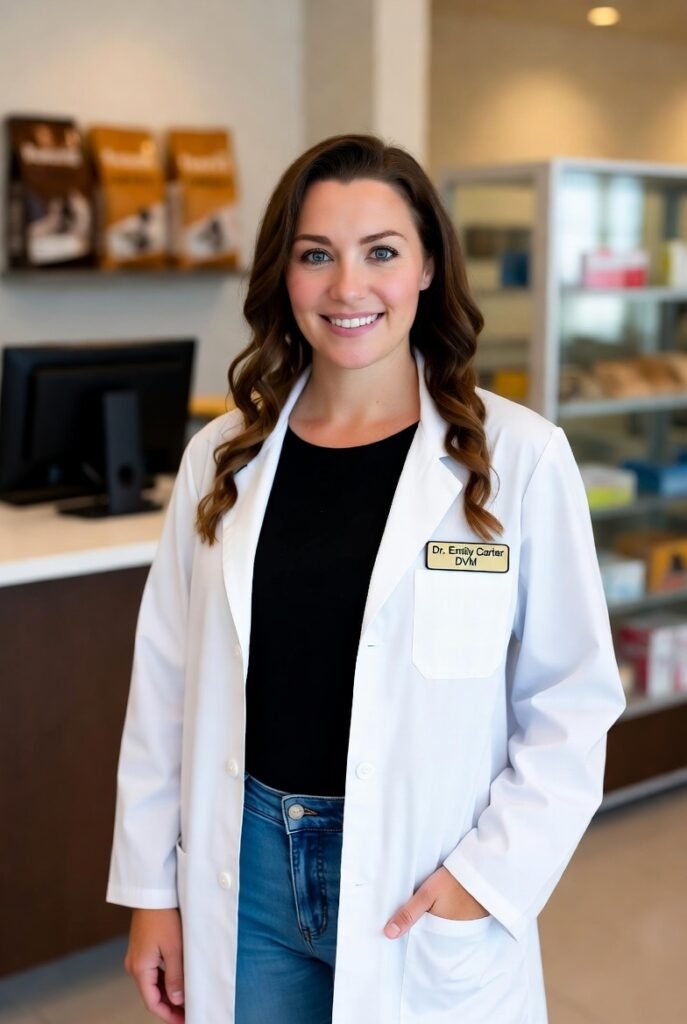
About the Author: Dr. Emily Carter is a veterinarian who knows that the “Cone of Shame” is actually the “Cone of Safety,” even if Max disagrees. She advocates for patient, gentle care during the first 24 hours.
Disclaimer: This article is for educational purposes. If your dog is lethargic, has pale gums, or is vomiting uncontrollably, seek emergency veterinary care immediately.