After a tooth extraction, your dog needs a strictly soft diet for 10-14 days. The best options are canned food (pâté style), boiled chicken mixed with white rice, or their regular kibble soaked in warm water until it turns into mush. Feeding hard kibble, bones, or chew toys too soon can dislodge the blood clot and cause a painful “dry socket” or infection.
Key Takeaways
-
The “Mush” Rule: If you can’t squash the food with the back of a spoon, your dog shouldn’t eat it.
-
Temperature Matters: Serve food at room temperature. Hot food burns healing gums; cold food hurts sensitive nerves.
-
No Chewing Allowed: Avoid all bones, antlers, and hard toys for at least two weeks.
-
Water is Critical: Post-anesthesia, hydration helps flush out the drugs and prevents nausea.
The Vet’s Take: Max’s “Gummy” Smile
I’ll be honest—even as a vet, seeing my own dog, Max, groggy after dental surgery was stressful. Max (a Beagle-Lab mix) had cracked a molar on a “indestructible” nylon bone (ironic, right?). We had to pull it.
When we got home, he was hungry but confused. He went to his bowl, sniffed his crunchy kibble, and looked at me with a “How am I supposed to eat this?” expression. His mouth was sore, and he had stitches where that big tooth used to be.
I switched him to a “meatball” diet of canned food and soaked kibble. Not only did he eat it, but he also thought he was getting a gourmet upgrade. The key lesson? Your dog wants to eat, but they need you to make it painless.
The Science: Why Soft Food is Mandatory
When a tooth is pulled, it leaves a hole (socket) in the jawbone. The body fills this hole with a blood clot, which acts as a biological bandage.
-
The Risk: Hard food can physically scrape this clot away. If the clot is lost, the bone is exposed (Dry Socket), which is excruciatingly painful and delays healing by weeks.
-
The Suture Danger: Most extractions are closed with dissolving stitches. Crunchy food can rip these stitches out, leaving an open wound that catches food debris and bacteria.
The Recovery Menu: Safe Foods to Feed
For the next 10-14 days, think “Baby Food Texture.”
1. Canned Food (The Gold Standard)
Pâté-style wet food is best. If you have “stew” style with chunks, mash them up with a fork.
-
Vet Tip: If your dog has never had wet food, mix it 50/50 with their soaked kibble to avoid diarrhea.
2. The “Soak” Method (Softened Kibble)
You don’t have to buy expensive canned food.
-
How to do it: Put their regular kibble in a bowl. Add warm water (or low-sodium chicken broth) until it covers the food. Let it sit for 10-15 minutes until it sponges up and becomes soft.
3. The Bland Diet (For Nausea)
Anesthesia can make dogs queasy for 24 hours.
-
Boiled Chicken & Rice: Shred the chicken finely (no chunks). Overcook the white rice so it’s extra sticky and soft.
-
Scrambled Eggs: Cook them plain (no butter/salt). They are soft, protein-rich, and easy to swallow without chewing.
4. Pumpkin Puree
Great for keeping them regular, as anesthesia can slow down the gut. Make sure it is Plain Pumpkin, not pie filling.
Timeline: When Can They Eat Normal Food?
Every mouth heals differently, but this is the general schedule I give my clients.
Foods to Avoid (The “Danger Zone”)
Until your vet gives the all-clear, these items are forbidden:
-
Dry Kibble: Unless soaked.
-
Bones / Antlers / Bully Sticks: These are the #1 cause of broken teeth to begin with.
-
Sticky Foods: Peanut butter can be too thick and sticky, requiring vigorous tongue movement that pulls at sutures.
-
Crunchy Vegetables: No raw carrots or apple slices. Cook them until soft if you must feed them.
Frequently Asked Questions
Q: My dog won’t drink water after surgery. What should I do? A: This is common due to mouth soreness. Try adding ice cubes to their water bowl (some dogs like to lick them) or pouring low-sodium chicken broth into the water to tempt them. If they go 24 hours without drinking, call the vet.
Q: Can I brush their teeth after extraction? A: NO. Do not put a toothbrush near the extraction site for at least 2 weeks. You will rip the stitches. You can use a chlorhexidine rinse (if prescribed) or dental wipes on the other teeth, but avoid the wound.
Q: He is acting starving! Can I give him a treat? A: Only if it’s a soft treat! Break a soft liver treat into tiny crumbs. Do not give Milk-Bones or biscuits.
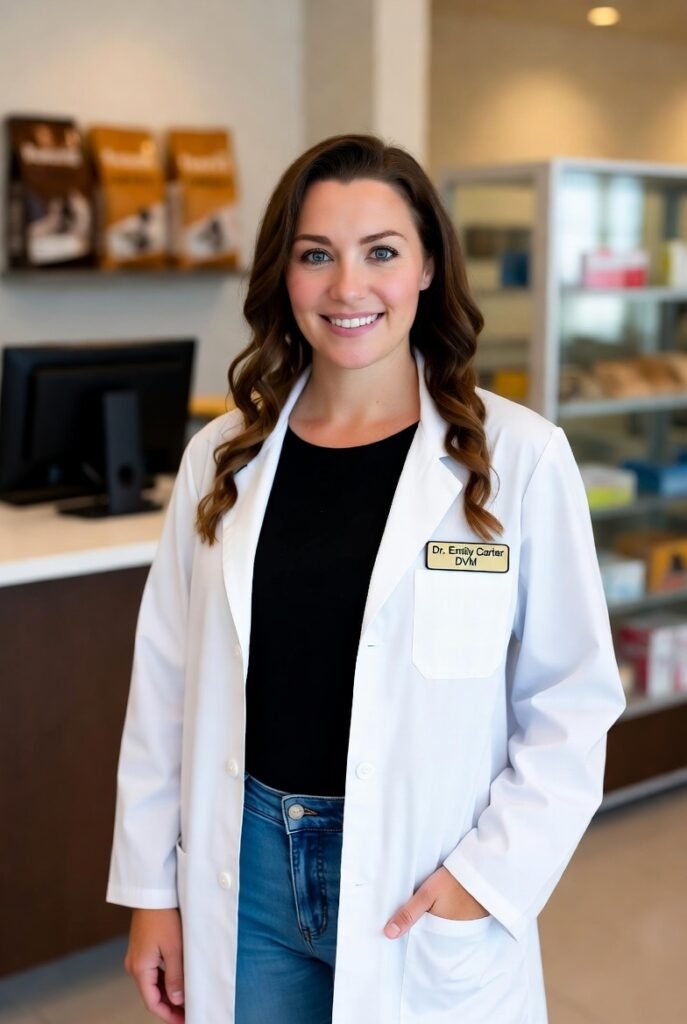
About the Author: Dr. Emily Carter is a veterinarian who has extracted more teeth than she cares to count. She advocates for daily brushing so you can avoid reading articles like this one! Max, her dog, is currently gumming a piece of boiled chicken happily.
Disclaimer: This article is for educational purposes. If your dog is bleeding from the mouth, has a foul odor, or refuses to eat for more than 24 hours post-surgery, contact your veterinarian immediately.