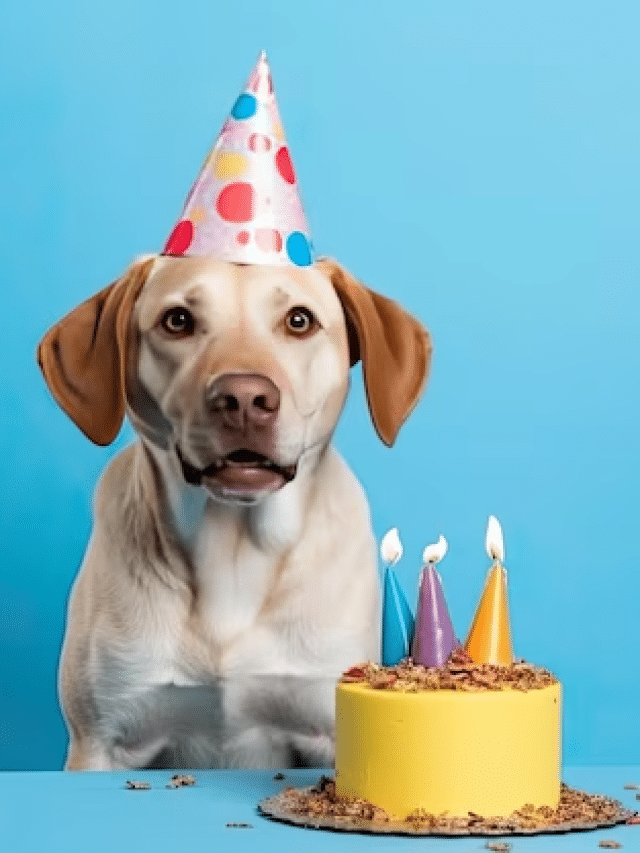
Yes, you can (and should) bake your dog a birthday cake! Store-bought dog treats are often loaded with preservatives, sugars, and artificial dyes that can trigger allergies or digestive upset. By baking at home using dog-safe flours (like oat or coconut) and natural sweeteners (like applesauce or pumpkin), you ensure a treat that is safe, nutritious, and free from toxic additives like Xylitol.
Key Takeaways
-
The Flour Factor: Avoid bleached white flour. Opt for Oat Flour (easy to digest) or Coconut Flour (grain-free).
-
The “Xylitol” Check: Always read your Peanut Butter label. If it contains Xylitol (birch sugar), it is deadly.
-
Frosting Fix: Use plain Greek yogurt or mashed potato for a safe, sugar-free “icing.”
-
Portion Control: Even a healthy cake is a treat. One slice is enough; don’t let them eat the whole thing!
The Vet’s Take: Max’s 3rd Birthday Disaster (Almost)
Last month, my Beagle-Lab mix, Max, turned three. Naturally, I wanted to spoil him. I walked into a boutique pet store and picked up a “Gourmet Dog Birthday Cake.” It looked adorable, but then I flipped it over to read the ingredients.
Propylene glycol. Artificial Red #40. Sugar.
I put it back on the shelf. As a vet, I spend half my life treating dogs for pancreatitis and skin allergies caused by junk food. I couldn’t knowingly feed that to Max. So, I went home, grabbed a can of pumpkin and some oat flour, and made him a cake that he devoured in 30 seconds flat. He didn’t miss the sugar, and I didn’t miss the vet bill.
The Science: Flour Power & Safe Ingredients
Baking for dogs isn’t just about removing chocolate. It’s about choosing ingredients that their short digestive tracts can actually process.
1. The Base: Choosing the Right Flour
White flour is essentially empty calories. For a dog cake, we want nutrient density.
-
Oat Flour: My personal favorite. It’s cheap, high in fiber, and very gentle on the stomach. (You can make it yourself by blending rolled oats).
-
Coconut Flour: Excellent for grain-free dogs, but it is highly absorbent. You’ll need to add more eggs or moisture.
-
Whole Wheat Flour: Okay for most dogs, but avoid it if your dog has a known grain sensitivity (itchy paws/ears).
2. The Binder: Eggs & Purees
We don’t use butter or oil in large quantities (pancreatitis risk). Instead, we use:
-
Pumpkin Puree: The ultimate digestive aid. High in soluble fiber.
-
Applesauce (Unsweetened): Adds moisture and acts as a binder.
-
Peanut Butter: A great source of protein and healthy fats. WARNING: You must check the label for Xylitol.
3. The “No-Go” Zone (Toxic Ingredients)
Never, ever add these to your mix:
-
Chocolate: Contains theobromine.
-
Raisins/Grapes: Can cause acute kidney failure.
-
Macadamia Nuts: Neurotoxic to dogs.
-
Nutmeg: Mildly hallucinogenic and toxic to dogs in large amounts.
3 Vet-Approved Dog Cake Recipes
These are the exact recipes I use. They are low-sugar, high-fiber, and Max-tested.
1. The “Sensitive Stomach” Cake (Coconut & Berry)
Best for: Dogs with grain allergies or sensitive tummies.
Ingredients:
-
1 ½ cups Coconut Flour
-
3 tbsp Coconut Oil (melted)
-
¼ cup Blueberries (fresh or frozen)
-
2 Eggs
-
¾ cup Plain Greek Yogurt (for the batter + frosting)
Instructions:
-
Preheat oven to 350°F (175°C).
-
Mix eggs, oil, and ½ cup of the yogurt in a bowl.
-
Stir in the coconut flour and fold in the blueberries. (Note: Coconut flour batter will be thicker than normal cake batter).
-
Grease a small 6-inch pan with coconut oil.
-
Bake for 20-25 minutes. Let it cool completely before “frosting” with the remaining yogurt.
2. The “Power Pup” Cake (Sweet Potato & Carrot)
Best for: Active breeds or seniors needing an immunity boost.
Ingredients:
-
1 cup Almond Flour (or Oat Flour)
-
½ cup Sweet Potato Puree (boiled and mashed)
-
½ cup Shredded Carrots
-
2 tbsp Honey (optional)
-
1 tsp Baking Powder (aluminum-free)
Instructions:
-
Preheat oven to 350°F.
-
Mix the sweet potato puree, honey, and a splash of water (about ¼ cup).
-
Add the flour, baking powder, and shredded carrots. Mix well.
-
Pour into a greased pan and bake for 25 minutes.
-
Decoration Tip: Top with a dollop of cottage cheese and a carrot stick “candle.”
3. The “Crowd Pleaser” (Peanut Butter & Pumpkin)
Best for: Picky eaters and birthday parties.
Ingredients:
-
1 cup Oat Flour
-
1 cup Plain Pumpkin Puree (Not Pie Filling!)
-
¼ cup Unsweetened Peanut Butter (NO Xylitol)
-
2 Eggs
-
1 tsp Baking Powder
Instructions:
-
Preheat oven to 350°F.
-
Whisk the pumpkin, peanut butter, and eggs until smooth.
-
Stir in the oat flour and baking powder.
-
Bake for 25-30 minutes. This makes a dense, moist cake that dogs go crazy for.
Comparison Table: Homemade vs. Store-Bought
Frequently Asked Questions
Q: Can humans eat these cakes? A: Technically, yes. All the ingredients are human-grade. However, without sugar or salt, they will taste very bland and dense to you. It’s essentially a baked dense muffin.
Q: How do I store the leftovers? A: Because there are no preservatives, you must treat this like real food. Store in an airtight container in the refrigerator for up to 4 days, or freeze slices for up to 3 months.
Q: Can I use regular cream cheese for frosting? A: Yes, in moderation. Low-fat cream cheese is safe, but it is high in calories. I prefer Plain Greek Yogurt or mashed potato because they are healthier, but a thin layer of cream cheese is fine for a birthday treat.
About the Author: Dr. Emily Carter is a veterinarian who believes that food is love—as long as it doesn’t cause pancreatitis. She lives in Seattle with Max, who is currently sitting by the oven waiting for the timer to go off.
Disclaimer: This guide is for educational purposes. Always consult your veterinarian before introducing new foods, especially if your dog has diabetes or specific food allergies.