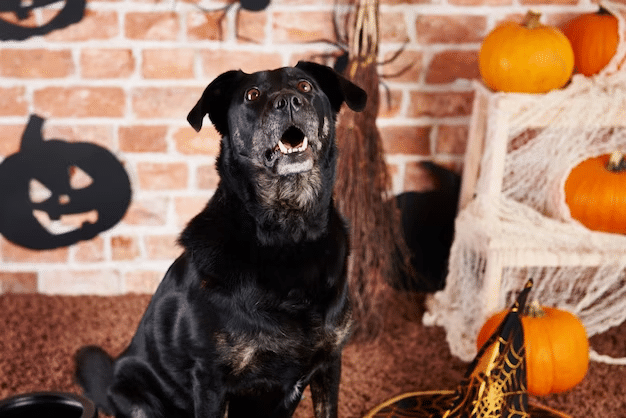
Yes, plain canned pumpkin is a digestive superfood for dogs. It is packed with soluble fiber, making it the #1 veterinary recommendation for treating both diarrhea and mild constipation. However, you must avoid “Pumpkin Pie Filling,” which contains sugars and spices (like nutmeg) that are toxic to dogs.
Key Takeaways
-
The “Goldilocks” Fix: Pumpkin works for both diarrhea (absorbs moisture) and constipation (adds bulk).
-
Canned vs. Fresh: Plain canned pumpkin has a higher concentration of fiber and nutrients than fresh pumpkin.
-
The Toxic Twin: Never buy “Pie Filling.” It looks identical on the shelf but contains spices that can harm your dog.
-
Seeds are Safe: Roasted, ground pumpkin seeds are a natural de-wormer (thanks to cucurbitacin).
The Vet’s Take: Max’s “Fall Clean-Up”
Last fall, my Beagle-Lab mix, Max, had a digestive “incident” that I won’t describe in graphic detail, but let’s just say my carpet cleaner got a workout. He had a classic bout of colitis (inflammation of the colon).
Before reaching for heavy medication, I did what I tell all my clients to do: I grabbed a can of plain pumpkin from the pantry. I mixed a tablespoon into his bland diet of rice and chicken. Within 24 hours, his stool was back to normal.
In my clinic, I call pumpkin the “digestive SOS.” Whether it’s a Pug who is backed up or a Border Collie with the runs, pumpkin is usually the first line of defense. But—and this is a big “but”—it has to be the right kind of pumpkin.
The Science: Why Does It Work?
It seems contradictory that one food can fix two opposite problems (diarrhea and constipation), but it comes down to Soluble Fiber.
-
For Diarrhea: The soluble fiber absorbs excess water in the intestines, firming up the stool and slowing down transit time.
-
For Constipation: The fiber acts as a bulk-forming agent, while the high water content helps get things moving again.
-
Nutrient Density: Beyond fiber, it’s loaded with Vitamin A (for eyes), Vitamin E (immunity), and Potassium (muscle health).
Canned vs. Fresh vs. Pie Filling (The Danger Zone)
Not all orange cans are created equal. This is where most owners make a mistake.
Dr. Carter’s Tip: Always check the label. If the ingredients list anything other than “Pumpkin,” put it back.
The Secret Weapon: Pumpkin Seeds
Most people toss the seeds, but they are a hidden gem for dog health.
-
The “Worm” Killer: Pumpkin seeds contain an amino acid called cucurbitacin, which can actually paralyze and expel intestinal worms (like tapeworms).
-
Urinary Health: The oils in the seeds support urinary health, which is great for older, spayed females prone to leaks.
How to Serve Seeds:
-
Soak them in water for 10-12 hours (removes phytic acid for better digestion).
-
Roast plain (no salt) at 350°F for 15 mins.
-
Grind into a powder. Do not feed whole seeds to small dogs as they can be a choking hazard.
How Much Should I Feed? (Dosage Guide)
Pumpkin is fiber-dense. If you give too much, you’ll cause the exact problem you’re trying to fix (diarrhea). Start low and go slow.
-
Small Dogs (Chihuahuas, Yorkies): 1 – 2 teaspoons per day.
-
Medium Dogs (Beagles, Spaniels): 1 – 2 tablespoons per day.
-
Large Dogs (Labs, Shepherds): 2 – 4 tablespoons per day.
Note: For weight loss, you can replace 1/4 cup of kibble with 1/4 cup of pumpkin to help them feel full with fewer calories.
Frequently Asked Questions
Q: Can I give my dog pumpkin every day? A: Yes, in moderation. Many owners use a small dollop daily to keep their dog “regular.” Just ensure it doesn’t make up more than 10% of their total daily calories.
Q: My dog ate pumpkin pie. What should I do? A: If it was a small slice, they will likely just have an upset stomach (sugar/butter overload). However, if the pie contained Xylitol (sugar-free sweetener) or heavy amounts of nutmeg, call the Vet or Poison Control immediately.
Q: Can dogs eat raw pumpkin? A: Technically yes, but I don’t recommend it. It’s very tough and hard to digest. If you want to feed fresh pumpkin, steam or boil it first to break down the cellular walls.
About the Author: Dr. Emily Carter is a veterinarian who keeps a stockpile of canned pumpkin in her pantry next to the dog treats. She advocates for natural remedies whenever possible but reminds owners that pumpkin can’t fix a parasite infestation or a blockage.
Disclaimer: This article is for educational purposes. If your dog has had diarrhea for more than 24 hours, or if there is blood in the stool, pumpkin is not enough—please see a veterinarian.